How Does the Subaru Trade-up Program Work

Contents
- 1 Key Takeaways
- 2 📑 Table of Contents
- 3 What Is the Subaru Trade-Up Program?
- 4 How the Trade-Up Process Works Step by Step
- 5 Eligibility and Requirements
- 6 Benefits of Trading Up with Subaru
- 7 Tips to Maximize Your Trade-In Value
- 8 Common Misconceptions About the Program
- 9 Real-Life Example: Trading Up from a Honda CR-V to a Subaru Outback
- 10 Conclusion
- 11 Frequently Asked Questions

Car Tissue Holder

Dashboard Polish

Car Wireless Charger Mount

Car Storage Net
The Subaru Trade-Up Program makes it simple to upgrade to a newer Subaru model by trading in your current vehicle. It offers competitive appraisals, flexible financing, and seamless transitions—whether you’re coming from another Subaru or a different brand.
Thinking about upgrading your current ride to a newer, safer, and more efficient Subaru? You’re not alone. Many drivers are discovering the benefits of the Subaru Trade-Up Program—a customer-friendly initiative designed to make transitioning to a new Subaru as smooth and rewarding as possible. Whether you’re driving an older Subaru or a vehicle from another brand, this program offers a clear, supportive path to your next adventure.
The Subaru Trade-Up Program isn’t a one-size-fits-all promotion. Instead, it’s a flexible framework that dealerships use to help customers trade in their current vehicles for newer Subaru models. It combines fair trade-in appraisals, attractive financing, and sometimes special incentives—all tailored to your needs. The goal? To remove the stress of selling your old car privately and make upgrading feel like a natural, rewarding step forward.
What makes this program stand out is its simplicity and transparency. Unlike third-party trade-in services that may lowball your offer, Subaru dealerships aim to give you a competitive value based on real market data. Plus, the entire process—from appraisal to driving off in your new Subaru—can often be completed in a single visit. No need to wait for private buyers, deal with paperwork headaches, or worry about timing. It’s all handled in one place, with experts guiding you every step of the way.
Key Takeaways
- Easy Upgrade Path: Trade in your current vehicle—Subaru or otherwise—for a newer Subaru model with minimal hassle.
- Competitive Trade-In Values: Subaru dealerships provide fair, market-based appraisals to maximize your trade-in worth.
- Flexible Financing Options: Take advantage of low-interest loans, lease transitions, and special incentives when upgrading.
- Wide Model Availability: Choose from popular Subaru models like the Outback, Forester, Crosstrek, and Ascent.
- Trade-In Regardless of Condition: Even if your car has high mileage or wear, it may still qualify for trade-in value.
- Streamlined Process: Most trade-ups can be completed in one visit, with paperwork and financing handled on-site.
- Bonus Incentives: Look out for loyalty rewards, trade-in bonuses, and seasonal promotions that boost your savings.
📑 Table of Contents
- What Is the Subaru Trade-Up Program?
- How the Trade-Up Process Works Step by Step
- Eligibility and Requirements
- Benefits of Trading Up with Subaru
- Tips to Maximize Your Trade-In Value
- Common Misconceptions About the Program
- Real-Life Example: Trading Up from a Honda CR-V to a Subaru Outback
- Conclusion
What Is the Subaru Trade-Up Program?
At its core, the Subaru Trade-Up Program is a dealership-driven initiative that encourages current vehicle owners to upgrade to a newer Subaru model by trading in their existing car, truck, or SUV. While Subaru doesn’t market this as a single, nationwide branded program like some automakers do, the term “Trade-Up Program” is widely used by dealerships to describe their trade-in and upgrade services.
In practice, this means that when you visit a participating Subaru dealership, you can bring in your current vehicle—regardless of make, model, or condition—and receive a professional appraisal. Based on that appraisal, you can apply the trade-in value toward the purchase or lease of a new or certified pre-owned Subaru. The process is designed to be fast, fair, and customer-focused.
One of the biggest advantages of the program is that it removes the uncertainty of selling your car privately. When you sell on your own, you have to list it, respond to inquiries, negotiate with buyers, and handle title transfers—all while hoping for a fair price. With the Subaru Trade-Up Program, you skip all that. The dealership handles everything, and you walk away with a new Subaru and peace of mind.
It’s also worth noting that the program isn’t limited to Subaru owners. Whether you’re driving a Honda, Toyota, Ford, or even a luxury brand like BMW or Lexus, you can still trade it in for a Subaru. This inclusivity makes the program appealing to a wide range of drivers who are looking for Subaru’s renowned reliability, safety, and all-weather capability.
How the Trade-Up Process Works Step by Step
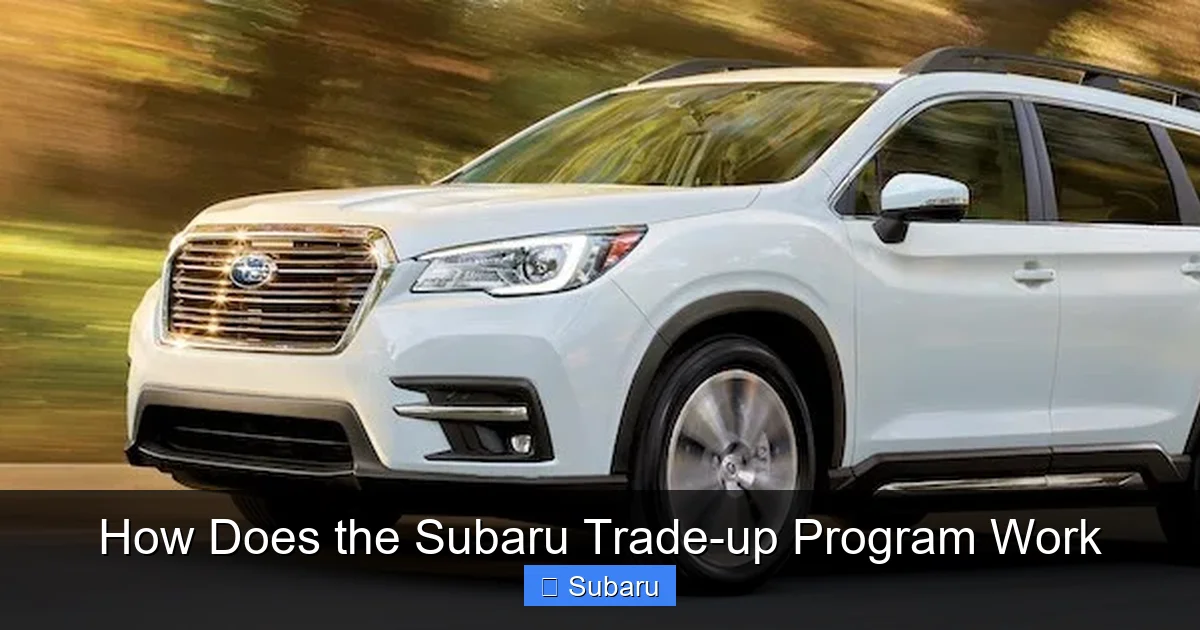
Visual guide about How Does the Subaru Trade-up Program Work
Image source: pictures.dealer.com
Upgrading your vehicle through the Subaru Trade-Up Program is surprisingly straightforward. Here’s a detailed breakdown of how it typically unfolds, so you know exactly what to expect when you walk into a dealership.
Step 1: Research and Prepare
Before you visit the dealership, take some time to research your current vehicle’s value. Websites like Kelley Blue Book (KBB), Edmunds, and NADA Guides can give you a solid estimate of what your car is worth in its current condition. This helps you set realistic expectations and ensures you’re getting a fair offer.
Gather all necessary documents, including your vehicle’s title, registration, loan payoff information (if applicable), and maintenance records. Having these ready speeds up the process and shows the dealer you’re serious about trading up.
Also, think about which Subaru model suits your lifestyle. Are you looking for a compact crossover like the Crosstrek for city driving? Or do you need the spacious interior and towing capacity of the Ascent for family trips? Knowing your preferences helps the dealer guide you to the right vehicle.
Step 2: Visit a Subaru Dealership
Once you’re ready, schedule a visit to your local Subaru dealership. Many dealers offer online appointment scheduling, which can save you time. When you arrive, let the sales team know you’re interested in the Trade-Up Program.
A certified appraiser will inspect your vehicle. They’ll check the exterior and interior condition, mileage, mechanical performance, and any aftermarket modifications. This inspection usually takes 15 to 30 minutes.
Step 3: Receive Your Trade-In Offer
After the inspection, the appraiser will provide a written offer based on current market conditions, vehicle demand, and your car’s specific details. This offer is typically valid for a set period—often 3 to 7 days—giving you time to think it over.
If you’re satisfied with the offer, you can proceed to the next step. If not, you’re under no obligation to accept it. You can always take your car elsewhere or sell it privately.
Step 4: Choose Your New Subaru
Now comes the fun part: picking out your new Subaru! The sales team will help you explore available models, trims, and features. They’ll also explain any current incentives, such as low APR financing, lease deals, or trade-in bonuses.
Once you’ve selected your vehicle, the trade-in value is applied directly to the purchase price. This reduces the amount you need to finance, which can lower your monthly payments.
Step 5: Finalize Financing and Paperwork
The dealership’s finance department will walk you through your financing options. Whether you’re buying or leasing, they’ll present terms that fit your budget. Many dealers also offer extended warranties, maintenance packages, and gap insurance—worth considering for added protection.
All paperwork, including the title transfer and registration, is handled on-site. In most cases, you can drive away in your new Subaru the same day.
Step 6: Enjoy Your Upgrade
Congratulations—you’ve successfully traded up! Now you can enjoy the latest Subaru technology, improved fuel efficiency, advanced safety features like EyeSight® Driver Assist, and the confidence that comes with a reliable, all-wheel-drive vehicle.
Eligibility and Requirements
One of the best things about the Subaru Trade-Up Program is its broad eligibility. You don’t need to be a current Subaru owner, and your vehicle doesn’t need to be in perfect condition. Here’s what you need to know to qualify.
Vehicle Ownership
You must be the legal owner of the vehicle you’re trading in. This means the title should be in your name, and if there’s a lien (loan), you’ll need to provide payoff information. The dealership will handle paying off the remaining balance if your trade-in value doesn’t cover it—this is called “negative equity,” and it can often be rolled into your new loan.
Vehicle Condition
Subaru dealerships accept vehicles in various conditions, including those with high mileage, minor dents, or mechanical issues. While a well-maintained car will naturally fetch a higher value, even older or worn vehicles can contribute to your trade-in credit.
That said, vehicles with major damage, salvage titles, or significant mechanical problems may have limited trade-in value. It’s always best to be upfront about any issues during the appraisal.
Make and Model Flexibility
As mentioned earlier, the program isn’t restricted to Subaru vehicles. You can trade in cars, trucks, SUVs, and even some vans from other manufacturers. This makes it a great option for drivers looking to switch brands while upgrading to Subaru’s renowned all-wheel-drive system and safety reputation.
Credit and Financing
Your credit score will influence the financing terms for your new Subaru. However, Subaru Financial Services works with a range of credit profiles, and many dealerships have relationships with multiple lenders to help secure approval.
Even if you have less-than-perfect credit, you may still qualify for financing—especially if your trade-in reduces the loan amount. The dealership’s finance team can guide you through options and help improve your approval chances.
Documentation Needed
To complete the trade-up, you’ll need:
– Valid driver’s license
– Vehicle title (or lienholder information)
– Current registration
– Proof of insurance
– Loan payoff statement (if applicable)
– Maintenance records (optional but helpful)
Having these ready ensures a smooth, efficient process.
Benefits of Trading Up with Subaru
Choosing the Subaru Trade-Up Program offers several advantages over selling your car privately or trading it in elsewhere. Here’s why so many drivers find it worthwhile.
Convenience and Time Savings
Selling a car privately can take weeks or even months. You’ll spend time creating listings, responding to messages, meeting potential buyers, and negotiating prices. With the Trade-Up Program, the entire process is handled in one visit. No waiting, no hassle.
Fair and Transparent Appraisals
Subaru dealerships use industry-standard tools and market data to determine trade-in values. This means you’re more likely to receive a fair offer compared to third-party services that may lowball to increase their profit margin.
Plus, the appraisal is free and non-binding. You can walk away at any time if the offer doesn’t meet your expectations.
Immediate Value Application
The trade-in value is applied directly to your new Subaru purchase, reducing the amount you need to finance. This can lower your monthly payments and overall interest costs—especially if you’re rolling negative equity into the new loan.
Access to Incentives and Promotions
Many Subaru dealerships offer special trade-in bonuses, loyalty rewards, or seasonal promotions. For example, you might receive an extra $500 toward your trade-in if you’re upgrading from a non-Subaru vehicle. These incentives can significantly boost your savings.
Seamless Financing and Paperwork
The dealership handles all financing, title transfers, and registration. You don’t need to worry about DMV visits or complex paperwork. Everything is done on your behalf, often while you wait.
Peace of Mind
Driving a new Subaru means access to the latest safety features, improved fuel economy, and modern infotainment systems. Plus, new vehicles come with comprehensive warranties, reducing the risk of unexpected repair costs.
Tips to Maximize Your Trade-In Value
Want to get the most out of your trade-in? A little preparation can go a long way. Here are practical tips to help you maximize your vehicle’s value before the appraisal.
Clean and Detail Your Vehicle
First impressions matter. A clean, well-maintained car signals to the dealer that you’ve taken good care of it. Wash the exterior, vacuum the interior, and remove personal items. Consider a professional detail for a polished look.
Fix Minor Issues
Small repairs—like replacing burnt-out bulbs, fixing cracked windshields, or addressing minor dents—can increase your trade-in value. Focus on cosmetic and functional fixes that are cost-effective.
Gather Maintenance Records
Providing a history of regular oil changes, tire rotations, and major services shows that your vehicle has been well cared for. This can justify a higher appraisal, especially for higher-mileage cars.
Know Your Vehicle’s Market Value
Use online tools to research your car’s value based on year, make, model, mileage, and condition. This knowledge empowers you to negotiate confidently if the initial offer seems low.
Time Your Trade-In Strategically
Vehicle values fluctuate based on demand, season, and market trends. For example, SUVs and trucks may fetch higher prices in winter, while convertibles do better in spring. If possible, time your trade-in when demand for your vehicle type is high.
Consider Upgrading During Promotions
Watch for Subaru sales events, holiday promotions, or end-of-year clearance deals. These periods often include extra trade-in bonuses or financing incentives that can boost your overall savings.
Common Misconceptions About the Program
Despite its popularity, there are some myths and misunderstandings about the Subaru Trade-Up Program. Let’s clear them up so you can make an informed decision.
“Only Subaru Owners Can Participate”
False. While Subaru owners may qualify for loyalty bonuses, the program is open to anyone trading in a vehicle—regardless of brand. Whether you drive a Ford F-150 or a Toyota Camry, you can trade it in for a Subaru.
“Trade-In Values Are Always Lower Than Private Sale”
Not necessarily. While private sales can yield higher prices, they come with time, effort, and risk. The Trade-Up Program offers a guaranteed, hassle-free value. When you factor in convenience and time saved, the trade-off is often worth it.
“You Can’t Trade In a Car with Problems”
You can. Dealerships accept vehicles with mechanical issues, high mileage, or cosmetic damage. The value will reflect the condition, but it’s still better than having no trade-in option at all.
“The Process Takes Weeks”
On the contrary, most trade-ups are completed in a single day. From appraisal to driving off the lot, the entire process is designed for speed and efficiency.
“You’re Locked Into a Deal”
No. The trade-in offer is non-binding. You can decline it and take your car elsewhere. There’s no pressure to proceed unless you’re satisfied with the terms.
Real-Life Example: Trading Up from a Honda CR-V to a Subaru Outback
Let’s walk through a realistic scenario to see how the program works in practice.
Sarah, a 38-year-old teacher from Denver, has been driving a 2017 Honda CR-V with 85,000 miles. She loves the car but wants something with better snow performance and more cargo space for weekend ski trips. She’s been eyeing the Subaru Outback for its standard all-wheel drive and rugged design.
She visits her local Subaru dealership and mentions the Trade-Up Program. The appraiser inspects her CR-V and offers $14,500 based on its condition, mileage, and current market value. Sarah had researched and expected around $14,000–$15,000, so she’s happy with the offer.
She selects a 2024 Subaru Outback Limited with a sticker price of $38,000. After applying her trade-in credit, the new balance is $23,500. The dealership offers 3.9% APR financing over 60 months, resulting in monthly payments of about $430.
Sarah also qualifies for a $500 trade-in bonus because she’s upgrading from a non-Subaru vehicle. This reduces her loan amount further, lowering her payments to $420 per month.
Within two hours, Sarah completes the paperwork, transfers her insurance, and drives home in her new Outback—ready for winter adventures.
This example shows how the Trade-Up Program simplifies the upgrade process while delivering real value.
Conclusion
The Subaru Trade-Up Program is a smart, stress-free way to upgrade to a newer, safer, and more capable Subaru. Whether you’re trading in a Subaru or a vehicle from another brand, the process is designed to be fair, transparent, and convenient.
From competitive appraisals to flexible financing and bonus incentives, the program removes the barriers that often discourage drivers from upgrading. With proper preparation—like cleaning your car, gathering documents, and researching values—you can maximize your trade-in worth and enjoy significant savings.
If you’re ready for a vehicle that handles all seasons, prioritizes safety, and supports your lifestyle, the Subaru Trade-Up Program makes the transition seamless. Visit your local dealership today, get a free appraisal, and discover how easy it is to trade up to the Subaru you’ve been dreaming of.
Frequently Asked Questions
Can I trade in a car that isn’t a Subaru?
Yes, absolutely. The Subaru Trade-Up Program accepts vehicles from all makes and models, not just Subaru. Whether you drive a Toyota, Ford, or Honda, you can trade it in for a new Subaru.
What if my car is worth less than I owe on it?
This is called negative equity, and it’s common. Many dealerships allow you to roll the remaining balance into your new loan. The trade-in value still reduces the total amount financed, which can help lower your monthly payments.
How long does the trade-in process take?
Most trade-ups are completed in one visit, often within 1–2 hours. The appraisal takes 15–30 minutes, and financing and paperwork are handled on-site.
Do I need to make an appointment?
While walk-ins are usually welcome, scheduling an appointment ensures faster service and dedicated time with a sales representative. Many dealerships offer online booking.
Can I trade in a leased vehicle?
It depends on your lease terms. Some leases allow early termination with a trade-in, while others require you to wait until the end of the term. Check with your leasing company and the Subaru dealership for options.
Are there any hidden fees in the Trade-Up Program?
No. Subaru dealerships aim for transparency. Any fees—such as documentation or title transfer charges—will be clearly outlined in your financing agreement. Always review the paperwork carefully before signing.