How Does the Car Battery Charge
Your car battery doesn’t just sit there—it charges while you drive, thanks to the alternator and a clever electrical system. Understanding this process helps prevent breakdowns and extends battery life.
In This Article
- 1 Key Takeaways
- 2 📑 Table of Contents
- 3 How Does the Car Battery Charge? A Complete Guide
- 4 The Role of the Car Battery
- 5 The Alternator: The Heart of the Charging System
- 6 The Voltage Regulator: Keeping Things in Check
- 7 The Charging Cycle: From Start to Drive
- 8 Factors That Affect Battery Charging
- 9 Signs Your Battery Isn’t Charging Properly
- 10 Tips to Maintain a Healthy Charging System
- 11 Conclusion
- 12 Frequently Asked Questions
- 12.1 How long does it take to fully charge a car battery while driving?
- 12.2 Can a car battery charge while the engine is off?
- 12.3 What happens if the alternator fails while driving?
- 12.4 How do I know if my battery is bad or if the alternator is faulty?
- 12.5 Can I drive with a bad voltage regulator?
- 12.6 Do electric cars charge their 12V battery the same way?
Key Takeaways
- The alternator is the main charger: It converts engine power into electricity to recharge the battery while driving.
- Battery charging happens during operation: The battery powers the starter and electronics at startup, then gets recharged as the engine runs.
- Voltage regulation is critical: A voltage regulator prevents overcharging, which can damage the battery and electrical components.
- Short trips reduce charging efficiency: Frequent short drives may not give the battery enough time to fully recharge.
- Battery health affects charging: Old or damaged batteries may not hold a charge, even with a working alternator.
- Warning signs matter: Dim lights, slow cranking, or a check engine light can signal charging system problems.
- Regular maintenance helps: Checking belts, terminals, and fluid levels supports optimal charging performance.
📑 Table of Contents
- How Does the Car Battery Charge? A Complete Guide
- The Role of the Car Battery
- The Alternator: The Heart of the Charging System
- The Voltage Regulator: Keeping Things in Check
- The Charging Cycle: From Start to Drive
- Factors That Affect Battery Charging
- Signs Your Battery Isn’t Charging Properly
- Tips to Maintain a Healthy Charging System
- Conclusion
How Does the Car Battery Charge? A Complete Guide
You turn the key, the engine roars to life, and you’re on your way. But have you ever wondered what happens to your car battery after that initial startup? It’s easy to think of the battery as a one-time power source—something that gives your car a jump and then sits idle. But in reality, your car battery is constantly being charged and recharged while you drive. Understanding how this process works not only satisfies curiosity but also helps you maintain your vehicle better and avoid unexpected breakdowns.
The charging system in your car is a well-orchestrated team effort involving the battery, alternator, voltage regulator, and various electrical components. It’s designed to keep your battery topped up, power your lights, radio, and other electronics, and ensure your car starts reliably every time. Whether you’re commuting to work, running errands, or taking a long road trip, this system is quietly working behind the scenes. In this guide, we’ll break down exactly how your car battery charges, what parts are involved, and how you can keep everything running smoothly.
The Role of the Car Battery
Before diving into the charging process, it’s important to understand what the car battery actually does. Think of the battery as the heart of your car’s electrical system—it stores energy and delivers it when needed. When you turn the ignition key, the battery sends a burst of electricity to the starter motor, which cranks the engine and gets it running. Without a healthy battery, your car simply won’t start.
Visual guide about How Does the Car Battery Charge
Image source: m.media-amazon.com
What Powers What?
Once the engine is running, the battery’s main job shifts from powering the starter to supporting other electrical systems. This includes the headlights, dashboard lights, infotainment system, air conditioning, and even the fuel injection system. Modern cars have more electronics than ever, and all of them rely on the battery—either directly or indirectly—for power.
Battery Chemistry Basics
Most car batteries are lead-acid batteries, which use a chemical reaction between lead plates and sulfuric acid electrolyte to store and release energy. When the battery discharges (like when starting the car), the chemical reaction produces electricity. When it charges, the reaction reverses, restoring the battery’s energy. This cycle can happen thousands of times, but over time, the battery’s ability to hold a charge diminishes.
Battery Capacity and Health
A typical car battery has a capacity of around 48 amp-hours, meaning it can deliver 1 amp of current for 48 hours, or 48 amps for one hour. However, in practice, batteries are rarely discharged completely because deep discharges can shorten their lifespan. A healthy battery should maintain a voltage of about 12.6 volts when the engine is off and around 13.7 to 14.7 volts when the engine is running—this higher voltage indicates it’s being charged.
The Alternator: The Heart of the Charging System
If the battery is the heart, the alternator is the lungs of your car’s electrical system. It’s responsible for generating electricity while the engine is running and sending that power back to the battery and other components. Without the alternator, your battery would quickly drain, and your car would stall after just a few minutes of driving.

Visual guide about How Does the Car Battery Charge
Image source: batterytools.net
How the Alternator Works
The alternator is driven by a belt connected to the engine’s crankshaft. As the engine spins, the belt turns the alternator’s rotor inside a set of stationary coils called the stator. This movement creates a magnetic field, which induces an alternating current (AC) in the stator windings. Since your car’s electrical system runs on direct current (DC), the alternator includes a component called a rectifier that converts AC to DC.
Power Output and Efficiency
Most alternators produce between 13.5 and 14.5 volts of electricity, which is slightly higher than the battery’s resting voltage. This voltage difference is what allows current to flow into the battery and recharge it. The alternator can generate anywhere from 60 to 150 amps of current, depending on the vehicle and its electrical demands. For example, a car with heated seats, a powerful sound system, and LED lights will require more current than a basic model.
Real-World Example
Imagine you’re driving at night with the headlights, radio, and air conditioning on. The alternator is working harder to meet these demands while also recharging the battery. If you notice your headlights dimming at idle but brightening when you rev the engine, that’s a sign the alternator is struggling to keep up—especially at low RPMs. This could indicate a worn alternator or a loose belt.
The Voltage Regulator: Keeping Things in Check
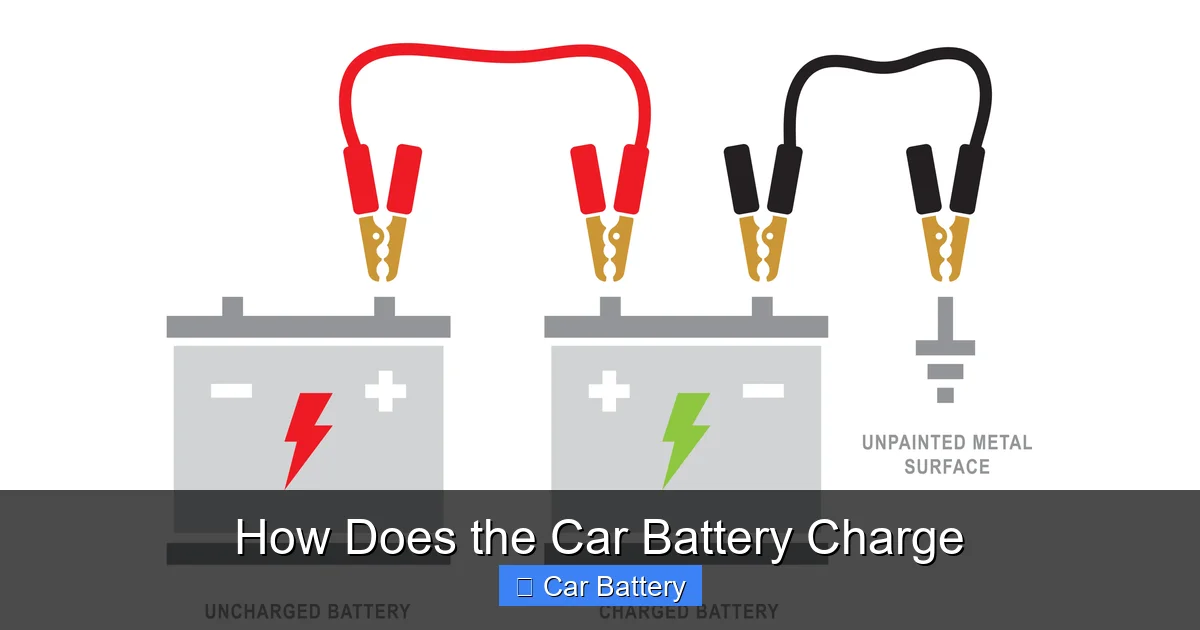
While the alternator generates power, it doesn’t do so at a constant rate. Engine speed varies—idle, acceleration, highway cruising—and so does the alternator’s output. That’s where the voltage regulator comes in. This small but crucial component ensures the alternator delivers a steady voltage, typically between 13.8 and 14.4 volts, regardless of engine speed or electrical load.
Visual guide about How Does the Car Battery Charge
Image source: tontio.com
Why Voltage Regulation Matters
If the voltage is too low, the battery won’t charge properly, and electrical components may not work correctly. If it’s too high, it can overcharge the battery, causing it to overheat, lose electrolyte, and fail prematurely. Overcharging can also damage sensitive electronics like the ECU (engine control unit) or infotainment system.
Where Is the Voltage Regulator?
In older vehicles, the voltage regulator was a separate component mounted on the firewall or fender. In most modern cars, it’s built into the alternator itself. This integration simplifies design and improves reliability, but it also means that if the regulator fails, the entire alternator may need to be replaced.
Signs of a Failing Regulator
A malfunctioning voltage regulator can cause erratic electrical behavior. You might see flickering lights, a battery warning light on the dashboard, or even a dead battery despite recent replacement. In extreme cases, the battery may swell or leak due to overcharging. If you notice any of these symptoms, it’s best to have your charging system inspected by a professional.
The Charging Cycle: From Start to Drive
Now that we’ve covered the key components, let’s walk through the charging cycle step by step. Understanding this sequence helps explain why your battery stays charged—and why it sometimes doesn’t.
Step 1: Starting the Engine
When you turn the key, the battery delivers a high burst of current to the starter motor. This can draw 100 to 200 amps for a few seconds. During this time, the battery voltage drops significantly—sometimes below 10 volts. Once the engine starts, the alternator takes over.
Step 2: Initial Recharge
Right after startup, the alternator ramps up production to replenish the energy used during cranking. This is called the “recovery phase,” and it can take several minutes of driving to fully restore the battery’s charge. If you only drive short distances, the battery may never reach full charge, leading to gradual depletion over time.
Step 3: Steady-State Charging
Once the battery is mostly recharged, the alternator switches to a maintenance mode. It continues to supply power to the car’s electronics and trickle-charges the battery to keep it at optimal levels. This phase is efficient and puts minimal strain on the system.
Step 4: High-Demand Situations
When you use multiple electrical features—like headlights, defrosters, and seat heaters—the alternator increases output to meet demand. If the load exceeds the alternator’s capacity, the battery will supplement the power. This is normal, but frequent high-demand scenarios can accelerate battery wear.
Factors That Affect Battery Charging
Not all driving conditions are created equal when it comes to charging your battery. Several factors can influence how effectively your battery recharges and how long it lasts.
Driving Habits
Short trips are the enemy of battery health. If you drive less than 15 minutes at a time, the alternator may not have enough time to fully recharge the battery after startup. Over time, this leads to a chronically undercharged battery, which can sulfate (a buildup of lead sulfate crystals) and lose capacity. Longer drives, especially at highway speeds, give the alternator more time to work efficiently.
Extreme Temperatures
Heat and cold both impact battery performance. In hot weather, the electrolyte in the battery can evaporate, and internal resistance increases, reducing efficiency. In cold weather, the chemical reactions slow down, making it harder for the battery to deliver power. Winter is when most batteries fail, not because they’re overcharged, but because they can’t provide enough current to start the engine.
Electrical Load
The more electronics you use, the harder the alternator has to work. Aftermarket accessories like high-powered stereos, LED light bars, or dash cams can place extra strain on the charging system. If your alternator isn’t rated for the increased load, it may overheat or fail prematurely.
Battery Age and Condition
Even with a perfect charging system, an old or damaged battery won’t hold a charge. Most car batteries last 3 to 5 years. As they age, their internal plates corrode, and the electrolyte breaks down. A battery that’s more than four years old should be tested regularly, especially before winter.
Belt and Connection Issues
The alternator relies on a serpentine belt to spin. If the belt is loose, worn, or slipping, the alternator won’t generate enough power. Similarly, corroded or loose battery terminals can prevent proper charging. A simple visual inspection can catch these issues early.
Signs Your Battery Isn’t Charging Properly
Your car will often give you clues when the charging system isn’t working right. Paying attention to these signs can save you from being stranded.
Slow Engine Crank
If the engine turns over slowly when you start the car, it could mean the battery is weak or not being charged. This is especially noticeable in cold weather.
Dim or Flickering Lights
Headlights that dim at idle or flicker while driving suggest the alternator isn’t producing enough power. This is a common symptom of a failing alternator or voltage regulator.
Battery Warning Light
The battery or charging system warning light on your dashboard is a direct alert. It usually looks like a battery icon or says “ALT” or “CHG.” If it comes on, have your system checked immediately.
Electrical Glitches
Unusual behavior from electronics—like the radio resetting, power windows moving slowly, or the dashboard acting erratically—can indicate voltage fluctuations due to charging problems.
Swollen or Leaking Battery
A battery that’s bulging or leaking acid is likely overcharged. This is a serious issue that requires immediate attention to prevent damage or injury.
Tips to Maintain a Healthy Charging System
Good maintenance goes a long way in keeping your battery and charging system in top shape. Here are some practical tips:
Drive Regularly and for Long Enough
Aim for at least 20–30 minutes of driving several times a week. This gives the alternator enough time to fully recharge the battery.
Limit Short Trips
If you only make short trips, consider using a battery maintainer or trickle charger when the car is parked for long periods.
Check Battery Terminals
Clean corrosion from the terminals with a wire brush and baking soda solution. Ensure connections are tight and secure.
Inspect the Serpentine Belt
Look for cracks, fraying, or looseness. A slipping belt reduces alternator efficiency.
Test the Battery and Alternator
Most auto parts stores offer free battery and charging system tests. Get them checked annually, especially before winter.
Avoid Excessive Electrical Load
Turn off unnecessary accessories when idling or starting the car to reduce strain on the system.
Conclusion
Your car battery charges through a sophisticated system centered around the alternator, which converts engine power into electricity while you drive. Supported by the voltage regulator and a network of electrical components, this system ensures your battery stays charged and your car runs smoothly. Understanding how it works empowers you to spot problems early, maintain your vehicle properly, and avoid unexpected breakdowns.
From short trips to extreme weather, many factors influence charging efficiency. By driving regularly, keeping connections clean, and paying attention to warning signs, you can extend the life of your battery and alternator. Remember, a healthy charging system isn’t just about convenience—it’s about safety and reliability. So the next time you start your car, take a moment to appreciate the quiet teamwork that keeps you moving.
Frequently Asked Questions
How long does it take to fully charge a car battery while driving?
It typically takes 20 to 30 minutes of driving at highway speeds to fully recharge a depleted battery. Short trips may not provide enough time, leading to gradual battery drain.
Can a car battery charge while the engine is off?
No, the battery cannot charge while the engine is off. The alternator requires engine power to generate electricity. However, a battery maintainer can be used to trickle-charge the battery when parked.
What happens if the alternator fails while driving?
If the alternator fails, the battery will supply power until it drains completely. This can cause the engine to stall, lights to dim, and electronics to shut off. You may be able to drive for a short distance before the car stops.
How do I know if my battery is bad or if the alternator is faulty?
A bad battery often causes slow cranking and won’t hold a charge. A faulty alternator may cause dim lights, a battery warning light, or electrical issues while driving. A professional test can diagnose the problem.
Can I drive with a bad voltage regulator?
Driving with a bad voltage regulator is risky. It can cause overcharging, which damages the battery and electronics, or undercharging, leading to a dead battery. It’s best to replace it as soon as possible.
Do electric cars charge their 12V battery the same way?
No, electric cars use a DC-DC converter to step down high-voltage battery power to charge the 12V battery. They don’t have alternators, but the charging principle—maintaining the 12V system—is similar.