How Are the Steps Listed in How to Jump-start a Car Battery Organized
Jump-starting a car battery is a common but potentially dangerous task if done incorrectly. The steps are carefully organized to prioritize safety, ensure proper electrical flow, and prevent damage to vehicles or injury to the person performing the jump-start. This guide breaks down how these steps are structured—from preparation to disconnection—so you can approach the process with confidence and clarity.
In This Article
- 1 Key Takeaways
- 2 📑 Table of Contents
- 3 Why the Order of Jump-Starting Steps Matters
- 4 Step 1: Preparation and Safety Checks
- 5 Step 2: Connecting the Jumper Cables in the Correct Order
- 6 Step 3: Starting the Vehicles and Allowing Charge Time
- 7 Step 4: Disconnecting the Cables Safely
- 8 Step 5: Post-Jump Verification and Next Steps
- 9 Common Mistakes and How to Avoid Them
- 10 Conclusion
- 11 Frequently Asked Questions
- 11.1 Can you jump-start a car in the rain?
- 11.2 How long should you let a car run after jump-starting?
- 11.3 Can you jump-start a car with a completely dead battery?
- 11.4 Is it safe to jump-start a modern car with electronics?
- 11.5 What if the car starts but dies again immediately?
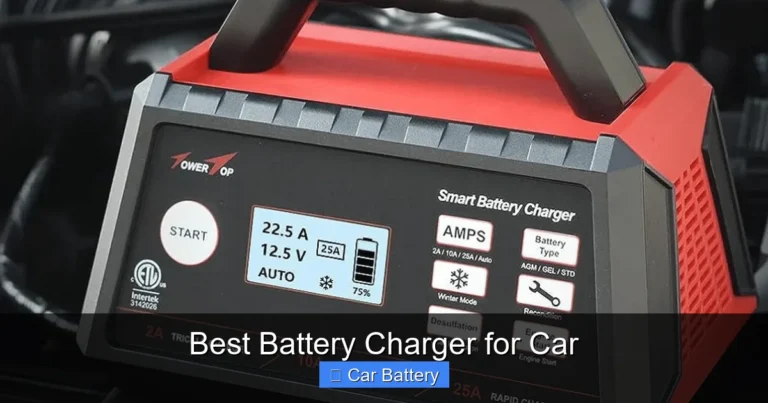
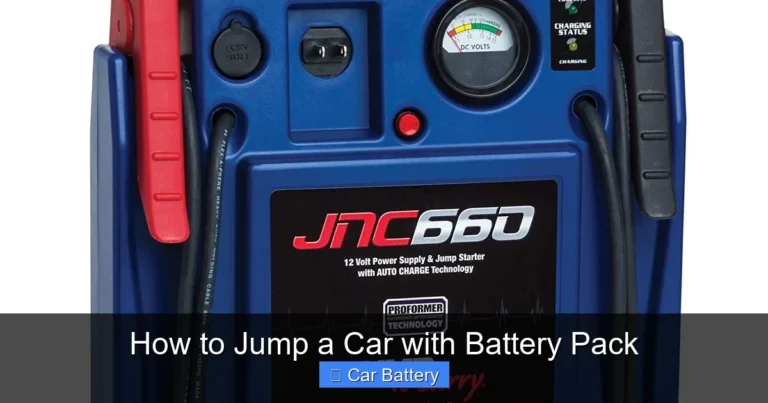
- 11.6 Can you use a portable jump starter instead of another car?
Key Takeaways
- Safety First: The initial steps focus on personal safety, including turning off engines, wearing protective gear, and ensuring a stable environment.
- Proper Equipment Check: Before connecting cables, it’s essential to inspect jumper cables and battery terminals for damage or corrosion.
- Correct Connection Sequence: The order of connecting cables—positive to positive, negative to ground—is critical to avoid sparks near the battery.
- Engine Start and Charging Time: Allowing the dead battery to charge for several minutes before attempting to start ensures a better chance of success.
- Safe Disconnection Order: Removing cables in reverse order prevents electrical surges and reduces risk of short circuits.
- Post-Jump Verification: After starting, checking the alternator and driving the vehicle helps confirm the battery is holding a charge.
- When to Seek Professional Help: If the battery fails to hold a charge or shows signs of damage, it may need replacement rather than a jump-start.
📑 Table of Contents
- Why the Order of Jump-Starting Steps Matters
- Step 1: Preparation and Safety Checks
- Step 2: Connecting the Jumper Cables in the Correct Order
- Step 3: Starting the Vehicles and Allowing Charge Time
- Step 4: Disconnecting the Cables Safely
- Step 5: Post-Jump Verification and Next Steps
- Common Mistakes and How to Avoid Them
- Conclusion
Why the Order of Jump-Starting Steps Matters
Imagine you’re late for work, you turn the key in your car’s ignition, and nothing happens—just a faint click or complete silence. Your heart sinks. A dead battery. It’s a frustrating but common scenario, especially during cold mornings or after leaving lights on overnight. The good news? Jump-starting your car battery can often get you back on the road quickly. But here’s the catch: doing it wrong can lead to sparks, battery explosions, damaged electronics, or even injury.
This is precisely why the steps in how to jump-start a car battery are meticulously organized. They aren’t just a random list of actions—they follow a logical, safety-driven sequence designed to protect you, your vehicle, and the donor car. From preparing the environment to safely disconnecting the cables, each step builds on the previous one to minimize risk and maximize success. Understanding how these steps are structured not only helps you perform the task correctly but also gives you the confidence to handle the situation calmly and efficiently.
Step 1: Preparation and Safety Checks
Before you even touch a jumper cable, the first phase of jump-starting a car battery is all about preparation. This step is arguably the most important because it sets the foundation for a safe and effective process. Skipping or rushing through this phase is where most people go wrong.
Visual guide about How Are the Steps Listed in How to Jump-start a Car Battery Organized
Image source: static.pakwheels.com
Ensure Both Vehicles Are Off
The very first action is to turn off both the dead car and the donor vehicle. This prevents any accidental electrical surges when connecting the cables. It also reduces the risk of sparking near the battery, which can be dangerous if hydrogen gas has built up—a common byproduct of battery operation.
Park Safely and Engage Parking Brakes
Position the donor car close enough for the jumper cables to reach, but ensure the vehicles aren’t touching. This prevents accidental grounding or short circuits. Always engage the parking brakes on both cars and, if possible, place wheel chocks behind the tires for extra stability—especially on inclines.
Wear Protective Gear
While it might seem overkill, wearing safety glasses and gloves is a smart move. Battery acid can leak, and sparks can fly. Gloves protect your hands from corrosion and electrical contact, while safety glasses shield your eyes from unexpected bursts or debris.
Inspect the Batteries and Cables
Take a close look at both batteries. Check for cracks, leaks, or bulging—these are signs of a damaged battery that should not be jump-started. Also, inspect the jumper cables. Frayed wires, exposed metal, or loose clamps can cause shorts or fail to deliver enough current. If anything looks questionable, don’t proceed.
Identify Battery Terminals
Most car batteries have clearly marked positive (+) and negative (-) terminals. The positive terminal is usually red and may have a cover. The negative is typically black and connected to the car’s chassis. If you’re unsure, consult your owner’s manual. Misidentifying terminals is a common mistake that can lead to reverse polarity and serious damage.
Step 2: Connecting the Jumper Cables in the Correct Order
Now that you’ve prepared safely, it’s time to connect the jumper cables. This is where the sequence becomes critical. The order isn’t arbitrary—it’s designed to minimize the risk of sparks near the battery, which could ignite flammable gases.
Visual guide about How Are the Steps Listed in How to Jump-start a Car Battery Organized
Image source: thumbs.dreamstime.com
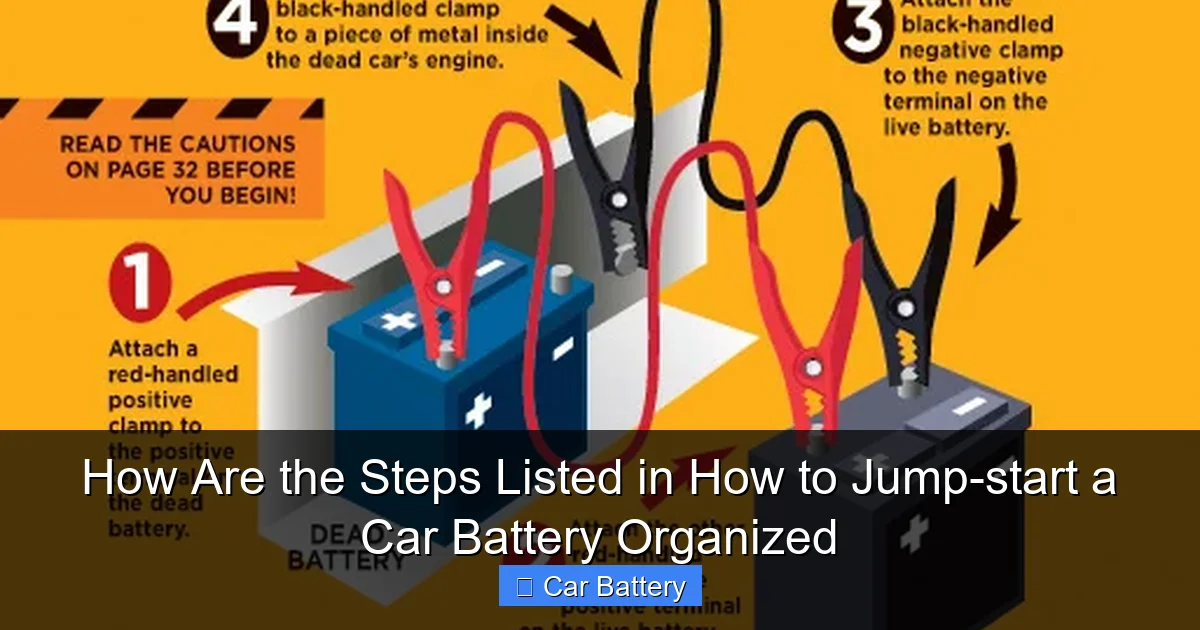
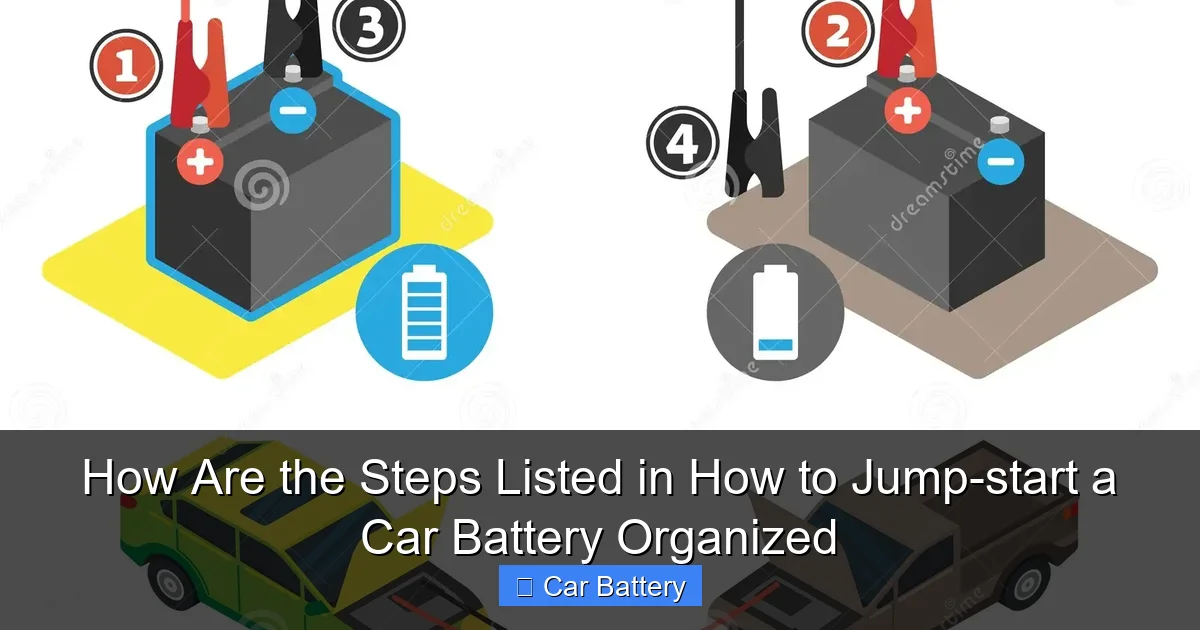
Connect Positive to Positive
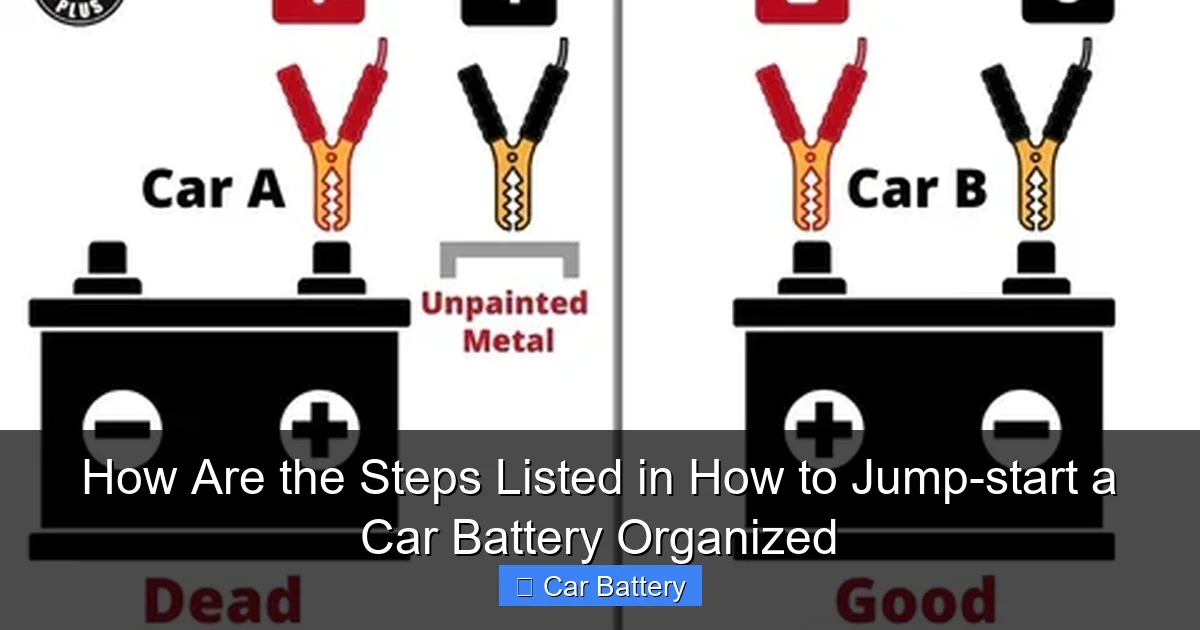
Start by attaching one red (positive) clamp to the positive terminal of the dead battery. Then, connect the other red clamp to the positive terminal of the good battery. This establishes the primary electrical path. Always connect the positive terminals first because they carry the main current load.
Connect Negative to Ground (Not the Dead Battery)
Here’s where many people make a mistake. The next step is to connect the black (negative) clamp to the negative terminal of the good battery. But instead of attaching the final black clamp to the negative terminal of the dead battery, you should connect it to an unpainted metal surface on the dead car’s engine block or chassis—like a bolt or bracket. This is called grounding.
Why ground instead of connecting directly to the dead battery? Because when the final connection is made, a small spark is normal. By grounding to the engine block, you keep that spark away from the battery, reducing the chance of igniting hydrogen gas. It’s a small detail with a big safety payoff.
Double-Check All Connections
Before starting either engine, make sure all four clamps are secure and not touching each other. Loose connections can cause arcing, overheating, or failure to transfer power. A quick visual and physical check ensures everything is in place.
Step 3: Starting the Vehicles and Allowing Charge Time
With the cables properly connected, the next phase is to start the vehicles and allow the dead battery to recharge. This step requires patience and attention to timing.
Visual guide about How Are the Steps Listed in How to Jump-start a Car Battery Organized
Image source: cdn.shopify.com
Start the Donor Vehicle First
Turn on the engine of the donor car and let it run for a few minutes. This allows the alternator to begin charging the dead battery through the jumper cables. Keep the engine at a moderate idle—around 1,500 to 2,000 RPM—to provide a steady flow of current.
Wait Before Attempting to Start the Dead Car
After 3 to 5 minutes, try starting the dead car. If it doesn’t start immediately, wait another few minutes and try again. Sometimes, especially in cold weather or with a deeply discharged battery, it takes longer to build up enough charge. Avoid cranking the engine for more than 10 seconds at a time to prevent overheating the starter motor.
What If It Still Won’t Start?
If the car still doesn’t start after 10–15 minutes, there may be a deeper issue—like a faulty alternator, a bad starter, or a completely dead battery that can’t hold a charge. In such cases, jump-starting may not be enough, and professional assistance is recommended.
Let the Revived Car Run
Once the dead car starts, leave both engines running for another 5 to 10 minutes. This gives the alternator more time to recharge the battery. Avoid turning off the revived car immediately, as it may not start again if the battery hasn’t regained sufficient charge.
Step 4: Disconnecting the Cables Safely
After the dead car is running smoothly, it’s time to disconnect the jumper cables. Just like the connection phase, the disconnection order is crucial for safety.
Reverse the Connection Order
Remove the cables in the exact reverse order of how they were connected. Start by disconnecting the black (negative) clamp from the grounded metal surface on the previously dead car. Then, remove the black clamp from the negative terminal of the donor battery.
Remove Positive Clamps Last
Next, disconnect the red (positive) clamp from the donor battery’s positive terminal, and finally, remove the red clamp from the previously dead battery. This sequence prevents accidental short circuits and reduces the risk of sparks near the battery.
Store Cables Properly
Once disconnected, coil the jumper cables neatly and store them in your trunk or a designated compartment. Avoid letting the clamps dangle or touch each other, as this can cause a short if they come into contact with metal.
Step 5: Post-Jump Verification and Next Steps
Jump-starting isn’t over just because the car is running. The final step is to verify that the battery is functioning properly and determine what to do next.
Test the Battery’s Charge
After disconnecting the cables, let the revived car run for at least 15–20 minutes. This allows the alternator to fully recharge the battery. If the car runs smoothly and all electrical systems (lights, radio, AC) work normally, the jump-start was successful.
Drive the Vehicle
Take the car for a drive of at least 20–30 minutes. Driving helps the alternator generate more power and fully recharge the battery. Short trips or idling may not provide enough charge, especially if the battery was deeply discharged.
Check for Warning Lights
Pay attention to the dashboard. If the battery or charging system warning light comes on after the jump-start, it could indicate a problem with the alternator or voltage regulator. In such cases, have the vehicle inspected by a mechanic.
When to Replace the Battery
Even if the car starts, a jump-start doesn’t fix a failing battery. If the battery dies frequently, struggles to hold a charge, or is more than 3–5 years old, it’s likely time for a replacement. Modern batteries degrade over time, and repeated jump-starts can shorten their lifespan further.
Common Mistakes and How to Avoid Them
Even with a clear set of steps, mistakes happen. Knowing what to avoid can save you time, money, and potential danger.
Connecting Cables in the Wrong Order
Reversing the connection sequence—especially connecting negative to negative first—can cause sparks near the battery. Always follow the correct order: positive to positive, then negative to ground.
Touching Clamps Together
Never allow the red and black clamps to touch while connected to a live battery. This creates a direct short circuit, which can melt cables, damage electronics, or cause a fire.
Using Damaged Cables
Frayed or corroded cables reduce efficiency and increase risk. Always inspect your jumper cables before use and replace them if necessary.
Jump-Starting a Swollen or Leaking Battery
A bulging or leaking battery may be venting gas or at risk of explosion. Do not attempt to jump-start it. Call a professional or replace the battery immediately.
Leaving the Car Off Too Soon
Turning off the revived car too quickly can drain the battery again. Always allow sufficient charging time before shutting off the engine.
Conclusion
Jump-starting a car battery is a practical skill every driver should know, but it’s not just about connecting cables and hoping for the best. The steps are carefully organized to prioritize safety, ensure proper electrical flow, and protect both vehicles involved. From preparing the environment and inspecting equipment to following the correct connection and disconnection sequence, each step plays a vital role in the process.
By understanding how these steps are structured, you’re not just learning a procedure—you’re gaining the confidence to handle a common roadside emergency with calm and competence. Remember, when in doubt, consult your owner’s manual or seek professional help. And always keep a set of quality jumper cables in your car, along with safety gear, so you’re ready when the unexpected happens. With the right knowledge and preparation, a dead battery doesn’t have to ruin your day.
Frequently Asked Questions
Can you jump-start a car in the rain?
Yes, you can jump-start a car in the rain, but extra caution is needed. Water increases the risk of electrical shock, so avoid standing in puddles and keep the battery area as dry as possible. Use insulated gloves and ensure cables don’t lie in water.
How long should you let a car run after jump-starting?
Let the car run for at least 15–20 minutes after jump-starting to allow the alternator to recharge the battery. For best results, drive the vehicle for 30 minutes or more to ensure a full charge.
Can you jump-start a car with a completely dead battery?
Yes, but it may take longer to charge. If the battery is old or damaged, it might not hold a charge even after jump-starting. In such cases, replacement is often necessary.
Is it safe to jump-start a modern car with electronics?
Yes, but be extra careful. Modern vehicles have sensitive electronics. Use quality jumper cables and follow the correct sequence to avoid voltage spikes. Some cars have designated jump points—check your manual.
What if the car starts but dies again immediately?
This usually indicates a faulty alternator or a battery that can’t hold a charge. The alternator may not be recharging the battery while driving, or the battery itself may be beyond repair.
Can you use a portable jump starter instead of another car?
Yes, portable jump starters are a convenient alternative. They work similarly but don’t require a second vehicle. Follow the manufacturer’s instructions and ensure the device is fully charged before use.