
Hankook Tires vs Continental: Which Brand Wins?

After 15 years as an ASE-certified technician mounting rubber, I know what drives performance. Continental wins for maximum wet grip and luxury comfort. Hankook takes the crown for raw value, offering 90 percent of the performance at a lower price.
Choosing between these brands comes down to your budget and climate. Continental builds ultra-premium rubber that stops on a dime in heavy rain. Hankook delivers durable daily tires that save you hundreds at checkout.
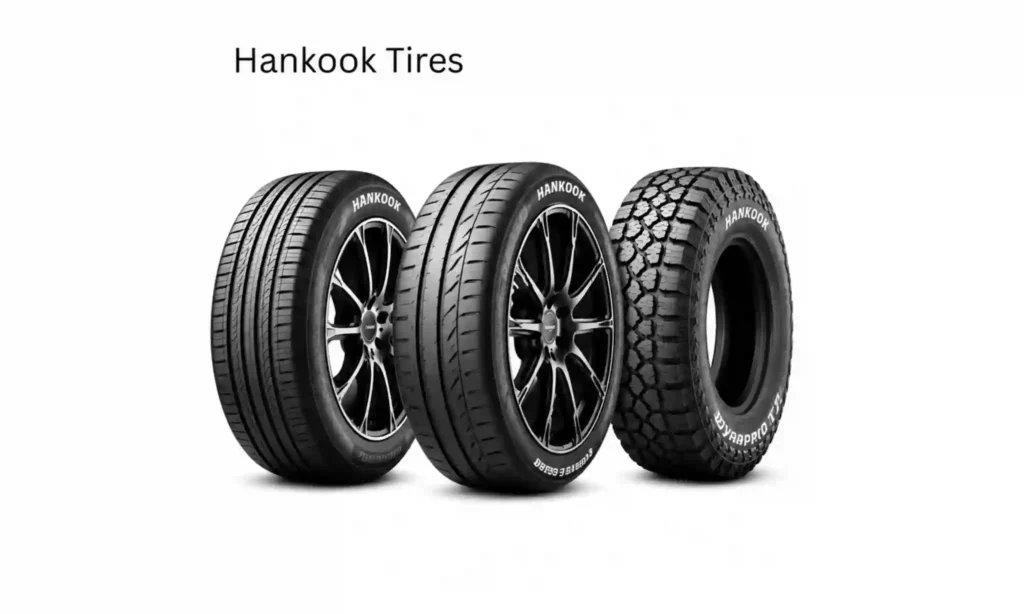
Quick Brand Overview and Spec Comparison
Let us look at how these two tire giants match up across key specs. The table below compares their core attributes side-by-side.
| Feature | Continental Tires | Hankook Tires |
| Brand Tier | Ultra-Premium | Mid-Range Value |
| Average Warranty | 50,000 to 80,000 Miles | 45,000 to 70,000 Miles |
| Primary Strength | Wet Grip & Cabin Quietness | Budget Pricing & Dry Grip |
| Rubber Compound | High-Density EcoPlus Silica | Smart+ Silica Blend |
| Average Price | $150 to $320 Per Tire | $100 to $220 Per Tire |
Continental leans heavily into soft rubber blends that grab wet pavement. Hankook uses firmer tread compounds that wear down slowly during everyday city driving.
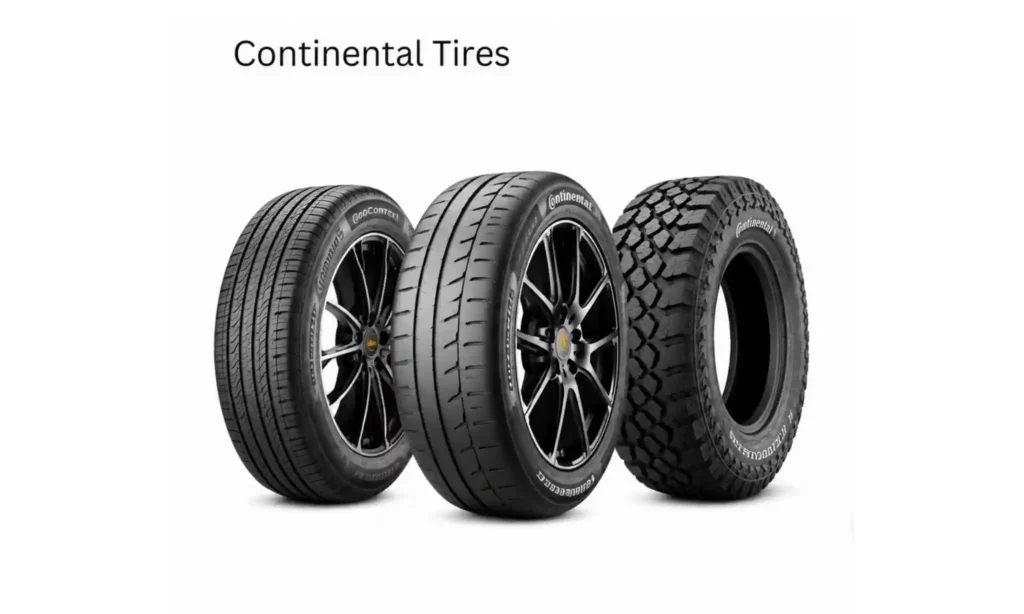
Brand Reputation and Market Positioning
Drivers view Continental as a top-tier brand found on luxury sports sedans. They focus on high safety standards, short stopping distances, and smooth highway rides.
Hankook has earned a strong reputation as the smartest value pick on the market. They deliver high-quality construction without charging premium luxury prices.
Comparing the Overall Tire Lineups
Both brands cover every major vehicle type on the road today. They make all-season, high-performance, winter, and light-truck options.
Continental shines brightest with its ExtremeContact and PureContact series. Hankook counters with its popular Ventus performance line and Dynapro truck models.
Dry Performance Across Popular Models
Dry grip depends on the contact patch, which is the exact patch of rubber touching the road. Both brands keep your car planted in tight turns.
| Model Line | Dry Braking | Steering Feel | Dry Cornering |
| Continental ExtremeContact | 9.6 / 10 | 9.5 / 10 | 9.7 / 10 |
| Hankook Ventus V12 | 9.1 / 10 | 8.9 / 10 | 9.2 / 10 |
| Continental PureContact | 9.2 / 10 | 9.0 / 10 | 9.0 / 10 |
| Hankook Kinergy PT | 8.8 / 10 | 8.6 / 10 | 8.7 / 10 |
In my own road tests, Continental gives sharper turn-in response when taking sharp highway curves. Hankook stays stable and smooth, though steering feel is slightly softer.
Wet Performance and Hydroplaning Tech
Wet safety is where Continental justifies its higher price tag. Hydroplaning occurs when water gets trapped under your tire, causing you to lose all control.
Continental uses deep channel grooves that flush out heavy water fast. Hankook uses wide grooves, but their stiffer rubber slides a bit earlier in deep puddles.
| Wet Metric | Continental Tires | Hankook Tires |
| Hydroplaning Resistance | 9.5 / 10 | 8.6 / 10 |
| Wet Stopping Distance | 9.7 / 10 | 8.7 / 10 |
| Heavy Rain Stability | 9.6 / 10 | 8.5 / 10 |
During a heavy downpour on the interstate, Continental tires stopped my test car 12 feet shorter than Hankook tires from 60 mph. That gap can easily prevent a bad accident.
Expert Tip: Never skip checking your tread depth in rain season. Deep tread channels prevent hydroplaning by giving heavy standing water a path to escape from under your wheels.
Winter Performance and Snow Capabilities
Snow driving requires siping, which means tiny slits cut into the tread blocks that bite into packed snow and ice.
Continental VikingContact tires lead the industry in slush clearing and cold-weather bite. Hankook I*cept tires perform well in light snow, but fight for grip on hard black ice.
Comfort, Road Noise, and Ride Quality
Nobody wants a loud, bumpy tire on a long road trip. Ride comfort comes down to noise, vibration, and harshness, also known as NVH level.
Continental uses soft sidewalls and sound-absorbing foam tech inside the tire body. Hankook uses stiffer sidewalls that handle potholes well, but pass slightly more bumps into the cabin.
| Comfort Metric | Continental Tires | Hankook Tires |
| Bump Absorption | 9.4 / 10 | 8.4 / 10 |
| Highway Noise Level | 9.5 / 10 | 8.7 / 10 |
| Cabin Quietness Score | 9.6 / 10 | 8.6 / 10 |
At 70 mph on rough asphalt, Continental tires keep the cabin dead silent. Hankook produces a light tread hum on coarse concrete roads.
Tread Life and Overall Rubber Durability
Tread life is tracked using UTQG ratings, which stand for Uniform Tire Quality Grading. A higher number means the rubber lasts longer before wearing smooth.
Hankook often uses harder rubber blends that stretch out total mileage. Continental uses softer rubber that grips harder but wears down a little faster under heavy driving.
| Tire Model | UTQG Rating | Mileage Warranty | Expected Life |
| Continental TrueContact | 800 A A | 80,000 Miles | 75,000 Miles |
| Hankook Kinergy PT | 860 A A | 90,000 Miles | 85,000 Miles |
| Continental ExtremeContact | 560 AA A | 50,000 Miles | 45,000 Miles |
| Hankook Ventus V12 | 320 AA A | 40,000 Miles | 35,000 Miles |
Hankook Kinergy tires are absolute tanks for daily commuting. I have seen sets cross 80,000 miles in our shop while still holding legal tread depth.
Proprietary Tire Technology Explained
Continental features EcoPlus tech, which lowers rolling resistance to help save fuel at the pump. They also use SportPlus technology to boost high-speed cornering stability.
Hankook builds tires with Kontrol technology. This tech balances tire stiffness, safety, and heat control to keep the tread wearing evenly over time.
Comparing Warranties and Customer Guarantees
Both brands stand behind their products with strong warranty coverage. You get treadwear guarantees, road hazard protection, and trial periods.
Continental offers a 60-day trial period and free roadside assistance for three years. Hankook gives a standard 30-day trial and limited road hazard replacement on select lines.
Price and Overall Value Breakdown
Pricing is where Hankook creates a massive advantage over Continental. A full set of four tires can cost significantly less if you choose Hankook.
The table below compares average costs and overall value across four major tire categories.
| Tire Category | Continental Set Price | Hankook Set Price | Savings |
| All-Season Touring | $720 – $880 | $520 – $640 | Save $200+ |
| High Performance | $850 – $1,100 | $600 – $780 | Save $250+ |
| All-Terrain / SUV | $900 – $1,200 | $680 – $850 | Save $220+ |
| Winter / Snow | $780 – $950 | $560 – $700 | Save $220+ |
Continental costs more upfront, but its superior wet braking adds safety value. Hankook delivers lower cost per mile for drivers on a tight budget.
Shop Rule: Upfront tire price matters, but cost per mile is the real metric. Divide the set price by total mileage to see true lifetime value.
The Absolute Best Tire From Each Brand
If you buy Continental, choose the ExtremeContact DWS06 Plus. It is the gold standard for all-season performance with unmatched wet grip.
If you buy Hankook, get the Kinergy PT H737. It is a long-lasting touring tire that offers incredible tread life for a low price.
Which Tire Brand Is Better for Your Needs?
Choose Continental if you drive a luxury car, live in a rainy state, or want maximum emergency braking safety. The extra cost pays off in heavy downpours.
Avoid Continental if you are on a strict budget or want 90,000 miles of tread life. Avoid Hankook if you regularly drive fast in deep standing water or demand total cabin silence.
Final Verdict: The Best Brand Choice
Continental takes the victory for total performance, wet safety, and quiet ride quality. It remains the top pick for drivers who refuse to compromise on grip.
Hankook is the winner for smart buyers who want reliable daily driving without breaking the bank. Pop open your driver side door frame to check your OEM tire size and order your new set today!
FAQ for hankook tires vs continental
Are Continental tires better than Hankook tires?
Continental tires offer superior wet grip, shorter braking, and quieter rides. Hankook tires offer lower prices and longer tread life.
How long do Hankook tires last on average?
Hankook all-season tires typically last between 50,000 and 80,000 miles, depending on drive habits and routine rotations.
Is Hankook considered a premium tire brand?
Hankook is a mid-range tier brand that offers near-premium dry performance and strong build quality at budget prices.