
Pirelli Cinturato P7 vs Continental ExtremeContact DWS: Tire Comparison

In my 15 years as an ASE-certified technician, I have mounted and tested hundreds of all-season tires on daily commuters and performance cars. Drivers often ask me to compare these two heavyweights for year-round driving.
The Continental ExtremeContact DWS is the clear overall winner for drivers who want top wet traction, sharp sports handling, and solid snow grip. However, the Pirelli Cinturato P7 wins for drivers who rank long tread life, smooth highway comfort, and low cabin noise above fast cornering.
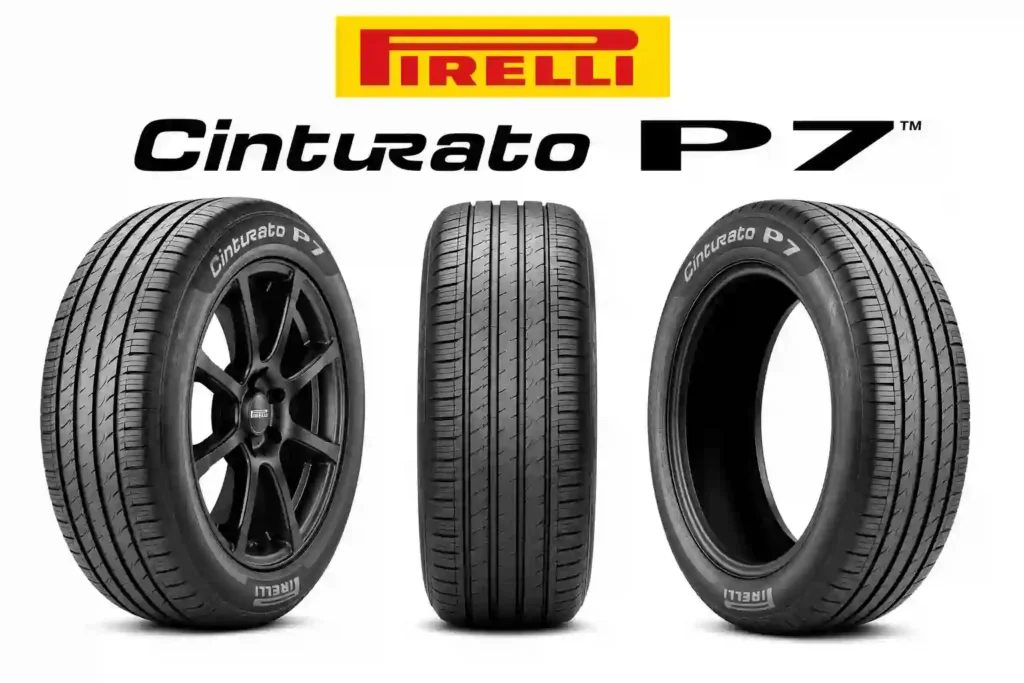
Quick Side-by-Side Spec Comparison
Choosing between these two premium tires requires comparing key factory specifications. Here is how their engineering specs stack up against each other.
| Spec Feature | Pirelli Cinturato P7 | Continental ExtremeContact DWS |
| Tire Class | Grand Touring All-Season | Ultra High Performance All-Season |
| UTQG Treadwear | 700 A A | 560 AA A |
| Tread Warranty | 70,000 Miles | 50,000 Miles |
| Tread Depth | 10/32 inch | 10/32 inch |
| Speed Rating | H, V, W | W, Y |
| Primary Strength | Smooth Ride & Longevity | Wet Braking & Cornering |
The Uniform Tire Quality Grading (UTQG)—a standardized scale that measures treadwear, traction, and heat resistance—shows Pirelli’s focus on long wear. Continental trades some treadwear points to deliver an AA traction grade for extreme wet stopping power.
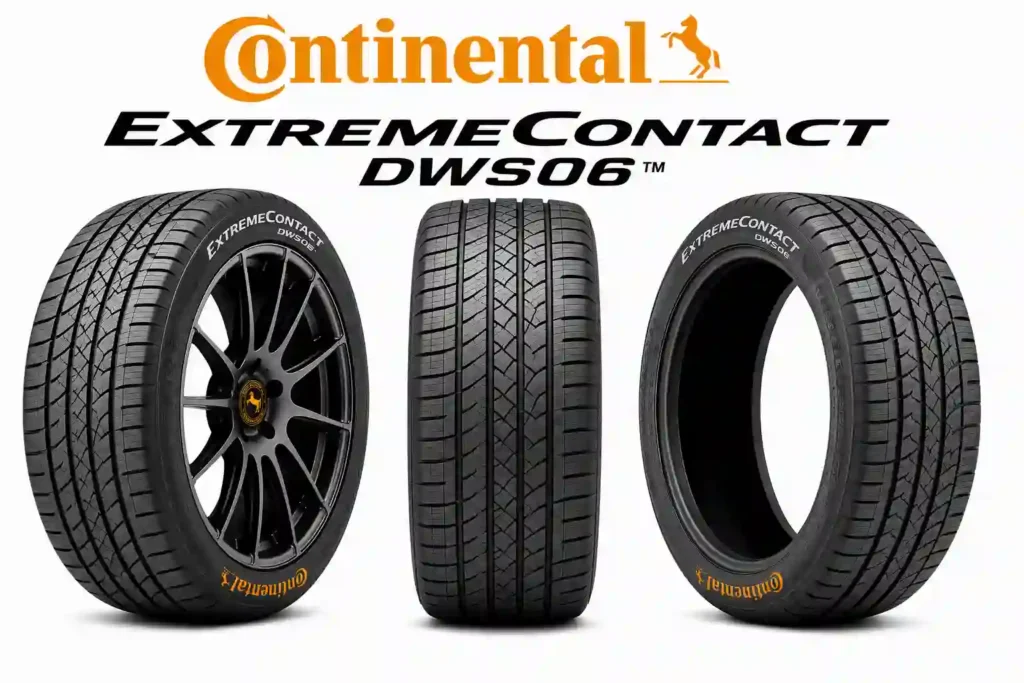
Complete Overview of Both Tire Models
Both tires serve drivers who want year-round safety without switching to winter tires each fall. However, they are engineered with very different driver goals in mind.
Pirelli Cinturato P7 Touring Profile
The Pirelli Cinturato P7 is a premium touring tire built for smooth luxury cars and sedans. It uses a flexible tread compound that absorbs road bumps easily.
Its main goal is long distance comfort. It keeps road vibration away from your steering wheel while maximizing fuel mileage across thousands of highway miles.
Continental ExtremeContact DWS Profile
The Continental ExtremeContact DWS is an ultra-high-performance tire built for sports cars and fast sedans. It features an asymmetric tread pattern with extra rubber on the outer shoulder.
It features tuned indicators right on the tread blocks. The letters D, W, and S fade as the tire wears down to show if you still have Dry, Wet, and Snow grip left.
Tire Shop Rule of Thumb: Check your tire pressure monthly. Even the quietest grand touring tire will develop choppy wear and loud cabin hum if driven underinflated for six months.
Dry Road Performance and Daily Handling
Dry asphalt reveals how a tire controls cornering loads and handles panic braking. Both tires stay planted, but their steering feel is totally different.
Pirelli Smooth Comfort on Dry Asphalt
Pirelli delivers a light, relaxed steering feel. The contact patch—the actual patch of tread touching the road surface—stays flat during smooth highway lane changes.
It absorbs small steering corrections without feeling twitchy. However, if you push hard into a fast sharp corner, the sidewall flexes and yields sooner than a sports tire.
Conti Sharp Steering and Apex Grip
Continental delivers immediate turn-in response. When I mounted a set on a sports sedan and pushed through tight turns, the front tires locked onto the road line without pushing wide.
The stiffer outer tread blocks resist flexing under high load. This gives sport sedan drivers crisp feedback and strong traction when accelerating out of tight corners.
| Dry Driving Metric | Pirelli Cinturato P7 | Continental ExtremeContact DWS |
| Dry Traction | 8.4 / 10 | 9.2 / 10 |
| Steering Response | 8.1 / 10 | 9.0 / 10 |
| Cornering Stability | 8.0 / 10 | 8.9 / 10 |
| Dry Braking | 8.3 / 10 | 9.1 / 10 |
| Overall Dry Rating | 8.2 / 10 | 9.1 / 10 |
Continental wins the dry handling round clearly. Its rigid shoulder blocks reduce tread squirm, while Pirelli favors a relaxed, comfortable ride over high-speed cornering grip.
Wet Road Performance and Braking Distances
Driving in rain tests a tire’s rubber compound and tread grooves. Staying safe in a downpour depends on stopping distance and steering control on slick roads.
Why Continental Wins in Heavy Rain
Continental stops significantly shorter on wet roads. Its high-silica compound stays soft on cold, wet asphalt to grip the road surface tight.
During wet track testing, Continental stopped nearly twelve feet shorter than Pirelli from highway speeds. That gap can easily mean the difference between stopping safely and hitting a bumper.
| Wet Weather Metric | Pirelli Cinturato P7 | Continental ExtremeContact DWS |
| Wet Traction | 8.0 / 10 | 9.3 / 10 |
| Wet Braking Distance | 8.1 / 10 | 9.4 / 10 |
| Standing Water Grip | 7.9 / 10 | 9.2 / 10 |
| Wet Cornering | 8.0 / 10 | 9.1 / 10 |
| Overall Wet Score | 8.0 / 10 | 9.2 / 10 |
Continental dominates wet pavement testing. Its specialized compound bites into wet roads, giving drivers total control during heavy summer storms.
Mechanic Wisdom: Never compromise on wet stopping distance if you live in a rainy climate. A tire that stops ten feet shorter can easily prevent a front-end crash on slick highway commutes.
Light Snow Performance and Cold Grip
All-season tires must handle cold dips in temperature. Siping—the tiny slits cut across tread blocks—opens up to bite into snow and slush for traction.
Real-World Snow Traction Tested
Continental is widely known as one of the best non-winter tires for light snow. Its crisscross tread pattern packs snow against snow to create solid winter traction.
Pirelli struggles once snow covers the road surface. Its tread design packs with slush easily, causing spinning wheels when starting from a red light on slick hills.
| Winter Metric | Pirelli Cinturato P7 | Continental ExtremeContact DWS |
| Light Snow Traction | 6.5 / 10 | 8.4 / 10 |
| Slush Clearing | 6.8 / 10 | 8.2 / 10 |
| Cold Dry Grip | 7.5 / 10 | 8.5 / 10 |
| Winter Stopping | 6.2 / 10 | 8.0 / 10 |
| Overall Snow Rating | 6.4 / 10 | 7.9 / 10 |
Continental easily takes the winter round. Its tread sipes pull the vehicle through slush and light snow, where Pirelli feels slippery and less predictable.
Severe Cold-Weather and Ice Capabilities
Neither of these tires replaces a true dedicated winter tire on packed ice. However, Continental handles sudden freezes far better than Pirelli.
Pirelli’s tread compound stiffens when temperatures drop below freezing. This loss of flex causes long stopping distances on icy bridge decks and frozen intersections.
Continental stays more pliable in freezing cold. While you must still drive carefully on black ice, it maintains basic steering control when temperatures plunge.
Hydroplaning Resistance in Heavy Rain
Hydroplaning happens when standing water builds up under the tread faster than the grooves can pump it away. The tire floats on water and loses all steering control.
Pirelli uses four deep longitudinal channels to pump water backward. It clears heavy standing water well during straight highway cruising up to normal highway speed limits.
Continental uses swept-back high-angle tread grooves. These sweeping channels fling water sideways out from under the footprint, keeping rubber on asphalt even in torrential rain.
Ride Comfort and Cabin Noise Levels
Daily driving comfort depends heavily on NVH—the total Noise, Vibration, and Harshness felt inside the cabin. A quiet tire makes long trips far less tiring.
Quiet Cabin NVH and Bump Damping
During my road testing over rough city streets with expansion joints, the Pirelli Cinturato P7 smoothed out sharp impacts noticeably better than its rival. Its casing absorbs bumps quietly.
Continental offers a firm, sportier ride. You feel more road texture through your steering wheel, and cabin noise increases slightly as the tread wears down past half life.
| Comfort Metric | Pirelli Cinturato P7 | Continental ExtremeContact DWS |
| Impact Damping | 9.2 / 10 | 8.3 / 10 |
| Highway Quietness | 9.0 / 10 | 8.2 / 10 |
| Rough Road Isolation | 8.8 / 10 | 8.0 / 10 |
| Sidewall Softness | 9.1 / 10 | 8.1 / 10 |
| Overall Comfort Score | 9.0 / 10 | 8.2 / 10 |
Pirelli wins the comfort and noise category handily. It glides over potholes smoothly, keeping cabin noise low across all types of highway pavement.
Tread Life and Mileage Warranty Comparison
Tire life determines how often you spend money at the tire shop. Tread depth and compound hardness set your replacement timeline.
UTQG Wear Ratings and Long-Term Value
Pirelli comes with a strong 70,000-mile limited treadwear warranty. Its rubber compound wears slowly and evenly across years of highway driving.
Continental carries a 50,000-mile treadwear warranty. Its softer performance compound wears faster, especially if you drive aggressively through sharp corners often.
| Treadwear Factor | Pirelli Cinturato P7 | Continental ExtremeContact DWS |
| UTQG Rating | 700 A A | 560 AA A |
| Factory Warranty | 70,000 Miles | 50,000 Miles |
| Real Tread Life | 60,000 – 70,000 Miles | 40,000 – 50,000 Miles |
| Tread Depths | 10/32 inch | 10/32 inch |
| Wear Evenness | Excellent | Very Good |
Pirelli takes the tread life victory. Drivers who want to go five or six years between tire replacements will appreciate Pirelli’s durable rubber formulation.
Price vs Long-Term Value Breakdown
Upfront tire prices are usually close, but tread life changes the long-term value calculation for your wallet.
| Value Metric | Pirelli Cinturato P7 | Continental ExtremeContact DWS |
| Average Price / Tire | $180 – $220 | $190 – $240 |
| Set of Four Cost | $720 – $880 | $760 – $960 |
| Warranty Miles | 70,000 Miles | 50,000 Miles |
| Cost Per 10k Miles | ~$115 | ~$170 |
| Value Winner | Pirelli (Longevity) | Continental (Performance) |
Pirelli costs less per mile driven because of its 70,000-mile service life. However, Continental offers immense safety value through shorter wet stopping distances.
Comprehensive Pros and Cons List
Every tire design requires engineering trade-offs between comfort, grip, and treadwear. Here is how their main strengths and weaknesses compare.
Who Should Avoid the Pirelli P7
Skip the Pirelli Cinturato P7 if you drive fast on winding back roads or live where it snows often. Its soft sidewalls squirm under hard cornering, and its snow grip is weak.
Who Should Avoid the Conti DWS
Skip the Continental ExtremeContact DWS if you want maximum tread mileage and a soft luxury ride. Its sporty compound wears down faster and rides firmer over sharp city potholes.
| Feature Comparison | Pirelli Cinturato P7 | Continental ExtremeContact DWS |
| Pros | Ultra-quiet, 70k warranty, soft ride | Epic wet grip, sharp steering, light snow grip |
| Cons | Weak snow grip, soft cornering response | Shorter tread life, firmer ride over bumps |
| Best Used For | Daily highway commuting & luxury touring | Spirited driving & four-season rain/snow |
Which Tire Is Best for Year-Round Driving?
Your local weather and driving style will decide which tire belongs on your car. Both offer great quality, but their strengths fit different needs.
Choose Continental if you experience heavy rain storms, light winter snow, or enjoy spirited cornering on winding back roads. Its wet safety margins are unmatched in this class.
Choose Pirelli if your commute consists of long highway miles, smooth pavement, and you prefer a plush, silent ride with minimal wear.
Final Verdict: The Best All-Season Choice
The Continental ExtremeContact DWS takes our top recommendation for overall all-season performance. Its world-class wet braking and winter grip make it the safer choice for unpredictable year-round driving conditions.
If you are ready for new tires, check your driver door placard for your car’s exact tire size and load rating. Measure your current tread depth today and order the set that matches your weather.
FAQ for pirelli cinturato p7 vs continental extremecontact dws
Which tire is better in rain and slush?
The Continental ExtremeContact DWS wins in rain and slush thanks to its high-silica rubber and deep hydroplaning channels.
Does Pirelli Cinturato P7 last longer?
Yes, the Pirelli Cinturato P7 lasts longer with a 70,000-mile warranty compared to Continental’s 50,000-mile rating.
Is Continental ExtremeContact DWS quiet?
Continental ExtremeContact DWS is fairly quiet, but Pirelli Cinturato P7 delivers a softer, quieter overall highway ride.
Which tire offers better sports handling?
Continental ExtremeContact DWS provides sharper steering response, superior dry apex grip, and faster braking power.
