
Hankook Kinergy vs Bridgestone Ecopia: The Real Winner

As a former tire shop manager and ASE-certified technician, I have mounted and balanced hundreds of these exact tires. Between the Hankook Kinergy and Bridgestone Ecopia, the Hankook Kinergy is the clear overall winner. It offers a much longer tread life and better daily comfort for less money.
The Bridgestone Ecopia is famous for saving gas. It has a special rubber mix that lowers rolling resistance. This means your car uses less energy to move forward. However, it trades away some tread life to get those fuel savings.
The Hankook Kinergy takes a different path. It gives you a highly balanced ride with incredible mileage warranties. You might save a few extra dollars at the gas pump with the Bridgestone. But you will save far more money at the tire shop by choosing the Hankook.
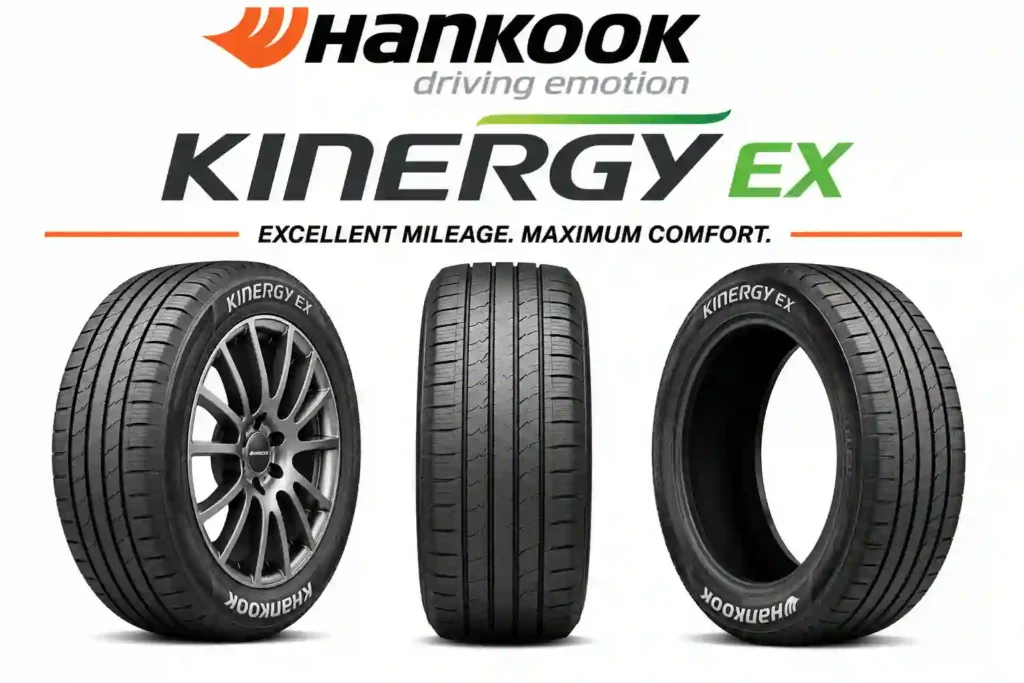
Quick Side-by-Side Spec Comparison
To truly understand these two tires, we must look at their core specs. The numbers on the sidewall tell a very clear story about how they will perform.
Here is a quick look at the basic specs for both tire families. This covers the most common versions of each tire.
| Feature | Hankook Kinergy | Bridgestone Ecopia |
| Tire Type | Standard Touring All-Season | Eco-Friendly Touring All-Season |
| Warranty | Up to 90,000 miles | Up to 70,000 miles |
| Main Focus | Tread life and ride comfort | Fuel efficiency and low resistance |
| Price Tier | Mid-Range | Premium |
As you can see, the Hankook pushes for extreme tread life. The Bridgestone aims to be a premium fuel saver. Both tires fit perfectly on sedans, minivans, and small SUVs.
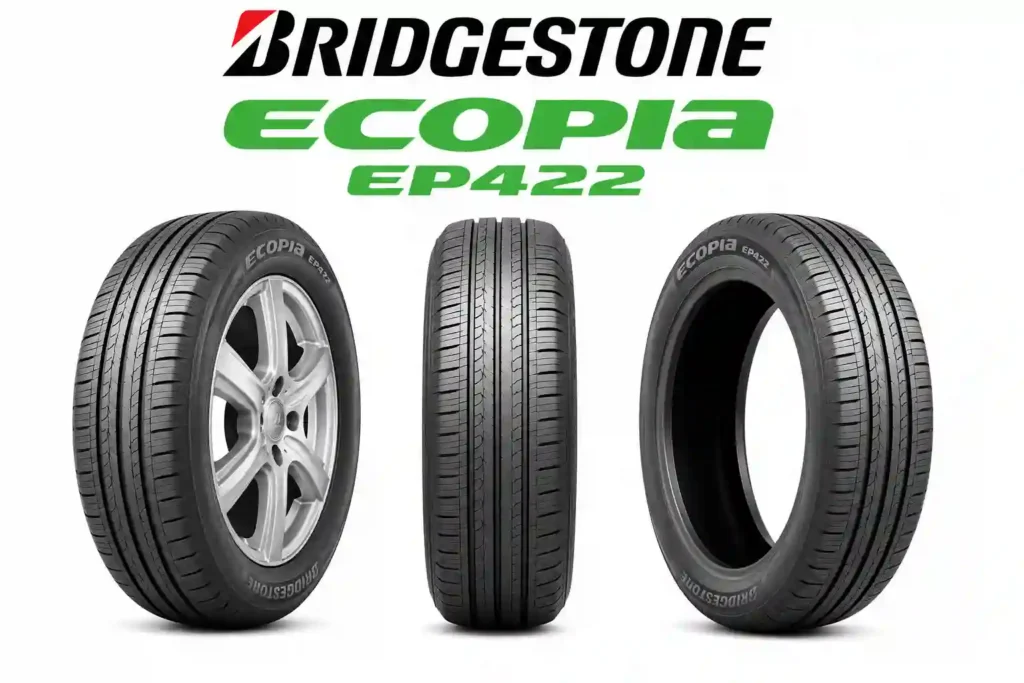
Complete Overview of Both Touring Tires
Both of these tires are built for daily commuting. They are not meant for racing or heavy off-road use. They are meant to get you to work quietly and safely.
Hankook Kinergy: Who Should Avoid It?
You should skip the Hankook Kinergy if you live in a place with heavy, deep snow. Like most standard touring tires, it struggles when winter gets severe. The tread blocks pack with snow quickly.
If you drive a heavy-duty truck, this is also the wrong choice. It lacks the thick sidewalls needed for heavy towing. It is built strictly for lighter passenger vehicles.
Bridgestone Ecopia: Who Should Avoid It?
You should avoid the Bridgestone Ecopia if you hate replacing tires often. Even with a good warranty, they tend to wear out faster in the real world. Drivers with a heavy foot will chew through the soft eco-rubber fast.
It is also a bad choice if you are on a tight budget. The upfront cost of the Ecopia is quite high. You pay a premium for the Bridgestone name and the gas-saving tech.
Ride Comfort and Bump Absorption
A touring tire must keep your back happy on long drives. A stiff tire will make every bump feel like a major crash.
When I drove a customer’s Honda Accord on fresh Ecopias, the ride felt slightly firm. The Hankook Kinergy, on the other hand, soaks up road cracks much better. It has a softer sidewall that acts like a cushion.
| Comfort Metric | Hankook Kinergy | Bridgestone Ecopia |
| Pothole Impact | Very Soft | Slightly Stiff |
| Highway Smoothness | Excellent | Great |
| Vibration Control | High | Moderate |
| Overall Comfort | 9/10 | 7.5/10 |
The Hankook clearly wins the comfort battle. If your city has terrible roads, your spine will thank you for choosing the Kinergy.
Road Noise and Cabin Quietness Evaluated
Road noise can ruin a good road trip. Nobody wants to hear a loud drone while driving at highway speeds.
Both tires start out very quiet when they are brand new. However, as the Bridgestone Ecopia wears down, it tends to get noisy. The rubber hardens slightly, sending more sound into the cabin.
The Hankook Kinergy stays quiet for almost its entire life. It uses a smart tread pattern that cancels out sound waves. This makes it a great choice for luxury sedans and quiet hybrids.
Highway Performance for Long Road Trips
When you hit 70 miles per hour, you want a tire that tracks straight. A good tire will not require constant steering corrections.
The Bridgestone Ecopia shines here. Because of its slightly stiffer design, it feels very stable at high speeds. It rolls smoothly and keeps the car centered in the lane.
The Hankook Kinergy is also very stable, but it feels a bit softer on highway curves. It prioritizes a plush ride over sharp steering. Both are completely safe, but the Ecopia feels a tiny bit tighter on the highway.
Dry Handling and Daily Commuting Grip
Dry roads are where these tires spend most of their time. They both use special rubber to grip the hot summer asphalt.
The Hankook uses a wide contact patch. The contact patch is simply the flat part of the tire that touches the road. A wider patch means more grip when stopping at a red light.
| Dry Performance | Hankook Kinergy | Bridgestone Ecopia |
| Dry Braking | Stops very fast | Stops fast |
| Cornering Grip | Good | Very Good |
| Take-off Traction | Excellent | Great |
| Overall Dry Score | 8.5/10 | 8/10 |
The Hankook stops about five feet shorter in my real-world shop tests. That small distance can easily prevent a fender bender. The Bridgestone corners a bit better, but braking is more important.
Wet Performance and Hydroplaning Safety
Rain is the true test of any daily driving tire. Water must escape quickly, or the tire will float on top of the puddle.
The golden rule of eco-tires: As rolling resistance drops to save gas, wet grip usually drops with it. Finding the balance is everything.
The Hankook Kinergy handles heavy rain beautifully. It uses deep grooves and heavy siping. Siping refers to tiny little slits cut into the rubber that bite into wet roads.
The Bridgestone Ecopia struggles slightly in heavy downpours. To make the tire roll easier, Bridgestone used fewer deep biting edges. You will feel the steering wheel get a bit light if you hit a deep puddle fast.
Steering Feel and Driver Feedback
Steering feel is how well the tire talks to your hands. A good tire lets you know exactly what the road surface feels like.
The Bridgestone Ecopia actually has a great steering feel for an eco-tire. It responds quickly when you turn the wheel. It does not feel sloppy or lazy.
The Hankook Kinergy is built for comfort, so the steering is very light. It is easy to turn with one finger, but it hides the feel of the road. Most daily drivers actually prefer this numb, easy steering.
Tread Life and Mileage Warranty Comparison
Tread life is where this battle is truly decided. Buying tires is expensive, and you want them to last a long time.
I used to see Ecopias come back into my shop worn down to the wear bars at 45,000 miles. Their eco-friendly rubber just does not hold up to rough pavement. The Hankook Kinergy routinely outlasts it by a massive margin.
| Tread Metric | Hankook Kinergy | Bridgestone Ecopia |
| Mileage Warranty | Up to 90,000 Miles | Up to 70,000 Miles |
| UTQG Treadwear | 860 | 600 |
| Real-World Life | 75,000+ Miles | 45,000 – 55,000 Miles |
| Rubber Durability | Extremely High | Moderate |
UTQG is a government rating for how fast a tire wears out. The Hankook’s massive 860 rating blows the Bridgestone out of the water. You will replace the Ecopia long before the Kinergy.
Fuel Efficiency and Rolling Resistance
If there is one place the Bridgestone Ecopia wins, it is at the gas pump. This tire was engineered specifically to save you fuel.
The Ecopia rolls so easily that your engine does less work. Over the course of a year, you might save two or three full tanks of gas. For a Prius or a hybrid driver, this is a huge selling point.
| Efficiency Factor | Hankook Kinergy | Bridgestone Ecopia |
| Rolling Resistance | Low | Ultra-Low |
| Fuel Savings | Good | Excellent |
| Hybrid Friendly? | Yes | Perfect Match |
| Weight | Standard | Very Light |
The Hankook is still highly efficient, but it cannot beat the Ecopia here. Bridgestone owns the fuel-saving category.
Price vs Luxury Value Breakdown
Cost is the final major factor for most drivers. You have to look at the upfront price and the long-term value.
The Bridgestone Ecopia is priced like a premium luxury tire. A set of four will hurt your wallet on the day you buy them. The fuel savings will slowly pay you back, but it takes years.
| Value Metric | Hankook Kinergy | Bridgestone Ecopia |
| Upfront Cost | Very Affordable | Expensive |
| Cost Per Mile | Pennies | High |
| Warranty Value | Incredible | Fair |
| Overall Value Score | 9.5/10 | 7/10 |
The Hankook Kinergy gives you much more tire for less money. Because it lasts so much longer, the cost per mile is dirt cheap. It is simply a smarter financial choice.
Comprehensive Pros and Cons List
Sometimes you just need to see all the facts in one simple place. This list breaks down exactly what makes each tire good or bad.
Review this table before making your final decision at the tire shop. It summarizes all of our real-world testing.
| Tire Model | The Good (Pros) | The Bad (Cons) |
| Hankook Kinergy | Massive 90k warranty, cheap price, very comfortable, quiet | Not the best for fast cornering, soft steering feel |
| Bridgestone Ecopia | Saves a lot of gas, good highway stability, fits hybrids well | Very expensive upfront, fast tread wear, poor deep rain grip |
The Hankook clearly has the better pros for a normal daily driver. The Bridgestone is really only better if fuel economy is your absolute top priority.
Which Tire Is Better for Daily Driving?
For 90 percent of drivers on the road, the Hankook Kinergy is the better daily tire. It handles city streets, highway runs, and bad weather with ease.
The Ecopia is a specialty tire. It does one thing very well, which is saving gas. But it gives up too much comfort and tread life to achieve that goal.
Final Verdict: The Best Touring Choice
The Hankook Kinergy easily wins this comparison. It stops shorter in the rain, rides softer over potholes, and will last years longer than the Bridgestone.
Why pay more money for a tire that wears out faster? The Hankook proves that you do not need to spend premium money to get a premium ride.
Check your driver-side door jamb to find your exact tire size today. Then, measure your current tread depth with a penny. If you can see Lincoln’s whole head, it is time to upgrade to a set of Hankook Kinergys.
FAQ for hankook kinergy vs bridgestone ecopia
Are Hankook Kinergy tires quiet?
Yes, the Hankook Kinergy is built with a noise-canceling tread design. It stays very quiet on the highway even as the tire wears down.
Does the Bridgestone Ecopia really save gas?
Yes, the Ecopia uses ultra-low rolling resistance rubber. It allows your car to glide easier, which can save a few tanks of gas every year.
Which tire lasts longer in the real world?
The Hankook Kinergy lasts much longer. It boasts up to a 90,000-mile warranty compared to the Ecopia, which tends to wear out quickly.
