Does the Tesla Model Y Come with Tinted Windows?

Contents
- 1 Key Takeaways
- 2 📑 Table of Contents
- 3 The Factory Glass Reality: What Tesla Actually Provides
- 4 Aftermarket Tinting: Your Options and Considerations
- 5 The Legal Landscape: Understanding Tint Laws
- 6 Cost Breakdown: Budgeting for Your Model Y Tint
- 7 The Installation Process: Professional vs. DIY
- 8 Beyond Privacy: Other Benefits of Tinted Windows
- 9 Wraps: An Alternative to Traditional Tint?
- 10 Frequently Asked Questions

Car Wireless Charger Mount

Car Ambient Light Kit
Car Phone Holder

Steering Wheel Cover
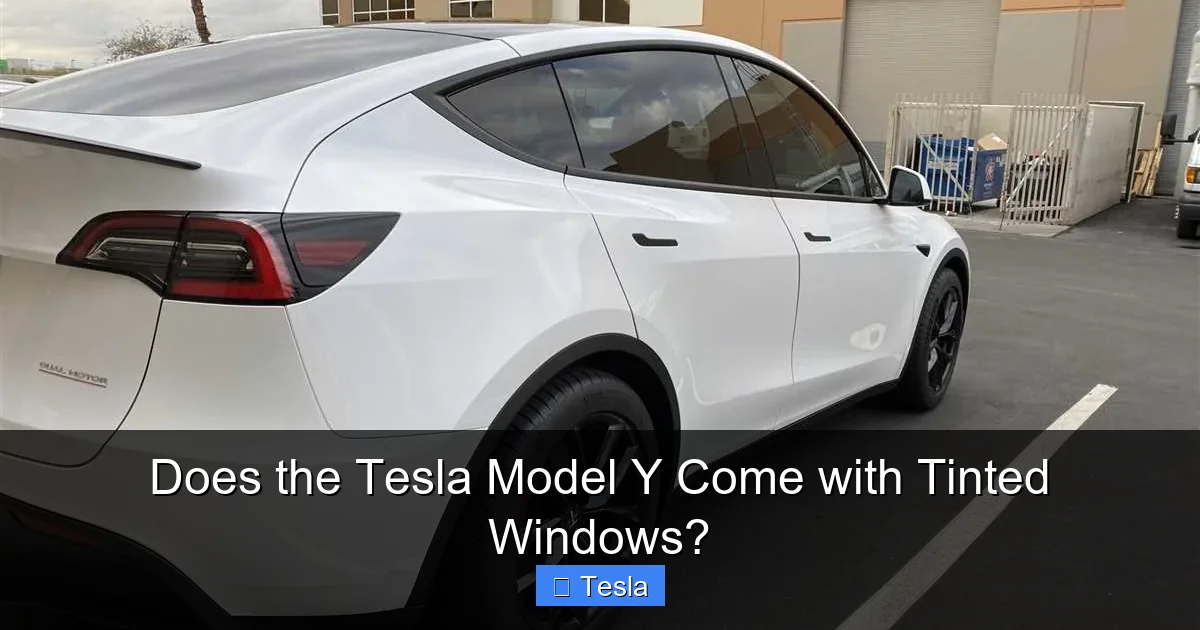
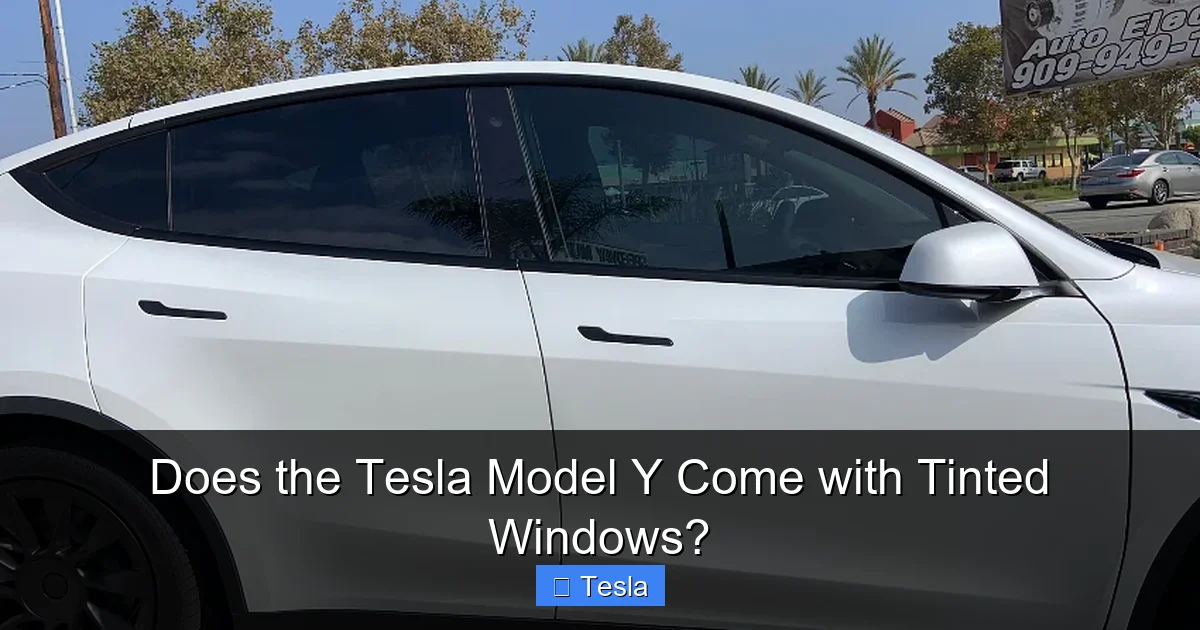
No, the Tesla Model Y does not come from the factory with tinted windows. All Model Ys are equipped with standard, clear glass that includes UV protection but offers no privacy or heat rejection from tinting. Adding aftermarket tint is a very popular and common owner modification to enhance privacy, reduce cabin heat, and protect interiors from sun damage. Professional installation is strongly recommended to ensure compliance with state window tint laws and to preserve the vehicle’s advanced electronics and sensors.
So, you’re eyeing a shiny new Tesla Model Y, or maybe you just picked one up. You love the sleek, minimalist design, the instant torque, and the tech-forward cabin. But then you sit inside on a sunny day and feel it—that powerful, unfiltered California sun baking the interior. Your first thought might be, “Does this come with tinted windows?” It’s a logical question. After all, many new cars, especially SUVs, often offer privacy glass as a standard or optional feature. You want that cool, shaded cabin, the increased privacy, and the reduced glare. Let’s clear the air completely and definitively about the Tesla Model Y and its window tint situation.
The short answer is a simple no. The Tesla Model Y does not come with factory-tinted windows. There is no “tint package” you can select when configuring your vehicle on Tesla’s website. Every Model Y rolls off the production line with clear, untinted glass from the factory. This is a point of consistent curiosity and sometimes frustration for new owners, so let’s dive deep into what Tesla *does* provide, why they make this choice, and exactly what your options are for getting the tinted windows you want.
Key Takeaways
- Factory Glass is Clear: Every Tesla Model Y leaves the factory with untinted, clear safety glass. Tesla does not offer a factory-installed window tint option.
- UV Protection is Standard: The glass includes a factory-applied UV-protective layer that blocks most ultraviolet rays but does not significantly reduce heat or provide privacy.
- Aftermarket Tint is the Norm: The vast majority of Model Y owners who want tinted windows opt for professional aftermarket installation, with ceramic films being the preferred choice.
- Legal VLT Limits Vary by State: Each state has its own legal limits for how dark front, side, and rear windows can be. It is the owner’s responsibility to comply with these laws.
- Professional Installation is Critical: Due to the Model Y’s complex electronics, advanced driver-assistance system (ADAS) cameras, and potential for sensor interference, professional installation is highly advised.
- Costs Vary by Quality and Location: A full tint for a Model Y typically ranges from $500 to $1,200+, with price dictated by film type (dyed, metallic, ceramic), number of windows, and regional labor rates.
- Warranty Considerations: Aftermarket tinting will not void your Tesla’s overall warranty, but any damage directly caused by the tinting process or film (e.g., to window regulators or sensors) would not be covered.
📑 Table of Contents
- The Factory Glass Reality: What Tesla Actually Provides
- Aftermarket Tinting: Your Options and Considerations
- The Legal Landscape: Understanding Tint Laws
- Cost Breakdown: Budgeting for Your Model Y Tint
- The Installation Process: Professional vs. DIY
- Beyond Privacy: Other Benefits of Tinted Windows
- Wraps: An Alternative to Traditional Tint?
The Factory Glass Reality: What Tesla Actually Provides
Understanding what’s on your Model Y’s windows from the start is crucial. It’s not that Tesla skimped on features; it’s a deliberate design and engineering choice. The glass in your Model Y is a sophisticated component, not just a piece of clear plastic.
Tesla’s UV Protection Technology
While the glass isn’t tinted, it isn’t ordinary window glass either. Tesla applies a factory-layer of UV (ultraviolet) protection directly within the laminated glass of the windshield and within the tempered glass of the side and rear windows. This integrated layer is designed to block a significant percentage—often cited as over 99%—of the sun’s harmful ultraviolet radiation. This is a major benefit, as UV rays are the primary cause of interior fading, cracking, and material degradation over time. Your dashboard, seats, and trim are getting a baseline level of defense from the moment you drive off the lot. However, it’s vital to understand what UV protection does and does not do. It does not make the cabin noticeably cooler. It does not provide meaningful privacy from people looking in. And it does not reduce the intense visible light and infrared heat (the feeling of “hotness”) that bakes your car. For that, you need a dedicated window film with solar control properties.
The Privacy Difference
From the outside, a Model Y with factory glass looks exactly like what it is: a car with clear windows. You can see directly into the cabin, especially if the interior lights are on at night or if you have light-colored seats. There is zero obscurity. This is a stark contrast to many competitors’ SUVs, which often offer “privacy glass” as a standard feature—a lightly smoked, factory-tinted glass that provides a modest level of shading (typically around 20-25% VLT, meaning it lets through 20-25% of visible light). Tesla’s decision to forgo even this light factory tint is consistent with their minimalist, “technology-first” aesthetic, where the clean, unaltered glass surface is part of the desired look. It also avoids potential complications with varying state tint laws at the point of sale, as the vehicle is sold identically in all 50 states. The responsibility for adding tint, and ensuring it’s legal, falls on the owner after purchase.
Aftermarket Tinting: Your Options and Considerations
Given the lack of factory tint, aftermarket window film is almost a rite of passage for new Model Y owners. The process is straightforward but requires careful decision-making to get the best result. You’re not just choosing a darkness; you’re choosing a technology that will sit between you and the sun for years to come.
Visual guide about Does the Tesla Model Y Come with Tinted Windows?
Image source: mail.acutintpro.com
Types of Tint Film: Dyed, Metallic, Ceramic
Window film technology has evolved significantly. You’ll primarily encounter three types on the market for your Model Y.
- Dyed Film: This is the most budget-friendly option. The dark color comes from dyes suspended in the film. It provides good aesthetic darkness and decent glare reduction, but its solar rejection (heat-blocking) properties are the weakest among the three. The dyes can also degrade and fade over time, potentially turning purple or bubbling. It’s a functional choice but not the best for long-term performance in a hot climate.
- Metallic (or Hybrid) Film: This film has tiny metallic particles embedded in it. These particles are excellent at reflecting solar heat away from the glass, offering superior heat rejection compared to dyed film. It also tends to be more durable and resistant to fading. The major downside for a Tesla owner is its potential to interfere with radio signals, GPS, and—most critically—the signals for the vehicle’s advanced driver-assistance system (ADAS) cameras and sensors, which are often located behind the front windshield and front fenders. While modern metallic films are better, many installers and Tesla enthusiasts recommend avoiding them on the front windshield and front side windows to prevent any risk of sensor interference.
- Ceramic Film: This is the premium, top-tier option and the overwhelming favorite for Tesla vehicles. Ceramic films use non-conductive, non-metallic ceramic particles to achieve outstanding heat and UV rejection without any signal interference. They offer the highest levels of infrared (IR) heat rejection, meaning they keep the cabin cooler more effectively. They are also the most color-stable, resisting fading and discoloration for the life of the film. For a car packed with technology like the Model Y, ceramic film is the safest and highest-performing choice, especially for the front windshield where ADAS sensors are located. The cost is higher, but the performance and peace of mind are worth it for most owners.
Choosing the Right Darkness (VLT) for Your Model Y
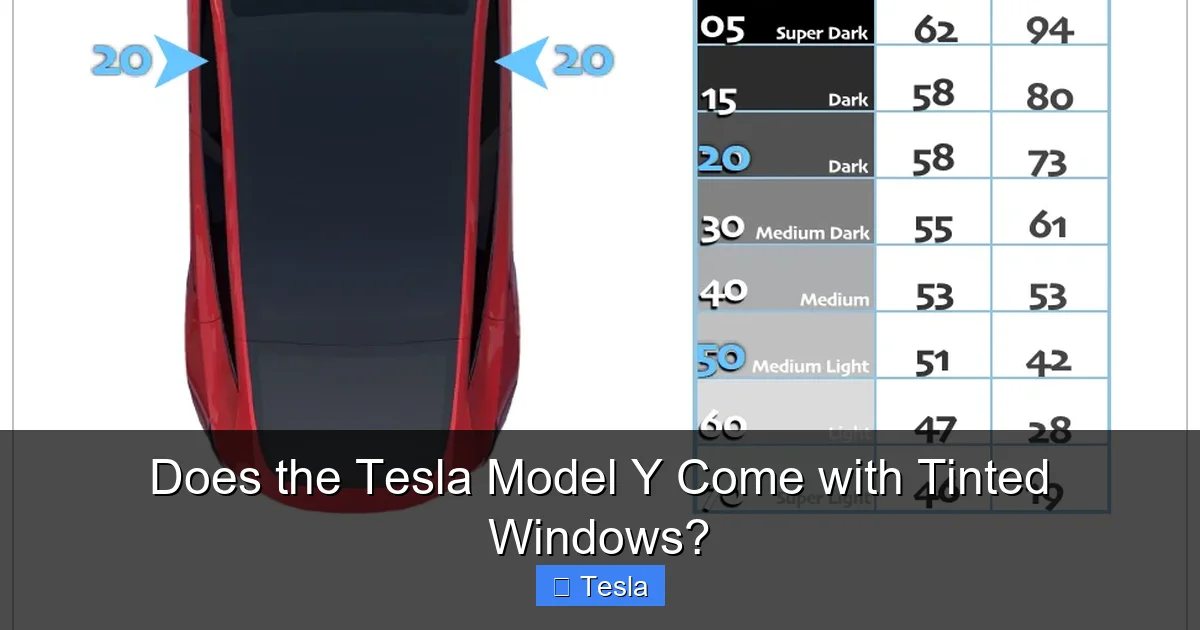
VLT, or Visible Light Transmission, is the percentage of visible light that a window film allows to pass through. A lower number means a darker tint. A 5% VLT is limo-black, while a 70% VLT is nearly clear. This is where state laws come into play, which we’ll cover in the next section. As a general, safe starting point for a Model Y in many states, a common combination is:
- Front Windshield: A very light, clear ceramic film (70-80% VLT) is often used. Its primary job is UV and heat rejection, not darkness. Some states prohibit any tint on the front windshield except for a strip at the top (the “eyebrow”), so check your local laws.
- Front Side Windows: Typically matched to the front windshield or only slightly darker (e.g., 50-70% VLT). This provides a balanced look from the front and ensures the driver’s visibility isn’t compromised. Again, state limits for front sides are usually the strictest.
- Rear Side & Rear Window: This is where you can go significantly darker for maximum privacy and heat rejection (e.g., 15-30% VLT), as most states have no restrictions or much higher limits for rear windows on SUVs like the Model Y.
A professional installer will know the common, legal combinations for your specific state and can show you samples of different VLTs on a light box to help you visualize the final look.
The Legal Landscape: Understanding Tint Laws
This is the non-negotiable part of the aftermarket tint journey. Window tint laws are not federal; they are set by each individual state (and sometimes even by local municipalities). They vary wildly. Ignorance is not an excuse for a law enforcement officer, and a fix-it ticket for an illegal tint can be a nuisance and an added expense.

Visual guide about Does the Tesla Model Y Come with Tinted Windows?
Image source: acutintpro.com
State-by-State Variations
The two key metrics states regulate are:
- VLT Percentage: The minimum amount of light that must pass through the window. For example, California requires front side windows to allow at least 70% of light in (meaning a maximum of 30% tint darkness), while Florida is more lenient at 28% (meaning you can go darker). Rear window rules for SUVs are often more permissive.
- Reflectivity: Some states limit how reflective or mirrored a tint can appear. This is less common but a specification to be aware of, especially with certain metallic films.
Additionally, many states have specific rules about the windshield. Most allow a non-reflective tint on the top 4-6 inches (the “AS-1” line, often marked on the glass) but prohibit tinting below that line on the driver’s and passenger’s side of the windshield. It is your responsibility to know your state’s laws. A reputable, local tint shop will be an expert in your state’s regulations and will guide you to a legal product. If you frequently drive across state lines, you should adhere to the strictest laws of the states you visit to avoid issues.
Medical Exemptions
Some states offer medical exemptions for individuals with certain light-sensitive conditions (like lupus, porphyria, or severe photosensitivity). These exemptions, granted by the state’s Department of Motor Vehicles or similar agency, allow for darker tint than the standard legal limit, often including the front windshield. The process involves a doctor’s certification and a formal application. If you believe you qualify, research your specific state’s exemption process well in advance of tinting.
Cost Breakdown: Budgeting for Your Model Y Tint
Now for the practical question: “How much is this going to cost?” The price for tinting a Tesla Model Y is not a single number. It’s a range based on several key factors. Understanding these will help you get fair quotes and avoid overpaying or under-specifying your film.
Visual guide about Does the Tesla Model Y Come with Tinted Windows?
Image source: acutintpro.com
Factors Influencing Price
- Film Type & Brand: This is the biggest variable. A basic dyed film from a lesser-known brand might cost $300-$500 for a full car. A high-quality ceramic film from a top brand like 3M, Llumar, or SunTek will typically range from $700 to $1,200+ for a full Model Y. The price reflects the technology, research, warranty, and performance.
- Number of Windows: Most quotes are for a “full wrap,” which includes all side and rear windows. Some shops price the front windshield separately, as it’s a larger, more complex piece of glass with a defroster grid that requires careful installation. Clarify what’s included in the quoted price.
- Geographic Location: Labor rates vary dramatically. A tint shop in a major metropolitan area like Los Angeles or New York will charge more than one in a smaller city or suburban area.
- Shop Reputation & Warranty: A highly-reviewed, certified installer with a strong warranty (often 10+ years for ceramic films against peeling, cracking, and fading) will command a premium. This is not an area to bargain-hunt aggressively; you are paying for a flawless, long-lasting installation on a valuable vehicle.
For a comprehensive, up-to-date breakdown of what you can expect to pay for a professional tint job on a Tesla Model Y in 2024, including what’s typically included in a package, this detailed cost guide is an invaluable resource. It breaks down pricing by film type, region, and common package deals.
Getting Quotes and What to Ask
Always get at least 2-3 detailed, written quotes from established shops. When you request a quote, ask these specific questions:
- “What specific brand and series of film are you quoting? (e.g., SunTek Carbon, 3M Crystalline, Llumar CT)”
- “Is the front windshield included, and if so, what film VLT are you recommending for it?”
- “What is the exact warranty on the film and on the installation labor?”
- “Do you have experience specifically with Tesla Model Y windows and the sensor cameras behind the windshield?”
- “Is the price all-inclusive, or are there additional fees for removal of old film (if applicable) or for the rear window defroster grid?”
A trustworthy shop will answer these clearly and confidently. Their answers will tell you a lot about their professionalism and expertise with EVs.
The Installation Process: Professional vs. DIY
With the film purchased, you now face the installation. For a vehicle like the Model Y, this is not a recommended DIY project for 99% of people. Let’s explore why.
Why Professional Installation is Non-Negotiable
The windows on a Tesla Model Y are not simple panes of glass. They are complex assemblies:
- Curved Glass: The side windows, especially the front ones, have significant curvature. Trimming film to fit perfectly without creases, bubbles, or gaps requires skill, heat guns, and experience.
- ADAS Sensors & Cameras: The front windshield houses the forward-facing camera for Autopilot and the Automatic Emergency Braking system, along with other sensors. Any metalized film or even a poorly installed ceramic film with air gaps or impurities can potentially interfere with sensor readings, leading to false warnings or disabled safety features. Professional installers know how to handle this area with extreme care.
- Window Regulators & Electronics: The doors contain complex window regulators and wiring. The installation process involves lowering the window slightly to slip the film underneath the seal. Doing this incorrectly can damage the regulator or the window’s alignment. Professionals use specialized tools and techniques to do this safely.
- Defroster Grids: The rear window has a delicate embedded electrical grid for defrosting. The film must be applied perfectly over this grid without obstructing it or causing shorts. This is a precise task.
A botched DIY job results in bubbles, peeling edges, scratches, and potentially costly damage to your car’s systems. The cost to remove a bad DIY tint and properly re-tint the car often exceeds the cost of doing it right the first time.
What to Expect During a Pro Installation
A quality professional installation is a multi-hour process. The car will be meticulously cleaned inside and out. The glass is measured and the film is precision-cut (often using a computer plotter for a perfect fit). The installer will carefully remove any existing trim, lower windows, and apply the film with sprays and squeegees, working out every last air bubble and impurity. The car is then left to cure for a period (often 24-48 hours) before the windows should be rolled down to ensure the adhesive bonds fully to the glass. A good shop will provide detailed aftercare instructions.
Beyond Privacy: Other Benefits of Tinted Windows
While the quest for privacy is a common driver, the benefits of a high-quality ceramic tint extend far beyond making your Model Y look sleeker.
Superior Heat Rejection and Cabin Comfort
This is arguably the most valuable benefit, especially in hot climates. A quality ceramic film can reject 50% or more of the total solar energy (infrared heat) hitting your windows. This translates to a dramatically cooler cabin on sunny days, reduced reliance on the air conditioning system, and therefore, a tangible improvement in driving range. Less AC compressor load means more of your battery’s energy goes to moving the car. For an EV where every mile of range counts, this is a significant functional upgrade.
Enhanced UV Protection and Interior Preservation
While the factory glass blocks UV, a premium ceramic tint blocks even more—often 99.9%+. This provides an invaluable second layer of defense for your Tesla’s vegan leather (or leather) seats, dashboard, and door panels. It prevents sun-bleaching, cracking, and premature aging, helping your interior look new for years. This protection has real monetary value in maintaining your car’s resale value.
Glare Reduction and Driving Safety
Tint significantly reduces glare from the sun, headlights at night, and reflective surfaces. This decreases eye strain and improves contrast, leading to a more comfortable and safer driving experience. A good tint doesn’t impair your vision; it manages the light coming in.
Security and Shatter Protection
While not a substitute for a car alarm, tint adds a layer of obscurity that makes it harder for potential thieves to see valuables inside. More importantly, the film itself helps hold broken glass together in the event of an accident or break-in, reducing the risk of dangerous shards flying into the cabin.
Wraps: An Alternative to Traditional Tint?
In the Tesla community, you’ll hear a lot about “wraps.” A vehicle wrap is a large sheet of vinyl (often a color-change film like matte black, satin white, or a vibrant color) that is applied over the entire painted surface of the car. It’s a completely different modification from window tint, but owners often consider them together for a total aesthetic transformation. A wrap does not tint your windows; it changes your car’s body color. However, some owners choose to have their windows tinted to complement a wrap. The cost of a full wrap for a Model Y is substantially higher than a tint job. For those curious about the investment, this ultimate wrap cost guide details everything you need to know about pricing, materials, and the process. It’s a fantastic way to personalize your Tesla, but it’s a separate project from solving your window tint needs.
In conclusion, your Tesla Model Y arrives with clear, UV-protected glass. To get the privacy, heat rejection, and style of tinted windows, you must pursue the aftermarket route. This is a straightforward process if you follow the golden rules: choose a high-quality ceramic film for performance and sensor safety, strictly adhere to your state’s VLT laws, and hire a proven professional installer. The result is a cooler, more private, and better-protected cabin that perfectly complements your incredible electric SUV. For more specific details on the financial side of things, be sure to review the comprehensive cost breakdown for tinting a Model Y to budget appropriately for this popular and highly beneficial upgrade.
Frequently Asked Questions
Does the Tesla Model Y come with factory-tinted windows?
No, every Tesla Model Y is equipped with standard clear glass from the factory. Tesla does not offer a factory-installed tint option on any Model Y trim level.
How much does it cost to get a Tesla Model Y professionally tinted?
The cost varies widely based on film quality and location. A full ceramic tint job typically ranges from $700 to $1,200 or more. For a detailed breakdown of pricing factors and what’s included, see our complete guide.
Is it legal to tint the front windshield of a Tesla Model Y?
Most states strictly prohibit any tint on the front windshield below the AS-1 line (the top few inches). A few states allow a non-reflective tint along the top strip. You must check your specific state’s laws; violating them can result in a fix-it ticket.
Can I tint my Tesla Model Y windows myself?
While possible, we strongly advise against a DIY tint on a Model Y. The complex curved glass, critical ADAS sensors behind the windshield, and delicate window regulators make this a high-risk project for amateurs. A poor DIY job can cause expensive damage and safety system issues.
Will aftermarket tint void my Tesla’s warranty?
No, installing aftermarket window tint will not void your Tesla’s overall new vehicle warranty. However, if the tinting process directly causes damage (e.g., to a window regulator or sensor), that specific repair would not be covered.
What happens if I move to a state with stricter tint laws after tinting my Model Y?
You are responsible for complying with the laws of the state you are currently in. If your tint is illegal in your new state, you could be cited by law enforcement. You would then need to either remove the illegal tint or replace it with a lighter, legal film to comply.