Does the Nissan Pathfinder Have Third-row Seating?

Contents
- 1 Key Takeaways
- 2 📑 Table of Contents
- 3 Does the Nissan Pathfinder Have Third-Row Seating?
- 4 Understanding the Nissan Pathfinder’s Seating Configuration
- 5 How Accessible Is the Third Row?
- 6 Comfort and Space in the Third Row
- 7 Cargo Space and Versatility
- 8 Safety and Technology for Rear Passengers
- 9 Trim Levels and Third-Row Features
- 10 Real Owner Experiences and Reviews
- 11 Conclusion: Is the Third Row Worth It?
- 12 Frequently Asked Questions



Yes, the Nissan Pathfinder comes standard with third-row seating across all trims, offering room for up to eight passengers. This makes it a strong contender in the midsize SUV market for families needing extra space without stepping up to a full-size vehicle.
Key Takeaways
- Standard Third-Row Seating: Every Nissan Pathfinder trim includes a third row, seating up to eight passengers in most configurations.
- Flexible Seating Options: Choose between 7- or 8-passenger setups depending on whether you opt for captain’s chairs in the second row.
- Easy Access to the Third Row: The Pathfinder features wide rear doors and a tilt-and-slide second row for hassle-free entry and exit.
- Comfort and Space Considerations: While the third row is usable, it’s best suited for children or short trips due to limited legroom and headroom.
- Cargo Versatility: The third row folds flat to expand cargo space, balancing passenger and storage needs effectively.
- Family-Friendly Features: Rear climate controls, USB ports, and available entertainment systems enhance comfort for third-row passengers.
- Trim-Level Differences: Higher trims offer more premium materials and tech, but all include the third row as standard.
📑 Table of Contents
- Does the Nissan Pathfinder Have Third-Row Seating?
- Understanding the Nissan Pathfinder’s Seating Configuration
- How Accessible Is the Third Row?
- Comfort and Space in the Third Row
- Cargo Space and Versatility
- Safety and Technology for Rear Passengers
- Trim Levels and Third-Row Features
- Real Owner Experiences and Reviews
- Conclusion: Is the Third Row Worth It?
Does the Nissan Pathfinder Have Third-Row Seating?
If you’re in the market for a family-friendly SUV that can comfortably carry more than five people, you’ve probably asked yourself: Does the Nissan Pathfinder have third-row seating? The short answer is a resounding yes—every current model of the Nissan Pathfinder comes standard with third-row seating. Whether you’re shuttling kids to soccer practice, carpooling coworkers, or planning a weekend road trip with extended family, the Pathfinder is built to handle the load.
But it’s not just about having a third row—it’s about how usable, comfortable, and accessible that space really is. Over the years, Nissan has refined the Pathfinder into a well-rounded midsize SUV that blends rugged capability with modern comfort. And with seating for up to eight passengers, it stands out among competitors like the Toyota Highlander, Honda Pilot, and Ford Explorer. In this guide, we’ll dive deep into the Pathfinder’s third-row seating, exploring its layout, comfort, accessibility, and real-world usability. Whether you’re a growing family or just need occasional extra seats, this article will help you decide if the Pathfinder is the right fit.
Understanding the Nissan Pathfinder’s Seating Configuration
Visual guide about Does the Nissan Pathfinder Have Third-row Seating?
Image source: d2v1gjawtegg5z.cloudfront.net
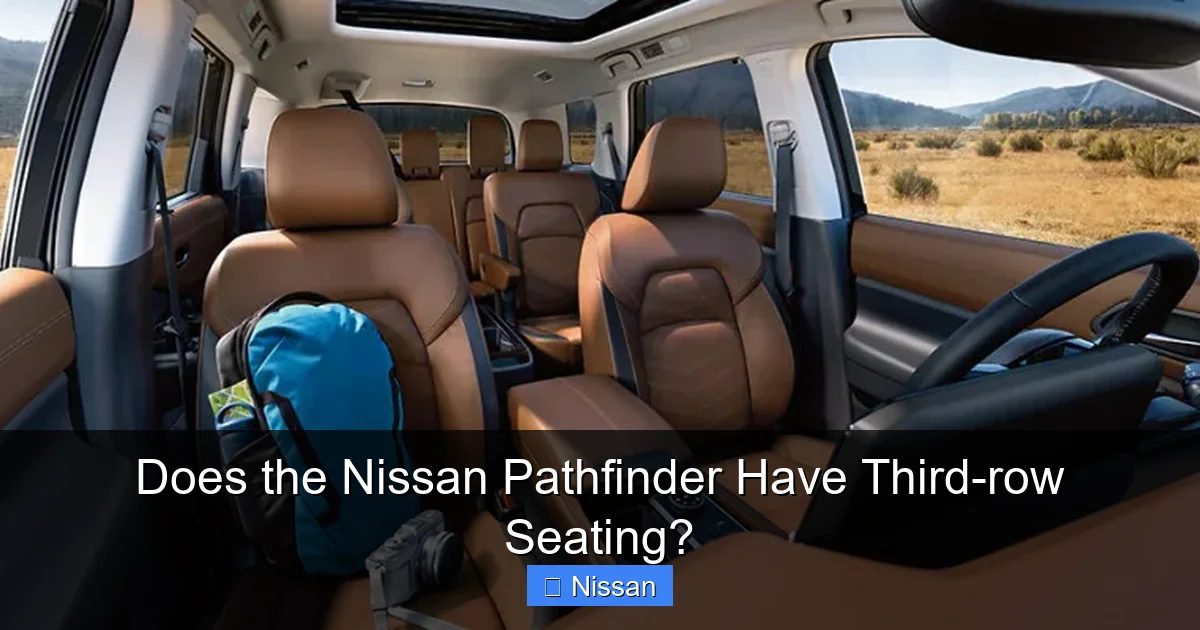
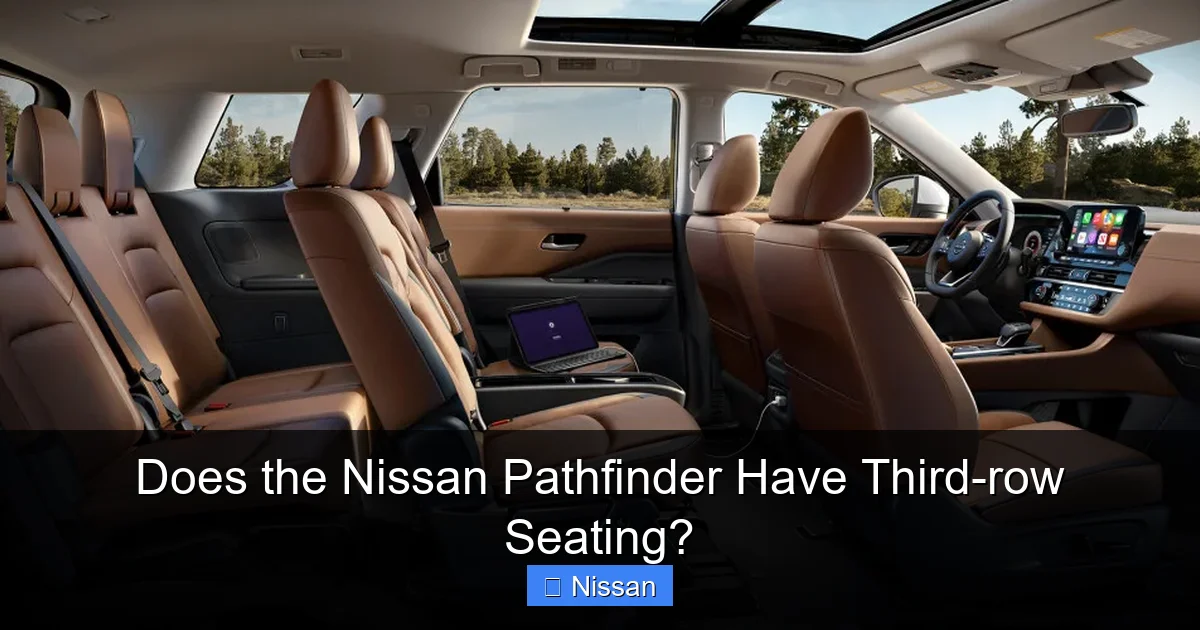
The Nissan Pathfinder offers a flexible seating arrangement that adapts to your needs. While all trims include third-row seating, you can choose between two second-row setups: a traditional bench seat or optional captain’s chairs. This choice directly affects the total passenger capacity.
With the standard second-row bench seat, the Pathfinder seats up to eight passengers—two in the front, three in the second row, and three in the third row. If you opt for the captain’s chairs (available on higher trims like the SL and Platinum), the seating drops to seven passengers: two up front, two in the second row, and three in the back. Many families prefer the captain’s chairs for the added comfort and easier access to the third row, even if it means sacrificing one seat.
It’s worth noting that the third row is not an afterthought or a cramped emergency seat. Nissan has designed it with practicality in mind, ensuring it’s usable for real passengers, not just storage space. The seats are upholstered in the same materials as the rest of the cabin, and higher trims include features like leather seating surfaces and heated rear seats.
Seating Capacity by Trim Level
Let’s break it down by trim to give you a clearer picture:
– S and SV trims: Come standard with an 8-passenger configuration (bench second row). Captain’s chairs are not available on these base models.
– SL and Platinum trims: Offer both 7- and 8-passenger options. You can choose captain’s chairs for a more premium feel or stick with the bench for maximum seating.
This flexibility is a major selling point. If you regularly transport large groups, the 8-passenger setup is ideal. But if you value individual comfort and easier access to the third row, the captain’s chairs are worth the upgrade.
How Accessible Is the Third Row?
Visual guide about Does the Nissan Pathfinder Have Third-row Seating?
Image source: dealerinspire-image-library-prod.s3.us-east-1.amazonaws.com
One of the biggest concerns with third-row seating is getting in and out comfortably. Nissan has addressed this with thoughtful design elements that make accessing the back row much easier than in many competitors.
The Pathfinder features wide rear doors that open nearly 90 degrees, giving passengers plenty of room to enter and exit. More importantly, the second-row seats are equipped with a tilt-and-slide mechanism. With the push of a button (or a manual lever on lower trims), the entire second-row seat tilts forward and slides forward, creating a generous pathway to the third row.
This system works smoothly and doesn’t require wrestling with heavy seats. Even children can operate it with a little help. The step-in height is reasonable for a midsize SUV, and the footwell is deep enough to allow passengers to step in without tripping.
Real-World Accessibility Tips
Here are a few practical tips to make third-row access even easier:
– Use the one-touch feature: On SL and Platinum trims, the second-row seats can be moved with a button on the dashboard or infotainment screen. This is especially helpful when your hands are full.
– Teach kids how to use it: Older children can learn to operate the tilt-and-slide mechanism, reducing the need for adult assistance.
– Adjust the seat position: If you’re not using the third row regularly, slide the second-row seats back for more legroom. When you need the third row, just move them forward.
Compared to older SUVs where third-row access felt like a contortion act, the Pathfinder makes it surprisingly straightforward. It’s not quite as easy as sliding into a minivan, but it’s close—and far better than many truck-based SUVs.
Comfort and Space in the Third Row
Visual guide about Does the Nissan Pathfinder Have Third-row Seating?
Image source: d2v1gjawtegg5z.cloudfront.net
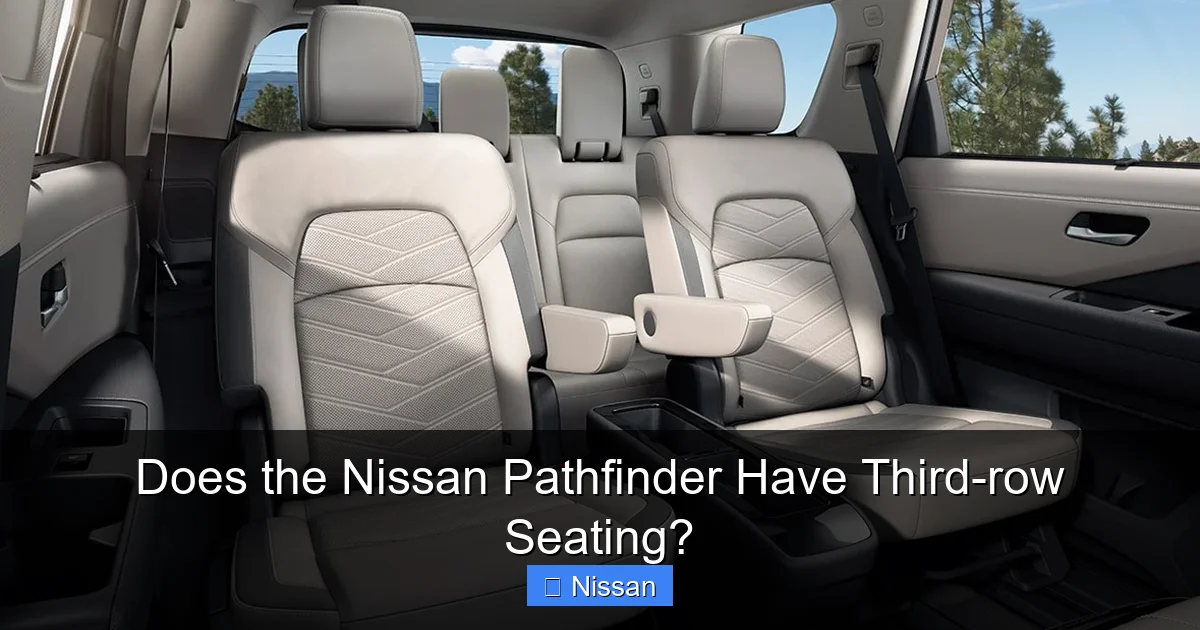
Now, let’s talk comfort. The third row in the Nissan Pathfinder is usable, but it’s not designed for long road trips with adults. Think of it as a great option for kids, teens, or short commutes—not for cross-country adventures with grandparents.
Legroom in the third row is tight. Nissan lists it at around 30 inches, which is on the lower end for midsize SUVs. For comparison, the Honda Pilot offers about 31.9 inches, and the Toyota Highlander provides 27.7 inches. So the Pathfinder is somewhere in the middle. Adults over 5’6″ will likely find their knees pressed against the second-row seats, especially if those seats are reclined.
Headroom is also limited. Taller passengers may need to duck slightly when entering, and those with longer torsos might feel cramped. That said, the seats are well-padded and supportive, and the backrest angle is reasonable for short to moderate trips.
Who Should Sit in the Third Row?
Based on real-world feedback from owners, the third row is best suited for:
– Children under 12
– Teenagers on short trips
– Adults under 5’5″ for brief rides
If you’re planning a long vacation and need to seat seven or eight people, consider assigning the third row to the youngest passengers and using the second row for adults. Alternatively, pack light and use the third row only when necessary.
Climate and Convenience Features
Nissan hasn’t forgotten about comfort in the back. The Pathfinder includes rear climate controls, allowing third-row passengers to adjust airflow and temperature independently. This is a big plus on hot summer days or chilly winter mornings.
Higher trims also offer rear USB ports, so passengers can keep devices charged. The Platinum trim even includes a rear entertainment system with dual screens, perfect for keeping kids entertained on long drives.
While the third row doesn’t get heated seats on most trims (they’re usually reserved for the front and second row), the overall comfort level is solid for its class.
Cargo Space and Versatility
One of the biggest trade-offs with third-row seating is cargo space. When the third row is in use, storage behind the seats is minimal. But Nissan has designed the Pathfinder to maximize versatility.
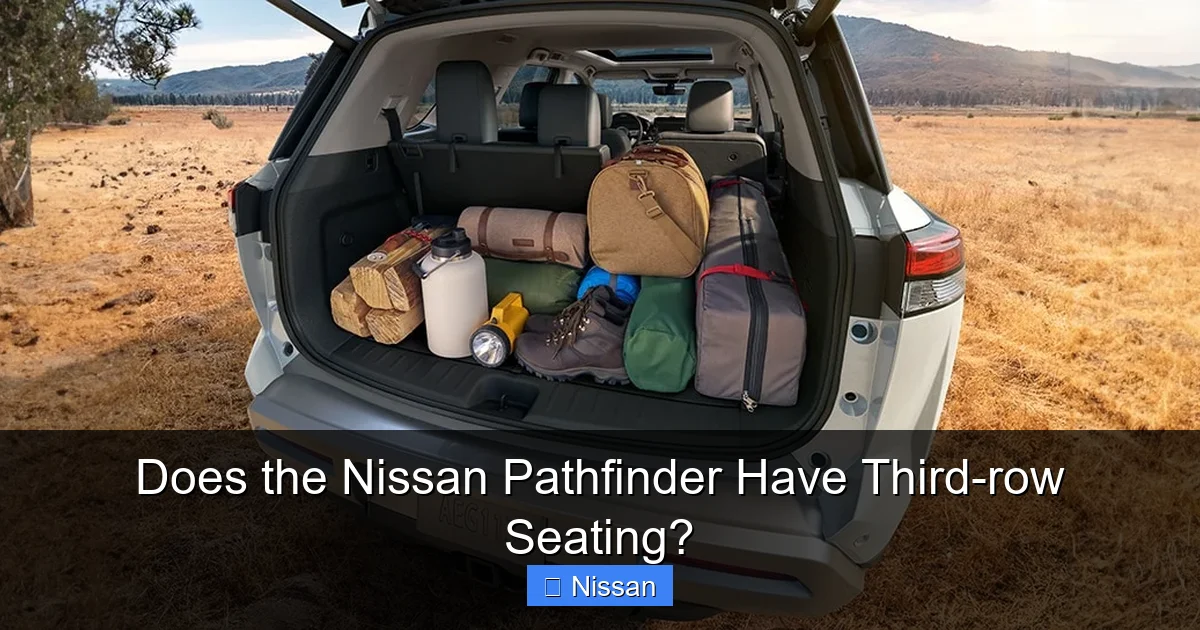
With all three rows up, you get about 16.6 cubic feet of cargo space. That’s enough for a few small suitcases, a stroller, or grocery bags—but not much more. If you’re traveling with a full crew, you’ll need to pack strategically.
The good news? The third-row seats fold flat into the floor with a simple pull of a strap. This creates a nearly level load floor and boosts cargo capacity to around 45 cubic feet. Fold down the second row as well, and you’ve got up to 80.5 cubic feet of space—enough for furniture, camping gear, or a week’s worth of luggage.
Smart Storage Solutions
Even with limited cargo space, the Pathfinder includes clever storage features:
– Underfloor storage: A hidden compartment under the cargo floor is perfect for valuables or emergency supplies.
– Rear door pockets: Small bins on the back of the second-row seats hold drinks, snacks, or tablets.
– Center console dividers: The front console includes adjustable dividers for organizing small items.
These details show that Nissan thought about real family needs, not just raw numbers.
Safety and Technology for Rear Passengers
Safety is a top priority for families, and the Pathfinder delivers with standard and available features that protect all passengers—including those in the third row.
All Pathfinders come with Nissan’s Safety Shield 360, a suite of advanced driver-assistance technologies. This includes automatic emergency braking, blind-spot warning, rear cross-traffic alert, lane departure warning, and high beam assist. These systems help prevent accidents and make driving with a full load of passengers less stressful.
For rear passengers, the Pathfinder includes side-impact airbags that extend to the third row, as well as seatbelt reminders for all seating positions. LATCH anchors are available in the second row for child seats, and some trims offer them in the third row as well—though they’re harder to access.
Infotainment and Connectivity
The Pathfinder’s infotainment system is user-friendly and keeps everyone connected. The standard 8-inch touchscreen includes Apple CarPlay and Android Auto, so passengers can stream music or navigate using their phones.
Higher trims upgrade to a 9-inch screen with wireless smartphone integration and a premium Bose audio system. The Platinum trim also offers a head-up display and wireless phone charging—features usually reserved for luxury vehicles.
For rear passengers, the available dual-screen entertainment system is a game-changer. It supports HDMI inputs, USB media playback, and even comes with wireless headphones. This means kids can watch movies or play games without distracting the driver.
Trim Levels and Third-Row Features
While all Pathfinder trims include third-row seating, the experience improves significantly as you move up the lineup. Here’s how the third-row experience differs across trims:
– S and SV: Basic cloth seats, manual second-row adjustments, and limited rear climate controls. The third row is functional but lacks premium touches.
– SL: Adds leather-trimmed seats, power-adjustable second-row seats, and enhanced rear climate controls. Captain’s chairs become an option.
– Platinum: Top-tier comfort with quilted leather seats, heated and ventilated second-row seats, and a full suite of tech and safety features. The third row still isn’t luxurious, but the overall cabin feels upscale.
Even on the base model, the third row is usable and well-integrated. But if you want the best experience for all passengers, the SL or Platinum trims are worth the investment.
Real Owner Experiences and Reviews
To get a sense of how the third row performs in the real world, we looked at owner reviews from sites like Edmunds, Kelley Blue Book, and Nissan forums.
Many owners praise the Pathfinder’s third row for its ease of access and practicality. One parent noted, “We use the third row every weekend for carpooling. It’s tight for adults, but perfect for our kids.” Another said, “The tilt-and-slide second row makes getting in and out so much easier than our old SUV.”
Critics often mention the limited legroom and the fact that cargo space shrinks with all seats up. But most agree that the Pathfinder strikes a good balance between passenger capacity and everyday usability.
Compared to rivals, the Pathfinder is often seen as more rugged and capable off-road, thanks to its available Intelligent 4×4 system. It’s not as plush as the Highlander or as tech-forward as the Explorer, but it offers a compelling mix of space, comfort, and value.
Conclusion: Is the Third Row Worth It?
So, does the Nissan Pathfinder have third-row seating? Absolutely—and it’s one of the most accessible and family-friendly options in its class. Whether you choose the 7- or 8-passenger configuration, you’re getting a versatile SUV that can adapt to your lifestyle.
The third row isn’t perfect for adults on long trips, but it’s more than adequate for kids, teens, and short commutes. Combined with easy access, smart storage, and strong safety features, the Pathfinder proves that you don’t need a full-size SUV to seat a crowd.
If you’re looking for a midsize SUV that prioritizes family needs without sacrificing capability or comfort, the Nissan Pathfinder is a top contender. Its standard third-row seating, flexible layout, and thoughtful design make it a smart choice for growing families, weekend adventurers, and anyone who values space and practicality.
Frequently Asked Questions
Does every Nissan Pathfinder come with third-row seating?
Yes, all current Nissan Pathfinder trims come standard with third-row seating. There are no two-row versions available in the U.S. market.
How many people can the Nissan Pathfinder seat?
The Pathfinder can seat up to eight passengers with the standard bench second row, or seven with optional captain’s chairs.
Is the third row comfortable for adults?
The third row is best suited for children or short trips. Adults may find legroom and headroom limited, especially on longer drives.
Can you fold the third-row seats for more cargo space?
Yes, the third-row seats fold flat into the floor, increasing cargo capacity from 16.6 to 45 cubic feet.
Are there LATCH anchors in the third row?
LATCH anchors are available in the third row on some trims, but they can be harder to access than those in the second row.
Do higher trims improve third-row comfort?
Higher trims offer better materials and rear climate controls, but the third-row space remains similar across all models.