
Does Car Insurance Go Down at 21?

Contents
- 1 Key Takeaways
- 2 📑 Table of Contents
- 3 Does Car Insurance Go Down at 21?
- 4 Why Age Matters in Car Insurance
- 5 Factors That Influence Your Premium at 21
- 6 How to Save on Car Insurance After Turning 21
- 7 Common Myths About Car Insurance at 21
- 8 What to Expect as You Age Beyond 21
- 9 Final Thoughts: Make the Most of Turning 21
- 10 Frequently Asked Questions
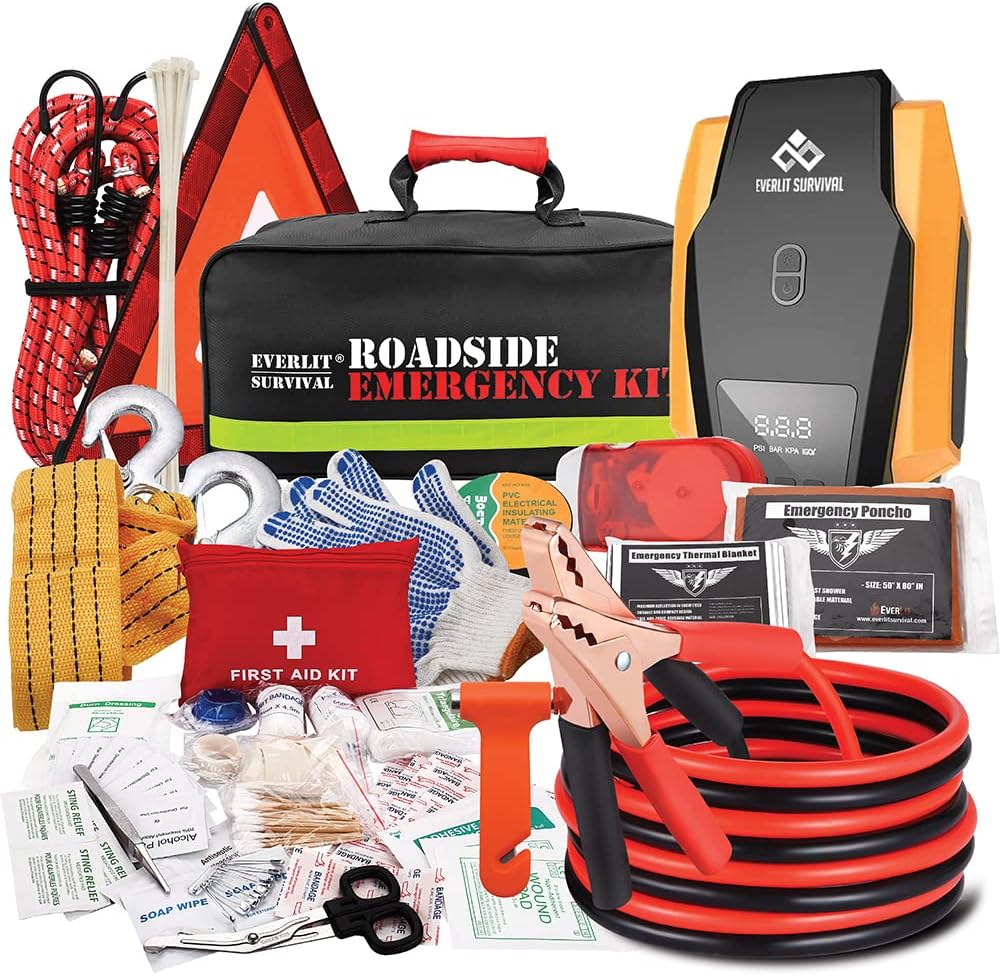
Car Emergency Roadside Kit

Multipurpose Lubricant Spray

Diesel Fuel Additive

Reflective Safety Triangle
Yes, car insurance often goes down at age 21—but not automatically. While insurers view 21-year-old drivers as less risky than teens, your rates depend on driving history, location, vehicle type, and coverage choices. Smart habits and smart shopping can help you lock in lower premiums.
Key Takeaways
- Age 21 is a turning point: Insurers consider 21-year-olds more experienced than teen drivers, which can lead to lower premiums.
- Your driving record matters most: A clean record at 21 can significantly reduce your rates compared to peers with accidents or tickets.
- Location impacts cost: Urban areas with high traffic and theft rates may still keep your premiums elevated even after turning 21.
- Vehicle type plays a role: Driving a safe, modest car instead of a sports car can help keep costs down.
- Shop around annually: Rates vary widely between insurers—comparing quotes can save you hundreds per year.
- Take advantage of discounts: Good student, defensive driving, and low-mileage discounts can further reduce your bill.
- Maintain continuous coverage: Gaps in insurance history can raise your rates, so stay covered even if you’re not driving regularly.
📑 Table of Contents
Does Car Insurance Go Down at 21?
If you’re turning 21 soon—or just crossed that milestone—you might be wondering: Will my car insurance finally get cheaper? After all, you’ve survived the teenage years, passed your driving tests, and maybe even avoided any major fender benders. It’s natural to hope that your insurance premiums will drop as a reward for making it through those high-risk years.
The short answer? Yes, car insurance often goes down at age 21—but it’s not guaranteed. Insurance companies use age as one of many factors to assess risk. Drivers under 25, especially teens, are statistically more likely to be involved in accidents. Once you hit 21, you’re no longer in the highest-risk category, which can lead to lower rates. However, your actual savings depend on a mix of personal factors, including your driving history, where you live, the car you drive, and how much coverage you choose.
Think of age 21 as a door opening to better rates—but you still have to walk through it wisely. Simply turning 21 won’t magically slash your premium overnight. You’ll need to maintain good habits, shop around, and take advantage of discounts to see real savings. In this guide, we’ll break down exactly how age affects your car insurance, what you can expect at 21, and how to make the most of this milestone to keep your costs low.
Why Age Matters in Car Insurance

Visual guide about Does Car Insurance Go Down at 21?
Image source: rvandplaya.com
Insurance companies don’t just guess how much to charge you—they use data. A lot of it. And one of the biggest pieces of data they look at is your age. Why? Because statistics show that younger drivers, especially those under 25, are more likely to be involved in accidents, file claims, and drive recklessly.
According to the Insurance Information Institute (III), drivers aged 16 to 19 have the highest crash rates per mile driven. That’s why teens often face sky-high premiums—sometimes double or triple what older drivers pay. But as you get older and gain more driving experience, your risk profile improves. By the time you hit 21, you’ve likely logged thousands of miles behind the wheel, and insurers see you as more responsible and less likely to take dangerous risks.
How Insurers Use Age to Set Rates
Insurance companies use actuarial tables—complex models based on decades of claims data—to determine how much risk each driver poses. These tables show that accident rates drop significantly after age 21. For example, the crash rate for 18-year-olds is nearly three times higher than for 21-year-olds. That’s a big difference, and insurers reflect it in their pricing.
But age isn’t the only factor. Insurers also consider:
– Driving history (accidents, tickets, violations)
– Credit score (in most states)
– Location (urban vs. rural, crime rates, traffic density)
– Vehicle type (sports cars cost more to insure)
– Annual mileage
– Coverage level (liability only vs. full coverage)
So while turning 21 helps, it’s just one piece of the puzzle. If you’ve had a few speeding tickets or live in a high-theft area, your rates might not drop as much as you’d hope.
The Statistical Drop at Age 21
Multiple studies and industry reports confirm that car insurance premiums tend to decrease around age 21. A 2023 analysis by NerdWallet found that the average annual premium for a 20-year-old driver was about $2,800, while a 21-year-old paid around $2,400—a drop of roughly $400 per year. That’s a meaningful savings, especially for young adults on a tight budget.
However, the exact amount you save depends on your insurer and personal profile. Some companies offer bigger discounts at 21, while others wait until you’re 25—the age when most drivers are considered fully “low risk.” So while 21 is a positive milestone, don’t expect your rates to plummet to what a 30-year-old pays overnight.
Factors That Influence Your Premium at 21
Now that we know age 21 can lead to lower rates, let’s dig into the other factors that determine how much you’ll actually pay. Understanding these can help you take control of your insurance costs and make smart decisions.
Driving Record: The #1 Factor
Your driving history is the single biggest influence on your premium—more than age, gender, or even credit score. If you’ve had accidents, DUIs, or multiple speeding tickets, insurers will see you as high risk, regardless of your age.
For example, a 21-year-old with a clean record might pay $1,800 per year for full coverage, while a 21-year-old with a recent at-fault accident could pay $3,000 or more. That’s a huge difference—and it shows why safe driving pays off.
Tip: If you have a minor violation on your record, ask your insurer about a defensive driving course. Completing one can sometimes remove points from your license or qualify you for a discount.
Location: Where You Live Matters
Where you live has a massive impact on your car insurance rates. Urban areas with heavy traffic, high accident rates, and vehicle theft tend to have much higher premiums than rural areas.
For instance, a 21-year-old in Detroit, Michigan, might pay over $4,000 per year for basic coverage, while a 21-year-old in Boise, Idaho, could pay under $1,500. Even within the same state, rates can vary widely between cities.
If you’re moving soon, consider how your new location affects insurance costs. Some college towns or suburbs offer lower rates due to lower crime and traffic density.
Vehicle Type: Choose Wisely
The car you drive directly affects your insurance premium. Sports cars, luxury vehicles, and models with high repair costs or theft rates come with higher premiums. On the other hand, safe, reliable, and modestly priced cars are cheaper to insure.
For example, insuring a 2023 Honda Civic at age 21 might cost $1,600 per year, while insuring a 2023 Ford Mustang could cost $2,800 or more—even with the same driver profile.
Tip: Before buying a car, check insurance estimates online. Many sites let you compare quotes for different models, so you can factor insurance costs into your decision.
Coverage Level: More Protection = Higher Cost
The type and amount of coverage you choose also affect your premium. Liability-only coverage (which covers damage you cause to others) is the cheapest option, while full coverage (which includes collision and comprehensive) is more expensive.
At age 21, you might be tempted to go with the minimum required coverage to save money. But if you’re driving a newer or financed car, full coverage is usually worth it. It protects your investment and can save you thousands in out-of-pocket repair costs after an accident.
Credit Score: A Surprising Influence
In most states (except California, Hawaii, and Massachusetts), insurers use your credit-based insurance score to help set rates. Drivers with good credit typically pay less than those with poor credit—even at the same age.
A 21-year-old with excellent credit might save $300–$500 per year compared to someone with fair or poor credit. So if you’re building your credit, it’s not just good for loans and apartments—it can also lower your insurance bill.
How to Save on Car Insurance After Turning 21
Now that you understand what affects your rates, let’s talk about how to actually save money. Turning 21 is a great opportunity to reevaluate your policy and make changes that lower your premium.
Shop Around and Compare Quotes
One of the easiest ways to save is to compare quotes from multiple insurers. Rates can vary by hundreds or even thousands of dollars between companies—even for the same driver.
For example, a 21-year-old in Texas might get a quote of $2,200 from State Farm, $1,900 from GEICO, and $1,600 from USAA (if eligible). That’s a $600 difference just by switching companies!
Tip: Use online comparison tools or work with an independent insurance agent who can check multiple carriers for you. Aim to shop around at least once a year, especially after major life changes like turning 21, moving, or buying a new car.
Take Advantage of Discounts
Most insurers offer a variety of discounts that can significantly reduce your premium. At age 21, you may qualify for several, including:
– Good student discount: If you’re in college and maintain a B average or higher, you could save 10–25%.
– Defensive driving course: Completing an approved course can lower your rate by 5–15%.
– Low-mileage discount: If you drive less than 7,500 miles per year, you may qualify.
– Multi-policy discount: Bundling auto and renters or home insurance can save 10–20%.
– Safe driver discount: Maintaining a clean record for 3–5 years can unlock major savings.
– Pay-in-full discount: Paying your annual premium upfront instead of monthly can save 5–10%.
Ask your insurer for a full list of available discounts—you might be surprised by what you qualify for.
Consider Raising Your Deductible
Your deductible is the amount you pay out of pocket before insurance kicks in after a claim. Raising your deductible from $500 to $1,000 can lower your premium by 15–30%.
For example, if your current premium is $2,000 per year with a $500 deductible, switching to a $1,000 deductible might bring it down to $1,600. Just make sure you have enough savings to cover the higher deductible if you ever need to file a claim.
Maintain Continuous Coverage
Letting your insurance lapse—even for a few days—can lead to higher rates when you reinstate your policy. Insurers see gaps in coverage as a red flag, suggesting you’re a higher risk.
If you’re not driving regularly (e.g., studying abroad or serving in the military), look into non-owner car insurance or storage coverage to maintain continuous protection without paying for full coverage.
Improve Your Credit Score
Since credit affects your rates in most states, taking steps to improve your credit can lead to lower premiums. Pay bills on time, keep credit card balances low, and check your credit report for errors.
Even a 50-point increase in your credit score could save you $100–$200 per year on car insurance.
Common Myths About Car Insurance at 21
There are a lot of misconceptions about how car insurance works, especially for young drivers. Let’s clear up some of the most common myths.
Myth 1: “Turning 21 Automatically Lowers My Rates”
While age 21 is a positive milestone, your insurer won’t automatically adjust your premium the day you blow out your candles. You’ll need to contact them or wait for your policy renewal to see any changes.
And remember—your rate depends on more than just age. If your driving record has worsened since you were 18, your premium might not drop at all.
Myth 2: “All Insurers Treat 21-Year-Olds the Same”
Different companies have different risk models. Some insurers offer bigger discounts at 21, while others wait until 25. That’s why shopping around is so important.
For example, Progressive and GEICO are known for competitive rates for young drivers, while others may charge more. Don’t assume your current insurer is giving you the best deal.
Myth 3: “I Should Drop Full Coverage to Save Money”
While liability-only coverage is cheaper, dropping full coverage on a newer or financed car can be risky. If you’re in an accident, you’ll have to pay for repairs yourself—which could cost thousands.
Only consider dropping full coverage if your car is older and worth less than $4,000–$5,000.
Myth 4: “Gender Doesn’t Affect My Rate Anymore”
In some states, gender still plays a role in pricing—especially for young drivers. Male drivers under 25 often pay more than females because they’re statistically more likely to take risks.
However, many states have banned gender-based pricing, so check your local laws.
What to Expect as You Age Beyond 21
While 21 is a great starting point, your insurance journey doesn’t end there. As you get older, your rates will likely continue to drop—especially if you maintain a clean driving record.
By age 25, most drivers see a significant reduction in premiums. According to data from The Zebra, the average 25-year-old pays about $1,800 per year for full coverage—nearly $600 less than a 21-year-old.
After 25, rates tend to stabilize and may even increase slightly in your 30s and 40s due to other factors like family size and vehicle choices. But overall, the trend is downward as you gain experience and prove yourself a safe driver.
The key is consistency. Keep driving safely, maintain good credit, and review your policy annually. Over time, these habits will pay off in lower premiums and greater financial freedom.
Final Thoughts: Make the Most of Turning 21
So, does car insurance go down at 21? The answer is a cautious yes—with conditions. Age 21 is a positive milestone that can lead to lower premiums, but your actual savings depend on your driving history, location, vehicle, and coverage choices.
The good news? You have more control over your insurance costs than you might think. By shopping around, taking advantage of discounts, maintaining a clean record, and making smart financial decisions, you can turn this age milestone into real savings.
Don’t wait for your insurer to lower your rate automatically. Take action. Compare quotes, ask about discounts, and review your policy. Every dollar you save on car insurance is a dollar you can put toward your future—whether that’s paying off student loans, saving for a home, or just enjoying a little extra freedom.
Turning 21 isn’t just about legal drinking—it’s also about taking responsibility for your finances. And when it comes to car insurance, that responsibility can pay off in a big way.
Frequently Asked Questions
Does car insurance go down at 21 for everyone?
Not necessarily. While many 21-year-olds see lower premiums due to reduced risk, your actual rate depends on factors like driving history, location, and vehicle type. A clean record and safe choices increase your chances of savings.
How much can I expect to save when I turn 21?
On average, drivers see a drop of $300–$500 per year when they turn 21, but savings vary by insurer and personal profile. Some may save more, while others with violations or high-risk factors may see little change.
Will my insurance company automatically lower my rate at 21?
No. You’ll need to contact your insurer or wait for your policy renewal to see any adjustments. Some companies may require you to request a review or update your profile.
Can I get discounts at 21 even if I’m not a student?
Yes. While good student discounts require enrollment, other discounts like safe driver, low mileage, defensive driving, and multi-policy are available to all eligible drivers, regardless of student status.
Should I switch insurers when I turn 21?
It’s a good idea to compare quotes from multiple insurers when you turn 21. Rates vary widely, and switching could save you hundreds per year—especially if your current insurer hasn’t adjusted your rate for age.
What if I have a bad driving record at 21?
Even with violations, turning 21 can still help slightly, but your record will have a bigger impact. Focus on maintaining a clean record going forward, take a defensive driving course, and shop around to find the best rate possible.