Dead Car Battery Clicking Sound

A dead car battery clicking sound usually means your battery doesn’t have enough power to start the engine. This common issue can stem from a weak battery, loose connections, or extreme weather. Understanding the cause helps you respond quickly and get back on the road safely.
In This Article
- 1 Key Takeaways
- 2 📑 Table of Contents
- 3 What Does a Dead Car Battery Clicking Sound Mean?
- 4 Why Does a Dead Battery Make a Clicking Sound?
- 5 Common Causes of a Dead Car Battery Clicking Sound
- 6 How to Diagnose a Dead Car Battery Clicking Sound
- 7 How to Fix a Dead Car Battery Clicking Sound
- 8 Preventing Future Dead Battery Issues
- 9 When to Call a Professional
- 10 Conclusion
- 11 Frequently Asked Questions
- 11.1 Why does my car make a clicking sound but won’t start?
- 11.2 Can a bad alternator cause a clicking sound?
- 11.3 How long should I let my car run after a jump-start?
- 11.4 Is it safe to jump-start a car in the rain?
- 11.5 How often should I replace my car battery?
- 11.6 Can I drive with a clicking sound when starting?
Key Takeaways
- Clicking sound indicates low battery power: When you hear rapid clicking, it often means the battery can’t deliver enough current to crank the engine.
- Corroded or loose terminals are common culprits: Poor electrical connections prevent proper current flow, even if the battery is charged.
- Extreme temperatures affect battery performance: Cold weather slows chemical reactions in the battery, reducing its ability to start the car.
- Parasitic drain can silently kill your battery: Lights, alarms, or faulty electronics may drain power overnight without you noticing.
- Jump-starting is a temporary fix: While jump-starts can get you moving, they don’t solve underlying issues like a failing battery or alternator.
- Regular maintenance prevents surprises: Checking terminals, testing voltage, and replacing old batteries can avoid unexpected breakdowns.
- Know when to call a professional: If jumping doesn’t work or the problem repeats, it’s time for a mechanic’s diagnosis.
📑 Table of Contents
- What Does a Dead Car Battery Clicking Sound Mean?
- Why Does a Dead Battery Make a Clicking Sound?
- Common Causes of a Dead Car Battery Clicking Sound
- How to Diagnose a Dead Car Battery Clicking Sound
- How to Fix a Dead Car Battery Clicking Sound
- Preventing Future Dead Battery Issues
- When to Call a Professional
- Conclusion
What Does a Dead Car Battery Clicking Sound Mean?
You’re ready to head out—maybe it’s early morning, you’ve got coffee in hand, and you’re already late. You slide into the driver’s seat, turn the key… and instead of the familiar engine roar, you hear a rapid click-click-click-click. Silence. Then maybe one more weak click. Your heart sinks. That sound—the infamous dead car battery clicking sound—is one of the most frustrating noises a driver can hear.
This clicking noise isn’t random. It’s your car’s way of telling you something is wrong with the electrical system, most commonly the battery. When you turn the ignition key, your car sends a signal to the starter motor to crank the engine. But if the battery doesn’t have enough charge, the starter solenoid tries to engage repeatedly without success. Each attempt produces that telltale click. It’s like trying to start a lawnmower with a nearly dead pull cord—you get motion, but not enough force to ignite the engine.
While the clicking sound is usually linked to a dead or weak battery, it’s not the only possibility. Sometimes, the issue lies in the connections, the alternator, or even the starter itself. But in over 80% of cases, the root cause traces back to the battery. Understanding why this happens—and what you can do about it—can save you time, money, and stress.
Why Does a Dead Battery Make a Clicking Sound?
To understand the clicking, it helps to know a little about how your car’s starting system works. When you turn the key to “start,” electricity flows from the battery to the starter motor via the ignition switch and solenoid. The solenoid acts like a relay—it closes a high-current circuit that allows a large burst of power to reach the starter motor, which then turns the engine over.

Visual guide about Dead Car Battery Clicking Sound
Image source: ww2.justanswer.com
If the battery is too weak to deliver that burst of power, the solenoid keeps trying to engage but fails each time. This repeated attempt creates the rapid clicking noise. Think of it like a doorbell that keeps buzzing but never fully rings—the mechanism is working, but there’s not enough energy to complete the action.
The Role of Voltage and Current
Car batteries are designed to deliver around 12.6 volts when fully charged. When you try to start the engine, the system demands a surge of current—often 100 to 200 amps or more. A healthy battery can handle this easily. But if the voltage drops below 12 volts, especially under load, the system struggles.
For example, if your battery reads 11.8 volts at rest, it might seem okay. But when you turn the key, the voltage could plunge to 9 or 10 volts under load. At that point, the starter doesn’t get enough power, and the solenoid clicks repeatedly. This is why a battery that seems “almost full” can still cause a clicking sound—it’s not about total charge, but about how well it can deliver power when needed.
Common Triggers for the Clicking Sound
Several factors can lead to this scenario. The most common include:
- Aging battery: Most car batteries last 3–5 years. Over time, internal plates degrade, reducing capacity.
- Leaving lights or accessories on: Interior lights, headlights, or phone chargers left plugged in can drain the battery overnight.
- Extreme cold: Cold weather slows chemical reactions in the battery, reducing its output. A battery that works fine in summer may fail in winter.
- Faulty alternator: If the alternator isn’t charging the battery while driving, the battery slowly loses charge.
- Loose or corroded terminals: Poor connections increase resistance, preventing full power delivery.
Let’s say you left your headlights on overnight. In the morning, the battery is drained. You try to start the car, and—click-click-click. The battery has some charge left, but not enough to turn the starter. This is a classic case of user error, but it happens more often than you’d think.
Common Causes of a Dead Car Battery Clicking Sound
Now that we know what the clicking means, let’s dive into the most common reasons it happens. Identifying the root cause is the first step toward fixing the problem—and preventing it from happening again.

Visual guide about Dead Car Battery Clicking Sound
Image source: anycartowing.com.au
1. Weak or Dead Battery
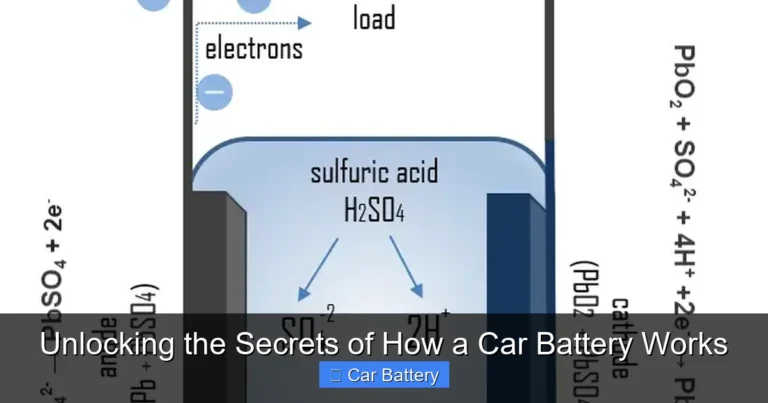
This is the number one cause. A battery loses its ability to hold a charge over time. Sulfation—the buildup of lead sulfate crystals on the plates—reduces efficiency. Even if the battery shows 12 volts on a multimeter, it might not deliver enough current under load.
For example, a 4-year-old battery in a cold climate might struggle to start the car on a winter morning. The chemical reactions inside slow down, and the available power drops. You turn the key, and instead of a smooth start, you get that frustrating clicking.
2. Corroded or Loose Battery Terminals
Battery terminals connect the battery to the car’s electrical system. If they’re loose, dirty, or corroded, electricity can’t flow properly. Corrosion looks like a white, green, or blue powdery substance around the terminals. It acts like insulation, blocking the current.
Imagine trying to light a candle with a damp match—it might spark, but it won’t catch. Similarly, a corroded terminal might allow a small current to reach the starter solenoid, causing it to click, but not enough to turn the motor.
This is one of the easiest fixes. Cleaning the terminals with a wire brush and baking soda solution can restore connection. But if the corrosion is severe or the terminals are damaged, replacement may be needed.
3. Parasitic Drain
Parasitic drain happens when something in your car continues to draw power even when the engine is off. Common culprits include:
- Interior lights that stay on
- Faulty door switches
- Aftermarket alarms or stereos
- Malfunctioning glove box or trunk lights
- Phone chargers left plugged in
Over time, even a small drain—like 50 milliamps—can kill a battery over several days. You might not notice it until you try to start the car and hear that dreaded clicking.
For instance, a friend once had a trunk light that stayed on because the latch was misaligned. The light drew just enough power to drain the battery in two days. He only discovered it after jump-starting the car and noticing the light was on.
4. Faulty Alternator
The alternator charges the battery while the engine runs. If it’s failing, the battery won’t recharge properly, even after a long drive. You might start the car fine one day, but the next morning, it’s dead again.
A failing alternator often shows other signs: dim headlights, a battery warning light on the dashboard, or electrical components acting erratically. If you jump-start the car and it dies again shortly after, the alternator is likely the issue.
5. Extreme Weather Conditions
Temperature plays a huge role in battery performance. In cold weather, the chemical reactions inside the battery slow down, reducing its ability to deliver power. A battery that works fine at 70°F might fail at 20°F.
Conversely, extreme heat can accelerate battery degradation. High temperatures cause the electrolyte to evaporate and plates to corrode faster. A battery in a hot climate might fail sooner than one in a cooler region.
For example, a driver in Minnesota might experience clicking sounds every winter morning, while someone in Arizona might face battery failure after just three years due to heat stress.
How to Diagnose a Dead Car Battery Clicking Sound
Before you panic or call a tow truck, take a few minutes to diagnose the issue. A little troubleshooting can save you time and money.

Visual guide about Dead Car Battery Clicking Sound
Image source: media.tenor.com
Step 1: Check the Battery Voltage
Use a multimeter to test the battery voltage. With the engine off, a healthy battery should read between 12.4 and 12.7 volts. If it’s below 12 volts, the battery is likely discharged.
To test under load, have someone turn the key while you watch the multimeter. If the voltage drops below 10 volts, the battery can’t deliver enough power to start the engine—hence the clicking.
Step 2: Inspect the Battery Terminals
Look for corrosion, looseness, or damage. If the terminals are corroded, clean them with a mixture of baking soda and water, then scrub with a wire brush. Tighten any loose connections.
Pro tip: Apply a thin layer of petroleum jelly or terminal protector spray after cleaning to prevent future corrosion.
Step 3: Test the Alternator
Start the car (if possible) and measure the voltage at the battery terminals. It should read between 13.7 and 14.7 volts. If it’s below 13 volts, the alternator isn’t charging properly.
If you can’t start the car, try jump-starting it. If the car runs but dies again after a short drive, the alternator is likely faulty.
Step 4: Look for Parasitic Drain
To check for parasitic drain, you’ll need a multimeter set to measure current (amps). Disconnect the negative battery cable and place the multimeter between the cable and the terminal. A normal drain is 20–50 milliamps. If it’s higher, something is drawing too much power.
This test requires some skill, so if you’re unsure, visit a mechanic or auto parts store—many offer free battery and charging system tests.
Step 5: Consider the Age of the Battery
Check the manufacture date on the battery. Most have a sticker with a code like “A123” where “A” is the month (A=January, B=February, etc.) and “123” is the year (2023). If it’s over 4 years old, it’s nearing the end of its life.
Even if the battery tests okay now, an older battery is more likely to fail when you least expect it.
How to Fix a Dead Car Battery Clicking Sound
Once you’ve diagnosed the issue, it’s time to take action. Here’s how to fix the most common causes of the clicking sound.
Jump-Start the Battery
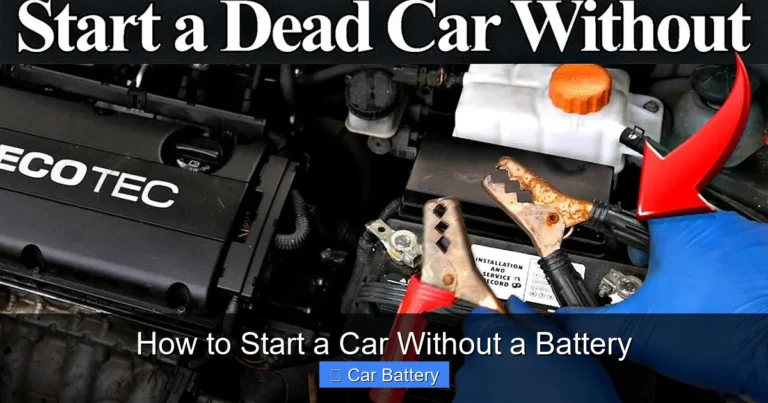
If the battery is simply discharged, a jump-start can get you going. You’ll need jumper cables and another vehicle (or a portable jump starter).
Steps:
- Turn off both vehicles.
- Connect the red (positive) clamp to the dead battery’s positive terminal.
- Connect the other red clamp to the good battery’s positive terminal.
- Connect the black (negative) clamp to the good battery’s negative terminal.
- Connect the other black clamp to an unpainted metal surface on the dead car (like a bolt or bracket)—not the battery terminal.
- Start the working car and let it run for 5 minutes.
- Try starting the dead car. If it starts, let it run for at least 15–20 minutes to recharge the battery.
- Disconnect the cables in reverse order.
Warning: Never let the clamps touch each other while connected to a battery. This can cause sparks, damage electronics, or even explode the battery.
Clean the Battery Terminals
If corrosion is the issue, cleaning the terminals often solves the problem.
Steps:
- Disconnect the negative cable first, then the positive.
- Mix 1 tablespoon of baking soda with 1 cup of water.
- Apply the solution to the terminals and use a wire brush to scrub away corrosion.
- Rinse with water and dry thoroughly.
- Reconnect the positive cable first, then the negative.
- Apply terminal protector spray or petroleum jelly to prevent future corrosion.
Replace the Battery
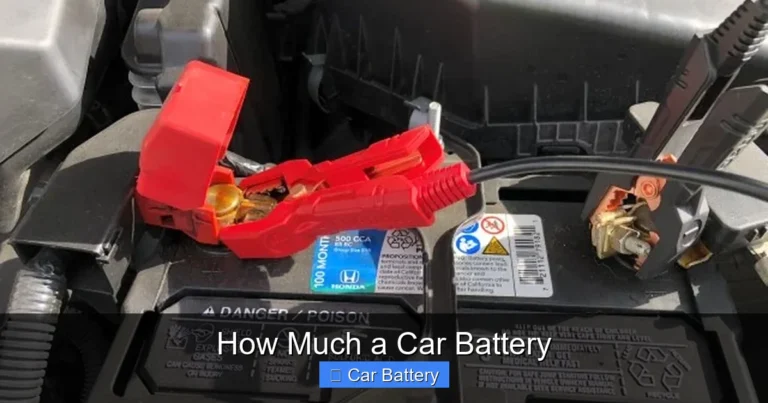
If the battery is old or fails a load test, replacement is the best option. Most auto parts stores can test your battery for free and install a new one.
When choosing a new battery, consider:
- Group size: Must match your car’s specifications.
- CCA (Cold Cranking Amps): Higher is better for cold climates.
- Reserve capacity: How long the battery can run essentials if the alternator fails.
- Warranty: Look for at least a 3-year free replacement warranty.
Repair or Replace the Alternator
If the alternator is faulty, it needs professional attention. A mechanic can test it and replace it if necessary. Ignoring a bad alternator can lead to repeated battery failures and leave you stranded.
Address Parasitic Drain
If you’ve identified a parasitic drain, locate and fix the source. Check interior lights, trunk latches, and aftermarket electronics. If you can’t find the cause, a mechanic can perform a parasitic drain test.
Preventing Future Dead Battery Issues
The best way to deal with a dead car battery clicking sound is to prevent it from happening in the first place. A little maintenance goes a long way.
Regular Battery Maintenance
Check your battery terminals every few months. Clean them if you see corrosion. Ensure they’re tight and secure.
Test your battery voltage at least twice a year—once in fall and once in spring. Many auto parts stores offer free testing.
Drive Regularly
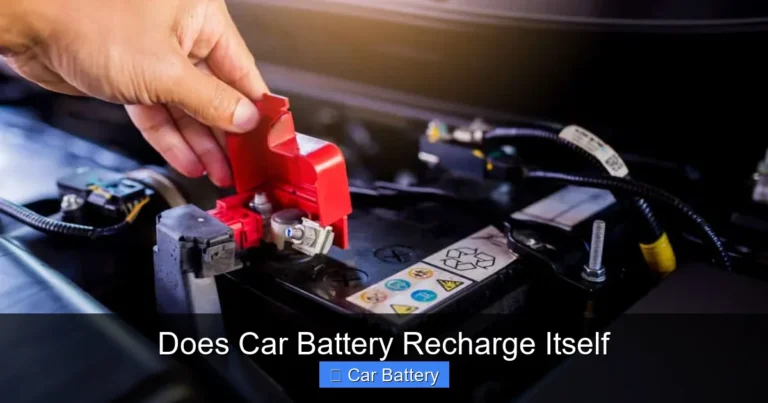
If you don’t drive often, the battery can lose charge over time. Try to drive at least 20–30 minutes once a week to keep the battery charged.
For long-term storage, consider a battery maintainer or trickle charger. These devices keep the battery at full charge without overcharging.
Avoid Leaving Accessories On
Make it a habit to check that lights, radios, and phone chargers are off before leaving the car. A simple walk-around can prevent accidental drain.
Use a Battery Insulator in Extreme Climates
In very cold or hot areas, a battery insulator or blanket can help maintain optimal temperature. This is especially useful for older batteries.
Replace the Battery Before It Fails
Don’t wait for the clicking sound. Replace your battery every 4–5 years, or sooner if you live in extreme climates or notice slow cranking.
When to Call a Professional
While many battery issues can be fixed at home, some require expert help. Call a mechanic if:
- Jump-starting doesn’t work
- The car starts but dies immediately
- You suspect alternator or starter problems
- You’re uncomfortable working with car electronics
- The battery repeatedly dies despite maintenance
A professional can perform a full electrical system diagnosis and ensure everything is working correctly.
Conclusion
The dead car battery clicking sound is more than just an annoyance—it’s a warning sign that your vehicle’s electrical system needs attention. While it’s often caused by a simple issue like a weak battery or corroded terminals, it can also point to deeper problems like a faulty alternator or parasitic drain.
By understanding what the clicking means, diagnosing the cause, and taking preventive steps, you can avoid being stranded and extend the life of your battery. Regular maintenance, smart driving habits, and timely replacements are key to keeping your car reliable.
Next time you hear that click, don’t panic. Take a deep breath, check the basics, and remember—most battery issues are fixable with the right knowledge and tools. Stay prepared, stay safe, and keep rolling.
Frequently Asked Questions
Why does my car make a clicking sound but won’t start?
The clicking sound usually means the battery doesn’t have enough power to turn the starter motor. It could be due to a dead battery, loose connections, or a faulty alternator. Check the battery voltage and terminals first.
Can a bad alternator cause a clicking sound?
Yes, if the alternator isn’t charging the battery, the battery can drain and cause clicking when you try to start the car. If the car starts with a jump but dies soon after, the alternator is likely the problem.
How long should I let my car run after a jump-start?
Let the car run for at least 15–20 minutes to allow the alternator to recharge the battery. For best results, drive the car rather than idling, as driving generates more charging power.
Is it safe to jump-start a car in the rain?
Yes, it’s generally safe as long as you avoid touching metal parts and keep the cables away from moving engine components. Water doesn’t conduct electricity well enough to cause shocks in this context, but use caution.
How often should I replace my car battery?
Most car batteries last 3–5 years. Replace it sooner if you live in extreme temperatures, notice slow cranking, or the battery is over 4 years old. Regular testing can help you catch issues early.
Can I drive with a clicking sound when starting?
No, the clicking sound means the battery can’t start the engine. Continuing to try may drain the battery further or damage the starter. Address the issue immediately—jump-start, clean terminals, or replace the battery.