
Continental ExtremeContact Sport vs Dunlop Sport Maxx RT

As a former tire shop manager who tested rubber daily, I know this debate well. Between the continental extremecontact sport vs dunlop sport maxx rt, the Continental wins easily. It lasts much longer and rides far better on the street.
The Dunlop is a pure track tire disguised as street rubber. It grips hard but wears out too fast for daily driving. Both are UHP (ultra-high-performance) tires. This means they are made only for warm weather.
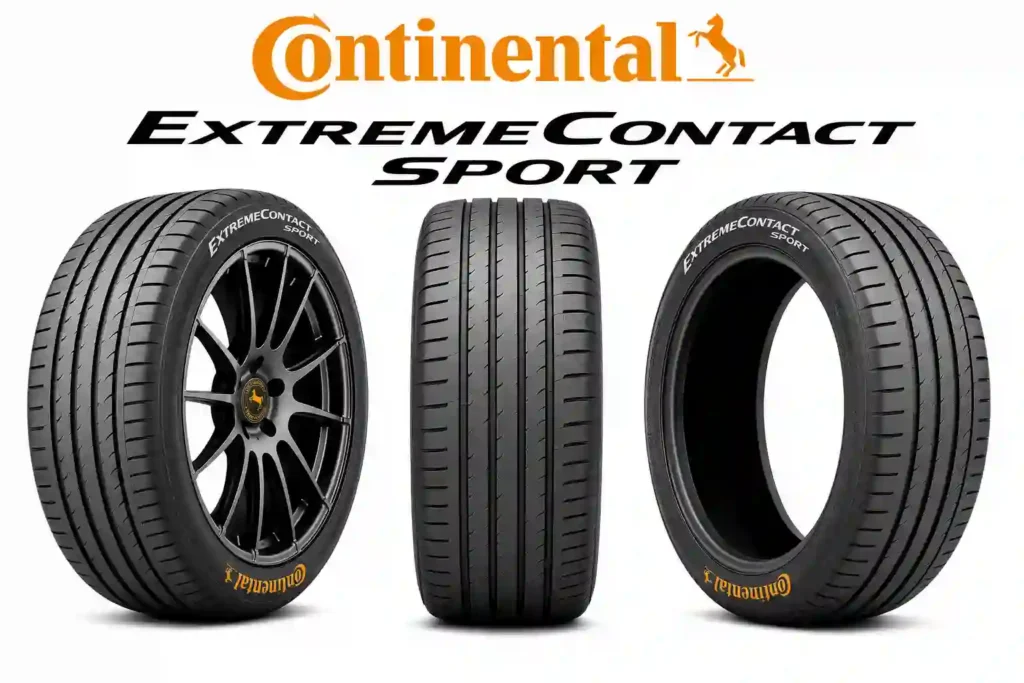
Why the Right Choice Matters
Picking the wrong UHP tire will cost you money. Stiff track tires ruin a daily commute. Soft street tires melt on the track. You must match the tire to your drive.
I have mounted hundreds of these tires. The drivers who buy the Dunlop for a daily commute always regret it. The drivers who buy the Continental come back for more.
Side-by-Side Spec Comparison
To see the real differences, we have to look at the hard numbers. The basic specs tell a very clear story about tread life.
Both tires aim for top speed and grip. But they use very different formulas to get there. Here is how they stack up on paper.
| Spec Category | Continental ExtremeContact Sport | Dunlop Sport Maxx RT |
| Tire Class | Max Performance Summer | Max Performance Summer |
| UTQG Rating | 340 AA A | 240 AA A |
| Tread Depth | 10/32″ | 10/32″ |
| Weight (Est) | Lighter | Heavier |
| Warranty | 30,000 Miles | None |
The UTQG (Uniform Tire Quality Grading) is a government treadwear number. A higher number means the rubber lasts longer.
The Continental crushes the Dunlop in expected lifespan. The Dunlop has no tread warranty at all. This is a huge warning sign for daily drivers.
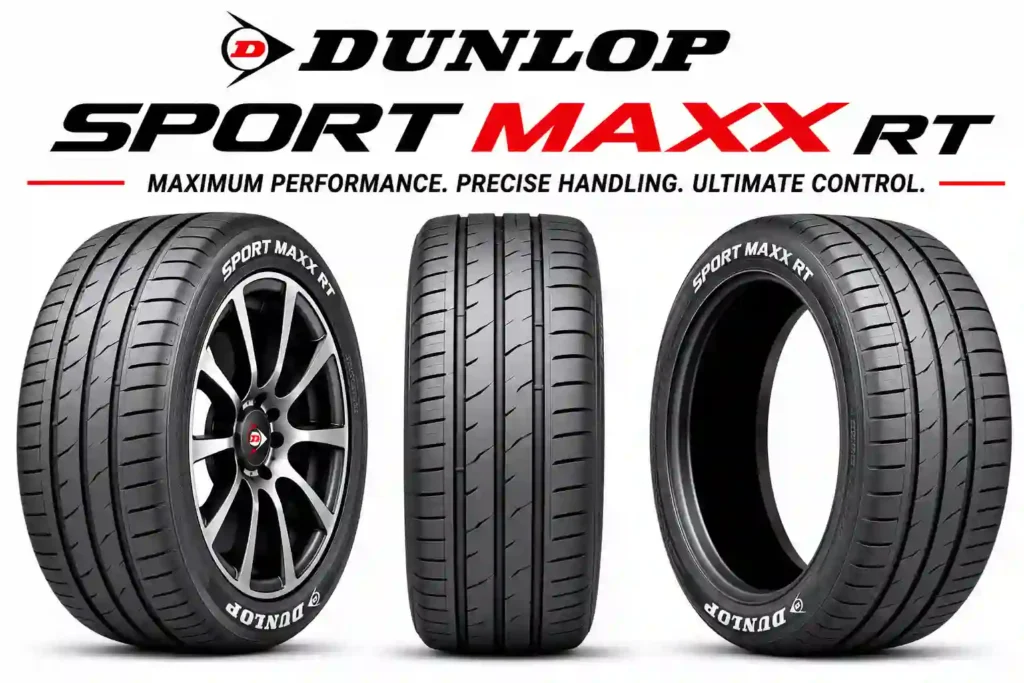
Performance Overview and Rubber Compounds
Tires are just baked chemical recipes. The rubber compound decides how the tire grabs the road. A softer mix grips better but wears out fast.
Continental uses a smart mix of silica. Silica is a chemical that helps rubber stick to wet roads. Dunlop uses a race-derived compound built for pure heat.
Continental’s Formula
The Continental is built to flex slightly. This flex keeps the contact patch flat. The contact patch is the part of the tire that touches the road.
This flex gives it great street manners. It warms up fast on cool mornings. You do not have to drive hard to get good grip.
Dunlop’s Racing Roots
The Dunlop uses massive shoulder blocks. These are the thick chunks of rubber on the outside edge. They are built for extreme side loads.
“A pure track tire needs heat to work. If your morning commute is just ten minutes of stop-and-go, a race-compound tire will feel like driving on hard plastic blocks.”
Dry Grip and Off-the-Line Acceleration
On a hot, dry day, both of these tires are amazing. They dig into the hot blacktop and push you forward fast.
But they feel very different when you press the gas hard. One tire gives a smooth launch. The other bites the road violently.
| Dry Performance | Continental ExtremeContact Sport | Dunlop Sport Maxx RT |
| Launch Grip | 8.5 / 10 | 9.5 / 10 |
| Traction Loss | Gradual and safe | Sharp and sudden |
| Heat Tolerance | Good | Excellent |
| Rolling Speed | Fast | Very Fast |
The Dunlop is the king of the dry launch. Its sticky rubber grabs the road instantly. You get zero wheel spin off the line.
The Continental is slightly softer. If you drop the clutch with huge horsepower, it might spin for a split second. But it recovers very fast.
Cornering, Steering Response, and Apex Grip
Taking a sharp turn fast shows a tire’s true skill. A good UHP tire makes your car feel like it is on train tracks.
The Dunlop has an incredibly stiff sidewall. The sidewall is the side of the tire that holds up the car. Stiff sides mean instant turning.
Steering Feel
When I drove a car with the Dunlop tires, the steering felt electric. You turn the wheel, and the car darts left instantly. There is no delay.
The Continental has a tiny bit of soft delay. It rolls into the turn smoothly. It is less jerky, which is better for long highway drives.
Hitting the Apex
In a hard corner, the Dunlop holds the line perfectly. Its massive outer tread blocks do not bend. You can push it to the absolute limit.
The Continental still corners very well. But if you push it too hard on a race track, the outer edges can roll slightly.
Braking Distance on Dry and Wet Pavement
Going fast is fun, but stopping fast saves lives. Braking relies purely on the rubber compound and the road surface.
In dry weather, both tires stop your car in an instant. But when the road gets wet, a massive gap appears between them.
| Braking Conditions | Continental ExtremeContact Sport | Dunlop Sport Maxx RT |
| 60-0 mph Dry | Excellent (approx 105 ft) | Incredible (approx 102 ft) |
| 60-0 mph Wet | Very Short (Safe) | Longer (Caution needed) |
| Pedal Feel | Smooth and steady | Hard and firm |
| ABS Triggers | Rarely | Faster in rain |
The Continental is a wet-braking monster. It stops cars fast even in pouring rain. Its smart grooves push water out of the way.
The Dunlop struggles to stop in heavy rain. The huge blocks that help it corner dry act like skis on water. You will slide further.
Wet Performance and Hydroplaning Resistance
Hydroplaning is terrifying. It happens when your tire floats on top of a puddle. You lose all steering and braking control.
To stop this, tires use siping. Siping refers to tiny slits in the tread that suck up water. Deep grooves also push water out the back.
Fighting Deep Water
I once drove the Continentals through a massive summer storm on the highway. The car felt totally glued to the road at 65 mph. The deep grooves work perfectly.
The Dunlop Wet Flaw
The Dunlop is scary in deep water. It lacks the deep rain channels needed for highway storms. If you hit a puddle fast, the steering wheel gets very light.
Ride Comfort on Rough City Streets
Most sports cars already ride harsh. Adding stiff track tires makes the ride brutal. Comfort matters a lot for a daily driver.
NVH stands for Noise, Vibration, and Harshness. A great street tire keeps NVH low. A track tire ignores NVH completely.
| Ride Comfort Specs | Continental ExtremeContact Sport | Dunlop Sport Maxx RT |
| Bump Absorption | Smooth for a UHP | Very harsh and jarring |
| Sidewall Flex | Moderate (Comfortable) | Ultra-Stiff (Race-feel) |
| Highway Cruising | Relaxed | Tiring |
| Pothole Danger | Low risk of rim damage | High risk of rim bends |
The Continental soaks up bumps surprisingly well. It acts like a rubber sponge over small road cracks. It makes daily driving fun.
The Dunlop crashes over bumps. When I mounted Dunlops on a customer’s car, he complained that he felt every pebble on the road.
Road Noise Levels at Highway Speeds
Loud tires will give you a headache. At 70 mph, the air rushing through the tire grooves makes a loud humming sound.
Tire makers change the size of the tread blocks to cancel out this noise. Continental did a great job tuning the sound out.
Highway Droning
The Continental is very quiet for a sports tire. You can easily listen to the radio or talk to a friend on the highway.
The Dunlop hums loudly. As the Dunlop wears down, the noise gets much worse. By the time it hits half tread, it sounds like an airplane taking off.
Tread Life, UTQG Ratings, and Warranties
Tread life is the biggest difference in this fight. High-performance tires are expensive. You want them to last more than one summer.
The UTQG rating tells the truth. The Continental is a 340. The Dunlop is a 240. This is a massive gap in rubber life.
| Treadwear Specs | Continental ExtremeContact Sport | Dunlop Sport Maxx RT |
| UTQG Rating | 340 (Long life) | 240 (Very short life) |
| Expected Miles | 25,000 to 30,000 | 12,000 to 15,000 |
| Mileage Warranty | 30,000 Miles | None offered |
| Tread Wear Style | Even and flat | Can cup on the edges |
The Continental gives you a 30,000-mile warranty. That is rare and amazing for a UHP tire. It shows the brand trusts the rubber.
The Dunlop offers zero mileage warranty. I have seen Dunlops worn down to the metal cords after just 12,000 miles of hard driving.
Price vs Performance Value Breakdown
Value is about cost per mile. A cheaper tire is bad if it wears out twice as fast. You must look at the long-term math.
The Continental costs a bit more upfront. But because it lasts twice as long, it is actually the much cheaper tire to own.
| Cost Value Math | Continental ExtremeContact Sport | Dunlop Sport Maxx RT |
| Upfront Price | Moderate to High | Moderate |
| Cost Per Mile | Very Low | Very High |
| Replacement Rate | Every 3-4 summers | Every 1-2 summers |
| Overall Value | Outstanding | Poor for street use |
Buying the Dunlop means buying tires very often. You also have to pay a shop for mounting and balancing twice as often.
“Never buy a 240 UTQG tire for a commuter car. You will be back in the shop buying a new set before your next yearly inspection.”
Comprehensive Pros and Cons List
Every tire has a weak spot. Knowing the flaws stops you from making a bad purchase. Let us break down the good and bad.
The Continental is balanced. The Dunlop is an extreme tool for a very specific job.
| Tire Model | The Good | The Bad |
| Continental | Amazing rain grip, long life, quiet | Steering is slightly less sharp |
| Dunlop | Incredible dry grip, instant steering | Very fast wear, loud, bad in rain |
The Continental wins because its flaw is tiny. You only notice the softer steering on a race track. But you notice the rain grip every day.
The Dunlop’s flaws hurt you every day. Fast wear, loud noise, and bad rain traction make it a harsh street companion.
Exactly Which Tire Should You Choose?
This is an easy choice for 90% of drivers. The winner of the continental extremecontact sport vs dunlop sport maxx rt clash depends on your goal.
If you drive your car to work, take road trips, and drive in the rain, buy the Continental. It is the smarter, safer, and cheaper long-term choice.
Who Should AVOID Dunlop?
Skip the Dunlop if you drive more than 5,000 miles a year. Skip it if you hate road noise. Skip it if you live in a rainy state.
Why Continental Won
It won because it masters the wet road. It stops 15 feet shorter on wet roads because of its soft silica rubber. It also saves you money with double the tread life.
Final Verdict: The Best Overall Choice
The Continental ExtremeContact Sport is the clear winner. It delivers 95% of the Dunlop’s dry performance without any of the daily driving pain.
Check your driver-side door jamb to find your exact factory tire size. Measure your current tread depth, and if you are at 4/32″ or lower, upgrade to the Continentals today.
FAQ for continental extremecontact sport vs dunlop sport maxx rt
Which tire is better in the rain?
The Continental is vastly superior in the rain. Its deep grooves and silica compound stop hydroplaning and provide safe wet braking.
How long does the Dunlop Sport Maxx RT last?
It wears out fast due to its 240 UTQG rating. Most drivers only get 12,000 to 15,000 miles before needing a replacement.
Can I drive these tires in the snow?
No. Both are max performance summer tires. The rubber will freeze, crack, and lose all grip in winter conditions.
