
Cold Weather Low Tire Pressure

Cold weather low tire pressure is a common but often overlooked issue that affects vehicle safety and performance. As temperatures drop, air inside tires contracts, leading to underinflated tires that can reduce fuel efficiency, increase wear, and compromise handling. Regular checks and proactive maintenance are essential to stay safe on winter roads.
Key Takeaways
- Temperature drops reduce tire pressure: For every 10°F decrease in temperature, tire pressure can drop by 1 PSI, making cold weather a major cause of underinflation.
- Underinflated tires are dangerous: Low pressure increases the risk of blowouts, reduces traction, and negatively impacts braking and steering, especially on icy or snowy roads.
- Check tire pressure monthly: Make it a habit to inspect tire pressure at least once a month, and always before long trips or extreme weather changes.
- Use a quality tire pressure gauge: Relying on visual inspection isn’t enough—use a digital or analog gauge for accurate readings, preferably when tires are cold.
- Don’t ignore the TPMS warning light: The Tire Pressure Monitoring System (TPMS) alerts you to low pressure—don’t delay checking your tires when it illuminates.
- Inflate to the manufacturer’s recommended PSI: Find the correct pressure in your owner’s manual or on the driver’s side door jamb sticker—not the max PSI listed on the tire sidewall.
- Consider winter tires for extreme cold: Winter tires are designed to stay flexible in freezing temperatures and often perform better with consistent pressure in cold weather.
📑 Table of Contents
Why Cold Weather Causes Low Tire Pressure
You’ve probably noticed that your car’s tire pressure warning light flickers on during a chilly morning, especially in winter. It’s not your imagination—cold weather really does cause low tire pressure. This phenomenon is rooted in basic physics: as temperatures drop, the air molecules inside your tires move more slowly and take up less space. This contraction reduces the air pressure, even if no air has physically leaked out.
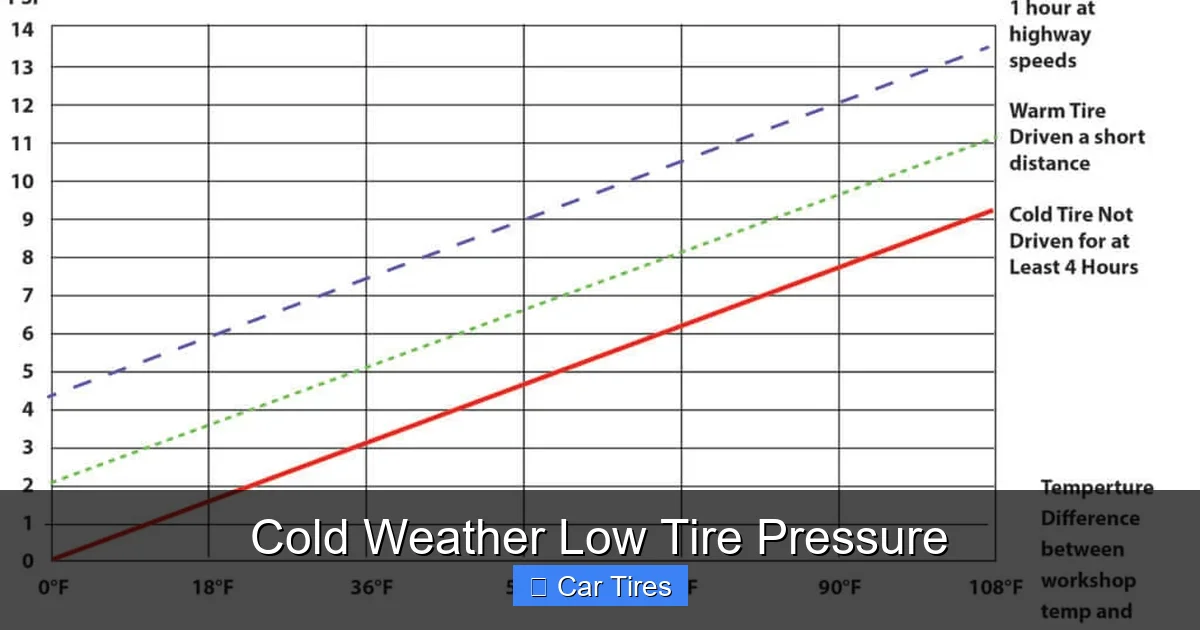
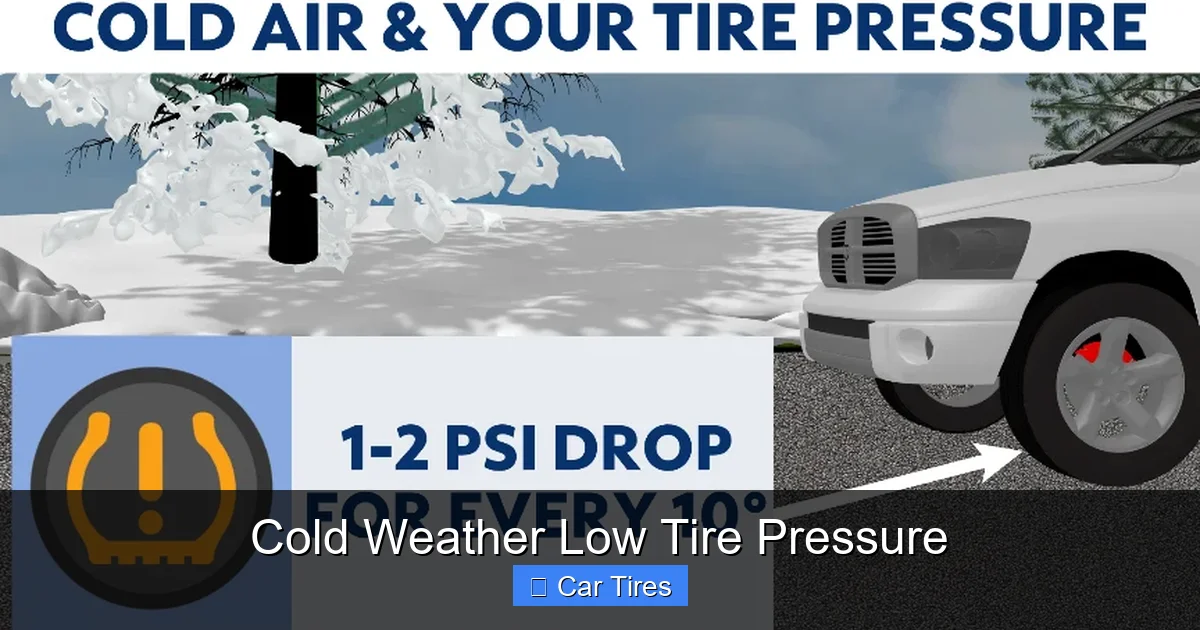
For every 10°F (about 5.5°C) decrease in temperature, tire pressure can drop by approximately 1 pound per square inch (PSI). So, if your tires were properly inflated at 60°F and the temperature suddenly drops to 30°F, you could lose around 3 PSI. That might not sound like much, but it’s enough to trigger your vehicle’s Tire Pressure Monitoring System (TPMS) and put your safety at risk. This effect is especially noticeable during seasonal transitions, like fall to winter, when overnight lows can plummet dramatically.
The Science Behind Air Contraction
The relationship between temperature and air pressure is described by the Ideal Gas Law, which states that pressure and temperature are directly proportional when volume is constant. In simpler terms, when it gets colder, the air inside your tires compresses, reducing pressure. This isn’t a defect in your tires—it’s a natural occurrence. Even brand-new, perfectly sealed tires will experience this pressure drop in cold conditions.
It’s also important to note that this effect is cumulative. If your tires are already slightly underinflated due to a slow leak or normal air loss over time (tires naturally lose about 1-2 PSI per month), the cold weather will amplify the problem. This is why many drivers find their TPMS light comes on during winter months, even if they checked their tires recently in warmer weather.
Real-World Example: A Winter Morning Surprise
Imagine you filled your tires to the recommended 35 PSI on a mild autumn day at 55°F. A week later, a cold snap hits, and overnight temperatures drop to 25°F. By morning, your tire pressure could be as low as 32 PSI—still within a safe range, but close to the threshold where performance begins to degrade. If you then drive to work and the tires warm up from friction, the pressure might rise slightly, but it won’t fully compensate for the initial drop. This cycle of cooling and warming can confuse drivers who think their tires are fine because the light eventually turns off.
The Dangers of Driving with Low Tire Pressure in Cold Weather
Driving with underinflated tires is never a good idea, but it’s especially risky in cold weather. Winter roads are already more hazardous due to ice, snow, and reduced visibility. Adding low tire pressure to the mix significantly increases the chances of accidents, breakdowns, and costly repairs.
Visual guide about Cold Weather Low Tire Pressure
Image source: worldofspeed.org
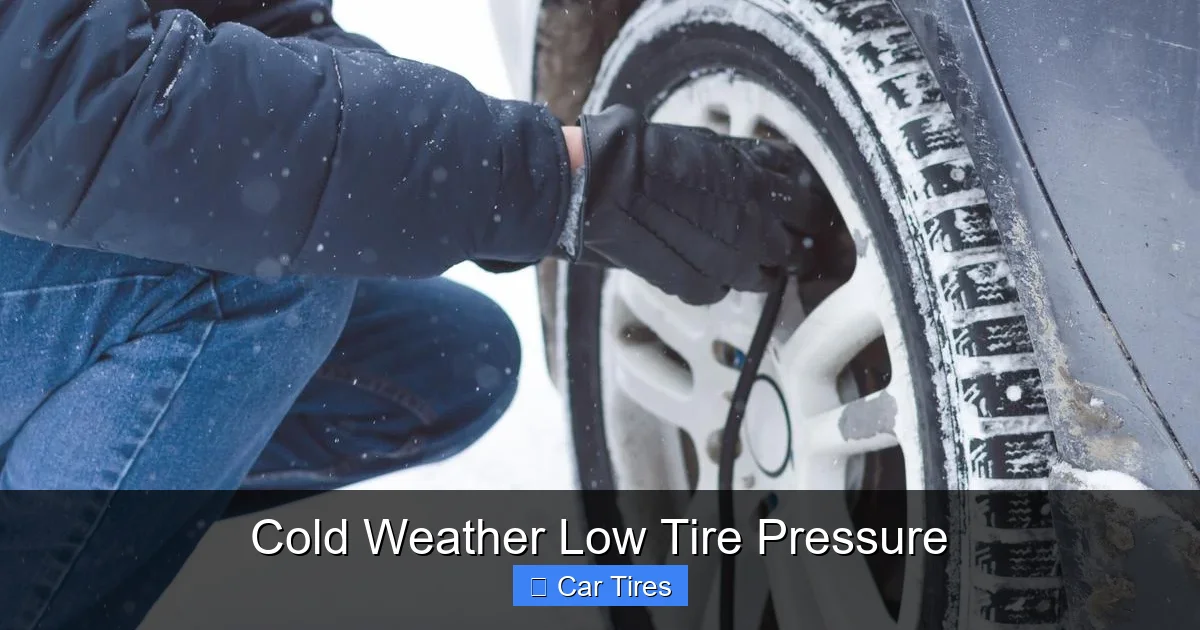
When tires are underinflated, the sidewalls flex more than they’re designed to. This excessive flexing generates heat, which can weaken the tire structure over time. In extreme cases, this can lead to a blowout—particularly dangerous at high speeds or on slippery roads. Even if a blowout doesn’t occur, underinflated tires reduce your vehicle’s responsiveness, making it harder to steer, brake, or maintain control during sudden maneuvers.
Reduced Traction and Handling
Properly inflated tires maintain optimal contact with the road surface. When pressure is low, the tire’s footprint—the area that touches the ground—becomes larger and uneven. This might sound beneficial, but it actually reduces grip. The tire can’t maintain consistent pressure across the tread, leading to patchy contact and reduced traction. On icy or snowy roads, this can mean the difference between stopping safely and skidding into a ditch.
Additionally, underinflated tires increase rolling resistance, which means your engine has to work harder to move the vehicle. This not only reduces fuel efficiency—by up to 3% for every 1 PSI drop below recommended levels—but also puts extra strain on your vehicle’s suspension and drivetrain components.
Increased Risk of Hydroplaning and Blowouts
In winter, wet or slushy roads are common, even when it’s not actively snowing. Underinflated tires are more prone to hydroplaning because the tread can’t channel water away effectively. The reduced rigidity of the tire sidewall also makes it more susceptible to damage from potholes, curbs, or debris, which are often hidden under snow or ice.
Perhaps the most serious risk is a tire blowout. When a tire is underinflated and driven on, internal components like the belts and casing can overheat and fail. This is especially dangerous on highways, where high speeds increase the likelihood of a sudden, catastrophic failure. A blowout can cause loss of control, especially in winter conditions where recovery is more difficult.
How to Check and Maintain Tire Pressure in Cold Weather
The good news is that cold weather low tire pressure is entirely preventable with regular maintenance and a few smart habits. The key is to stay proactive—don’t wait for the TPMS light to come on before checking your tires. By making tire pressure checks a routine part of your winter car care, you can ensure your vehicle remains safe and efficient all season long.
Visual guide about Cold Weather Low Tire Pressure
Image source: ricksfreeautorepairadvice.com
Start by investing in a reliable tire pressure gauge. Digital gauges are easy to read and often more accurate than analog ones, but a good-quality analog gauge works just fine. Avoid relying on the gauges at gas stations, as they can be outdated or poorly maintained. Always check your tires when they’re “cold,” meaning the car hasn’t been driven for at least three hours or has been driven less than a mile at low speed. This ensures an accurate reading, as driving heats up the tires and increases pressure.
Step-by-Step Guide to Checking Tire Pressure
1. Locate the recommended PSI: Check your owner’s manual or the sticker on the driver’s side door jamb. This number is specific to your vehicle and accounts for weight, performance, and safety. Never use the maximum PSI listed on the tire sidewall—that’s the tire’s limit, not the ideal pressure.
2. Remove the valve cap: Unscrew the small cap on the tire’s valve stem and keep it in a safe place (like your pocket or glove box) so you don’t lose it.
3. Press the gauge onto the valve stem: Press firmly to create a seal. You’ll hear a brief hiss of air—that’s normal. Hold it steady until the reading stabilizes.
4. Read the pressure: Compare the reading to the recommended PSI. If it’s low, add air using an air compressor (available at most gas stations).
5. Recheck and replace the cap: After adding air, recheck the pressure to ensure it’s correct. Screw the valve cap back on tightly.
When and How Often to Check
Make it a habit to check your tire pressure at least once a month, and always before long trips or when temperatures change significantly. Winter demands extra attention—consider checking every two weeks during the coldest months. If you live in an area with extreme temperature swings, you might need to check weekly.
Also, don’t forget the spare tire! Many drivers overlook it, but a flat spare can leave you stranded in an emergency. Check its pressure at least twice a year, or before a long winter drive.
Understanding Your Vehicle’s TPMS
Most modern vehicles (2008 and newer in the U.S.) come equipped with a Tire Pressure Monitoring System (TPMS). This system uses sensors inside the tires or in the valve stems to monitor pressure and alert you when it drops below a safe threshold. The warning light—usually a yellow or orange icon shaped like a tire cross-section with an exclamation point—appears on your dashboard.
Visual guide about Cold Weather Low Tire Pressure
Image source: spectrumnews1.com
While TPMS is a helpful safety feature, it’s not a substitute for regular manual checks. The system typically triggers when pressure drops about 25% below the recommended level, which is already dangerously low. By the time the light comes on, your tires may have been underinflated for days or even weeks. Additionally, TPMS sensors can fail due to battery depletion (they last 5-10 years) or damage from road debris.
What to Do When the TPMS Light Comes On
If the TPMS light illuminates, don’t panic—but don’t ignore it either. Pull over safely as soon as possible and check your tire pressure with a gauge. If one or more tires are low, inflate them to the correct PSI. In cold weather, the light may come on simply because of a temperature drop, and it might turn off after driving for a while as the tires warm up. However, if the light stays on or comes back frequently, there may be a leak or a faulty sensor.
If you’re unsure, visit a trusted mechanic or tire shop. They can diagnose the issue and reset the TPMS if needed. Some vehicles require a manual reset procedure after inflating the tires, which can usually be found in the owner’s manual.
Tips for Preventing Cold Weather Low Tire Pressure
Prevention is always better than reaction, especially when it comes to tire safety. A few simple strategies can help you avoid the headaches and hazards of low tire pressure during winter.
First, consider using nitrogen instead of regular air to inflate your tires. Nitrogen molecules are larger and less prone to leakage, and they’re less affected by temperature changes. While the benefits are debated, some drivers swear by nitrogen for maintaining consistent pressure in extreme climates. It’s widely available at tire shops and some gas stations, though it may cost a small fee.
Second, park in a garage whenever possible. Even an unheated garage provides insulation from the coldest outdoor temperatures, helping to stabilize tire pressure. If you don’t have a garage, try to park in a sheltered area or use tire covers designed to retain heat.
Invest in Winter Tires
If you live in a region with harsh winters, consider switching to winter tires. These tires are made with special rubber compounds that stay flexible in freezing temperatures, providing better grip and performance. They’re also designed to maintain pressure more consistently in cold weather. While they’re an added expense, the improved safety and handling are worth it for many drivers.
Winter tires should be installed in sets of four to ensure balanced performance. They’re typically used from late fall through early spring, depending on your local climate. When not in use, store them properly in a cool, dry place to extend their lifespan.
Monitor Temperature Changes
Stay aware of upcoming weather forecasts. If a cold front is moving in, check your tire pressure the night before. This simple step can prevent the TPMS light from surprising you on a frigid morning. Similarly, after a warm spell in winter, recheck your tires—temperature swings can cause rapid pressure changes.
Conclusion: Stay Safe and In Control This Winter
Cold weather low tire pressure is a predictable and manageable issue, but it demands attention. By understanding why it happens and taking proactive steps to monitor and maintain your tires, you can protect yourself, your passengers, and your vehicle from the dangers of underinflation. Remember, your tires are the only part of your car that touches the road—keeping them in optimal condition is one of the most important things you can do for winter driving safety.
Make tire pressure checks a regular part of your routine, especially as temperatures drop. Use a quality gauge, follow the manufacturer’s recommendations, and don’t ignore warning lights. With a little effort, you can enjoy a smoother, safer, and more efficient drive all winter long.
Frequently Asked Questions
Why does my tire pressure drop in cold weather?
Cold temperatures cause the air inside your tires to contract, reducing pressure. For every 10°F drop in temperature, tire pressure can decrease by about 1 PSI. This is a normal physical reaction and not a sign of a leak.
How often should I check my tire pressure in winter?
Check your tire pressure at least once a month, and consider checking every two weeks during winter. Always check before long trips or when temperatures change significantly.
Can I rely on the TPMS light to know when my tires are low?
No, the TPMS light typically activates only when pressure drops about 25% below recommended levels, which is already unsafe. Always use a manual gauge for accurate readings.
Should I inflate my tires to the max PSI on the sidewall?
No, the max PSI on the tire sidewall is the tire’s maximum safe pressure, not the ideal for your vehicle. Always use the PSI recommended by your car’s manufacturer, found on the door jamb sticker or in the owner’s manual.
Do winter tires help with low tire pressure in cold weather?
Winter tires are designed to perform better in cold conditions and may maintain pressure more consistently. However, they still require regular checks and proper inflation.
What should I do if my TPMS light comes on in winter?
Pull over safely and check your tire pressure with a gauge. Inflate as needed. If the light stays on, there may be a leak or sensor issue—visit a mechanic for diagnosis.
