Cold Weather and Tire Pressure Light
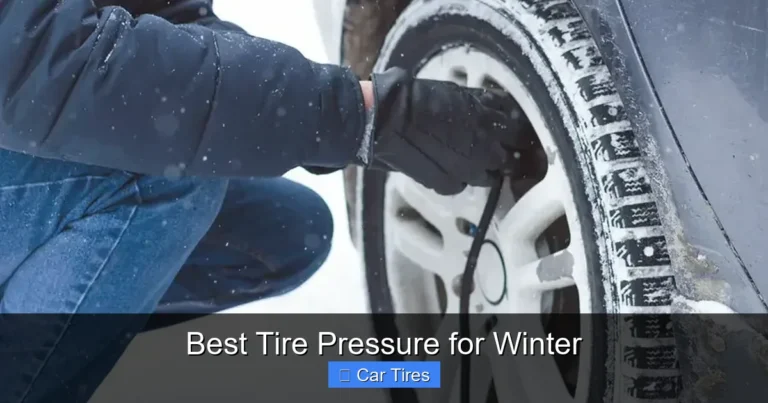
Cold weather causes tire pressure to drop, often triggering the tire pressure monitoring system (TPMS) light. This is normal but requires attention to ensure safety and optimal performance. Understanding the science behind it and knowing how to respond can prevent accidents and extend tire life.
In This Article
- 1 Key Takeaways
- 2 📑 Table of Contents
- 3 Why Does the Tire Pressure Light Come On in Cold Weather?
- 4 How Cold Weather Affects Tire Pressure
- 5 What to Do When the Tire Pressure Light Comes On
- 6 Preventing Cold Weather Tire Pressure Issues
- 7 The Risks of Driving with Low Tire Pressure
- 8 When to See a Professional
- 9 Conclusion
- 10 Frequently Asked Questions
- 10.1 Why does my tire pressure light come on when it’s cold?
- 10.2 Is it safe to drive with the tire pressure light on in cold weather?
- 10.3 Should I inflate my tires more in winter to prevent the light from coming on?
- 10.4 Can I reset the tire pressure light myself?
- 10.5 Do winter tires help with tire pressure stability?
- 10.6 How often should I check tire pressure in winter?
Key Takeaways
- Understanding cold weather and tire pressure light: Provides essential knowledge
📑 Table of Contents
Why Does the Tire Pressure Light Come On in Cold Weather?
If you’ve ever woken up on a frosty winter morning to find your tire pressure monitoring system (TPMS) light glowing on the dashboard, you’re not alone. This is one of the most common—and often misunderstood—issues drivers face during colder months. The light doesn’t always mean you have a flat tire or a serious problem. In fact, it’s frequently triggered by nothing more than the natural behavior of air in cold temperatures.
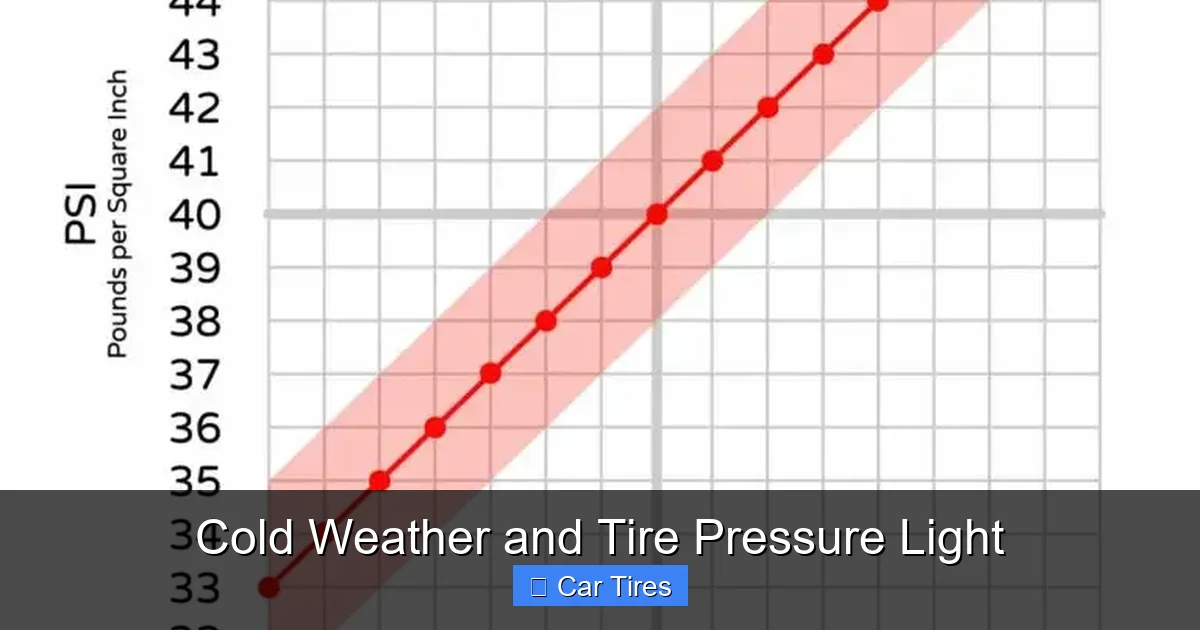
Here’s the science: air contracts when it gets cold. As the temperature drops, the air molecules inside your tires move slower and take up less space, which reduces the internal pressure. For every 10°F (about 5.5°C) decrease in ambient temperature, your tire pressure drops by roughly 1 pound per square inch (PSI). So, if it was 60°F yesterday and drops to 30°F overnight, you could lose about 3 PSI across all four tires. That might be enough to trigger the TPMS warning light, especially if your tires were already near the lower end of the recommended pressure range.
This phenomenon is completely normal and happens to nearly every vehicle during seasonal temperature shifts. It’s not a defect in your car or tires—it’s basic physics. However, that doesn’t mean you should ignore the light. Low tire pressure, even if caused by cold weather, can affect your vehicle’s handling, braking, and fuel efficiency. Over time, underinflated tires wear unevenly and can overheat, increasing the risk of a blowout.
How the TPMS Detects Pressure Changes
Modern vehicles are equipped with a Tire Pressure Monitoring System (TPMS) designed to alert drivers when tire pressure falls below a safe threshold. There are two main types of TPMS: direct and indirect.
Direct TPMS uses sensors mounted inside each tire (usually on the valve stem) to measure the actual air pressure. These sensors transmit real-time data to the vehicle’s computer system. If the pressure in any tire drops below the recommended level—typically 25% below the manufacturer’s specification—the system triggers the warning light on your dashboard.
Indirect TPMS, on the other hand, doesn’t measure pressure directly. Instead, it uses the wheel speed sensors from the anti-lock braking system (ABS) to detect differences in tire rotation. Underinflated tires have a smaller diameter and spin faster than properly inflated ones. When the system notices a significant difference in rotation speed between tires, it assumes one or more tires are low and activates the warning light.
Both systems are effective, but direct TPMS is generally more accurate, especially in cold weather when small pressure changes can be critical. Regardless of the type, the TPMS is designed to keep you safe—but it can’t distinguish between a slow leak and a temperature-related pressure drop. That’s why it’s up to you to check your tires manually when the light comes on.
Real-World Example: A Winter Morning Surprise
Imagine this scenario: You live in Minnesota, and last night the temperature plunged from 45°F to 15°F. You drive your SUV to work the next morning, and halfway there, the tire pressure light flickers on. You pull over, check the tires visually—they look fine. No nails, no obvious damage. You’re tempted to dismiss it as a false alarm.
But here’s what likely happened: The cold snap caused the air in your tires to contract, dropping the pressure from 35 PSI to around 32 PSI. While that might not seem like a big difference, many TPMS systems are calibrated to alert you when pressure drops below 30–32 PSI (depending on the vehicle). So even a small change can trigger the light.
In this case, the solution is simple: stop at a gas station with an air pump and inflate the tires to the recommended level. But if you ignore it, you could be driving with underinflated tires for days—increasing wear, reducing fuel economy, and compromising safety.
How Cold Weather Affects Tire Pressure

Visual guide about Cold Weather and Tire Pressure Light
Image source: corwheels.com
Understanding how temperature impacts tire pressure is key to managing your vehicle’s performance in winter. It’s not just about the air inside the tire—it’s about the entire system responding to environmental changes.
As mentioned earlier, air behaves predictably under temperature changes. This principle is known as Charles’s Law, which states that the volume of a gas is directly proportional to its temperature (when pressure is constant). In simpler terms: when it gets colder, air takes up less space. Since your tires are a closed system, the volume can’t change—so the pressure drops instead.
This effect is consistent across all tires, but it can be more noticeable in certain situations. For example, if you park your car outside overnight in sub-freezing temperatures, the tires cool down significantly. But if you park in a heated garage and then drive in the cold, the temperature difference can cause a rapid pressure drop once the tires are exposed to the cold air.
The 10°F Rule: A Handy Guideline
A useful rule of thumb for drivers is the “10°F rule”: for every 10-degree drop in temperature, tire pressure decreases by about 1 PSI. This isn’t an exact science—factors like humidity, tire composition, and driving habits can influence the rate—but it’s a reliable estimate for planning and maintenance.
Let’s say your tires are properly inflated to 35 PSI on a mild autumn day at 60°F. If the temperature drops to 20°F overnight, you could expect a pressure loss of about 4 PSI, bringing your tires down to 31 PSI. If your vehicle’s TPMS threshold is 30 PSI, that’s enough to trigger the warning light.
This rule applies whether you’re dealing with a sudden cold front or a gradual seasonal shift. It’s especially important in regions with large temperature swings, like the Midwest or Northeast, where winter mornings can be drastically colder than afternoons.
Why Tire Composition Matters
Not all tires respond to cold in the same way. The materials used in tire construction—rubber compounds, steel belts, and inner liners—can influence how pressure changes with temperature.
For example, standard all-season tires are designed to perform well in a range of conditions, but their rubber can stiffen in extreme cold, making them less flexible. This doesn’t directly affect pressure, but it can impact how the tire maintains contact with the road, especially when underinflated.
Winter tires, on the other hand, are made with softer rubber compounds that stay pliable in freezing temperatures. They’re also designed to maintain better pressure stability in cold weather. If you live in an area with harsh winters, switching to winter tires can reduce the frequency of TPMS alerts and improve overall safety.
Additionally, tires with higher performance ratings (like those on sports cars) may be more sensitive to pressure changes due to their lower sidewall height and stiffer construction. These tires rely heavily on precise inflation for optimal handling, so even small pressure drops can be more noticeable.
The Impact of Altitude and Humidity
While temperature is the biggest factor, altitude and humidity can also play a role in tire pressure changes. At higher elevations, atmospheric pressure is lower, which can slightly affect how your TPMS interprets internal tire pressure. However, this effect is usually minor compared to temperature.
Humidity, or the amount of moisture in the air, can also influence pressure readings. Moist air is less dense than dry air, so humid conditions might result in slightly lower pressure readings. But again, this is a small factor—temperature remains the dominant influence.
The key takeaway? Focus on temperature as the primary driver of pressure changes in cold weather. But be aware that other environmental factors can contribute, especially if you’re traveling across different climates.
What to Do When the Tire Pressure Light Comes On
Visual guide about Cold Weather and Tire Pressure Light
Image source: tiregrades.com
Seeing the tire pressure light illuminate can be unsettling, especially if you’re not sure what’s causing it. But with a few simple steps, you can quickly assess the situation and take appropriate action.
First, don’t panic. The light doesn’t always mean you have a flat tire. In cold weather, it’s often just a response to temperature-related pressure loss. However, you should treat it seriously—low tire pressure can compromise safety, even if the drop is due to the cold.
Step 1: Find a Safe Place to Pull Over
As soon as it’s safe, pull over to a well-lit, flat area—like a gas station or parking lot. Avoid stopping on the shoulder of a busy road unless absolutely necessary. Turn on your hazard lights to alert other drivers.
Once you’re stopped, take a moment to visually inspect your tires. Look for obvious signs of damage: bulges, cuts, nails, or uneven wear. If one tire looks significantly lower than the others, it could indicate a puncture or leak.
Step 2: Check the Tire Pressure
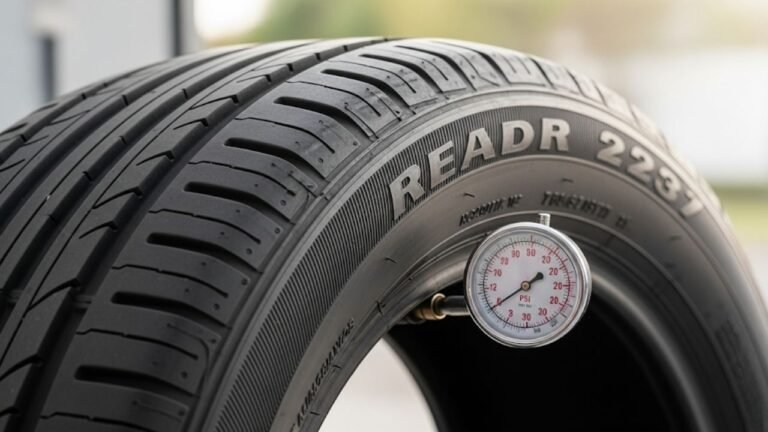
The next step is to measure the actual pressure in each tire. You’ll need a reliable tire pressure gauge—digital gauges are often more accurate and easier to read in cold conditions, but a good analog gauge works too.
Important: Check the pressure when the tires are “cold,” meaning the vehicle hasn’t been driven for at least three hours or driven less than a mile. Driving heats up the tires, which increases pressure and gives a false reading. For the most accurate results, check first thing in the morning before you start your day.
Locate the recommended tire pressure for your vehicle. This is not the number printed on the tire sidewall—that’s the maximum pressure the tire can handle. Instead, look for a sticker on the driver’s door jamb, inside the fuel filler door, or in the owner’s manual. This number is specific to your vehicle’s weight, size, and performance needs.
For example, a 2022 Honda CR-V might recommend 33 PSI for all four tires. A Ford F-150 could require 35 PSI in the front and 40 PSI in the rear due to its heavier load capacity.
Insert the gauge onto the valve stem and press firmly to get a reading. Compare each tire’s pressure to the recommended level. If one or more tires are below the threshold—especially by more than 3–4 PSI—you’ll need to add air.
Step 3: Inflate the Tires
Most gas stations have air pumps with built-in pressure gauges. Use your own gauge to double-check the reading, as station gauges can sometimes be inaccurate.
Attach the air hose to the valve stem and add air in short bursts, checking the pressure frequently. Overinflating can be just as dangerous as underinflating, so aim for the exact recommended PSI.
Once all tires are properly inflated, replace the valve stem caps and reset the TPMS if necessary. Some vehicles do this automatically after driving a short distance, while others require a manual reset using a button or menu in the dashboard.
Step 4: Monitor the Light
After inflating the tires, drive for a few minutes and see if the light turns off. If it does, you’ve likely resolved the issue. But if the light comes back on within a day or two, there may be a slow leak or a faulty sensor.
In that case, have your tires inspected by a professional. A mechanic can check for punctures, valve stem damage, or sensor malfunctions. Don’t ignore a recurring light—it could indicate a more serious problem.
Preventing Cold Weather Tire Pressure Issues
Visual guide about Cold Weather and Tire Pressure Light
Image source: roadwayready.com
The best way to deal with cold weather tire pressure problems is to prevent them from happening in the first place. A little proactive maintenance can save you time, money, and stress during the winter months.
Check Tire Pressure Monthly
Make it a habit to check your tire pressure at least once a month, and especially before long trips or when seasons change. Cold weather can sneak up quickly, and a single missed check could leave you with underinflated tires.
Keep a tire pressure gauge in your glove compartment or center console so it’s always within reach. Digital gauges with backlit displays are ideal for early morning or nighttime checks.
Inflate Tires in a Warm Environment
If possible, inflate your tires when they’re in a warm environment—like a heated garage. Cold air is denser, so you may need to add a little extra pressure to compensate for the temperature drop once you drive outside.
For example, if you inflate your tires to 35 PSI in a 70°F garage, they might read 33 PSI once exposed to 30°F air. To account for this, some drivers add 2–3 PSI when inflating in cold conditions, then adjust once the tires warm up.
Use Nitrogen Instead of Regular Air
Some drivers opt to fill their tires with nitrogen instead of compressed air. Nitrogen molecules are larger and less likely to seep through the tire rubber, which can help maintain more consistent pressure over time.
While nitrogen isn’t a magic solution, it can reduce the frequency of pressure checks, especially in extreme temperatures. Many tire shops offer nitrogen fills, though they may charge a small fee.
Consider Winter Tires
If you live in an area with long, harsh winters, investing in a set of winter tires can make a big difference. These tires are designed to perform better in snow, ice, and cold temperatures, and they often maintain more stable pressure in freezing conditions.
Winter tires also have deeper treads and special rubber compounds that improve traction, reducing the risk of accidents. While they’re an added expense, the safety benefits are well worth it for many drivers.
Keep an Eye on the Weather
Stay informed about upcoming temperature changes. If a cold front is moving in, consider checking your tire pressure a day or two in advance. This simple step can prevent the TPMS light from coming on unexpectedly.
Many weather apps now include tire pressure reminders based on local temperature forecasts. Some newer vehicles even have systems that alert you when pressure is likely to drop due to cold weather.
The Risks of Driving with Low Tire Pressure
Even if the tire pressure light comes on due to cold weather, driving with underinflated tires is never a good idea. The risks go beyond just a warning light—they can affect your safety, your wallet, and your vehicle’s performance.
Poor Handling and Braking
Underinflated tires have a larger contact patch with the road, which might sound good—but it actually increases rolling resistance and reduces responsiveness. Your steering may feel sluggish, and your car may take longer to stop, especially on wet or icy roads.
In emergency situations, this delay can be the difference between avoiding an accident and colliding with another vehicle or object.
Increased Risk of Blowouts
Low pressure causes the sidewalls of the tire to flex more than they’re designed to. This generates excess heat, which can weaken the tire structure over time. In extreme cases, this heat buildup can lead to a blowout—especially at high speeds.
A blowout is not only dangerous, but it can also cause you to lose control of the vehicle, particularly on highways or in bad weather.
Reduced Fuel Economy
Underinflated tires create more friction with the road, which means your engine has to work harder to move the vehicle. This reduces fuel efficiency, costing you more at the pump.
Studies show that driving with tires 20% below recommended pressure can reduce fuel economy by up to 3%. Over time, that adds up—especially for drivers who commute long distances.
Uneven Tire Wear
Low pressure causes tires to wear unevenly, with the outer edges wearing down faster than the center. This not only shortens the life of your tires but can also lead to vibrations and a rough ride.
Replacing tires prematurely is expensive, and uneven wear can also affect alignment and suspension components.
Increased Emissions
Poor fuel economy doesn’t just cost money—it also increases your vehicle’s carbon footprint. Underinflated tires contribute to higher CO2 emissions, which is bad for the environment.
By maintaining proper tire pressure, you’re not only protecting yourself but also doing your part to reduce pollution.
When to See a Professional
While many cold weather tire pressure issues can be resolved with a simple check and inflation, there are times when you should seek professional help.
If the TPMS light comes on frequently—even after you’ve inflated the tires—it could indicate a slow leak, a damaged valve stem, or a faulty sensor. A mechanic can perform a pressure test and inspect the tires for hidden damage.
You should also visit a professional if you notice uneven wear, vibrations, or a persistent drop in pressure. These could be signs of internal tire damage or alignment issues.
Additionally, if your vehicle has a direct TPMS, the sensors inside the tires have batteries that typically last 5–10 years. When the battery dies, the sensor can’t transmit data, and the system may malfunction. A tire shop can replace the sensors or recommend a retrofit solution.
Signs You Need Professional Help
- The TPMS light comes on repeatedly after inflation
- One tire consistently loses pressure faster than others
- You notice bulges, cracks, or deep cuts in the tire sidewall
- The tire pressure gauge shows inconsistent readings
- Your vehicle pulls to one side or vibrates at high speeds
Don’t wait until it’s too late. Addressing tire issues early can prevent more serious problems down the road.
Conclusion
Cold weather and tire pressure light warnings often go hand in hand—but that doesn’t mean you should ignore them. While the drop in pressure is usually due to natural air contraction in cold temperatures, it’s still important to check and adjust your tires regularly.
By understanding how temperature affects tire pressure, knowing how to respond when the light comes on, and taking preventive measures, you can stay safe and save money this winter. Remember: a few minutes spent checking your tires each month can prevent accidents, improve fuel economy, and extend the life of your tires.
Stay informed, stay prepared, and drive safely—no matter how cold it gets outside.
Frequently Asked Questions
Why does my tire pressure light come on when it’s cold?
When temperatures drop, the air inside your tires contracts, reducing pressure. For every 10°F decrease, tire pressure drops by about 1 PSI. This often triggers the TPMS light, even if there’s no leak.
Is it safe to drive with the tire pressure light on in cold weather?
It’s not recommended. Even if the drop is due to cold, underinflated tires can reduce handling, increase braking distance, and raise the risk of a blowout. Always check and inflate your tires when the light comes on.
Should I inflate my tires more in winter to prevent the light from coming on?
No—always inflate to the manufacturer’s recommended PSI, not above it. Overinflating can reduce traction and cause uneven wear. Instead, check pressure more often in cold weather.
Can I reset the tire pressure light myself?
Some vehicles reset automatically after driving a short distance with proper pressure. Others require a manual reset using a button or dashboard menu. Check your owner’s manual for instructions.
Do winter tires help with tire pressure stability?
Yes. Winter tires are made with softer rubber that stays flexible in cold weather and often maintain more consistent pressure. They also improve traction and safety in snow and ice.
How often should I check tire pressure in winter?
Check your tire pressure at least once a month, and always before long trips. Cold weather can cause rapid pressure changes, so more frequent checks are wise during winter months.