
Car Glass Repair: What You Need to Know

Car glass repair is essential for maintaining visibility, structural integrity, and safety. Whether it’s a small chip or a crack, timely action can save you money and prevent bigger issues.
Key Takeaways
- Not all windshield damage requires replacement: Small chips and cracks can often be repaired quickly and affordably.
- Act fast: Delaying repair allows dirt and moisture to enter, worsening the damage.
- Location matters: Damage in the driver’s line of sight or near the edge may require replacement for safety.
- DIY kits have limits: While convenient, they’re best for minor damage and may not restore full strength.
- Insurance often covers repairs: Many policies include glass coverage with no deductible for repairs.
- Quality materials matter: Use certified technicians and OEM-grade resin for lasting results.
- Prevention helps: Maintain safe following distance and avoid extreme temperature changes to reduce risk.
📑 Table of Contents
Car Glass Repair: What You Need to Know
You’re driving down the highway, enjoying the breeze, when suddenly—*ping!*—a tiny rock hits your windshield. A small chip appears. It looks harmless, maybe even ignorable. But should you?
The truth is, even the tiniest damage to your car’s glass can escalate quickly. What starts as a minor chip can turn into a long crack, compromising your visibility and the structural strength of your vehicle. That’s why understanding car glass repair is more than just a convenience—it’s a safety essential.
Windshields aren’t just there to keep bugs off your face. They’re a critical part of your car’s safety system. In a collision, the windshield helps support the roof and ensures airbags deploy correctly. A weakened or damaged windshield can fail when you need it most. So, whether it’s a chip from a pebble or a crack from a temperature shift, knowing when and how to fix it can make all the difference.
Understanding Car Glass: More Than Just a Windshield
When we talk about “car glass,” most people think of the front windshield. But your vehicle has several glass components, each playing a unique role in safety and comfort.
The windshield is the most prominent and important. Made of laminated glass—two layers of glass with a plastic interlayer—it’s designed to stay intact even when shattered. This prevents shards from flying into the cabin during an accident. Side and rear windows, on the other hand, are usually made of tempered glass. This type shatters into small, dull pieces when broken, reducing injury risk.
Sunroofs and quarter windows also fall under the car glass category. Though less critical structurally, they still contribute to visibility and cabin integrity. Damage to any of these areas can affect your driving experience and safety.
Types of Car Glass Damage
Not all damage is created equal. Understanding the type of damage helps determine whether repair is possible or if replacement is necessary.
Chips are small, localized areas where the outer layer of glass is cracked or missing. Common types include:
– Star breaks: Radiating cracks from a central point, resembling a star.
– Bulls-eye: Circular damage with a dark center.
– Combination breaks: A mix of star and bulls-eye patterns.
Cracks are longer breaks that can vary in length and direction. They include:
– Edge cracks: Start within 2 inches of the windshield edge. These spread quickly due to stress on the frame.
– Stress cracks: Caused by temperature changes or manufacturing flaws, not impact.
– Floater cracks: Appear in the middle of the glass, away from the edges.
Pitting refers to tiny surface abrasions, often from road debris over time. While not structural, pitting can reduce visibility, especially at night or in rain.
Why Car Glass Gets Damaged
Damage can happen anywhere, anytime. Here are the most common causes:
– Road debris: Rocks, gravel, and construction materials kicked up by other vehicles are the top culprits.
– Temperature changes: Extreme heat or cold can cause glass to expand or contract, leading to stress cracks.
– Improper installation: A poorly fitted windshield may have weak spots prone to cracking.
– Accidents: Even minor fender benders can crack glass.
– Hail or falling objects: Severe weather or debris from overpasses can cause significant damage.
For example, imagine driving behind a gravel truck on a highway. A small stone flies up and hits your windshield at 60 mph. The impact creates a chip no bigger than a dime. It seems minor—but if left untreated, vibrations from driving can cause it to spread across the glass in days.
Can It Be Repaired? When to Fix vs. Replace
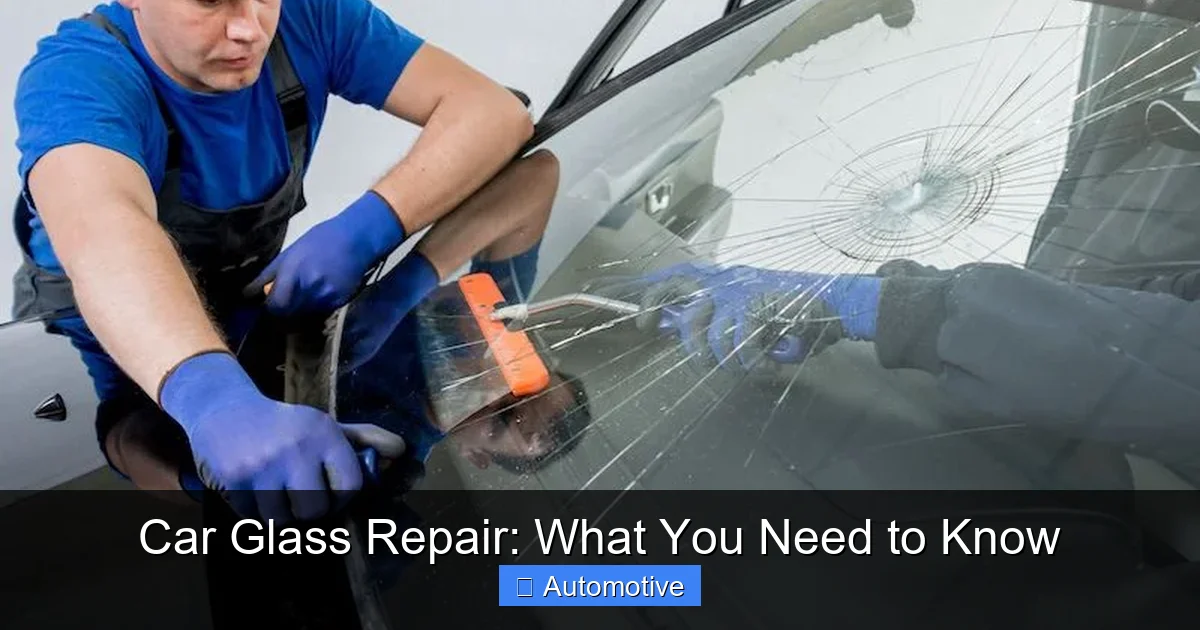
Visual guide about Car Glass Repair: What You Need to Know
Image source: ohsbodyshop.com
One of the biggest questions drivers face is: “Can this be fixed, or do I need a new windshield?” The answer depends on several factors.
Size and Depth of Damage
Most repairable damage is small—typically under 6 inches in length. Chips smaller than a quarter (about 1 inch) are usually good candidates for repair. Deeper damage that penetrates both layers of glass, however, often requires replacement.
For instance, a shallow star break from a pebble can often be filled with resin. But if the chip is deep enough to feel with your fingernail, it may compromise the glass’s integrity.
Location of the Damage
Location is just as important as size. Damage in the driver’s direct line of sight—even if small—can distort vision and may require replacement for safety. Similarly, cracks near the edge of the windshield are more likely to spread because the frame provides less support there.
Insurance companies often follow guidelines from the Auto Glass Safety Council (AGSC), which recommends replacement if:
– The crack is longer than 14 inches.
– The damage is in the driver’s vision zone.
– There are multiple cracks or chips close together.
Type of Glass and Vehicle
Modern vehicles often have advanced driver assistance systems (ADAS) like lane departure warnings, automatic braking, and adaptive cruise control. These rely on cameras and sensors mounted behind the windshield. If your car has ADAS, even a small repair might require recalibration of these systems after replacement.
Additionally, some luxury or specialty vehicles use unique glass with heating elements, antennas, or tinting embedded in the layers. Repairing these requires specialized tools and expertise.
DIY Repair Kits: Are They Worth It?
You’ve probably seen DIY windshield repair kits at auto parts stores. They’re affordable—usually under $20—and promise quick fixes. But do they work?
For very minor chips, especially in non-critical areas, these kits can be effective. They typically involve injecting resin into the damage and curing it with UV light. However, they have limitations:
– They don’t work well on deep or complex damage.
– Results may not be permanent.
– Improper use can trap air or moisture, making the problem worse.
A professional repair, while slightly more expensive, uses high-quality resin and vacuum pressure to fully fill the damage. It’s more reliable and often comes with a warranty.
The Car Glass Repair Process: Step by Step
If your damage is repairable, here’s what to expect during a professional repair.
Inspection and Assessment
A technician will first examine the damage under bright light. They’ll check the size, depth, location, and type of crack or chip. They may also use a special tool to measure the damage and determine if repair is possible.
Cleaning the Area
The damaged area is cleaned thoroughly to remove dirt, moisture, and debris. Even tiny particles can interfere with the resin bond. A small drill may be used to create a clean entry point for the resin.
Resin Injection
Using a specialized tool, the technician injects clear resin into the crack or chip. The tool applies vacuum pressure to remove air, then pressure to fill the void completely. This ensures the resin penetrates even the tiniest fractures.
Curing and Polishing
Once filled, the resin is cured using UV light. This hardens the material and bonds it to the glass. Finally, the surface is polished to restore clarity and smoothness.
The entire process usually takes 20 to 30 minutes and can be done at your home or workplace by mobile repair services.
What to Expect After Repair
After repair, the damage may still be slightly visible—like a faint shadow or line—but it should no longer spread. The structural strength is restored, and visibility is improved. Avoid washing your car or driving in heavy rain for at least 24 hours to let the resin fully cure.
Cost of Car Glass Repair: What to Expect
The cost of car glass repair varies based on several factors.
Average Repair Costs
Most minor repairs cost between $50 and $150. Mobile services may charge a small convenience fee, but many offer free repairs if you have comprehensive insurance.
Factors Affecting Price
– Size and complexity: Larger or multiple damages cost more.
– Location: Damage near the edge or in the driver’s view may require more work.
– Vehicle type: Luxury or ADAS-equipped vehicles may need additional calibration.
– Service type: Mobile repairs are often pricier than in-shop, but more convenient.
Insurance and Coverage
Many auto insurance policies include glass coverage with no deductible for repairs. Some even cover full replacement if needed. Check your policy—many insurers partner with glass repair networks that offer free or discounted services.
For example, if you have comprehensive coverage, a $100 repair might cost you nothing out of pocket. Some companies even waive the deductible for repairs, only charging for replacements.
Choosing the Right Repair Service
Not all repair shops are created equal. Here’s how to pick a trustworthy provider.
Look for Certification
Choose a shop certified by the Auto Glass Safety Council (AGSC) or similar organizations. Certified technicians follow strict standards for safety and quality.
Check Reviews and Reputation
Read online reviews on Google, Yelp, or the Better Business Bureau. Look for consistent praise about professionalism, punctuality, and results.
Ask About Materials and Warranty
Reputable shops use OEM-grade resin and offer a warranty on their work—typically 30 days to a year. Avoid shops that use cheap, uncertified materials.
Mobile vs. In-Shop Services
Mobile services are convenient—they come to you. Ideal for busy schedules. In-shop services may offer better equipment and faster turnaround, especially for complex jobs.
Get a Written Estimate
Always ask for a detailed quote before work begins. This should include labor, materials, and any additional fees.
Preventing Car Glass Damage
An ounce of prevention is worth a pound of cure—especially when it comes to your windshield.
Maintain Safe Following Distance
Stay at least three car lengths behind trucks or vehicles carrying loose materials. This reduces the chance of debris hitting your glass.
Avoid Extreme Temperature Changes
Don’t blast hot air on a frozen windshield or pour hot water on ice. Sudden temperature shifts can cause stress cracks. Use a scraper and defroster instead.
Park Smart
Whenever possible, park in a garage or shaded area. This protects your glass from hail, falling branches, and UV damage.
Inspect Regularly
Check your windshield monthly for new chips or cracks. Early detection makes repair easier and cheaper.
Use a Windshield Sunshade
In hot climates, a sunshade reduces interior heat and minimizes thermal stress on the glass.
Conclusion
Car glass repair isn’t just about aesthetics—it’s about safety, visibility, and peace of mind. A small chip might seem trivial, but it can quickly become a major hazard if ignored. Understanding the types of damage, knowing when to repair versus replace, and choosing a qualified technician can save you time, money, and stress.
Thanks to modern techniques and materials, most minor damage can be fixed quickly and affordably. And with many insurance plans covering the cost, there’s little reason to delay. Whether you opt for a DIY kit for a tiny chip or call in the pros for a larger crack, taking action early is always the best move.
Remember: your windshield is more than just glass. It’s a vital part of your car’s safety system. Treat it with care, and it will protect you for miles to come.
Frequently Asked Questions
Can a cracked windshield be repaired?
Yes, if the crack is small (usually under 6 inches) and not in the driver’s line of sight or near the edge. Longer or edge cracks often require replacement for safety.
How long does a windshield repair take?
Most professional repairs take 20 to 30 minutes. The resin needs time to cure, so avoid washing the car or driving in rain for at least 24 hours.
Will insurance cover my windshield repair?
Many comprehensive auto insurance policies cover glass repair with no deductible. Some even cover full replacement. Check your policy for details.
Can I drive immediately after a repair?
Yes, you can drive right away. However, avoid high-pressure car washes and extreme weather for 24 hours to let the resin fully bond.
Are DIY repair kits effective?
They can work for very small, shallow chips but are not reliable for deep or complex damage. Professional repairs offer better results and durability.
Does repairing a windshield affect ADAS cameras?
Repairing minor damage usually doesn’t affect ADAS. However, if the windshield is replaced, the cameras often need recalibration to function correctly.