
Can You Take a Jeep Through a Car Wash?

Taking a Jeep through a car wash isn’t always safe—especially if it’s modified or has soft tops. While some setups can handle automated washes, others risk damage from high-pressure sprayers, brushes, or tight spaces. Know your Jeep’s specs, choose the right wash type, and when in doubt, hand wash instead.
[FEATURED_IMAGE_PLACEHolder]
Key Takeaways
- Not all Jeeps are car wash-safe: Soft tops, lifted suspensions, and aftermarket accessories increase the risk of damage in automated washes.
- Touchless car washes are the safest option: They use high-pressure water and detergents without physical contact, reducing the chance of scratches or dents.
- Automatic brush washes can be risky: Rotating brushes may snag on mirrors, antennas, or roof racks, especially on lifted or modified Jeeps.
- Hand washing gives you full control: It’s the safest method for detailed cleaning, especially for undercarriages and hard-to-reach areas.
- Check your owner’s manual: Jeep provides specific cleaning recommendations based on your model and trim level.
- Pre-wash prep is crucial: Remove loose items, close windows, and secure soft tops before entering any car wash.
- Regular cleaning prevents rust and wear: Jeeps driven off-road need frequent washes to remove mud, salt, and debris that can cause long-term damage.
📑 Table of Contents
Can You Take a Jeep Through a Car Wash?
So, you’ve just come back from a muddy trail, your Jeep is caked in dirt, and you’re thinking, “Can I just drive this through the car wash and call it a day?” It’s a fair question—after all, car washes are convenient, fast, and seem like the perfect solution for a quick cleanup. But when it comes to Jeeps, the answer isn’t always a simple yes or no.
Jeeps are built for adventure. Whether you drive a Wrangler, Gladiator, or a classic CJ, these vehicles are designed to handle off-road conditions, extreme weather, and rough terrain. But that rugged capability comes with unique features—soft tops, removable doors, lifted suspensions, and exposed underbodies—that can make automated car washes a risky choice. While some Jeeps can safely go through certain types of car washes, others are better off with a more hands-on cleaning approach.
In this guide, we’ll break down everything you need to know about washing your Jeep safely and effectively. From understanding the different types of car washes to knowing when to avoid them altogether, we’ll help you protect your investment while keeping it looking sharp. Whether you’re a weekend warrior or a daily driver, this article will give you the confidence to clean your Jeep the right way—without ending up with a cracked windshield or a torn soft top.
Understanding Your Jeep’s Design and Vulnerabilities
Visual guide about Can You Take a Jeep Through a Car Wash?
Image source: goodsight.com.au
Before you even think about pulling into a car wash, it’s important to understand what makes your Jeep different from a standard sedan or SUV. Jeeps are built with off-road performance in mind, which means they often come with features that aren’t common on other vehicles—and these features can be vulnerable in automated cleaning environments.
One of the most obvious differences is the roof. Many Jeeps, especially Wranglers, come with soft tops or hardtops that can be removed. Soft tops, in particular, are made of fabric or vinyl and are not designed to withstand the intense pressure and movement of automatic car wash brushes. If you have a soft top, driving through a traditional brush-style car wash could result in tears, stretching, or even detachment. Even if the top is securely fastened, the force of rotating brushes can cause unnecessary stress and wear over time.
Another factor to consider is the suspension and ground clearance. Many Jeep owners lift their vehicles for better off-road performance. While a lifted Jeep can handle rough terrain with ease, it also means the vehicle is taller and wider than stock. This can be a problem in automated car washes, where the guide rails and conveyor systems are designed for standard-sized vehicles. A lifted Jeep might not fit properly, leading to misalignment, scraping, or even damage to the undercarriage.
Then there are the accessories. Roof racks, light bars, winches, and side mirrors can all protrude from the body of the Jeep. In a touchless car wash, these items are generally safe, but in a brush-style wash, they can get caught, bent, or damaged. Even something as simple as a CB antenna or a spare tire mounted on the rear door can become a hazard if it’s not properly secured.
Even the paint and finish on your Jeep can be at risk. While modern Jeeps are built with durable finishes, the combination of high-pressure water, harsh detergents, and abrasive brushes can strip wax, scratch paint, and wear down protective coatings—especially if the wash isn’t well-maintained. Dirt and debris left on the brushes from previous vehicles can act like sandpaper, causing micro-scratches that dull the paint over time.
So, what does this mean for you? It means that before you drive into any car wash, you need to assess your Jeep’s specific setup. Ask yourself: Do I have a soft top? Is my Jeep lifted? Are there any protruding accessories? The answers to these questions will help you determine whether a car wash is a safe option—or if you’re better off with a different cleaning method.
Types of Car Washes: Which Ones Are Jeep-Friendly?
Visual guide about Can You Take a Jeep Through a Car Wash?
Image source: sgtclean.com
Not all car washes are created equal—and when it comes to Jeeps, choosing the right type can mean the difference between a clean ride and a costly repair. Let’s take a closer look at the most common types of car washes and how they stack up for Jeep owners.
Automatic Brush Washes (Traditional Tunnel Washes)
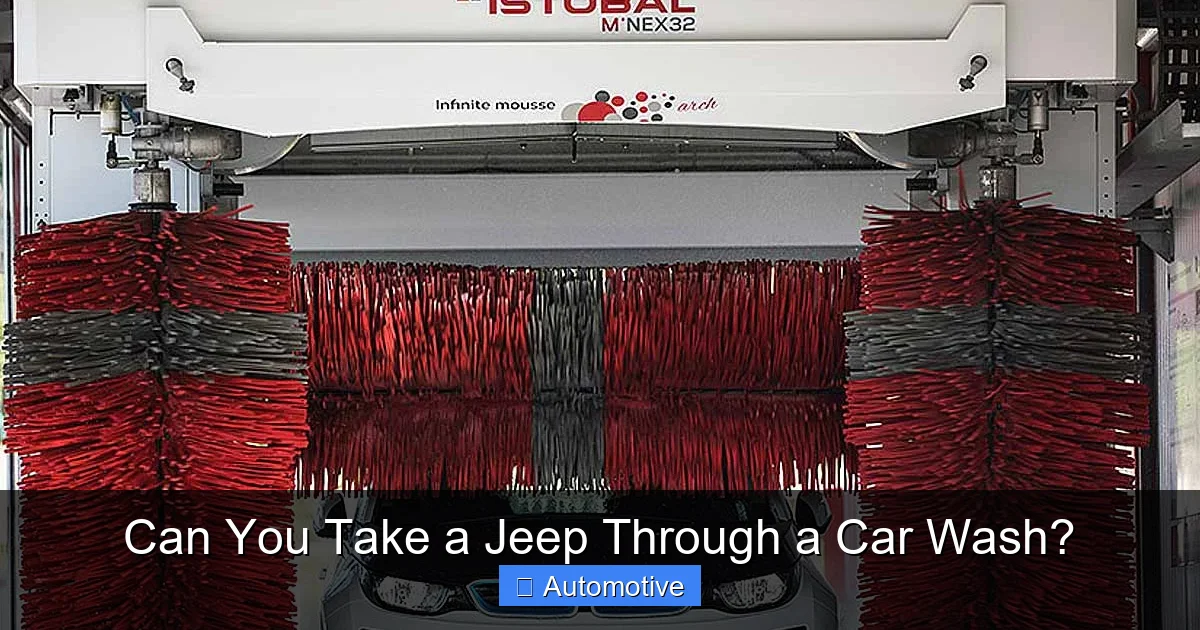
These are the classic car washes you see at gas stations and standalone facilities. Vehicles are driven onto a conveyor belt and moved through a tunnel where large rotating brushes scrub the exterior with soap and water. While effective for standard vehicles, these washes pose several risks for Jeeps.
The main issue is the physical contact between the brushes and your vehicle. The brushes are designed to conform to the shape of a typical car, but Jeeps—especially lifted ones—have irregular profiles. The brushes may not make proper contact, leading to uneven cleaning, or worse, they might snag on mirrors, antennas, or roof racks. Soft tops are particularly vulnerable, as the brushes can pull, tear, or stretch the material.
Additionally, the conveyor system requires your vehicle to be aligned precisely. If your Jeep is too wide or too tall, it might not fit correctly, causing the vehicle to shift or scrape against the sides of the tunnel. This can damage paint, trim, or even the frame.
That said, some modern brush washes have improved their designs with softer, more flexible brushes and better alignment systems. If you do choose to use one, make sure to:
– Remove any loose accessories (like bike racks or cargo carriers).
– Fold in side mirrors if possible.
– Ensure the soft top is fully secured and zipped.
– Drive slowly and follow the attendant’s instructions carefully.
But even with these precautions, many Jeep owners prefer to avoid brush washes altogether—especially if their vehicle is modified or frequently used off-road.
Touchless Car Washes
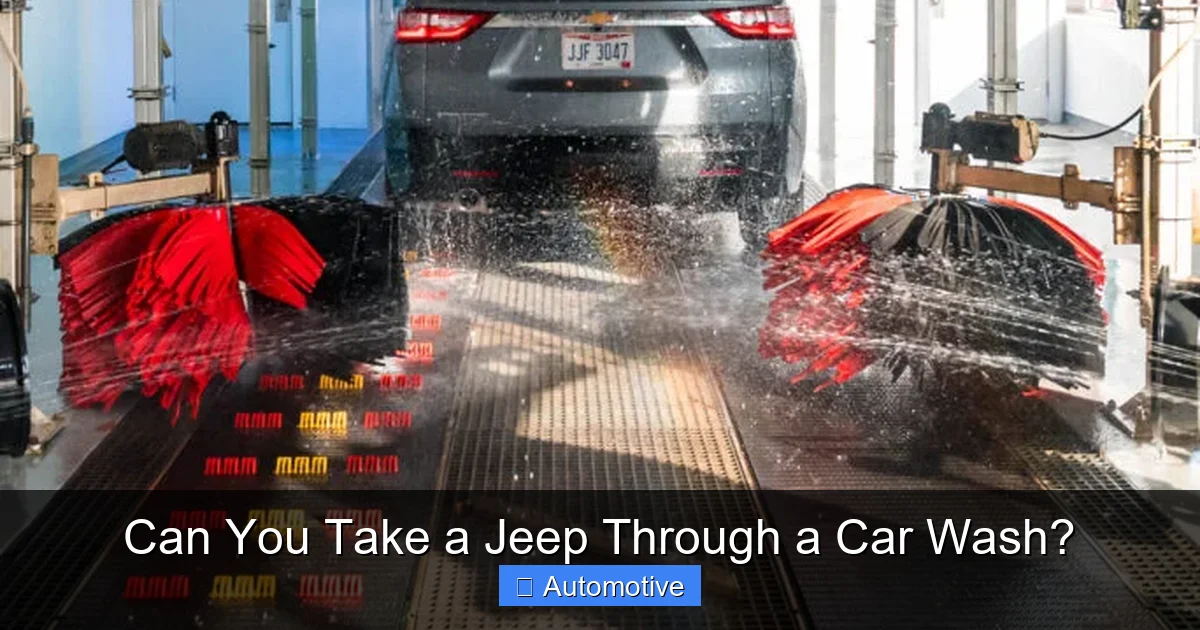
Touchless car washes use high-pressure water jets and specialized detergents to clean your vehicle without any physical contact. Because there are no brushes or moving parts that touch the car, they’re generally much safer for Jeeps—especially those with soft tops, lifted suspensions, or aftermarket parts.
The high-pressure sprayers can effectively remove dirt, mud, and grime from all surfaces, including the undercarriage if the wash includes an underbody rinse. Many touchless washes also offer waxing and drying options, giving your Jeep a polished finish without the risk of scratches.
However, there are still some caveats. The high-pressure water can be intense, and if your Jeep has loose trim, cracked seals, or poorly sealed windows, water might get inside. This is especially true for older models or vehicles with worn weatherstripping. Additionally, touchless washes rely heavily on chemical detergents, which can be harsh on paint and rubber components if not rinsed properly.
To get the best results from a touchless wash:
– Choose a reputable facility with well-maintained equipment.
– Opt for a pre-rinse if available, to loosen heavy dirt.
– Make sure all windows and doors are fully closed.
– Avoid using the wash immediately after off-roading if your Jeep is caked in thick mud—this can overwhelm the system and reduce effectiveness.
Overall, touchless car washes are one of the safest automated options for Jeep owners. They offer a good balance of convenience and protection, especially for daily drivers or lightly modified vehicles.
Self-Serve Car Washes
Self-serve car washes give you full control over the cleaning process. You drive into a bay, insert coins or a card, and use a high-pressure wand to spray soap and water on your vehicle. These washes are often more affordable than full-service options and allow you to target specific areas—like the undercarriage or wheel wells—that automated washes might miss.
For Jeep owners, self-serve washes can be a great middle ground. You can adjust the pressure and angle of the spray to avoid damaging soft tops or delicate parts. You also have the freedom to spend extra time on muddy areas or hard-to-reach spots, which is especially useful after off-roading.
However, self-serve washes require more effort and time. You’ll need to bring your own towels or drying tools, and you’ll be responsible for rinsing off all soap to prevent water spots. The equipment can also vary in quality—some bays have weak pressure or outdated nozzles, which may not be effective for heavy cleaning.
If you choose a self-serve wash, here are some tips:
– Use a foam cannon or soap sprayer for better coverage.
– Start from the top and work your way down to avoid re-soiling clean areas.
– Pay special attention to the undercarriage, where mud and salt can accumulate.
– Dry your Jeep thoroughly to prevent water spots and rust.
While not as convenient as a fully automated wash, self-serve options offer flexibility and control—making them a solid choice for Jeep owners who want a thorough clean without the risks of brushes.
Hand Washing at Home
When it comes to safety and effectiveness, hand washing your Jeep at home is hard to beat. It gives you complete control over every step of the process, from pre-rinsing to drying. You can use gentle, Jeep-safe products, avoid high-pressure areas, and take your time to clean every nook and cranny.
Hand washing is especially recommended for:
– Jeeps with soft tops or removable doors.
– Vehicles with custom paint jobs or wraps.
– Off-road Jeeps that are heavily caked in mud or salt.
– Older models with worn seals or trim.
To hand wash your Jeep properly:
– Use a two-bucket method (one for soap, one for rinsing) to avoid scratching the paint.
– Choose a pH-neutral car shampoo designed for automotive finishes.
– Use a soft microfiber mitt or sponge—never household sponges or brushes.
– Rinse thoroughly before washing to remove loose dirt.
– Dry with a clean, absorbent microfiber towel to prevent water spots.
You can also use a pressure washer, but be cautious. Keep the pressure below 1,200 PSI and maintain a distance of at least 12–18 inches from the surface. Avoid spraying directly at seals, vents, or electrical components.
Hand washing does take more time and effort, but for many Jeep owners, the peace of mind and superior results are worth it.
When to Avoid the Car Wash Altogether
Visual guide about Can You Take a Jeep Through a Car Wash?
Image source: lovemycarcarwash.com
Even with the safest car wash options, there are times when it’s best to skip the automated process entirely. Knowing when to avoid the car wash can save you from expensive repairs and frustration.
After Off-Roading
If you’ve just returned from a muddy trail, desert run, or snowy mountain pass, your Jeep is likely covered in thick, caked-on dirt, mud, or salt. While it might be tempting to drive straight to the car wash, doing so can actually cause more harm than good.
Thick mud can clog spray nozzles, reduce the effectiveness of detergents, and even damage the wash equipment. More importantly, if the mud contains rocks, sand, or debris, it can act like an abrasive when sprayed with high-pressure water—scratching your paint or damaging your soft top.
Instead, rinse your Jeep with a garden hose or pressure washer (on a low setting) to remove the bulk of the dirt. Let it dry slightly, then proceed with a proper wash—either at a self-serve bay or by hand. This two-step process ensures a cleaner, safer result.
If Your Soft Top Is Loose or Damaged
Soft tops require extra care. If your top is loose, frayed, or not fully zipped, avoid any car wash that uses brushes or high-pressure sprayers. Even a touchless wash can force water under the top, leading to leaks or mold growth.
Always inspect your soft top before washing. Make sure all zippers are closed, windows are rolled up, and the top is securely fastened. If you notice any damage, repair it before cleaning.
During Winter or in Cold Climates
In cold weather, water can freeze quickly—especially on windows, door seals, and moving parts. If you take your Jeep through a car wash in freezing temperatures, you risk:
– Frozen doors that won’t open.
– Cracked seals or weatherstripping.
– Ice buildup in the wash bay, making it slippery and dangerous.
If you must wash your Jeep in winter, choose a heated indoor facility or wait for a warmer day. Always dry your Jeep thoroughly and open the doors slightly to let moisture escape.
If Your Jeep Has Recent Paint or Wrap Work
New paint jobs, vinyl wraps, or ceramic coatings need time to cure. Most manufacturers recommend waiting at least 30 days before using any automated car wash. High-pressure water and harsh chemicals can lift edges, cause peeling, or strip protective coatings.
During this time, stick to hand washing with gentle products and avoid waxing or polishing until the finish is fully cured.
Best Practices for Washing Your Jeep Safely
No matter which cleaning method you choose, following a few best practices can help protect your Jeep and keep it looking great for years to come.
Pre-Wash Preparation
Before you start, take a few minutes to prepare:
– Remove any loose items from the roof, trunk, or interior.
– Close all windows, vents, and sunroofs.
– Secure or remove accessories like bike racks, cargo carriers, or antennas.
– Check that the soft top is fully zipped and latched.
– Inspect for loose trim, mirrors, or lights.
Use the Right Products
Not all cleaning products are safe for Jeeps. Avoid household detergents, dish soap, or harsh chemicals—they can strip wax, dry out rubber, and damage finishes. Instead, use:
– pH-balanced car shampoo.
– Soft-top cleaner (for fabric or vinyl tops).
– Wheel cleaner designed for alloy or steel wheels.
– Undercarriage spray for removing salt and grime.
Rinse First, Wash Second
Always rinse your Jeep before applying soap. This removes loose dirt and prevents scratching during the wash. Use a hose or pressure washer on a low setting, starting from the top and working down.
Wash in Sections
Work in small sections—roof, hood, doors, wheels—to ensure even cleaning. Rinse each section before moving on to avoid soap drying on the surface.
Dry Thoroughly
Water spots, mineral deposits, and rust can form if your Jeep isn’t dried properly. Use a clean, soft microfiber towel or a leaf blower to remove water from crevices, mirrors, and undercarriage.
Maintain Regularly
Wash your Jeep every 2–4 weeks, or more often if you drive off-road or in harsh conditions. Regular cleaning prevents buildup, protects the finish, and helps you spot potential issues early.
Conclusion: Make the Right Choice for Your Jeep
So, can you take a Jeep through a car wash? The short answer is: it depends. While some Jeeps can safely go through touchless or self-serve washes, others—especially those with soft tops, lifts, or aftermarket parts—are better off with a hand wash.
The key is to know your vehicle, understand the risks, and choose the cleaning method that best suits your needs. Automated car washes offer convenience, but they come with potential hazards. Hand washing takes more time, but it gives you control and peace of mind.
Ultimately, the best way to wash your Jeep is the way that keeps it clean, protected, and ready for your next adventure. Whether you’re hitting the trails or cruising the city, a well-maintained Jeep is a joy to drive—and a proud symbol of freedom and exploration.
Frequently Asked Questions
Can I take my Jeep Wrangler through a car wash?
It depends on your Wrangler’s setup. If you have a hardtop and no major modifications, a touchless car wash is usually safe. However, soft tops, lifted suspensions, or protruding accessories increase the risk of damage—hand washing is often the better choice.
Is a touchless car wash safe for my Jeep?
Yes, touchless car washes are generally safe for most Jeeps because they use high-pressure water and detergents without physical contact. Just make sure all windows are closed and avoid using it if your soft top is loose or damaged.
Can I use a pressure washer to clean my Jeep?
Yes, but use caution. Keep the pressure below 1,200 PSI and maintain a distance of at least 12–18 inches. Avoid spraying directly at seals, vents, or electrical components to prevent water intrusion.
How often should I wash my Jeep?
Wash your Jeep every 2–4 weeks for regular use, or more often if you drive off-road, in snow, or in salty conditions. Frequent cleaning prevents rust, paint damage, and buildup of harmful debris.
Can I wash my Jeep in the winter?
It’s best to avoid car washes in freezing temperatures. Water can freeze on doors, seals, and moving parts, causing damage. If you must wash it, use a heated indoor facility and dry thoroughly afterward.
What should I do if my soft top gets wet in a car wash?
If water gets under the soft top, open the windows slightly and let it air dry completely. Use a soft cloth to blot excess moisture and avoid rolling up the top while damp to prevent mold and mildew.
