
Car Cover Lifespan: How Long Does a Car Cover Last?

Quick Answer
A typical car cover lifespan is about 2 to 5 years, but that range can move considerably. A lightweight cover used outside may wear out in 1 to 2 years, while a high-quality indoor or heavy-duty outdoor cover can last 5 years or longer with good care. Proper fit matters too, which is why choosing a cover that fits your storage conditions is as important as choosing durable fabric.
What usually determines lifespan?
- Material quality: Thin budget fabrics normally deteriorate sooner than durable woven or multi-layer materials.
- Sun exposure: Strong ultraviolet light can fade, dry, and weaken outdoor cover fabric.
- Wind: Constant flapping stresses seams, elastic hems, straps, and the cover surface.
- Moisture: Storing a damp cover can encourage mildew, odors, and material breakdown.
- Daily use: Repeated installation, removal, folding, and dragging cause gradual wear.
- Maintenance: Gentle cleaning and dry storage can help preserve the fabric and seams.
Best replacement rule
- Replace the cover when the fabric becomes brittle, badly faded, torn, poorly fitting, or no longer sheds water as it once did.
I get why drivers want one clear number for car cover lifespan. Nobody wants to buy another cover every season, but nobody wants an aging cover rubbing against good paint either.
The problem is that how long a car cover lasts depends heavily on where you park, how often you use it, and what the cover is made from. In this guide, I’ll show you the practical lifespan ranges I use when judging whether a cover still deserves a place on the car.
In This Guide
How Long Does a Car Cover Last?
Most drivers can reasonably expect a car cover to last around 2 to 5 years. Outdoor exposure can shorten that range, while a quality indoor cover may remain usable much longer.
Definition: Car cover lifespan is the useful period during which a cover still fits securely and provides the protection it was designed to provide without excessive tearing, stiffness, seam failure, or material breakdown.
I don’t treat the calendar as an automatic replacement timer. Two covers bought on the same day can age very differently.
A cover sitting on a garage-kept weekend car may see little sunlight or wind. The same cover on a daily driver parked outside can face hundreds of wet-dry cycles, summer heat, bird droppings, dust, and repeated removal.
Outdoor covers usually wear faster
Sun, wind, rain, snow, dirt, and temperature changes all attack outdoor materials. A low-cost cover exposed to strong sunlight every day may show serious wear within 1 to 2 years.
Better outdoor covers often reach the 3-to-5-year range. Premium materials can go longer when the climate and care routine are favorable.
- Budget outdoor cover: Roughly 1 to 2 years can be realistic under frequent exposure.
- Quality outdoor cover: Around 3 to 5 years is a useful planning range.
- Premium heavy-duty cover: Five years or more may be achievable with suitable material and care.
- Indoor cover: Often 4 to 7 years or longer because sunlight and weather exposure are reduced.
These figures are planning ranges, not guaranteed service intervals. Manufacturer warranty periods also vary by fabric and should not be confused with exact lifespan.
Usage can matter as much as age
Putting a cover on every evening and removing it every morning creates more wear than seasonal storage. Hems, mirror pockets, straps, buckles, and stitched areas usually show stress first.
If the cover still feels flexible, fits correctly, and performs properly, age alone isn’t enough reason for me to discard it.
Section Takeaway: A 2-to-5-year car cover lifespan is a useful starting point, but condition and environment matter more than the date on the receipt.
What Affects Car Cover Lifespan the Most?
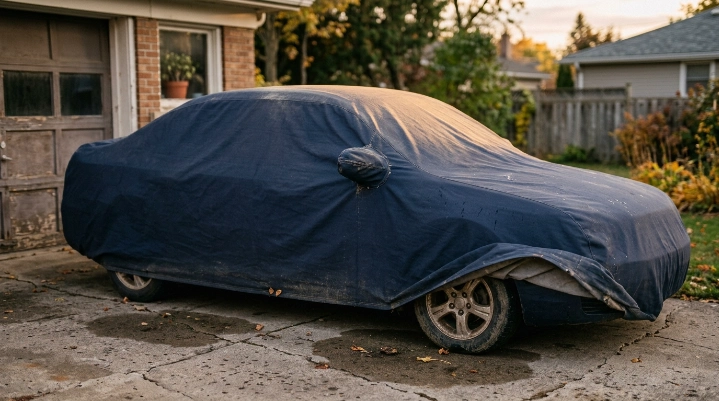
Ultraviolet exposure is one of the toughest challenges for outdoor covers. Wind, moisture, poor fit, contamination, and rough handling can shorten service life further.
When I inspect an aging cover, I look at the environment before blaming the material.
Sun and ultraviolet exposure
Strong sunlight gradually weakens many fabrics and coatings. Colors may fade first, followed by a dry or brittle feel.
Cars parked outside in hot, sunny areas usually need a cover designed specifically for strong UV exposure. Covercraft’s guide to outdoor car cover materials shows how different fabrics are intended for different climates.
Wind and a loose fit
A cover that balloons and snaps in the wind takes a beating. The movement pulls at seams and straps while repeatedly flexing the fabric.
It can also rub dirt against the paint. That’s why I prefer a close vehicle-specific fit whenever a car spends significant time outdoors.
- Check the elastic: Weak hems allow more movement.
- Inspect straps: Replace or repair damaged securing points.
- Watch mirror pockets: These areas can become stress points.
- Remove trapped debris: Dirt between the cover and paint can become abrasive.
Rain, humidity, and trapped moisture
A cover needs to manage moisture, not simply block every drop of water. Breathability helps heat and humidity escape from beneath the fabric.
A soaked cover rolled into a bag is another problem. Damp storage encourages odors, mildew, and premature material damage.
How often you handle the cover
Daily handling creates friction, folds, and pulling forces. Dragging the fabric across concrete is especially hard on the outer surface.
I also avoid yanking a frozen cover away from a vehicle. Ice can make fabric less flexible and place extra stress on seams.
Dirt and chemical exposure
Bird droppings, tree sap, road grime, salt, and harsh cleaners can damage a cover over time. Dirt also increases abrasion each time you fold or move it.
Regular cleaning helps, but aggressive detergents can create another problem. Always follow the specific care instructions supplied with your cover.
How Long Do Different Car Cover Materials Last?
Material makes a major difference, but the name of a fabric alone doesn’t tell the whole story. Construction quality, coatings, stitching, breathability, and UV resistance also matter.
Here’s the practical comparison I use for normal buying and replacement planning.
| Cover Type | Typical Planning Range | Best Use | Main Lifespan Risk |
|---|---|---|---|
| Lightweight polypropylene | About 1–2 years outdoors | Basic or occasional protection | UV and tearing |
| Quality polyester outdoor cover | About 3–5 years | Regular outdoor parking | Sun and repeated weather exposure |
| Premium multi-layer or heavy-duty outdoor cover | Around 4–6+ years | Long-term or harsh-weather use | Wind, UV, and damaged coatings |
| Soft cotton, fleece, or stretch indoor cover | About 4–7+ years | Garage storage and dust control | Moisture, contamination, and rough handling |
I treat those numbers as expectations rather than promises. A three-year warranty, for example, doesn’t automatically mean the fabric dies at three years.
Covercraft currently lists limited warranty periods ranging from short-term coverage on some fabrics to six years on certain outdoor materials. That spread shows why a universal replacement date isn’t realistic.
Indoor versus outdoor cover lifespan
Indoor covers generally have an easier life. They avoid direct rain, snow, strong wind, and most UV exposure.
However, a damp garage can still cause trouble. Breathable material is valuable when humidity changes frequently.
Should a car cover be completely waterproof?
I don’t assume that “waterproof” automatically means better. A non-breathable barrier may trap condensation underneath.
For long-term vehicle protection, I prefer a cover that balances water resistance with enough breathability for trapped moisture to escape.
How Can You Make a Car Cover Last Longer?
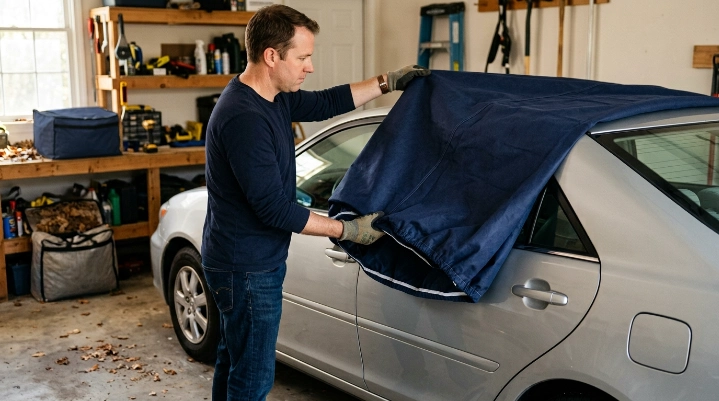
The easiest way to extend car cover lifespan is to reduce unnecessary stress. Keep the cover clean, let it dry fully, secure it properly, and store it carefully.
None of these jobs takes much time.
1. Put it over a reasonably clean car
Loose grit under the cover can scratch paint and wear the cover’s inner surface. I avoid covering a vehicle that’s coated with mud or heavy road dust.
2. Remove loose debris before folding
Shake leaves, sand, and dried dirt from the cover before packing it away. This keeps abrasive material from staying trapped in folds.
3. Clean it according to the label
Different materials have different wash requirements. Mild soap is common, but machine washing and drying rules vary.
Using bleach, strong solvents, or fabric softener without approval can damage some coatings and fibers.
4. Let it dry before storage
This is one of the habits I consider non-negotiable. A wet cover stuffed into a closed bag creates ideal conditions for odors and mildew.
Covercraft’s cover storage guidance also recommends cleaning, drying, inspecting, and storing covers away from excessive moisture and sunlight.
5. Don’t drag it across the ground
Concrete and asphalt can grind through coatings surprisingly quickly. I fold the cover over the vehicle before lifting it away.
6. Stop wind from working the cover
Use the supplied tie-down system when conditions require it. Fix broken straps instead of letting the cover flap for weeks.
7. Inspect it while you still have time to repair it
- Look for loose stitching.
- Check mirror pockets and sharp body contours.
- Inspect tie-down points.
- Watch for thin or translucent fabric.
- Check whether elastic hems still grip.
- Repair small tears before they spread.
If the vehicle will sit for months, I also prepare the car itself instead of relying on fabric alone. Edmunds provides a useful long-term vehicle storage checklist for that situation.
Section Takeaway: Clean, dry storage and a secure fit are simple habits, but they can prevent many of the failures that send car covers to the trash early.
When Should You Replace a Car Cover?
Replace your car cover when its condition shows that protection is failing. Don’t wait for a certain birthday if the material is already damaged.
I pay closest attention to six warning signs.
- Brittle fabric: Material feels stiff, dry, cracked, or powdery.
- Tears or holes: Damage keeps expanding or exposes large areas of the vehicle.
- Failed seams: Stitching separates around hems, panels, or mirror pockets.
- Poor fit: Stretched fabric or worn elastic lets the cover flap badly.
- Lost water resistance: Fabric that once shed rain now becomes heavily saturated.
- Damaged inner surface: Rough, contaminated, or peeling material may threaten the paint.
Fading alone doesn’t always mean failure
An outdoor cover can fade while remaining usable. Appearance is less important than fabric strength, fit, breathability, and protective performance.
That said, major fading paired with brittleness usually tells me the material has spent a long time under UV exposure.
Don’t keep a damaged cover just because it was expensive
A premium cover isn’t valuable once it starts creating risks for the vehicle. Loose hard material, exposed hardware, or rough damaged lining can turn protection into abrasion.
At that point, replacement costs less than correcting damaged paint.
Does a More Expensive Car Cover Last Longer?
A higher price doesn’t automatically guarantee a longer lifespan. However, better materials, stronger stitching, UV-resistant construction, and precise fit can improve durability.
I look at cost per year rather than purchase price alone.
| Example | Purchase Price | Service Life | Approximate Cost Per Year |
|---|---|---|---|
| Budget example | $40 | 1 year | $40 |
| Mid-range example | $120 | 4 years | $30 |
| Premium example | $240 | 6 years | $40 |
Those are simple examples rather than current market quotes. They show why the cheapest cover isn’t automatically the lowest-cost option over time.
What I would pay extra for
- Correct vehicle fit: Less excess fabric means less wind movement.
- UV resistance: Important for cars parked outside in strong sun.
- Breathability: Helps trapped heat and moisture escape.
- Reinforced seams: Useful with frequent installation and removal.
- Secure tie-downs: Important in exposed or windy parking locations.
- Clear warranty: Useful evidence of what the manufacturer is willing to support.
As of 2026, manufacturers still offer everything from lightweight indoor fabrics to heavy-duty outdoor materials. The right choice depends more on your actual parking environment than on how many layers appear in an advertisement.
Frequently Asked Questions About Car Cover Lifespan
How many years should a car cover last?
A typical car cover may last around 2 to 5 years. Lightweight outdoor covers can fail sooner, while quality indoor or premium outdoor covers may last 5 years or longer when protected from excessive UV, wind, moisture, and rough handling.
How long does an outdoor car cover last?
Many quality outdoor covers fall around the 3-to-5-year range, although conditions vary widely. Constant direct sun, heavy wind, snow, road salt, daily handling, and poor storage can reduce lifespan.
How long does an indoor car cover last?
An indoor cover can often last 4 to 7 years or longer because it avoids most sunlight, wind, rain, and snow. Its lifespan still depends on fabric quality, humidity, cleaning, and how carefully the cover is handled.
Does sunlight damage a car cover?
Yes. Long-term ultraviolet exposure can fade and weaken many cover materials. A cover designed for outdoor UV exposure normally performs better in sunny climates than a basic indoor or lightweight universal cover.
Can I leave a car cover on all the time?
You can use a suitable cover for long-term storage, but check the vehicle and cover periodically. Look for trapped moisture, debris, flapping, loose straps, damaged seams, or other conditions that could harm the paint or shorten cover life.
Should I replace a faded car cover?
Not necessarily. Fading alone is mostly cosmetic. Replacement becomes more important when fading is accompanied by brittleness, cracking, tearing, seam failure, poor fit, or a noticeable loss of weather protection.
Does washing a car cover make it last longer?
Proper cleaning can help because it removes dirt, salt, sap, droppings, and other contaminants. Follow the manufacturer’s instructions, avoid unapproved harsh chemicals, and make sure the cover is completely dry before folding or storing it.
Final takeaway: Think of car cover lifespan as a condition-based range rather than a fixed expiration date. A 2-to-5-year expectation works for many covers, but a well-chosen cover can last longer when it’s kept clean, dry, secure, and matched to the environment. Inspect yours regularly, and replace it when the material can no longer protect the vehicle reliably.
“`
