Car Battery Red and Black
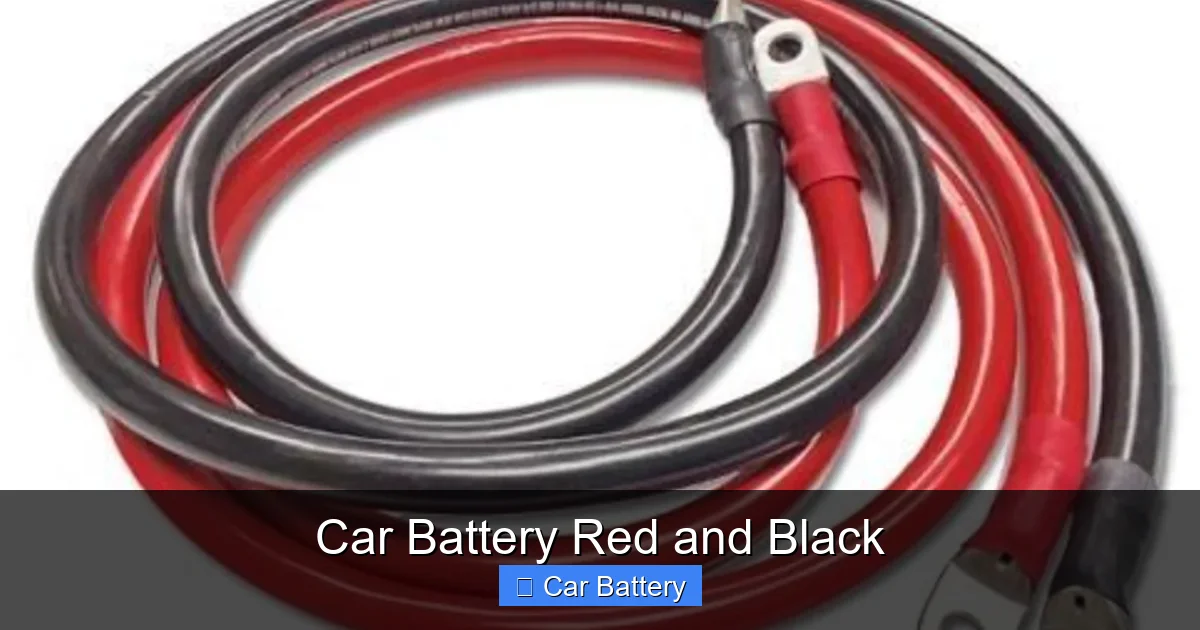
Understanding the red and black cables on a car battery is essential for safe handling, jump-starting, and maintenance. These colors indicate positive (+) and negative (−) terminals, and mixing them up can damage your car’s electrical system or cause injury.
If you’ve ever popped the hood of your car and seen two thick cables—one red, one black—clamped onto the battery, you might have wondered: “What do these colors actually mean?” You’re not alone. Many drivers, even seasoned ones, gloss over the basics of car battery wiring, assuming it’s just a matter of hooking things up and hoping for the best. But here’s the truth: those red and black cables aren’t just for show. They’re your first line of defense against electrical mishaps, dead batteries, and costly repairs.
The red cable always connects to the positive terminal (+), while the black cable connects to the negative terminal (−). This color-coded system isn’t random—it’s a global standard designed to prevent confusion and keep you safe. Whether you’re jump-starting a friend’s car, replacing your own battery, or simply checking connections, knowing which is which can save you time, money, and potentially a trip to the emergency room. In this guide, we’ll walk you through everything you need to know about car battery red and black cables—from why they matter to how to handle them like a pro.
In This Article
- 1 Key Takeaways
- 2 📑 Table of Contents
- 3 Why Do Car Batteries Have Red and Black Cables?
- 4 How to Identify Red and Black Terminals on Your Car Battery
- 5 Safe Jump-Starting: The Correct Order for Red and Black Cables
- 6 Maintaining Your Car Battery and Cables
- 7 Safety Tips When Handling Car Batteries
- 8 Conclusion
- 9 Frequently Asked Questions
- 9.1 Why is the red cable positive and black negative on a car battery?
- 9.2 Can I connect the black cable to the negative terminal when jump-starting?
- 9.3 What happens if I reverse the red and black cables?
- 9.4 Do all car batteries use red and black cables?
- 9.5 How often should I clean my battery terminals?
- 9.6 Can I use any jumper cables for jump-starting?
Key Takeaways
- Red means positive (+): The red cable or terminal always connects to the battery’s positive post—never reverse this.
- Black means negative (−): The black cable attaches to the negative terminal or a grounded metal part of the engine block.
- Polarity is critical: Reversing red and black connections can fry electronics, blow fuses, or even cause battery explosions.
- Jump-starting requires order: Always connect red to red first, then black to black—and finally, the last black clamp to an unpainted metal surface.
- Color coding prevents errors: Manufacturers use red and black universally so drivers can identify terminals quickly and safely.
- Maintenance tips matter: Clean corrosion from terminals regularly and ensure cables are tight to avoid starting issues.
- Safety first: Wear gloves and eye protection when handling car batteries—acids and sparks pose real risks.
📑 Table of Contents
Why Do Car Batteries Have Red and Black Cables?
At first glance, it might seem like car manufacturers just picked red and black because they look cool or stand out. But there’s a very practical reason behind this color scheme: safety and standardization. Electrical systems rely on polarity—meaning current flows from positive to negative. If you reverse that flow by connecting cables incorrectly, you risk short-circuiting your vehicle’s electronics, damaging the battery, or even causing it to explode.
The red cable is universally recognized as the positive lead. It carries current away from the battery to power your car’s starter motor, lights, radio, and onboard computers. The black cable, on the other hand, serves as the ground or return path—it completes the circuit by sending current back to the battery. This setup ensures that electricity flows in a controlled loop, minimizing the risk of surges or feedback that could harm sensitive components.
Think of it like water flowing through a pipe: red is the outlet pushing water out, and black is the drain bringing it back. Flip them, and you’ve got a mess on your hands. That’s why every major automaker—from Toyota to Tesla—uses the same red-and-black convention. It’s not just about consistency; it’s about preventing human error in high-stress situations like jump-starting on a rainy roadside.
The Science Behind Polarity
To understand why polarity matters so much, let’s dig a little deeper into how car batteries work. A typical 12-volt car battery contains six cells, each producing about 2.1 volts. These cells are connected in series, meaning the positive end of one cell connects to the negative end of the next. The result? A steady flow of direct current (DC) that powers your vehicle.
When you turn the key, the starter motor draws a huge burst of energy from the battery—sometimes over 300 amps! That power flows through the red cable to the starter, then returns via the black cable (or chassis ground). If you accidentally connect the black cable to the positive terminal, you create a reverse polarity situation. This can fry diodes in the alternator, damage the engine control unit (ECU), or melt wiring insulation.
In extreme cases, reversing polarity can cause the battery to overheat and vent hydrogen gas—a highly flammable substance. Add a spark from a loose connection, and you’ve got a potential fire or explosion. That’s why professionals always double-check cable placement before making any connections.
Global Standards and Manufacturer Practices
You might be surprised to learn that the red-and-black standard isn’t just used in cars. It’s part of a broader electrical convention adopted worldwide. In homes, red often indicates live wires, while black is neutral or ground. In electronics, red is positive, black is negative. This consistency helps technicians, mechanics, and everyday users avoid mistakes across different devices and systems.
Car manufacturers take this seriously. Battery terminals are usually marked with a “+” for positive and a “−” for negative. The red cable is often covered in red plastic or labeled “POS” or “P,” while the black cable may say “NEG” or “N.” Some high-end vehicles even use color-coded terminal covers that snap into place—red on the positive side, black on the negative—so there’s no room for error.
Even jump-start cables follow this rule: the red clamp is always positive, the black is always negative. This universal language means that whether you’re in Tokyo, Toronto, or Timbuktu, you can safely assist someone with a dead battery without needing a translator—just a basic understanding of red and black.
How to Identify Red and Black Terminals on Your Car Battery
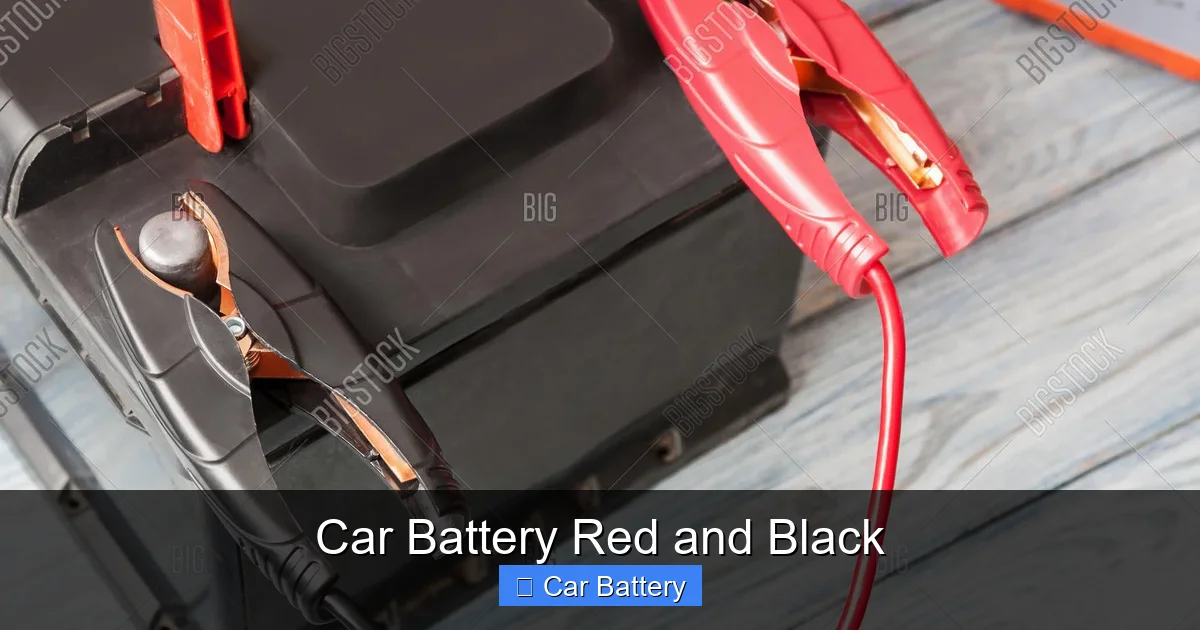
Visual guide about Car Battery Red and Black
Image source: static3.bigstockphoto.com
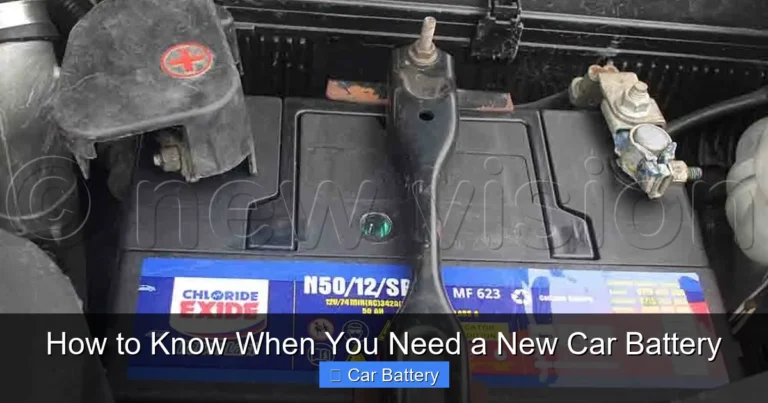
Not all car batteries look the same. Some are tucked under the hood in plain sight, while others hide behind panels or under seats (especially in hybrids). But no matter where your battery lives, identifying the red and black terminals is straightforward—if you know what to look for.
Start by locating the battery. In most gasoline-powered cars, it’s near the front of the engine bay, usually on the driver’s or passenger’s side. Look for a rectangular box with two thick cables attached. Once you’ve found it, check the terminals. The positive terminal (+) will almost always have a red cover, red cable, or a “+” symbol stamped into the plastic. The negative terminal (−) will have a black cover, black cable, or a “−” marking.
But what if the colors are faded or covered in grime? Don’t panic. Most batteries also have labels molded into the casing near each terminal. These labels are often white or silver and hard to miss once you know where to look. If you’re still unsure, consult your owner’s manual—it usually includes a diagram of the battery layout.
What If the Colors Are Missing or Worn Off?
It happens. Over time, exposure to heat, oil, and road salt can cause cable insulation to crack or fade. In older vehicles, the red and black coatings might blend into a dull brown or gray. So how do you tell them apart?
First, check the terminal size. On many batteries, the positive terminal is slightly larger in diameter than the negative. This subtle difference helps prevent incorrect connections. Second, look at the cable routing. The red cable typically runs directly to the starter motor or fuse box, while the black cable connects to the engine block or chassis ground.
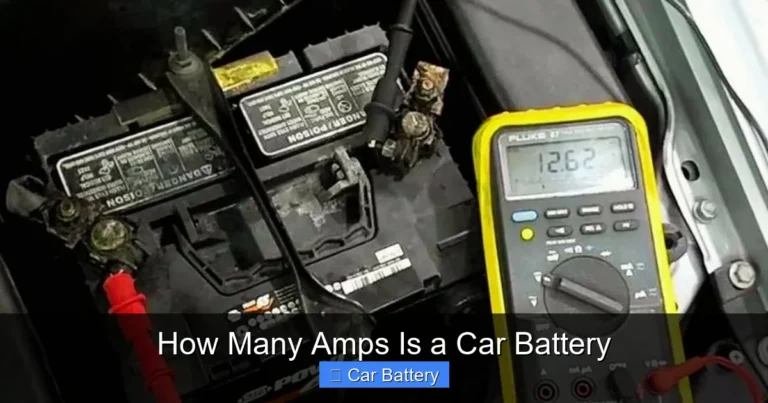
If all else fails, use a multimeter. Set it to DC voltage (20V range), touch the red probe to one terminal and the black probe to the other. If the reading is positive (e.g., +12.6V), the red probe is on the positive terminal. A negative reading means you’ve got it backward. This method is foolproof—and a great way to double-check before doing any work.
Hybrid and Electric Vehicles: Any Differences?
Good question! Hybrid and electric vehicles (EVs) still use 12-volt lead-acid batteries for auxiliary systems like lights, locks, and infotainment. These batteries follow the same red-and-black standard. However, EVs also have high-voltage traction batteries (usually 300–800 volts) that power the electric motor. These systems use orange cables and require specialized training to handle safely.
Never confuse the two. The 12-volt battery under the hood is low-voltage and safe for DIY maintenance—just follow the red-and-black rules. The high-voltage battery pack is typically sealed and should only be serviced by certified technicians. Always disconnect the 12-volt battery before working near high-voltage components to avoid accidental activation.
Safe Jump-Starting: The Correct Order for Red and Black Cables
Visual guide about Car Battery Red and Black
Image source: thumbs.dreamstime.com
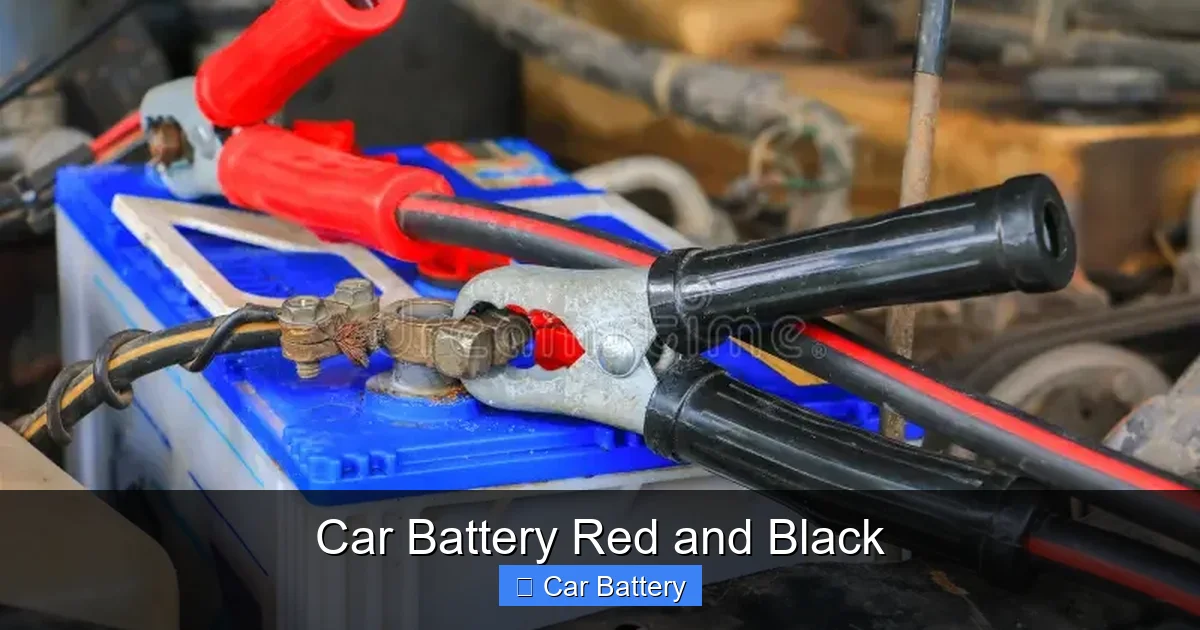
Jump-starting a dead battery is one of the most common reasons people interact with car battery cables. But despite how simple it seems, many drivers get the sequence wrong—and that can lead to sparks, blown fuses, or worse.
The golden rule: **connect red to red first, then black to black—and finish by attaching the final black clamp to an unpainted metal surface on the dead car’s engine block.**
Here’s the step-by-step process:
1. **Park the working car close enough for cables to reach, but don’t let the vehicles touch.**
2. **Turn off both engines and remove keys.**
3. **Attach the red clamp to the positive (+) terminal of the dead battery.**
4. **Attach the other red clamp to the positive (+) terminal of the good battery.**
5. **Attach the black clamp to the negative (−) terminal of the good battery.**
6. **Attach the final black clamp to an unpainted metal part of the dead car’s engine—like a bolt or bracket—NOT the negative terminal.**
Why skip the negative terminal on the dead car? Because it reduces the risk of sparking near the battery, which could ignite hydrogen gas. Grounding to the engine block is safer and just as effective.
Once connected, start the working car and let it run for 5–10 minutes to charge the dead battery. Then try starting the dead car. If it starts, leave it running and carefully disconnect the cables in reverse order: black from ground, black from good battery, red from good battery, red from dead battery.
Common Jump-Starting Mistakes to Avoid
Even experienced drivers make errors. Here are the top three to watch out for:
– **Connecting black to the dead battery’s negative terminal:** This increases spark risk. Always ground to the engine block instead.
– **Reversing red and black:** Double-check before clamping! A quick glance can prevent a costly mistake.
– **Using damaged cables:** Frayed insulation or loose clamps can cause shorts. Inspect your jumper cables before each use.
Pro tip: Keep a pair of quality jumper cables in your trunk year-round. Look for 4-gauge or thicker cables with strong spring-loaded clamps—they deliver more current and last longer.
Maintaining Your Car Battery and Cables

Visual guide about Car Battery Red and Black
Image source: image.shutterstock.com
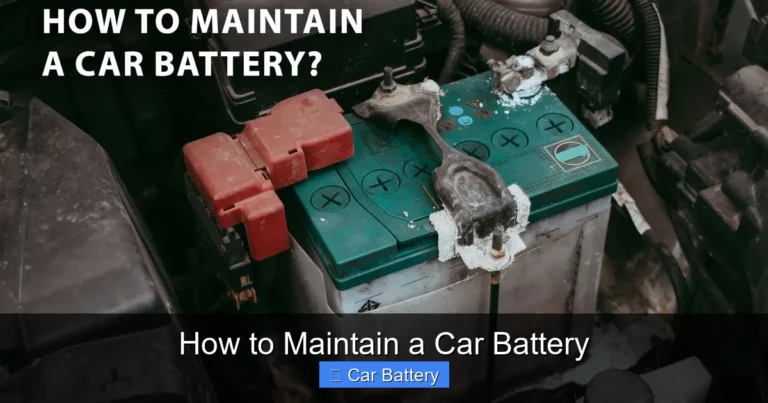
A healthy battery starts with clean, secure connections. Corrosion—that white, green, or blue crust around the terminals—is the enemy. It acts as an insulator, blocking current flow and making it harder for your car to start.
To clean corrosion, mix a tablespoon of baking soda with a cup of water. Dip an old toothbrush into the solution and scrub the terminals gently. Rinse with water and dry thoroughly. For stubborn buildup, use a terminal cleaning tool (available at auto parts stores for under $10).
After cleaning, apply a thin layer of dielectric grease or battery terminal protector spray. This prevents future corrosion and ensures a solid electrical connection.
When to Replace Battery Cables
Battery cables don’t last forever. Over time, the copper wires inside can fray, the insulation can crack, and the clamps can loosen. Signs it’s time for replacement include:
– Difficulty starting the engine, especially in cold weather
– Dimming headlights when idling
– Visible cracks or brittleness in cable insulation
– Loose or wobbly terminal connections
Replacing cables is a DIY-friendly job if you’re comfortable working under the hood. Most vehicles use two main cables: one from the positive terminal to the starter, and one from the negative terminal to the chassis. Disconnect the old ones (negative first, then positive), install the new ones (positive first, then negative), and torque the bolts to the manufacturer’s specs.
Battery Age and Performance
Even with perfect cables, batteries degrade over time. Most last 3–5 years, depending on climate, driving habits, and maintenance. Extreme heat accelerates chemical breakdown, while cold weather reduces cranking power.
Test your battery annually with a load tester or visit an auto parts store—many offer free testing. If your battery is over four years old and struggles to start the car, it’s probably time for a replacement. Don’t wait for a complete failure on a freezing morning!
Safety Tips When Handling Car Batteries
Car batteries contain sulfuric acid and produce explosive hydrogen gas. That’s why safety should always come first.
Always wear safety glasses and gloves. Avoid touching both terminals at once—your body can complete a circuit and deliver a nasty shock. Keep metal tools away from the terminals to prevent short circuits.
Never smoke or use open flames near a battery. A single spark can ignite hydrogen gas and cause an explosion. Work in a well-ventilated area, and keep children and pets away.
If acid spills, neutralize it with baking soda and water, then rinse thoroughly. Seek medical attention if skin or eyes are exposed.
Disposing of Old Batteries Responsibly
Car batteries are highly recyclable—over 99% of their components can be reused. Never throw them in the trash. Most auto parts stores, recycling centers, and service stations accept old batteries for free. They’ll safely extract lead, plastic, and acid for reuse in new batteries.
Conclusion
The red and black cables on your car battery aren’t just colorful accessories—they’re vital safety features that protect you, your vehicle, and everyone around you. By understanding what they represent, how to connect them correctly, and how to maintain them, you’ll avoid common pitfalls and keep your car running smoothly for years to come.
Whether you’re jump-starting a friend’s car, replacing your own battery, or just doing routine maintenance, remember: red is positive, black is negative, and never mix them up. With this knowledge, you’re not just a driver—you’re a confident, capable car owner who knows their way around the hood.
Frequently Asked Questions
Why is the red cable positive and black negative on a car battery?
The red cable is positive because it carries current away from the battery to power the vehicle’s systems. Black is negative because it completes the circuit by returning current to the battery. This color coding is a global standard for safety and consistency.
Can I connect the black cable to the negative terminal when jump-starting?
It’s safer to attach the final black clamp to an unpainted metal part of the engine block instead of the dead battery’s negative terminal. This reduces the risk of sparks near the battery, which could ignite hydrogen gas.
What happens if I reverse the red and black cables?
Reversing polarity can damage your car’s electronics, blow fuses, fry the alternator, or even cause the battery to explode. Always double-check connections before powering up.
Do all car batteries use red and black cables?
Yes, virtually all 12-volt car batteries use red for positive and black for negative. This includes gasoline, diesel, hybrid, and most electric vehicles’ auxiliary batteries.
How often should I clean my battery terminals?
Clean terminals at least once a year, or whenever you notice white or green corrosion buildup. Regular cleaning ensures strong connections and reliable starting.
Can I use any jumper cables for jump-starting?
Use heavy-duty cables (4-gauge or thicker) with strong clamps for best results. Thin or damaged cables may not deliver enough current to start the engine safely.