
Can You Use Goo Gone on Car Paint?

Yes, you can use Goo Gone on car paint—but only under the right conditions and with proper technique. While Goo Gone is effective at removing sticky residues like tree sap, tar, and adhesive, it must be used carefully to avoid damaging your vehicle’s clear coat or paint. Always test in a small area first, use minimal product, and follow up with a thorough wash and wax.
Key Takeaways
- Safe for Clear Coat: Goo Gone Original is generally safe on modern automotive clear coats when used correctly and in moderation.
- Not for All Surfaces: Avoid using Goo Gone on matte finishes, vinyl wraps, or older, oxidized paint that may be more vulnerable to damage.
- Always Test First: Perform a spot test on a hidden area before applying Goo Gone to larger sections of your car.
- Use Sparingly: Apply a small amount with a soft cloth—never spray directly onto the paint or let it sit too long.
- Follow with Wash & Wax: After using Goo Gone, thoroughly wash and dry the area, then apply wax to restore protection and shine.
- Alternative Products Exist: Consider automotive-specific adhesives removers like 3M Adhesive Remover for added peace of mind.
- Prevention Is Key: Regular washing and waxing help prevent stubborn buildup, reducing the need for strong solvents.
📑 Table of Contents
Can You Use Goo Gone on Car Paint?
So, you’ve got a stubborn sticker residue on your bumper, some tree sap stuck to your hood, or maybe even a patch of tar from a recent road trip. You reach for that trusty bottle of Goo Gone—it’s worked wonders on your kitchen counters and windows, so why not your car? But before you spray or dab, pause. The question isn’t just whether Goo Gone works—it’s whether it’s safe for your car’s paint.
Goo Gone is a popular solvent-based cleaner designed to dissolve adhesives, grease, and sticky residues. It’s a household staple for removing price tags, gum, and labels. But car paint—especially modern finishes with clear coats—is a different beast. It’s engineered to withstand UV rays, weather, and minor abrasions, but it’s not invincible. The wrong cleaner, applied incorrectly, can strip wax, dull the shine, or even etch the surface.
The good news? Yes, you can use Goo Gone on car paint—but with caution. When used properly, it’s generally safe for most vehicles with intact clear coats. However, there are important guidelines to follow to avoid damaging your car’s finish. In this guide, we’ll walk you through everything you need to know: how Goo Gone works, when it’s safe to use, step-by-step application tips, and safer alternatives if you’re unsure.
What Is Goo Gone and How Does It Work?
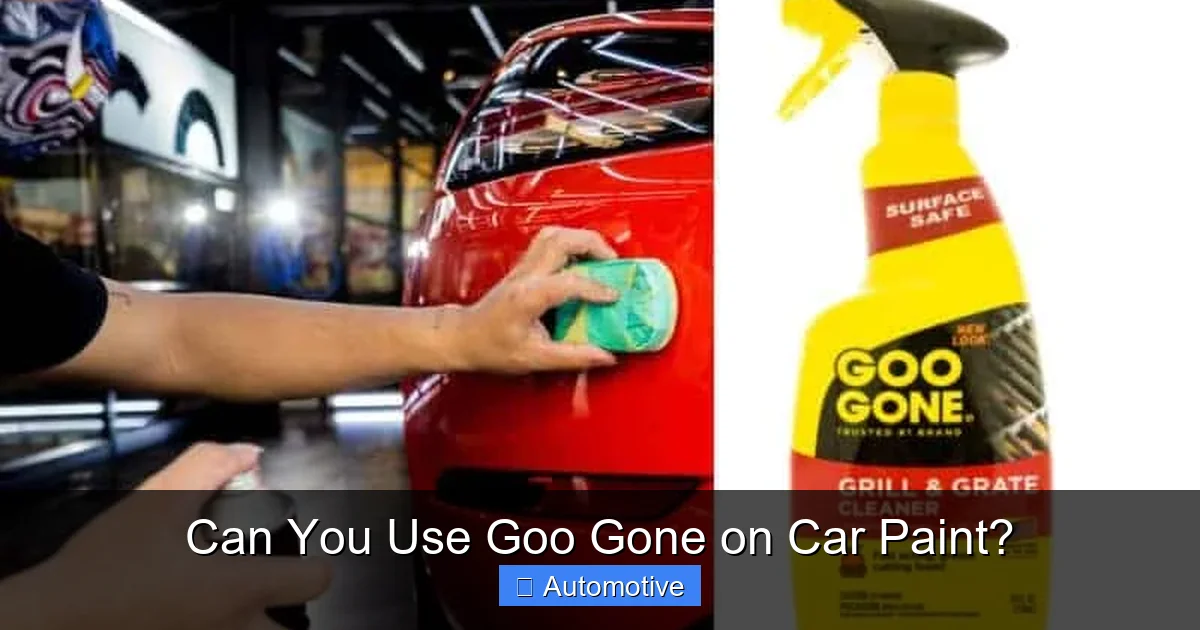
Goo Gone is a commercial adhesive remover and degreaser that uses a blend of solvents to break down sticky substances. The original formula contains ingredients like d-limonene (a citrus-based solvent), isopropyl alcohol, and other petroleum distillates. These compounds work by dissolving the molecular bonds in adhesives, making them easy to wipe away.
Visual guide about Can You Use Goo Gone on Car Paint?
Image source: rxmechanic.com
Active Ingredients and Their Effects
The primary active ingredient in Goo Gone Original is d-limonene, derived from citrus peels. It’s effective at dissolving oils and resins, which is why it works so well on tree sap and adhesive residues. However, d-limonene is a strong solvent. While it’s generally safe on hard surfaces like glass and metal, it can be too harsh for delicate finishes if left on too long or used excessively.
Other ingredients include surfactants and stabilizers that help the product cling to surfaces and prevent evaporation too quickly. This allows the solvent more time to work on tough residues. But this same property means it can linger on paint longer than intended, increasing the risk of damage.
Why It’s Popular for Car Use
Despite the risks, many car owners turn to Goo Gone because it’s affordable, widely available, and highly effective. It’s often the first solution people think of when dealing with:
- Old bumper stickers or decals
- Tree sap or bird droppings
- Tar or asphalt splatter
- Adhesive from parking permits or registration stickers
- Sticky residue from tape or labels
Compared to scraping with a razor blade or using harsh chemicals like acetone, Goo Gone offers a gentler, non-abrasive alternative—when used correctly. But “correctly” is the key word here.
Is Goo Gone Safe for Car Paint?
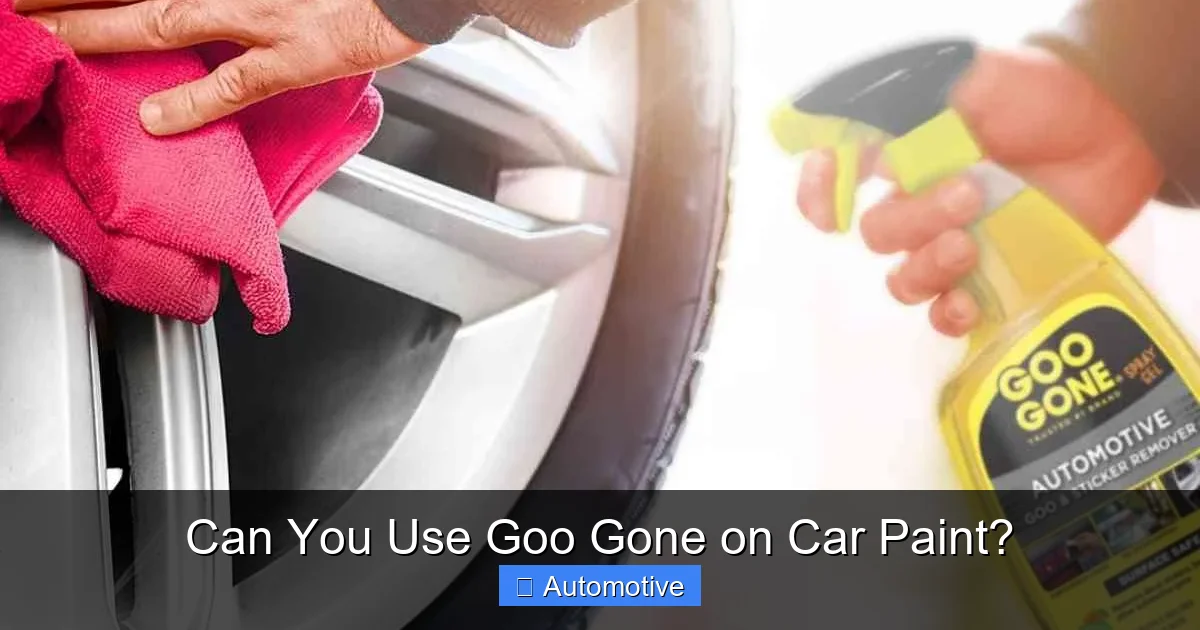
The short answer: Yes, but only under the right conditions. Goo Gone is generally safe for modern automotive paint that has a clear coat finish—which includes most cars made in the last 20+ years. Clear coats are designed to protect the underlying paint from environmental damage, and they’re more resistant to solvents than older single-stage paints.
Visual guide about Can You Use Goo Gone on Car Paint?
Image source: vehicleanswers.com
When It’s Safe to Use
Goo Gone can be safely used on:
- Factory-finished cars with intact clear coats
- Areas with minor sticky residues (not large tar patches)
- Smooth, non-porous surfaces like metal or glass
- Vehicles that are regularly maintained with wax or sealant
In these cases, a small amount of Goo Gone applied with a soft cloth and wiped off quickly should not harm the paint. Many detailers and car enthusiasts have used it successfully for years without issues.
When to Avoid Goo Gone
However, there are situations where Goo Gone can cause damage:
- Matte or satin finishes: These finishes lack a glossy clear coat and are more porous. Solvents can dull or stain the surface.
- Vinyl wraps: Goo Gone can degrade the adhesive or cause the wrap to peel or discolor.
- Older or oxidized paint: Paint that’s faded, chalky, or cracked is more vulnerable to solvent damage.
- Ceramic-coated cars: While ceramic coatings are durable, some solvents can break down the coating over time. Check with the manufacturer.
- Plastic trim: Goo Gone can cloud or damage certain plastics, especially if left on too long.
If your car has any of these characteristics, it’s best to avoid Goo Gone or use it with extreme caution.
Real-World Examples
Let’s say you’re trying to remove an old parking permit sticker from your windshield frame. The area is small, the paint is in good condition, and you’re careful not to let the product drip onto plastic trim. In this case, Goo Gone is likely safe.
On the other hand, imagine you’ve driven through a construction zone and your front bumper is covered in thick tar. Applying Goo Gone liberally and letting it sit for 10 minutes could soften the clear coat, especially if the sun is beating down. That’s a recipe for disaster.
The key is moderation and timing. Use just enough to do the job, and don’t let it dry on the surface.
How to Use Goo Gone on Car Paint Safely
If you’ve decided Goo Gone is the right tool for the job, follow these steps to minimize risk and maximize effectiveness.
Visual guide about Can You Use Goo Gone on Car Paint?
Image source: vehicleanswers.com
Step 1: Test in a Hidden Area
Before applying Goo Gone to a visible part of your car, test it on a small, inconspicuous spot—like behind the fuel door or under the trunk lip. Apply a tiny drop, wait 30 seconds, then wipe it off with a clean microfiber cloth. Check for any changes in color, shine, or texture. If the paint looks dull, hazy, or feels rough, stop immediately.
Step 2: Clean the Area First
Wash the affected area with car soap and water to remove dirt, dust, and loose debris. This prevents scratching when you rub the Goo Gone in. Dry the surface completely with a clean towel.
Step 3: Apply Goo Gone Sparingly
Never spray Goo Gone directly onto the paint. Instead, apply a small amount to a soft, lint-free cloth or a cotton ball. Gently dab or rub the residue—don’t scrub aggressively. Let the solvent do the work.
For stubborn residues, you can let the Goo Gone sit for 30–60 seconds, but do not let it dry. If it starts to evaporate, add a bit more to keep the area moist.
Step 4: Wipe Away Residue
Use a clean part of the cloth to wipe away the dissolved gunk. You may need to repeat the process for tough spots, but avoid over-saturating the area.
Step 5: Wash and Wax
This step is crucial. After using Goo Gone, wash the area thoroughly with car wash soap and water to remove any remaining solvent. Dry it with a microfiber towel. Then, apply a layer of wax or sealant to restore protection and shine. Wax acts as a barrier against future contaminants and helps repair any minor surface stress caused by the solvent.
Pro Tips
- Work in the shade or on a cool surface. Heat accelerates evaporation and increases the risk of damage.
- Use Goo Gone Original, not the gel or spray versions, which may contain additional chemicals or propellants.
- Wear gloves to protect your skin, and work in a well-ventilated area.
- If the residue is on glass or metal (like a license plate), you can be slightly more liberal—just avoid dripping onto paint.
Safer Alternatives to Goo Gone
If you’re nervous about using Goo Gone—or if your car has a sensitive finish—there are several safer, automotive-specific alternatives.
3M Adhesive Remover
This is a favorite among professional detailers. It’s formulated specifically for cars and is less aggressive than Goo Gone. It works well on stickers, tape residue, and light tar. Like Goo Gone, it should be tested first and followed with wax.
Isopropyl Alcohol (70% or Higher)
A diluted alcohol solution (70% isopropyl alcohol mixed with water) can dissolve light adhesives without harming clear coats. It evaporates quickly, reducing the risk of prolonged exposure. Use a spray bottle and a microfiber cloth, and always follow with wax.
WD-40
Surprisingly effective on sticky residues, WD-40 can loosen adhesives and tar. Spray it on, let it sit for a minute, then wipe away. It also leaves a light protective film. However, it’s not a cleaner—so always wash the area afterward.
Commercial Tar and Sap Removers
Products like Chemical Guys Tar & Sap Remover or Meguiar’s Bug and Tar Remover are designed for automotive use. They’re gentle on paint but tough on contaminants. These are ideal for frequent drivers or those in areas with heavy tree sap or road grime.
DIY Citrus-Based Cleaners
You can make a mild adhesive remover at home using natural citrus oils (like orange oil) diluted with water. While not as strong as Goo Gone, they’re eco-friendly and safe for most finishes.
When choosing an alternative, always read the label and look for products labeled “safe for automotive use” or “clear coat safe.”
Common Mistakes to Avoid
Even with the best intentions, it’s easy to make mistakes when using Goo Gone on car paint. Here are the most common pitfalls—and how to avoid them.
Letting It Sit Too Long
One of the biggest mistakes is letting Goo Gone dry on the surface. Solvents need time to work, but prolonged exposure can break down the clear coat. Never leave it on for more than 1–2 minutes, and always keep the area moist during application.
Using Too Much Product
More isn’t better. A little Goo Gone goes a long way. Using excess product increases the risk of overspray, dripping, and prolonged contact—all of which can damage paint or trim.
Skipping the Wash and Wax
Many people use Goo Gone, wipe it off, and call it a day. But failing to wash and wax leaves the paint unprotected. Solvents can strip away natural oils and wax, making the surface more vulnerable to UV damage and oxidation.
Using on the Wrong Surface
Applying Goo Gone to plastic trim, rubber seals, or vinyl can cause clouding, cracking, or discoloration. Always protect surrounding areas with painter’s tape or a cloth.
Ignoring the Weather
Using Goo Gone in direct sunlight or on a hot car can cause the product to evaporate too quickly or react unpredictably with the paint. Work in the shade and on a cool surface whenever possible.
Long-Term Care After Using Goo Gone
Using Goo Gone occasionally won’t ruin your car’s paint—but it’s not a substitute for regular maintenance. To keep your vehicle looking its best, follow these long-term care tips.
Regular Washing
Wash your car every 2–4 weeks to remove contaminants before they harden. Use a pH-balanced car shampoo and a two-bucket method to avoid scratching.
Waxing Every 3–6 Months
Wax protects the clear coat from UV rays, water spots, and chemical exposure. After using Goo Gone, waxing is especially important to restore the protective layer.
Clay Bar Treatment
Once or twice a year, use a clay bar to remove embedded contaminants that washing can’t reach. This keeps the surface smooth and ready for wax.
Inspect for Damage
After using any solvent, inspect the area under good lighting. Look for dull spots, swirls, or hazing. If you notice any changes, consider using a polish or seeking professional help.
Prevent Future Buildup
The best way to avoid needing Goo Gone is to prevent sticky residues in the first place. Remove stickers promptly, park under cover when possible, and use a sealant to make cleanup easier.
Conclusion
So, can you use Goo Gone on car paint? Yes—but with care, caution, and proper follow-up. It’s a powerful tool for removing stubborn adhesives and residues, and when used correctly, it won’t harm modern automotive finishes. However, it’s not a one-size-fits-all solution. Always test first, use sparingly, and never skip the wash and wax step.
If you’re unsure or driving a car with a sensitive finish, consider using a dedicated automotive adhesive remover instead. And remember: prevention is always better than correction. Regular maintenance keeps your car looking great and reduces the need for strong solvents.
At the end of the day, your car’s paint is an investment. Treat it with respect, and it will reward you with years of shine and protection. Whether you choose Goo Gone or an alternative, the key is knowledge, patience, and a gentle touch.
Frequently Asked Questions
Can Goo Gone damage car paint?
Goo Gone can damage car paint if used incorrectly—especially on matte finishes, vinyl wraps, or older, oxidized paint. However, when applied sparingly and followed by washing and waxing, it’s generally safe for modern clear coats.
How long can I leave Goo Gone on car paint?
Never leave Goo Gone on car paint for more than 1–2 minutes. Keep the area moist during application and wipe it off before it dries to prevent solvent damage.
Should I wax my car after using Goo Gone?
Yes, always wax the area after using Goo Gone. The solvent can strip away protective wax, leaving the paint vulnerable. Waxing restores shine and protection.
Can I use Goo Gone on plastic car parts?
It’s not recommended. Goo Gone can cloud, crack, or discolor certain plastics. If you must use it, test first on a small area and wipe it off quickly.
Is Goo Gone safe for ceramic-coated cars?
Use with caution. While ceramic coatings are durable, some solvents may degrade them over time. Check with the coating manufacturer or use a dedicated automotive adhesive remover instead.
What’s a safer alternative to Goo Gone for cars?
3M Adhesive Remover, isopropyl alcohol, or commercial tar and sap removers are safer, car-specific alternatives that are less likely to damage paint or trim.