Can You Jump Lawn Mower Battery with Car

Yes, you can jump a lawn mower battery with a car, but it’s not always safe or recommended. While it’s technically possible, doing so incorrectly can damage your mower’s electrical system or even cause injury. This guide walks you through the risks, proper techniques, and safer alternatives to get your mower running again.
In This Article
- 1 Key Takeaways
- 2 📑 Table of Contents
- 3 Can You Jump Lawn Mower Battery with Car? The Short Answer
- 4 Understanding Lawn Mower Batteries: What Makes Them Different?
- 5 The Risks of Jumping a Lawn Mower Battery with a Car
- 6 When Is It Safe to Jump a Lawn Mower Battery with a Car?
- 7 Step-by-Step Guide: How to Jump a Lawn Mower Battery with a Car
- 8 Safer Alternatives to Jumping with a Car
- 9 Final Tips for Lawn Mower Battery Care
- 10 Conclusion
- 11 Frequently Asked Questions
- 11.1 Can I jump a 6-volt lawn mower battery with a car?
- 11.2 How long should I leave the car running when jumping a mower?
- 11.3 What if my mower still won’t start after jumping?
- 11.4 Can I use a car battery charger on a lawn mower battery?
- 11.5 Is it safe to jump a sealed AGM lawn mower battery?
- 11.6 Should I disconnect the battery before jumping?
Key Takeaways
- It’s possible but risky: Jumping a lawn mower battery with a car can work in emergencies, but improper connections may fry the mower’s electronics.
- Voltage and amperage matter: Most lawn mowers use 12-volt batteries, similar to cars, but their charging systems aren’t built for high-current jumps.
- Use proper cables and sequence: Always connect red to positive first, then black to negative or a grounded metal part—never reverse the order.
- Limit jump time: Only attempt a jump for 1–2 minutes. If the mower doesn’t start, stop to avoid overloading the system.
- Safer alternatives exist: Portable jump starters or dedicated lawn mower chargers are safer and more reliable long-term solutions.
- Check battery health first: A dead battery might just need recharging—test it before jumping to avoid unnecessary risks.
- Safety gear is essential: Wear gloves and eye protection to protect against sparks, acid leaks, or battery explosions.
📑 Table of Contents
- Can You Jump Lawn Mower Battery with Car? The Short Answer
- Understanding Lawn Mower Batteries: What Makes Them Different?
- The Risks of Jumping a Lawn Mower Battery with a Car
- When Is It Safe to Jump a Lawn Mower Battery with a Car?
- Step-by-Step Guide: How to Jump a Lawn Mower Battery with a Car
- Safer Alternatives to Jumping with a Car
- Final Tips for Lawn Mower Battery Care
- Conclusion
Can You Jump Lawn Mower Battery with Car? The Short Answer
So your lawn mower won’t start, and you’re staring at that stubborn battery, wondering if you can just hook it up to your car like you would with a dead car battery. It’s a common question—especially on a Saturday morning when the grass is growing and the mower is silent. The quick answer? Yes, you *can* jump a lawn mower battery with a car, but it’s not as simple as just clamping on the cables and hoping for the best.
Lawn mowers, especially modern riding or zero-turn models, often use 12-volt batteries—just like your car. That similarity makes jumping seem logical. But here’s the catch: lawn mower electrical systems are simpler and more sensitive than car systems. They weren’t designed to handle the high amperage surge that a car battery can deliver. One wrong move—like reversing the cables or leaving them connected too long—can fry the mower’s ignition system, solenoid, or onboard computer.
Think of it like trying to power a smartphone with a car battery. The voltage might match, but the power delivery is way too intense. That’s why jumping a lawn mower battery with a car should be a last resort, not your go-to fix. In this guide, we’ll break down when it’s safe, how to do it correctly, and what safer alternatives you should consider first.
Understanding Lawn Mower Batteries: What Makes Them Different?
Before you even think about grabbing those jumper cables, it helps to understand what kind of battery your lawn mower actually uses. Not all mowers are the same, and knowing the basics can save you from costly mistakes.
Most residential riding mowers and larger push mowers use 12-volt lead-acid batteries. These are similar in voltage to car batteries, which is why jumping seems feasible. However, lawn mower batteries are typically smaller in capacity—measured in ampere-hours (Ah)—and are designed for short bursts of power to start the engine, not sustained loads like a car battery.
There are two main types of batteries used in lawn mowers:
Flooded Lead-Acid Batteries
These are the most common and affordable. They contain liquid electrolyte and require occasional maintenance, like checking water levels. They’re robust but can leak or spill if tipped over. Because they’re vented, they can release hydrogen gas when charging—making proper ventilation crucial during a jump.
Sealed Lead-Acid (SLA) or AGM Batteries
These are maintenance-free and spill-proof. AGM (Absorbent Glass Mat) batteries are more common in newer mowers and are better at handling vibrations. They’re also more sensitive to overcharging, which is a risk when jumping with a car.
Now, here’s the key difference: lawn mower charging systems are simple. They often rely on a basic alternator or stator to recharge the battery while the engine runs. Unlike cars, which have sophisticated voltage regulators, mowers don’t have the same safeguards. That means if you feed too much current too quickly—like from a car battery—you can overwhelm the system.
Also, many modern mowers have electronic ignition systems, fuel pumps, and even onboard computers. These components are not built to handle the voltage spikes that can occur during a jump. A sudden surge could fry a $200 ignition module just as easily as it could start your engine.
So while the voltage matches, the *system tolerance* does not. That’s why jumping should be approached with caution.
The Risks of Jumping a Lawn Mower Battery with a Car
Let’s be honest: jumping a lawn mower battery with a car isn’t something manufacturers recommend. In fact, many mower manuals explicitly warn against it. Why? Because the risks often outweigh the benefits—especially if you’re not careful.
Electrical System Damage
The biggest danger is frying your mower’s electrical components. When you connect a car battery—which can deliver hundreds of amps—to a lawn mower’s smaller system, you’re essentially forcing a firehose into a garden sprinkler. The sudden surge can overload the voltage regulator, ignition coil, or solenoid. In some cases, it can even damage the starter motor.
For example, imagine you’re trying to jump a John Deere riding mower with a Ford F-150. The truck’s battery might put out 600–800 cold cranking amps (CCA), while the mower’s system is designed for maybe 100–200 CCA. That extra power has nowhere to go safely. It can cause components to overheat, melt, or short out.
Battery Damage
Lawn mower batteries aren’t built to be jump-started. Repeated jumping can degrade the internal plates, reduce capacity, and shorten the battery’s lifespan. In extreme cases, the battery can swell, leak acid, or even explode due to gas buildup—especially if it’s a flooded battery and you’re charging it too quickly.
Safety Hazards
Batteries contain sulfuric acid and produce flammable hydrogen gas. If you reverse the cables—connecting positive to negative—you can create sparks near the battery, which could ignite the gas and cause an explosion. That’s why safety gear like gloves and safety glasses are non-negotiable.
Even if you connect everything correctly, a loose clamp can spark and cause a fire. And if the mower’s battery is old or damaged, it might not accept a charge at all—meaning you’re risking your car’s electrical system for nothing.
Voiding Warranties
Many manufacturers void warranties if they find evidence of improper jump-starting. If your mower’s electronics fail after a jump, you might be stuck paying for repairs out of pocket—even if the jump wasn’t the direct cause.
False Sense of Security
Sometimes, a mower won’t start not because the battery is dead, but because of a bad starter, faulty ignition switch, or fuel issue. Jumping the battery might give you a temporary fix, but it won’t solve the real problem. You could end up damaging the electrical system while ignoring the actual issue.
When Is It Safe to Jump a Lawn Mower Battery with a Car?
Despite the risks, there are situations where jumping a lawn mower battery with a car can be done safely—if you follow the right steps and take precautions.
The Battery Is Truly Dead, Not Faulty
First, make sure the battery is actually dead and not damaged. A healthy battery should read around 12.6 volts when fully charged. If it’s below 12 volts, it might just need a recharge. But if it’s below 11 volts or won’t hold a charge, it could be sulfated or internally shorted—jumping won’t help and could make things worse.
Use a multimeter to test the voltage. If it’s low but not zero, a jump might work. If it’s completely dead or swollen, replace it instead.
You’re Using the Right Equipment
Not all jumper cables are created equal. Use heavy-duty cables with thick gauge wire (at least 4-gauge) to handle the current safely. Cheap, thin cables can overheat or fail under load.
Also, make sure both vehicles are turned off before connecting. This reduces the risk of voltage spikes when the cables are attached.
The Mower Has a Simple Electrical System
Older mowers with basic ignition systems (no computers or fuel injection) are more tolerant of jumps. If your mower is from the 1990s or earlier and has a pull-start backup, it’s a better candidate for jumping.
Newer models with electronic fuel injection (EFI), digital dashboards, or smart features are riskier. The onboard computers can be easily damaged by improper voltage.
You’re Doing It as a One-Time Emergency Fix
Jumping should only be a temporary solution—not a regular practice. If your mower battery dies frequently, it’s a sign of a deeper issue: a bad alternator, parasitic drain, or aging battery. Repeated jumping will only accelerate wear and increase the risk of damage.
You Follow the Correct Sequence
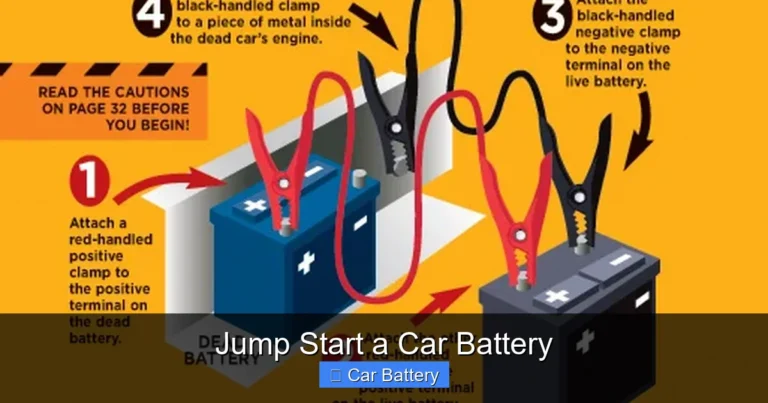
The order in which you connect the cables matters. Always follow this sequence:
1. Connect the red (positive) clamp to the mower battery’s positive terminal.
2. Connect the other red clamp to the car battery’s positive terminal.
3. Connect the black (negative) clamp to the car battery’s negative terminal.
4. Connect the final black clamp to a grounded metal part on the mower—like the engine block or frame—*not* the negative terminal.
This “grounding” step prevents sparks near the battery, reducing the risk of explosion.
Step-by-Step Guide: How to Jump a Lawn Mower Battery with a Car
If you’ve assessed the risks and decided to proceed, here’s how to do it safely and effectively.
Step 1: Gather Your Tools
You’ll need:
– Heavy-duty jumper cables
– A working car with a charged battery
– Safety gloves and eye protection
– A multimeter (optional, but recommended)
– A clean, dry workspace
Make sure both vehicles are parked on level ground, away from flammable materials. Turn off both engines and remove the keys.
Step 2: Inspect the Batteries
Check both the mower and car batteries for cracks, leaks, or swelling. If either battery looks damaged, do not proceed. Also, ensure the mower’s battery terminals are clean and free of corrosion. Use a wire brush if needed.
Step 3: Connect the Cables in the Correct Order
Follow this sequence exactly:
1. Attach the red clamp to the positive (+) terminal of the mower battery.
2. Attach the other red clamp to the positive (+) terminal of the car battery.
3. Attach the black clamp to the negative (-) terminal of the car battery.
4. Attach the final black clamp to a clean, unpainted metal part on the mower’s engine or frame—*not* the battery’s negative terminal.
This grounding step is crucial. It prevents sparks near the battery, where hydrogen gas may be present.
Step 4: Start the Car and Let It Run
Start the car and let it idle for 2–3 minutes. This allows the car’s alternator to send a small charge to the mower battery. Do not rev the engine—high RPMs can send too much voltage.
Step 5: Attempt to Start the Mower
After a few minutes, try starting the mower. If it starts, great! Let it run for 10–15 minutes to allow the mower’s charging system to replenish the battery.
If it doesn’t start after 1–2 minutes, stop. Do not continue jumping for longer periods. Overcharging can damage the battery or electronics.
Step 6: Disconnect the Cables in Reverse Order
Once the mower is running, disconnect the cables in the reverse order:
1. Remove the black clamp from the mower’s ground.
2. Remove the black clamp from the car’s negative terminal.
3. Remove the red clamp from the car’s positive terminal.
4. Remove the red clamp from the mower’s positive terminal.
This prevents accidental short circuits.
Step 7: Test and Monitor
After disconnecting, let the mower run for at least 15 minutes. If it dies shortly after, the battery may not be holding a charge—or the charging system is faulty. Consider replacing the battery or having the system checked.
Safer Alternatives to Jumping with a Car
Given the risks, it’s often smarter to avoid jumping altogether. Here are safer, more reliable alternatives.
Use a Portable Jump Starter
Portable jump starters are compact, battery-powered devices designed to jump-start small engines. They’re perfect for lawn mowers, motorcycles, and ATVs. Most deliver 300–600 amps—enough to start a mower without overwhelming it.
Look for models with built-in safety features like reverse polarity protection, spark-proof clamps, and USB ports for charging phones. They’re rechargeable via a wall outlet or car charger and can be stored in your garage for emergencies.
Use a Dedicated Lawn Mower Battery Charger
A smart charger designed for 12-volt lawn mower batteries is the safest option. These chargers use a slow, controlled charge that won’t damage the battery or electronics. Many have automatic shutoff and maintenance modes to keep the battery topped up.
You can leave them connected overnight without worry. Some even have desulfation modes to revive old batteries.
Try a Trickle Charge First
If the battery is just low—not completely dead—a trickle charge might be enough. Connect a low-amp charger (1–2 amps) and let it charge for 6–12 hours. This is gentle on the battery and avoids the risks of jumping.
Check the Charging System
If your mower battery dies frequently, the problem might not be the battery—it could be the alternator or voltage regulator. A mechanic can test the charging system to ensure it’s working properly.
Replace the Battery If Needed
Lawn mower batteries typically last 3–5 years. If yours is older or won’t hold a charge, replacing it is cheaper and safer than risking a jump. Look for a battery with the same voltage, size, and terminal type.
Final Tips for Lawn Mower Battery Care
Prevention is always better than a jump. Here’s how to keep your mower battery in top shape:
– **Store it properly in winter:** Remove the battery and store it in a cool, dry place. Use a maintenance charger to keep it charged.
– **Clean the terminals:** Corrosion can prevent a good connection. Clean terminals with baking soda and water.
– **Avoid deep discharges:** Don’t let the battery die completely. Recharge it after each use if possible.
– **Check water levels (if applicable):** For flooded batteries, top up with distilled water as needed.
– **Use a battery tender:** These small devices keep the battery charged during long storage periods.
Conclusion
So, can you jump lawn mower battery with car? Technically, yes—but it’s a risky move that should only be done in emergencies and with extreme caution. The voltage may match, but the electrical systems are not built for the high-current surge a car battery can deliver. One mistake can fry your mower’s electronics, damage the battery, or even cause injury.
Instead of reaching for the jumper cables, consider safer alternatives like portable jump starters or dedicated chargers. They’re affordable, easy to use, and designed specifically for small engines. And if your mower battery dies often, it’s worth investigating the root cause—whether it’s a bad charger, parasitic drain, or simply an old battery.
Remember: a little prevention goes a long way. Keep your battery charged, clean, and stored properly, and you’ll avoid the need for a jump altogether. Your mower—and your weekend—will thank you.
Frequently Asked Questions
Can I jump a 6-volt lawn mower battery with a car?
No, you should not jump a 6-volt battery with a 12-volt car battery. The voltage mismatch can cause severe damage to the mower’s electrical system or battery. Use a compatible 6-volt charger or jump starter instead.
How long should I leave the car running when jumping a mower?
Only run the car for 2–3 minutes while connected. Do not exceed 5 minutes. Longer connections can overcharge the mower battery and damage its electronics.
What if my mower still won’t start after jumping?
If the mower doesn’t start after a proper jump, the issue may not be the battery. Check the starter, ignition switch, fuel system, or charging system. The battery might also be too damaged to accept a charge.
Can I use a car battery charger on a lawn mower battery?
Yes, but only if it’s a smart charger with a 12-volt setting and low amp output (1–2 amps). Avoid high-amp car chargers, as they can overcharge and damage the battery.
Is it safe to jump a sealed AGM lawn mower battery?
It’s riskier than jumping a flooded battery. AGM batteries are sensitive to overcharging and voltage spikes. Use a portable jump starter or charger designed for AGM batteries instead.
Should I disconnect the battery before jumping?
No, you don’t need to disconnect it. Just ensure the mower is off and follow the correct cable sequence. Disconnecting isn’t necessary and could complicate the process.