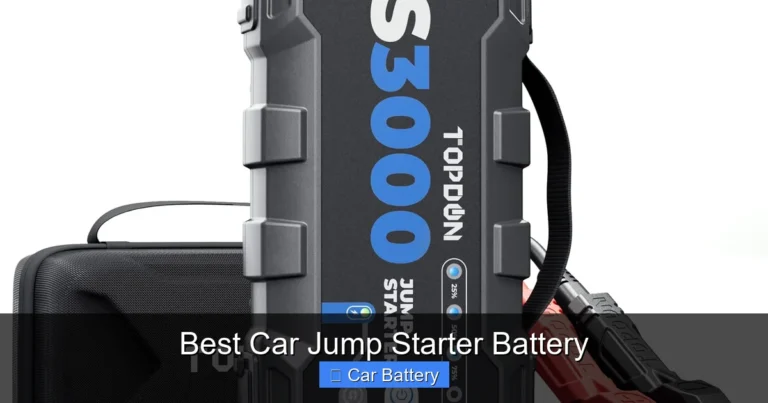
Can You Jump a Motorcycle with a Car Battery
Yes, you can jump a motorcycle with a car battery, but it must be done carefully to avoid damaging your bike’s electrical system. Using proper techniques and precautions ensures a safe jump-start without frying delicate components.
Have you ever been stranded on the side of the road with a motorcycle that won’t start? The kickstand is down, the key is in the ignition, and you turn it—only to hear a weak click or nothing at all. Your heart sinks. It’s a dead battery. Now, you’re wondering: Can you jump a motorcycle with a car battery? Maybe you’ve got a friend nearby with a car, or you’re at a gas station with a jump box. The idea seems simple—just like jumping a car, right?
But motorcycles aren’t cars. Their electrical systems are smaller, more sensitive, and far less forgiving. While it’s technically possible to jump-start a motorcycle using a car battery, doing it the wrong way can fry your bike’s electronics, ruin the regulator-rectifier, or even cause a fire. So, the real question isn’t just “Can you?”—it’s “Should you, and how do you do it safely?”
In this guide, we’ll walk you through everything you need to know about jumping a motorcycle with a car battery. We’ll cover the risks, the correct procedure, safety tips, and smarter alternatives. Whether you’re a weekend rider or a daily commuter, knowing how to handle a dead battery situation can save you time, money, and a lot of frustration. Let’s get your bike back on the road—safely.
In This Article
- 1 Key Takeaways
- 2 📑 Table of Contents
- 3 Understanding Motorcycle and Car Batteries
- 4 Can You Actually Jump a Motorcycle with a Car Battery?
- 5 Step-by-Step Guide to Safely Jump a Motorcycle with a Car Battery
- 6 Risks and Common Mistakes to Avoid
- 7 Safer Alternatives to Jumping with a Car Battery
- 8 When to Seek Professional Help
- 9 Conclusion
- 10 Frequently Asked Questions
- 10.1 Can jumping a motorcycle with a car battery damage the ECU?
- 10.2 How long should I let the motorcycle run after jumping?
- 10.3 Can I use a car jump starter on a motorcycle?
- 10.4 What if my motorcycle has a lithium battery?
- 10.5 Can I jump a motorcycle in the rain?
- 10.6 Why won’t my motorcycle start even after jumping?
Key Takeaways
- It is possible to jump a motorcycle with a car battery – but only if done correctly with the right tools and precautions.
- Car batteries have much higher voltage and current output than motorcycle batteries, which can overwhelm a bike’s smaller electrical system.
- Always use jumper cables and connect in the correct sequence: positive to positive, negative to ground (not the dead battery’s negative terminal).
- Never let the car engine run at high RPMs during the jump – this can send surges that damage the motorcycle’s regulator or rectifier.
- Consider using a portable jump starter or battery tender as safer, more reliable alternatives for motorcycle use.
- Check your motorcycle’s battery condition first – if it’s old or sulfated, jumping may not work and could cause further issues.
- After jumping, ride the motorcycle for at least 20–30 minutes to allow the alternator to recharge the battery fully.
📑 Table of Contents
Understanding Motorcycle and Car Batteries
Before you even think about connecting cables, it’s important to understand the differences between motorcycle and car batteries. These differences aren’t just about size—they affect how electricity flows, how much power is stored, and how sensitive the systems are to surges.
Motorcycle batteries are typically 12-volt lead-acid or lithium-ion units, but they’re much smaller in capacity. A typical motorcycle battery might have a capacity of 5 to 20 amp-hours (Ah), while a car battery can range from 40 to 100 Ah. That means a car battery can deliver far more current—often 300 to 600 cold cranking amps (CCA)—compared to a motorcycle battery’s 100 to 200 CCA. This difference is critical. Your motorcycle’s starter motor and electrical components are designed for lower current draws. Overloading them with a surge from a car battery can cause immediate damage.
Another key difference is the charging system. Motorcycles use a smaller alternator and a regulator-rectifier to convert AC power from the stator into DC power for the battery and electronics. These components are compact and not built to handle the voltage spikes that can occur during a jump-start from a high-output car battery. Even a brief surge can fry the regulator, leaving you with a dead bike and a costly repair bill.
Additionally, motorcycle batteries are often positioned in tight spaces, sometimes under the seat or near fuel tanks. This makes access tricky and increases the risk of short circuits if cables are mishandled. Car batteries, on the other hand, are usually in open engine bays with clear labeling and sturdy terminals.
So while both are 12-volt systems, the devil is in the details. A car battery isn’t just a “bigger version” of a motorcycle battery—it’s a different beast altogether. Understanding these differences is the first step toward jumping your motorcycle safely.
Can You Actually Jump a Motorcycle with a Car Battery?
The short answer is yes—you can jump a motorcycle with a car battery. But the long answer is more nuanced. It’s not as simple as clamping cables and hoping for the best. Done correctly, it can get your bike running in minutes. Done incorrectly, it can leave you with a dead motorcycle and a blown electrical system.
The main concern is voltage and current mismatch. Both car and motorcycle batteries are 12-volt systems, so in theory, they’re compatible. However, car batteries are designed to deliver massive bursts of current to crank large engines. Motorcycle starters, in contrast, require much less power. If a car battery sends too much current too quickly, it can overwhelm the motorcycle’s wiring, fuses, or sensitive electronics like the ECU (engine control unit), ignition system, or fuel injectors.
Another risk is voltage spikes. When you connect or disconnect jumper cables, especially if the car engine is running, there can be sudden surges in voltage. These spikes can damage the motorcycle’s regulator-rectifier, which is responsible for converting alternating current (AC) from the stator into direct current (DC) and regulating the voltage to around 13.5–14.5 volts. A fried regulator means your battery won’t charge, and your lights, instruments, or ignition might stop working.
That said, many riders have successfully jumped their motorcycles using car batteries without issues—especially in emergencies. The key is following the right procedure and taking precautions. For example, turning off the car engine during connection, using quality jumper cables, and avoiding direct connection to the motorcycle’s negative terminal (more on that later).
So, can you do it? Yes. Should you? Only if you’re careful, prepared, and understand the risks. And even then, it’s often better to use a dedicated motorcycle jump starter or a battery tender. But if you’re in a pinch and have no other option, knowing how to do it safely can be a lifesaver.
Step-by-Step Guide to Safely Jump a Motorcycle with a Car Battery
If you’ve decided to jump your motorcycle using a car battery, follow these steps carefully. Safety and precision are crucial. Rushing or skipping steps can lead to sparks, short circuits, or irreversible damage.
Gather the Right Tools
Before you start, make sure you have:
– A set of heavy-duty jumper cables (preferably 8-gauge or thicker)
– A functioning car with a healthy battery
– Safety gloves and goggles (optional but recommended)
– A clean, dry workspace (avoid puddles or wet surfaces)
Avoid using thin or damaged cables—they can overheat or fail under high current. Also, ensure both vehicles are turned off before connecting anything.
Position the Vehicles Safely
Park the car close enough for the jumper cables to reach, but make sure the two vehicles don’t touch. Turn off both engines, remove the keys, and engage the parking brake. If you’re on a slope, use wheel chocks. Safety first—never work on a running vehicle unless absolutely necessary.
Connect the Jumper Cables in the Correct Order
This is where most people go wrong. Follow this sequence exactly:
1. Connect the red (positive) clamp to the positive terminal of the dead motorcycle battery.
2. Connect the other red clamp to the positive terminal of the car battery.
3. Connect the black (negative) clamp to the negative terminal of the car battery.
4. Connect the final black clamp to an unpainted metal part of the motorcycle’s frame—not the negative terminal of the dead battery.
Why the frame? Connecting the negative cable directly to the dead battery’s negative terminal can cause sparks near the battery, which may emit flammable hydrogen gas. Grounding to the frame reduces this risk and provides a safer path for current.
Start the Car (Briefly)
Start the car and let it idle for 2–3 minutes. Do not rev the engine. High RPMs can send voltage spikes through the system. The goal is to gently charge the motorcycle battery, not overwhelm it.
Attempt to Start the Motorcycle
Turn on the motorcycle’s ignition and try to start it. If it doesn’t start immediately, wait 30 seconds and try again. Do not crank for more than 10 seconds at a time. If it still won’t start after 2–3 attempts, there may be a deeper issue—like a bad starter or faulty wiring.
Disconnect the Cables in Reverse Order
Once the motorcycle is running, disconnect the cables in the reverse order:
1. Remove the black clamp from the motorcycle frame.
2. Remove the black clamp from the car battery.
3. Remove the red clamp from the car battery.
4. Remove the red clamp from the motorcycle battery.
Do not let the clamps touch each other or any metal parts while disconnected. Keep them separated.
Let the Motorcycle Run
Keep the motorcycle running for at least 20–30 minutes to allow the alternator to recharge the battery. Avoid turning it off immediately, or you may end up with a dead battery again.
Following these steps minimizes risk and maximizes your chances of a successful jump. But remember—this is a temporary fix. You should still test your battery and charging system as soon as possible.
Risks and Common Mistakes to Avoid
Even with the best intentions, jumping a motorcycle with a car battery can go wrong. Here are the most common risks and mistakes—and how to avoid them.
Overloading the Electrical System
The biggest danger is sending too much current too fast. Motorcycle electronics are not built to handle the surge from a car battery. This can fry the regulator-rectifier, damage the ECU, or blow fuses. To reduce risk, never rev the car engine during the jump. Keep it at idle.
Incorrect Cable Connection
Connecting the negative cable to the dead battery’s negative terminal instead of the frame is a common mistake. This increases the risk of sparks near the battery, which can ignite hydrogen gas. Always ground to the frame.
Using Damaged or Thin Cables
Cheap or frayed jumper cables can overheat, melt, or fail under load. Use heavy-duty cables with solid clamps. Inspect them before each use.
Leaving the Car Running Too Long
While it’s okay to let the car idle for a few minutes, don’t leave it running for extended periods. This can overcharge the motorcycle battery or cause voltage spikes when disconnecting.
Ignoring Battery Condition
If your motorcycle battery is old, sulfated, or physically damaged, jumping it may not work—and could make things worse. A bad battery can’t hold a charge, so even if you jump it, it will die again quickly. Test the battery with a multimeter before attempting a jump.
Not Wearing Safety Gear
Batteries contain sulfuric acid and can emit explosive gases. Wear gloves and eye protection, especially if the battery is swollen or leaking.
Jumping in Wet or Unstable Conditions
Water conducts electricity. Avoid jumping in rain, puddles, or on slippery surfaces. Make sure both vehicles are stable and secure.
By being aware of these risks, you can take proactive steps to protect yourself and your bike. When in doubt, opt for a safer alternative.
Safer Alternatives to Jumping with a Car Battery
While jumping a motorcycle with a car battery is possible, it’s not always the best option. Fortunately, there are safer, more reliable alternatives that reduce risk and increase success rates.
Portable Motorcycle Jump Starters
These compact, lithium-ion devices are designed specifically for motorcycles. They’re lightweight, easy to carry, and deliver a controlled burst of power. Most come with built-in safety features like reverse polarity protection, short-circuit prevention, and LED flashlights. Popular brands include NOCO, Antigravity, and Tacklife. A good portable jump starter can cost $80–$150 but pays for itself in peace of mind.
Battery Tenders and Maintainers
If your motorcycle sits for long periods, a battery tender (also called a smart charger) can keep the battery charged without overcharging. These devices plug into a wall outlet and connect to the battery via quick-disconnect leads. They’re ideal for winter storage or infrequent use.
Push-Starting (Bump-Starting)
If your motorcycle has a manual transmission, you can try push-starting. This method uses the bike’s momentum to turn the engine over. To do it:
– Turn the ignition on.
– Put the bike in second gear.
– Hold the clutch and push the bike until it reaches 5–10 mph.
– Release the clutch quickly while giving a little throttle.
This works best on flat or downhill terrain and requires some physical effort. It won’t work on fuel-injected bikes if the ECU isn’t powered, but it’s a great option for older models.
Calling Roadside Assistance
Many motorcycle clubs and insurance plans offer roadside assistance. A professional can bring a proper jump pack or tow your bike to a shop. It’s not instant, but it’s the safest option if you’re unsure.
Upgrading to a Lithium Battery
Lithium motorcycle batteries are lighter, hold a charge longer, and are less prone to sulfation. While more expensive upfront, they last longer and perform better in cold weather. They also recharge faster, reducing the need for jump-starts.
Investing in one of these alternatives can save you from risky jump attempts and keep you riding confidently.
When to Seek Professional Help
Sometimes, a dead battery is just the symptom of a bigger problem. If your motorcycle won’t start even after a successful jump, or if it dies again shortly after, it’s time to see a mechanic.
Common underlying issues include:
– A failing alternator or stator that isn’t charging the battery
– A faulty regulator-rectifier
– Corroded or loose battery terminals
– Parasitic drain (something is drawing power when the bike is off)
– A bad starter motor or solenoid
A professional can run diagnostics, test the charging system, and replace worn components. Ignoring these issues can lead to repeated breakdowns or safety hazards.
Also, if you’ve attempted a jump and noticed smoke, burning smells, or flickering lights, stop immediately. These are signs of electrical damage. Continuing to ride could worsen the problem.
Don’t hesitate to seek help. A $100 diagnostic fee is far cheaper than replacing a fried ECU or wiring harness.
Conclusion
So, can you jump a motorcycle with a car battery? Yes—but with caution. While it’s possible in a pinch, the risks to your bike’s delicate electronics are real. Car batteries deliver more power than motorcycle systems are designed to handle, and a single mistake can lead to costly repairs.
The key to a safe jump is preparation, the right tools, and following the correct procedure. Always connect cables in the right order, ground to the frame, avoid high RPMs, and disconnect carefully. But even then, it’s a temporary solution.
For long-term reliability, consider investing in a portable jump starter, a battery tender, or upgrading to a lithium battery. These tools are designed for motorcycles and offer safer, more consistent performance.
Remember: a dead battery doesn’t have to mean the end of your ride. With the right knowledge and tools, you can get back on the road—safely and confidently. Stay prepared, stay safe, and keep riding.
Frequently Asked Questions
Can jumping a motorcycle with a car battery damage the ECU?
Yes, it can. The ECU (engine control unit) is sensitive to voltage spikes. If the car battery sends a surge during the jump, it can fry the ECU, leading to expensive repairs. Always use caution and consider safer alternatives.
How long should I let the motorcycle run after jumping?
Let it run for at least 20–30 minutes. This gives the alternator enough time to recharge the battery. Turning it off too soon may result in another dead battery.
Can I use a car jump starter on a motorcycle?
Some car jump starters work, but many are too powerful. Look for models with a “motorcycle mode” or lower output. Portable motorcycle-specific jump starters are a better choice.
What if my motorcycle has a lithium battery?
Lithium batteries are more sensitive to overcharging and voltage spikes. Jumping them with a car battery is riskier. Use a lithium-compatible charger or jump starter instead.
Can I jump a motorcycle in the rain?
It’s not recommended. Water increases the risk of short circuits and electric shock. If you must, ensure all connections are dry and avoid puddles.
Why won’t my motorcycle start even after jumping?
The battery may be too damaged to hold a charge, or there could be a deeper issue like a bad starter, faulty wiring, or a failed charging system. Have it inspected by a mechanic.