
Can Someone Else Register My Car for Me?

Yes, someone else can register your car for you in most cases—but only with proper authorization and documentation. This process, known as registration by proxy, requires a signed power of attorney, valid ID, and completed forms. Rules vary by state, so it’s essential to check local DMV requirements to avoid delays or rejections.
Key Takeaways
- Power of Attorney is usually required: Most states mandate a notarized power of attorney form to authorize someone else to register your vehicle.
- Original documents must be provided: The agent will need your driver’s license, proof of insurance, vehicle title, and registration application.
- State laws differ significantly: Some states allow online or mail-in registration by proxy, while others require in-person visits with both parties present.
- Dealerships often handle registration: When buying a new or used car, dealerships typically register the vehicle on your behalf as part of the purchase process.
- Military personnel have special provisions: Active-duty service members may have extended deadlines or remote registration options due to deployment.
- Fees still apply: Registration fees, taxes, and late penalties are the responsibility of the vehicle owner, even if someone else completes the process.
- Keep copies of all paperwork: Always retain copies of the power of attorney, registration receipt, and title for your records.
📑 Table of Contents
- Can Someone Else Register My Car for Me?
- Understanding Car Registration Basics
- When Might You Need Someone Else to Register Your Car?
- Legal Requirements for Third-Party Car Registration
- Step-by-Step Guide: How to Have Someone Else Register Your Car
- Common Mistakes to Avoid
- Special Cases and Exceptions
- Conclusion
Can Someone Else Register My Car for Me?
So, you’ve just bought a car—maybe it’s your first vehicle, or perhaps you’re upgrading to something newer and shinier. You’re excited, but then reality hits: you’ve got to register it. And maybe you’re out of town, stuck at work, or simply don’t have the time to stand in line at the DMV. That’s when the question pops up: *Can someone else register my car for me?*
The short answer? Yes—usually. But it’s not as simple as just handing over your keys and saying, “Here, take care of it.” There are rules, forms, and legal steps involved. The good news is that most states allow someone else to handle your car registration on your behalf, provided they have the right documentation and authorization. This process is often called “registration by proxy” or “third-party registration.”
In this guide, we’ll walk you through everything you need to know about having someone else register your car. We’ll cover the legal requirements, the documents needed, state-specific rules, and real-life scenarios where this might come in handy. Whether you’re a busy professional, a student studying abroad, or a military service member deployed overseas, understanding your options can save you time, stress, and potential fines.
Understanding Car Registration Basics
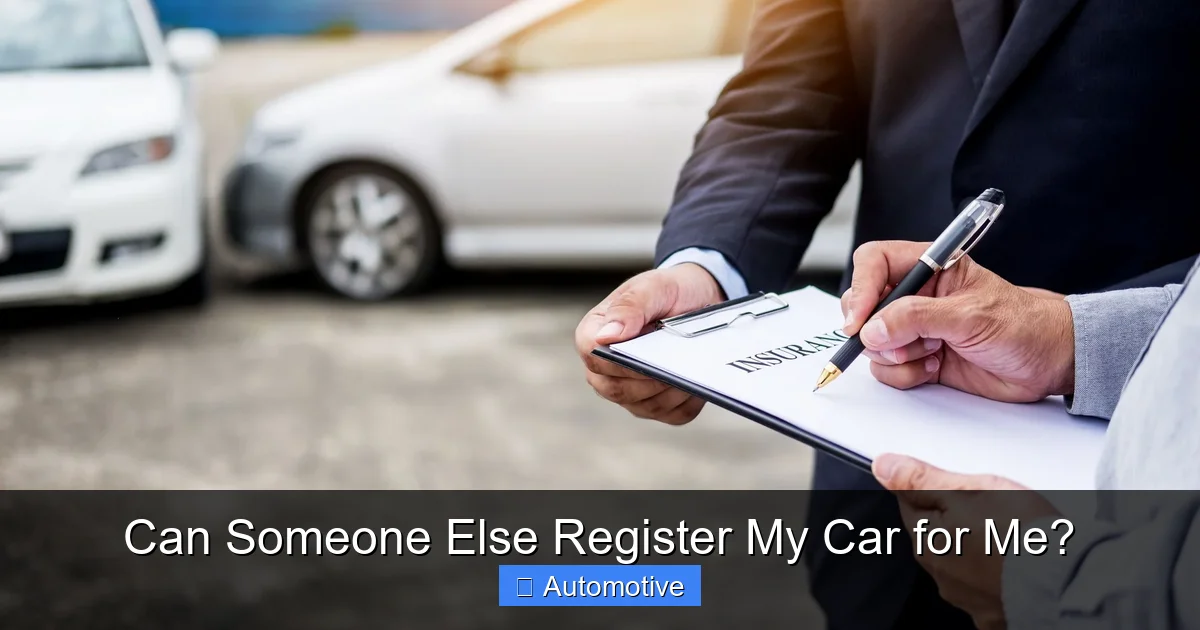
Visual guide about Can Someone Else Register My Car for Me?
Image source: whatincar.com
Before diving into whether someone else can register your car, it’s important to understand what car registration actually involves. At its core, vehicle registration is the process of officially recording your car with your state’s Department of Motor Vehicles (DMV) or equivalent agency. This step is mandatory in every state and serves several key purposes.
First, registration links your vehicle to you as the legal owner. It ensures that the car is recognized as road-legal and that you’re accountable for it. Second, it helps law enforcement identify vehicles involved in accidents, theft, or traffic violations. Third, registration funds are used to support road maintenance, public safety programs, and transportation infrastructure.
When you register a car, you’re typically required to provide:
– Proof of ownership (usually the vehicle title)
– Valid driver’s license or state ID
– Proof of insurance that meets your state’s minimum coverage requirements
– Completed registration application form
– Payment for registration fees, taxes, and possibly emissions or safety inspection fees
The process usually takes place at a local DMV office, though some states now offer online or mail-in options. The timeline for registration varies—some states require it within 30 days of purchase, while others give you up to 60 days. Failing to register on time can result in late fees, penalties, or even having your vehicle impounded.
Now, here’s the key point: while you, as the vehicle owner, are ultimately responsible for registration, most states allow someone else to complete the process for you—under the right conditions.
When Might You Need Someone Else to Register Your Car?
Visual guide about Can Someone Else Register My Car for Me?
Image source: krasneylaw.net
There are many practical situations where having someone else register your car makes perfect sense. Let’s look at a few common scenarios.
You’re Out of State or Traveling
Imagine you buy a car while visiting family in another state, or you’re relocating and haven’t yet established residency. You might not have time to return to complete the registration before heading back home. In this case, asking a trusted friend or family member to handle it can be a lifesaver.
For example, Sarah bought a used car in Arizona while visiting her sister. She lives in Oregon and couldn’t stay long enough to complete the registration. Her sister, who lives nearby, agreed to go to the DMV with the necessary documents. With a signed power of attorney and Sarah’s paperwork, the registration was completed without a hitch.
You’re Deployed or Serving in the Military
Active-duty military personnel often face unique challenges when it comes to vehicle registration. Deployment, relocation, or being stationed overseas can make it impossible to visit a DMV in person. Fortunately, many states offer special provisions for service members.
Some states allow military personnel to register vehicles remotely or extend registration deadlines during deployment. In these cases, a spouse, family member, or legal representative can often act on the service member’s behalf with proper documentation.
You Have a Physical or Medical Limitation
Not everyone can easily visit a DMV office. People with disabilities, chronic illnesses, or mobility issues may find it difficult or unsafe to stand in long lines or navigate crowded government buildings. In such cases, authorizing a caregiver, family member, or advocate to register the vehicle can be both practical and compassionate.
You’re Buying from a Dealership
One of the most common situations where someone else registers your car is when you purchase a vehicle from a dealership. In most cases, the dealership handles the entire registration process for you—including titling, registration, and even temporary tags. This is part of their service and is often included in the purchase price or financing agreement.
For instance, when Mike bought his new SUV from a local dealership, the sales team took care of everything. They submitted the title, registration forms, and insurance information to the DMV. Within a week, Mike received his license plates and registration certificate in the mail—no DMV visit required.
You’re a Student Studying Abroad
College students who study overseas may leave their car at home but still need to keep it registered to avoid penalties. If the registration is due while they’re abroad, they can authorize a parent or guardian to handle it. This ensures the vehicle remains legal and avoids late fees.
Legal Requirements for Third-Party Car Registration
Visual guide about Can Someone Else Register My Car for Me?
Image source: hertz.com
Now that we’ve covered when someone else might register your car, let’s get into the legal side of things. The most important requirement across nearly all states is **authorization**. You can’t just hand your documents to a friend and expect them to walk into the DMV and register your car. There must be a formal, legally recognized way to prove they’re acting on your behalf.
Power of Attorney (POA)
The most common and widely accepted method is a **Power of Attorney (POA)**. This is a legal document that grants someone else the authority to act on your behalf in specific matters—in this case, vehicle registration.
A POA for car registration typically needs to:
– Be signed by you (the vehicle owner)
– Clearly state that the agent is authorized to register the vehicle
– Include your full name, the agent’s full name, and the vehicle’s details (make, model, VIN)
– Be notarized in most states (a notary public verifies your identity and signature)
Some states provide a specific DMV form for this purpose. For example, California uses Form REG 262, “Power of Attorney for Vehicle Registration,” which is designed specifically for this use. Other states may accept a general POA, but it’s always best to check with your local DMV.
Required Documents
Even with a POA, the person registering your car will still need several key documents. These usually include:
– Your original vehicle title (signed over to you, if applicable)
– Completed registration application (Form REG 343 in California, for example)
– Proof of insurance (an insurance card or policy declaration page)
– Your driver’s license or state ID (a copy is usually acceptable)
– Payment for registration fees (cash, check, or credit card, depending on the DMV)
In some cases, the agent may also need to provide their own ID to prove they are the authorized representative.
Notarization and Witness Requirements
Most states require the POA to be notarized. This means you’ll need to sign the document in front of a notary public, who will verify your identity and stamp the form. Some states also require a witness signature in addition to notarization.
It’s important to note that not all notaries are created equal. Make sure you use a licensed notary—many banks, UPS stores, and law offices offer notary services for a small fee.
State-Specific Rules
Here’s where things get tricky: **every state has its own rules**. While the general concept of third-party registration is widely accepted, the specifics can vary dramatically.
For example:
– **Texas** allows someone else to register your car with a notarized POA and all required documents. The agent must appear in person at the county tax office.
– **New York** requires the POA to be notarized and filed with the DMV. The agent can complete the registration, but both parties may need to sign certain forms.
– **Florida** permits third-party registration with a notarized POA, but the agent must present the owner’s driver’s license and proof of insurance.
– **Oregon** allows registration by proxy, but the POA must specifically mention vehicle registration and be notarized.
Some states, like **Alaska** and **Hawaii**, have more restrictive policies and may require the vehicle owner to appear in person, especially for new registrations.
Always check your state’s DMV website or call ahead to confirm the exact requirements. Rules can change, and what worked last year might not work today.
Step-by-Step Guide: How to Have Someone Else Register Your Car
Ready to have someone else register your car? Here’s a simple, step-by-step guide to make the process smooth and stress-free.
Step 1: Choose a Trusted Agent
First, pick someone you trust completely—like a family member, close friend, or legal representative. This person will be handling sensitive documents and possibly large sums of money (for fees), so reliability is key.
Step 2: Complete the Power of Attorney Form
Download the appropriate POA form from your state’s DMV website, or use a general POA template. Fill it out completely, including:
– Your full legal name and address
– The agent’s full name and address
– A clear statement authorizing them to register the vehicle
– The vehicle’s make, model, year, and VIN
Make sure the language is specific to vehicle registration. A general POA might not be sufficient.
Step 3: Get the POA Notarized
Take the signed POA to a notary public. Bring a valid photo ID (driver’s license, passport, etc.). The notary will verify your identity, watch you sign, and stamp the document.
Step 4: Gather All Required Documents
Collect the following and give them to your agent:
– Original vehicle title (signed if transferring ownership)
– Completed registration application form
– Proof of insurance
– Copy of your driver’s license or state ID
– Payment for registration fees (check your state’s fee schedule)
Step 5: Have Your Agent Visit the DMV
Your agent should go to the nearest DMV office with all documents, including the notarized POA, their own ID, and the vehicle (if an inspection is required). They’ll submit the paperwork and pay the fees.
Step 6: Receive Confirmation
Once processed, the DMV will issue registration documents, license plates, and a registration certificate. These may be mailed to you or given to your agent to deliver.
Step 7: Keep Records
Retain copies of the POA, registration receipt, and title. These may be needed for future transactions, insurance claims, or if questions arise.
Common Mistakes to Avoid
Even with the best intentions, things can go wrong. Here are some common pitfalls and how to avoid them.
Using an Incomplete or Incorrect POA
A POA that doesn’t specifically mention vehicle registration may be rejected. Always use a form designed for DMV purposes or include clear language like “to register, title, and transfer motor vehicles.”
Forgetting to Notarize
An un-notarized POA is worthless in most states. Don’t skip this step—it’s a quick process and essential for legitimacy.
Providing Expired or Invalid Documents
Make sure your insurance is active and your ID hasn’t expired. The DMV will reject applications with outdated documents.
Assuming All States Allow Proxy Registration
Double-check your state’s rules. Some states require the owner to appear in person, especially for new vehicles or out-of-state transfers.
Not Paying Fees on Time
Even if someone else handles the registration, you’re still responsible for fees. Make sure your agent has the correct amount and pays on time to avoid late penalties.
Special Cases and Exceptions
While most people can use a POA to authorize someone else, there are a few special situations worth noting.
Military Personnel
Active-duty service members often have extended registration deadlines and may be able to register vehicles remotely. Some states allow electronic POAs or faxed documents for deployed personnel. Check with your base legal office or the state DMV for military-specific options.
Minors and Guardians
If the vehicle owner is a minor, a parent or legal guardian can usually register the car on their behalf without a POA. However, the guardian may need to provide proof of guardianship, such as a court order.
Power of Attorney Limitations
A POA only grants authority for specific actions. It does not allow the agent to sell the car, change the title, or take out loans against the vehicle unless explicitly stated. Be clear about the scope of authority to avoid misuse.
Out-of-State Registration
If you’re registering a car in a different state than where you live, the rules can get more complex. Some states require you to establish residency first, while others allow non-residents to register vehicles. In these cases, having a local agent can be especially helpful.
Conclusion
So, can someone else register your car for you? The answer is a resounding **yes—most of the time**. With the right authorization, proper documentation, and a clear understanding of your state’s rules, you can legally and safely have a trusted person handle your vehicle registration.
Whether you’re traveling, deployed, or simply short on time, this option offers flexibility and peace of mind. Just remember: the key is preparation. A notarized power of attorney, complete paperwork, and a reliable agent are your best tools for a smooth process.
Always verify your state’s specific requirements before proceeding, and keep copies of all documents for your records. When done correctly, third-party registration is a convenient, legal, and widely accepted practice that can save you hours of hassle.
So go ahead—hand over those keys (metaphorically, of course) and let someone else take care of the DMV run. Your car—and your sanity—will thank you.
Frequently Asked Questions
Can my spouse register my car without me being present?
Yes, in most states, your spouse can register your car on your behalf with a notarized power of attorney and all required documents. Some states may allow this even without a POA if you’re married, but it’s safer to use one.
Do I need to be present if someone else registers my car?
No, you typically don’t need to be present as long as your agent has a valid, notarized power of attorney and all necessary paperwork. However, some states may require your signature on certain forms, so check local rules.
Can a dealership register my car for me?
Yes, dealerships routinely handle vehicle registration as part of the sales process. They submit titles, registration forms, and insurance info to the DMV and often provide temporary tags until your plates arrive.
What if I lose my title? Can someone still register the car?
Yes, but your agent will need to apply for a duplicate title first. This usually involves filling out a form, paying a fee, and providing ID. Once the duplicate is issued, registration can proceed normally.
Can I revoke a power of attorney after registration?
Yes, you can revoke a POA at any time by providing written notice to your agent and, in some cases, filing a revocation form with the DMV. Keep a copy for your records.
Are there fees for using a power of attorney?
The POA itself is usually free to create, but notarization may cost $5–$15. Some states charge a small fee to file the POA with the DMV, but this varies. Registration fees are separate and still apply.