Can Pea-sized Hail Damage a Car?

Contents
- 1 Key Takeaways
- 2 📑 Table of Contents
- 3 Can Pea-Sized Hail Damage a Car?
- 4 Understanding Hail: Size, Speed, and Impact
- 5 Types of Damage Caused by Pea-Sized Hail
- 6 Real-World Examples: Kias and Hail Damage
- 7 How to Protect Your Kia from Hail Damage
- 8 What to Do If Your Kia Is Damaged by Hail
- 9 Insurance and Hail Damage: What Kia Owners Should Know
- 10 Conclusion: Don’t Underestimate Pea-Sized Hail
- 11 Frequently Asked Questions

OBD2 Scanner Tool

Car Back Support Cushion

Car Jump Starter

Torque Wrench Set
Yes, pea-sized hail can damage a car—especially if it falls at high speeds or during intense storms. While it may seem harmless, even tiny hailstones can dent aluminum panels, chip paint, and crack windshields, particularly on modern vehicles like Kias with lightweight materials.
Key Takeaways
- Pea-sized hail can cause real damage: Despite their small size, hailstones the size of peas (about 0.25 inches) can dent body panels, especially on lightweight vehicles like Kias.
- Speed and storm intensity matter: Hail damage isn’t just about size—wind speed and storm duration play a major role in how much harm occurs.
- Modern cars are more vulnerable: Kias and other newer models often use aluminum and thinner steel, which dent more easily than older, heavier vehicles.
- Paint and glass aren’t immune: Even small hail can chip paint or cause micro-cracks in windshields, leading to costly repairs down the line.
- Prevention is key: Parking in garages, using hail covers, or seeking shelter during storms can save you thousands in repairs.
- Insurance coverage helps: Comprehensive auto insurance typically covers hail damage, so check your policy if your Kia is affected.
- Act quickly after a storm: Document damage immediately and contact your insurer to avoid delays or claim denials.
📑 Table of Contents
- Can Pea-Sized Hail Damage a Car?
- Understanding Hail: Size, Speed, and Impact
- Types of Damage Caused by Pea-Sized Hail
- Real-World Examples: Kias and Hail Damage
- How to Protect Your Kia from Hail Damage
- What to Do If Your Kia Is Damaged by Hail
- Insurance and Hail Damage: What Kia Owners Should Know
- Conclusion: Don’t Underestimate Pea-Sized Hail
Can Pea-Sized Hail Damage a Car?
You’re driving home during a sudden summer storm when you hear a pitter-patter on your roof. You glance up and see small, round ice balls bouncing off your windshield. They’re about the size of peas—tiny, right? You might think, “No way that can hurt my car.” But here’s the truth: **yes, pea-sized hail can damage a car**, especially if you drive a modern vehicle like a Kia.
It’s easy to underestimate hail the size of a pea. After all, it’s smaller than a marble and doesn’t look threatening. But when hundreds or thousands of these ice pellets fall from the sky at speeds over 50 mph, they can pack a surprising punch. And if your car is parked outside during a severe thunderstorm, even pea-sized hail can leave behind dents, paint chips, or worse.
This article dives deep into how pea-sized hail affects vehicles—particularly Kias—and what you can do to protect your ride. Whether you’re driving a Kia Soul, Sportage, or Telluride, understanding the risks and taking preventive steps can save you time, stress, and money.
Understanding Hail: Size, Speed, and Impact
Visual guide about Can Pea-sized Hail Damage a Car?
Image source: barbosaskustomkolor.com
To understand whether pea-sized hail can damage your car, it helps to know how hail forms and how it behaves when it hits a surface.
Hail forms inside thunderstorms when updrafts carry raindrops high into the atmosphere, where temperatures are below freezing. These droplets freeze and are tossed around by wind currents, collecting layers of ice until they become too heavy for the updraft to support. Then, they fall to the ground.
The size of hail is measured by comparing it to everyday objects. Pea-sized hail is typically around 0.25 inches (6 mm) in diameter—about the size of a green pea or a small marble. While that may seem tiny, it’s still large enough to cause damage under the right conditions.
How Fast Does Hail Fall?
The speed at which hail falls depends on its size and the strength of the storm. Smaller hailstones like pea-sized ones usually fall at speeds between 20 and 30 mph. But in strong thunderstorms with powerful updrafts, even small hail can reach speeds of 50 mph or more.
When hail hits a car, the force of impact is determined by both speed and mass. Even a small hailstone can transfer significant energy upon impact, especially if it strikes at an angle or hits a vulnerable part of the vehicle.
Why Modern Cars Like Kias Are More at Risk
Older cars were often built with thicker steel panels that could withstand minor impacts. But today’s vehicles, including Kias, are designed with fuel efficiency and weight reduction in mind. That means manufacturers use lighter materials like aluminum and high-strength, thinner steel.
While these materials help improve gas mileage and performance, they’re also more prone to denting. A Kia’s hood, roof, or door panels—often made from aluminum—can dent from hail as small as a pea, especially if the storm is intense or prolonged.
Additionally, modern paint finishes are thinner and more delicate. A direct hit from hail can chip the clear coat or even the base paint, exposing the metal underneath to rust and corrosion.
Types of Damage Caused by Pea-Sized Hail
Visual guide about Can Pea-sized Hail Damage a Car?
Image source: killadentremoval.com
You might be wondering: what exactly can pea-sized hail do to my car? The answer depends on several factors, including the angle of impact, the duration of the storm, and the condition of your vehicle’s exterior.
Let’s break down the most common types of damage caused by pea-sized hail.
Dents on Body Panels
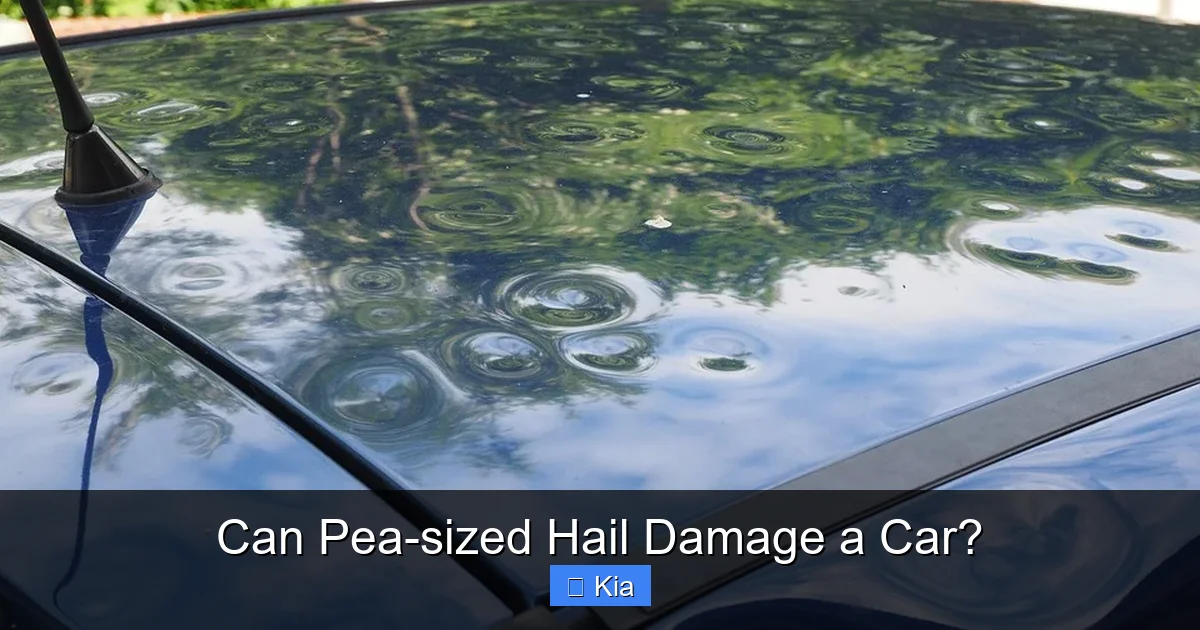
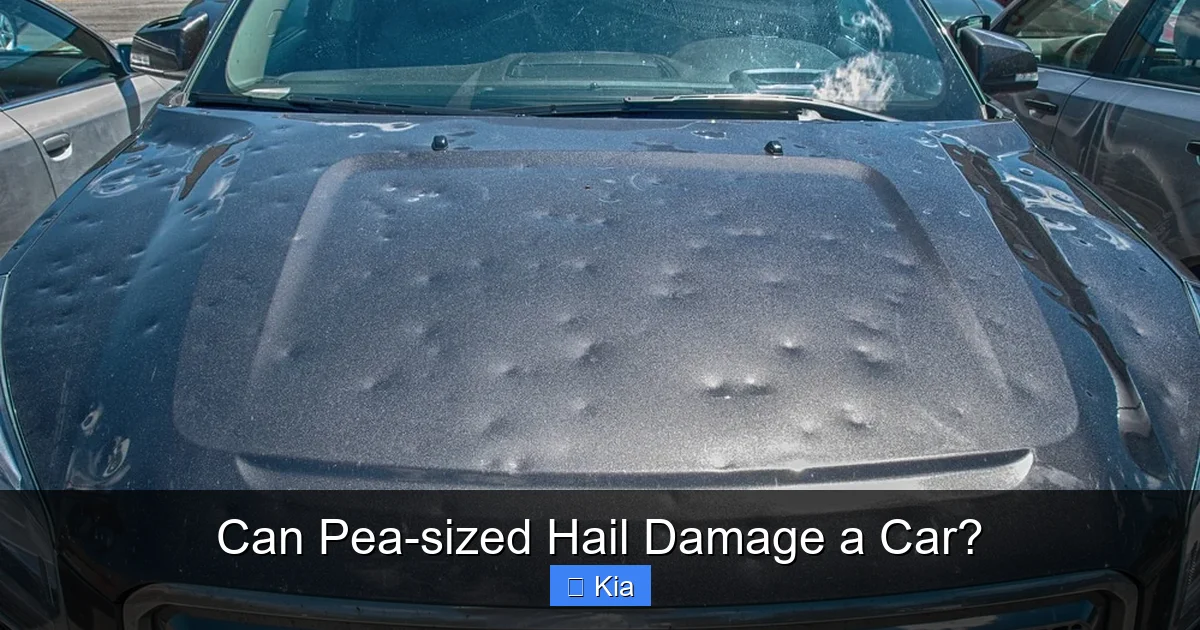
The most obvious sign of hail damage is dents on the roof, hood, trunk, and doors. Even pea-sized hail can leave small, dimple-like dents—especially on aluminum panels.
For example, imagine your Kia Sportage is parked in your driveway during a 20-minute hailstorm. Hundreds of pea-sized hailstones strike the roof and hood. While each individual dent is small, the cumulative effect can leave your car looking like it’s been peppered with tiny craters.
These dents may not affect your car’s performance, but they can significantly reduce its resale value. And if left untreated, they can lead to paint damage and rust.
Paint Chips and Scratches
Hail doesn’t just dent metal—it can also damage paint. When a hailstone strikes a painted surface at high speed, it can chip the clear coat or scratch the base layer.
This is especially true if the hail is falling at an angle or if your car has existing wear on the paint. A small chip might not seem like a big deal, but over time, moisture can seep in and cause rust to form underneath the paint.
On a Kia with a glossy finish—like the Kia K5 or Stinger—even minor paint damage can be very noticeable. And repainting a panel isn’t cheap. A single door repaint can cost $500 or more, depending on the color and finish.
Windshield and Glass Damage
While windshields are designed to withstand impacts, they’re not invincible. Pea-sized hail can cause micro-cracks or star-shaped chips in glass, especially if the windshield has pre-existing stress points.
These small cracks might not obstruct your view right away, but they can spread over time—especially with temperature changes or road vibrations. Once a crack grows longer than a few inches, the entire windshield may need to be replaced.
Side windows and sunroofs are even more vulnerable. Tempered glass can shatter from a direct hit, even from small hail. And replacing a side window on a Kia can cost $200 to $500, depending on the model and whether it includes features like heating or sensors.
Damage to Antennas, Mirrors, and Trim
Hail doesn’t just hit flat surfaces. It can also damage protruding parts like side mirrors, antennas, and plastic trim.
For instance, a pea-sized hailstone hitting a side mirror at 40 mph could crack the housing or misalign the mirror. Similarly, roof-mounted antennas can bend or break, affecting radio reception.
Plastic trim pieces—like those around the windows or on the bumper—can crack or discolor from repeated impacts. While these parts are less expensive to replace than body panels, they still add up in repair costs.
Real-World Examples: Kias and Hail Damage

Visual guide about Can Pea-sized Hail Damage a Car?
Image source: hbmautobody.com
To understand the real impact of pea-sized hail, let’s look at some real-world scenarios involving Kia vehicles.
Case Study: Kia Soul in a Spring Storm
Sarah from Denver, Colorado, parked her 2022 Kia Soul in her apartment complex parking lot during a sudden hailstorm. The storm lasted about 15 minutes, and the hail was reported as “pea-sized” by local weather stations.
The next morning, Sarah noticed dozens of tiny dents on the roof and hood of her car. Some were barely visible, but others were deep enough to catch the light. She also found a small chip in the windshield near the driver’s side.
She took her car to a local body shop, where the technician confirmed that the dents were caused by hail. The shop used paintless dent repair (PDR) to fix most of the dents, but the windshield chip required a resin fill. The total cost? $650.
Sarah was surprised. “I thought pea-sized hail was harmless,” she said. “But my car looked like it had been in a fight.”
Case Study: Kia Telluride in a Severe Thunderstorm
Mark from Oklahoma left his 2023 Kia Telluride parked outside during a severe thunderstorm. The storm brought heavy rain, strong winds, and hail up to the size of quarters—but much of it was pea-sized.
When the storm passed, Mark found his SUV covered in dents. The aluminum roof had over 100 small dents, and the hood had several deeper ones. The side mirrors were cracked, and the rear windshield had a star-shaped chip.
He filed a claim with his insurance company, which covered the repairs under his comprehensive policy. The total repair bill was over $3,200, including PDR, mirror replacement, and windshield repair.
“I never thought a little hail could do that much damage,” Mark said. “Now I always check the weather before parking outside.”
These examples show that even pea-sized hail can cause significant damage—especially when it falls in large quantities or during intense storms.
How to Protect Your Kia from Hail Damage
The best way to avoid hail damage is to prevent it from happening in the first place. Here are some practical tips to protect your Kia during hail season.
Park in a Garage or Covered Area
The most effective way to protect your car from hail is to park it in a garage or under a solid roof. If you have a home garage, use it—even if it means moving other items out of the way.
If you’re at work or out shopping, look for covered parking structures. Many malls, offices, and apartment complexes offer covered parking. Even a carport can provide some protection, though it may not shield your car from wind-driven hail.
Use a Hail Car Cover
If you don’t have access to covered parking, consider investing in a hail car cover. These are thick, padded covers designed to absorb the impact of hailstones.
Look for a cover made from multi-layered foam or gel padding. Some even have reflective surfaces to keep your car cool in the sun. While they can be bulky to store, they’re worth it if you live in a hail-prone area.
For Kias with unique shapes—like the Kia Niro or Seltos—make sure to get a cover that fits snugly. A loose cover can flap in the wind and cause scratches.
Monitor Weather Forecasts
Stay ahead of the storm by checking weather forecasts regularly. Apps like Weather Channel, AccuWeather, or your local news station can alert you to incoming thunderstorms.
If a storm is predicted, try to park your Kia in a safe location before it hits. Even 15 minutes of warning can make a big difference.
Some smartphones also have emergency alert systems that notify you of severe weather. Enable these alerts so you’re always informed.
Consider Hail-Resistant Parking Options
If you live in an area with frequent hailstorms—like Texas, Colorado, or Kansas—consider long-term solutions like installing a carport or garage.
Some homeowners are even building “hail shelters”—small, reinforced structures designed specifically to protect vehicles. While these can be expensive, they offer peace of mind during storm season.
Alternatively, some communities have shared covered parking or storm shelters for residents. Check with your HOA or local government to see what’s available.
What to Do If Your Kia Is Damaged by Hail
Despite your best efforts, your Kia might still get caught in a hailstorm. If that happens, here’s what to do.
Document the Damage Immediately
As soon as it’s safe, inspect your car for damage. Take clear photos from multiple angles, including close-ups of dents, chips, and cracks.
Note the date, time, and location of the storm. If possible, get a weather report or news article confirming the hail event. This documentation will help support your insurance claim.
Contact Your Insurance Company
Most comprehensive auto insurance policies cover hail damage. Call your insurer as soon as possible to start the claims process.
Be honest about the damage and provide all the photos and information you’ve gathered. The insurer may send an adjuster to assess the damage or ask you to visit a certified repair shop.
Get Multiple Repair Estimates
Before agreeing to repairs, get estimates from at least two body shops. Some shops specialize in hail damage and use paintless dent repair (PDR), which is faster and less expensive than traditional bodywork.
PDR involves using special tools to massage dents out from the inside of the panel, preserving the original paint. It’s ideal for small dents caused by pea-sized hail.
Avoid DIY Repairs
While it might be tempting to try fixing dents yourself, DIY repairs can often make the problem worse. Using suction cups or plungers can stretch the metal or damage the paint.
Leave repairs to the professionals—especially if your Kia has aluminum panels, which require special tools and techniques.
Insurance and Hail Damage: What Kia Owners Should Know
Understanding your insurance coverage is crucial when dealing with hail damage.
Comprehensive Coverage Is Key
Hail damage is covered under comprehensive insurance, not collision. Comprehensive coverage protects your car from non-collision events like theft, vandalism, fire, and weather damage.
If you have comprehensive coverage, your insurer will typically pay for repairs minus your deductible. For example, if your deductible is $500 and the repair costs $2,000, you’ll pay $500 and the insurer will cover the rest.
Check Your Policy Limits
Make sure your policy limits are high enough to cover potential repairs. If your Kia is newer or has high repair costs, consider increasing your coverage.
Also, check if your policy includes rental car reimbursement. If your car is in the shop for several days, this can help cover transportation costs.
Filing a Claim: Tips for Success
When filing a hail damage claim, be thorough and timely. Provide all required documentation and respond quickly to insurer requests.
Avoid admitting fault or downplaying the damage. Let the adjuster assess the situation objectively.
If your claim is denied or underpaid, you can appeal or seek a second opinion from an independent appraiser.
Conclusion: Don’t Underestimate Pea-Sized Hail
So, can pea-sized hail damage a car? The answer is a clear and resounding yes—especially for modern vehicles like Kias.
While pea-sized hail may seem harmless, it can dent aluminum panels, chip paint, crack windshields, and damage trim. And because today’s cars are built with lighter materials, they’re more vulnerable than ever.
The good news? You can protect your Kia with simple steps: park in covered areas, use hail covers, monitor the weather, and maintain comprehensive insurance.
If damage does occur, act quickly. Document the damage, contact your insurer, and get professional repairs.
By staying informed and prepared, you can keep your Kia looking great—no matter what the weather throws at it.
Frequently Asked Questions
Can pea-sized hail really damage a car?
Yes, pea-sized hail can damage a car, especially modern vehicles like Kias with lightweight aluminum panels. Even small hailstones can dent body panels, chip paint, or crack glass when falling at high speeds.
How fast does pea-sized hail fall?
Pea-sized hail typically falls at 20 to 30 mph, but in strong storms, it can reach speeds over 50 mph. The faster it falls, the more damage it can cause upon impact.
Is hail damage covered by insurance?
Yes, hail damage is usually covered under comprehensive auto insurance. Check your policy to confirm coverage and understand your deductible.
Can I repair hail dents myself?
It’s not recommended. DIY methods can worsen the damage. Professional paintless dent repair (PDR) is the safest and most effective way to fix hail dents.
How can I protect my Kia from hail?
Park in a garage or covered area, use a hail car cover, and monitor weather forecasts. If you live in a hail-prone area, consider long-term solutions like a carport.
What should I do if my car is hit by hail?
Document the damage with photos, contact your insurance company, and get repair estimates from certified body shops. Act quickly to avoid delays in claims or repairs.