
Can Bullets Go Off in a Hot Car?

Yes, bullets can go off in a hot car—but it’s rare and depends on temperature, storage, and ammo type. While modern ammunition is designed to be stable, extreme heat inside a parked vehicle can degrade components over time. Understanding the risks helps you store firearms and ammo safely, especially in your Kia during summer months.
Key Takeaways
- Bullets won’t “explode” like in movies: Ammunition doesn’t detonate from heat alone under normal conditions, but extreme temperatures can affect performance and safety.
- Heat weakens cartridge integrity: Prolonged exposure to high temperatures (above 150°F) can degrade gunpowder, primers, and casings, increasing misfire or cook-off risks.
- Cook-off is a real but rare risk: If a round is already chambered in a hot firearm left in a car, the heat can cause it to discharge—this is called a “cook-off.”
- Kia interiors get dangerously hot: On a 90°F day, a Kia’s interior can exceed 130°F within an hour, creating a hazardous environment for stored ammo.
- Proper storage is critical: Use locked, insulated containers or avoid leaving firearms and ammo in your vehicle altogether.
- Legal and safety responsibilities matter: Many states have laws about transporting firearms in vehicles—know your local regulations.
- Prevention beats panic: Simple habits like removing ammo from your car and using climate-controlled storage reduce risk significantly.
📑 Table of Contents
- Can Bullets Really Go Off in a Hot Car?
- How Ammunition Works—And Why Heat Matters
- How Hot Does a Kia Get Inside?
- Cook-Off: The Silent Danger in Hot Cars
- How to Store Ammo and Firearms Safely in Your Kia
- The Role of Kia in Firearm Safety
- Long-Term Effects of Heat on Ammunition
- Alternatives to Storing Ammo in Your Car
- Conclusion: Stay Safe, Stay Smart
Can Bullets Really Go Off in a Hot Car?
You’re running errands on a sunny afternoon, and your Kia is parked outside for just 20 minutes. Inside, tucked under the seat or in the glove box, is a box of ammunition. It’s been there for weeks. Suddenly, you wonder: *Could that ammo go off in this heat?* It’s a question more people are asking—especially as summer temperatures soar and vehicles become ovens on wheels.
The short answer? Yes, under extreme conditions, bullets *can* discharge in a hot car—but it’s not as dramatic as Hollywood makes it seem. You won’t see a box of ammo exploding like a firework display. However, heat can compromise the integrity of ammunition, and in rare cases, cause unintended firing. This isn’t just a theoretical concern. With over 400 million firearms in circulation across the U.S., and millions of cars—including popular models like the Kia Sportage, Sorento, and Telluride—used to transport them, understanding the risks is essential for safety.
Let’s break down the science, the myths, and the smart practices to keep you, your passengers, and your vehicle safe.
How Ammunition Works—And Why Heat Matters

Visual guide about Can Bullets Go Off in a Hot Car?
Image source: static01.nyt.com
To understand whether bullets can go off in a hot car, you first need to know how ammunition is built. A typical centerfire cartridge—the kind used in most handguns and rifles—has four main parts: the bullet (the projectile), the casing (usually brass or steel), the propellant (gunpowder), and the primer (a small explosive charge at the base).
When you pull the trigger, the firing pin strikes the primer, igniting the gunpowder. The burning powder creates gas, which builds pressure and forces the bullet out of the barrel. This entire process happens in milliseconds and requires precise chemical and mechanical conditions.
Now, heat affects each of these components:
– Gunpowder: Modern smokeless powder is stable, but prolonged exposure to temperatures above 150°F (65°C) can cause it to degrade. This might lead to inconsistent burn rates, reduced velocity, or even failure to ignite.
– Primers: The primer compound is sensitive. While it takes a direct strike to ignite it, extreme heat can make it more volatile over time.
– Casings: Metal expands with heat. Repeated exposure to high temperatures can weaken the casing, increasing the risk of rupture during firing—even if the round wasn’t discharged in the car.
So while a single round won’t “spontaneously explode” just because your Kia hit 120°F inside, the cumulative effect of heat can make ammunition less reliable—and in rare cases, dangerous.
The Myth of the “Exploding Ammo Box”
You’ve probably seen it in action movies: a car catches fire, and suddenly, boxes of ammo start popping off like popcorn. In reality, this is highly exaggerated. Ammunition doesn’t detonate en masse from heat alone. The gunpowder burns rapidly when ignited, but it doesn’t explode like TNT.
However, if a round *is* ignited—say, by a nearby fire or direct flame—it can discharge. And if multiple rounds are stored together, one discharge could potentially ignite others in a chain reaction. This is why military and law enforcement agencies store ammo in climate-controlled, fire-resistant containers.
But in a parked car? The risk of spontaneous ignition from ambient heat is extremely low. The bigger concern is degradation over time.
How Hot Does a Kia Get Inside?
Visual guide about Can Bullets Go Off in a Hot Car?
Image source: ichef.bbci.co.uk
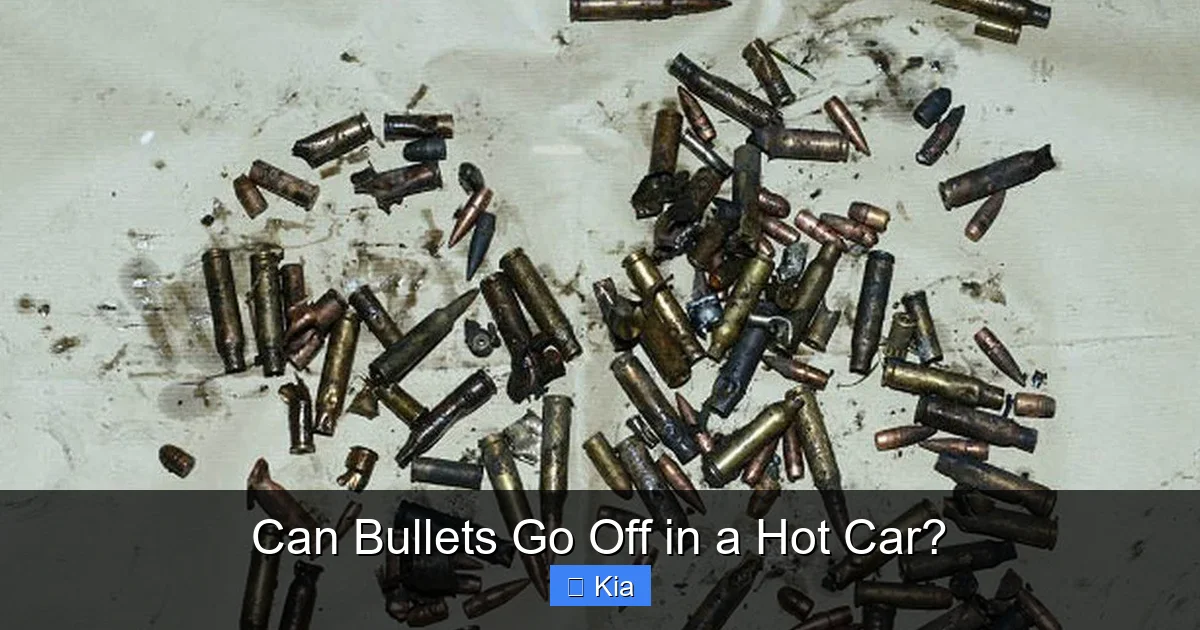
Let’s talk about your vehicle. Whether you drive a Kia Forte, Kia Carnival, or Kia EV6, the interior temperature can rise rapidly when parked in the sun. Studies show that on a 70°F day, the inside of a car can reach 100°F within 20 minutes. On a 90°F day—common in summer across much of the U.S.—interior temps can soar past 130°F in under an hour.
Kia vehicles, like most modern cars, are designed with comfort and safety in mind. But they’re not built to protect sensitive items like firearms or ammunition from extreme heat. Dark interiors, leather seats, and enclosed spaces trap heat, creating a greenhouse effect.
For example, a Kia Sorento with black leather seats parked in direct sunlight at 2 p.m. in Phoenix can easily hit 140°F inside. That’s hotter than most ovens on a low setting.
Now, consider where people often store ammo: under the seat, in the glove box, or in the center console. These areas are especially prone to high temperatures. The glove box, for instance, is near the dashboard and can absorb radiant heat from the windshield.
Real-World Example: The Arizona Incident
In 2021, a police department in Arizona reported a case where a service weapon left in a patrol vehicle discharged after being exposed to extreme heat. The firearm had a round chambered, and the barrel reached temperatures high enough to cause a “cook-off”—a term used when a round fires due to heat, not a trigger pull.
While this was a law enforcement vehicle, the same principle applies to civilian cars. If you leave a loaded firearm in your Kia on a hot day, especially with a round in the chamber, the risk—though small—is real.
Cook-Off: The Silent Danger in Hot Cars
Visual guide about Can Bullets Go Off in a Hot Car?
Image source: a57.foxnews.com
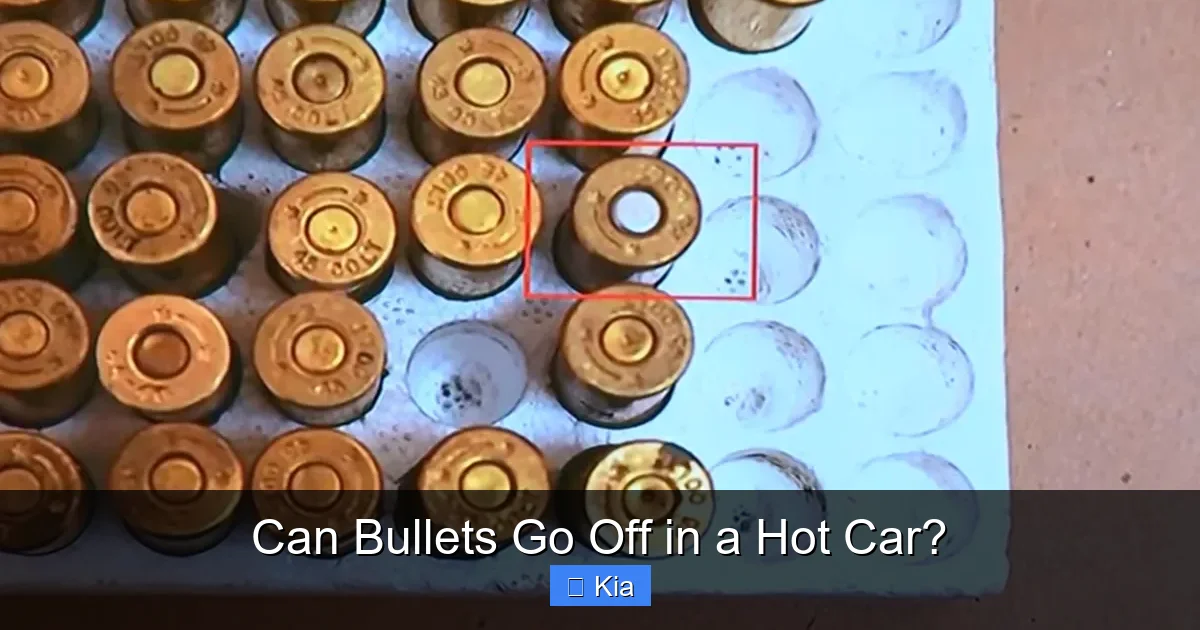
The term “cook-off” sounds dramatic, and it is—but it’s also misunderstood. A cook-off occurs when a cartridge discharges because the heat in the chamber causes the gunpowder to ignite, even without a trigger pull. This typically happens in firearms that have been recently fired (and are still hot) or left in extremely high temperatures.
In a car, a cook-off is most likely if:
– The firearm is loaded with a round in the chamber.
– The gun is left in direct sunlight or a hot compartment.
– The barrel or chamber reaches temperatures above 300°F—possible in a closed car on a hot day, especially if the gun was recently fired.
Most modern firearms are designed to prevent cook-offs, but no system is foolproof. The risk increases with older guns, poorly maintained weapons, or those with damaged components.
Why a Chambered Round Is the Biggest Risk
If your firearm is unloaded and stored properly—magazine removed, chamber empty—the risk of a cook-off drops to nearly zero. But if you leave a loaded gun in your Kia with a round ready to fire, you’re playing with fire—literally.
Imagine this: You stop by the store, leave your Kia running for a few minutes with the AC on, then park it in the sun. The AC shuts off, the interior heats up, and the metal parts of your firearm begin to expand. If the chamber reaches a critical temperature, the round could discharge—potentially through the dashboard, door, or even toward the backseat.
This isn’t just theoretical. There have been documented cases of accidental discharges in vehicles due to heat, though they’re rare. The combination of poor storage habits and extreme weather creates a perfect storm for danger.
How to Store Ammo and Firearms Safely in Your Kia
The best way to prevent any risk—whether from heat, theft, or accidental discharge—is to avoid leaving firearms and ammunition in your vehicle altogether. But we know that’s not always practical. If you must transport them, follow these safety guidelines:
1. Unload and Separate
Always store firearms unloaded. Remove the magazine and check the chamber. Store ammo in a separate, locked container. This reduces the risk of accidental discharge and makes it harder for unauthorized users to access both components.
2. Use a Locked, Insulated Case
Invest in a high-quality gun case with a secure lock. Look for models with insulation or thermal lining to reduce heat absorption. Hard-sided cases are better than soft ones, as they offer more protection from temperature swings and physical damage.
3. Avoid High-Heat Zones
Don’t store ammo or firearms in the glove box, under the seat, or in the center console. These areas heat up quickly. If you must keep them in the car, place the case in the trunk—though even that can get hot. Consider using a portable cooler with a lock for short-term storage.
4. Monitor Temperature
Use a car thermometer to track interior temperatures. If it’s above 100°F inside, consider removing sensitive items. Some Kia models come with cabin overheat protection (available in newer trims), which can help—but it’s not a substitute for proper storage.
5. Follow State Laws
Many states have specific laws about transporting firearms in vehicles. For example:
– In California, firearms must be unloaded and locked in a container.
– In Texas, you can carry a loaded handgun in your vehicle if you have a License to Carry (LTC), but long guns must be unloaded.
– In Florida, firearms must be securely encased or not readily accessible.
Check your local regulations—Kia drivers in different states may have different legal requirements.
6. Consider a Vehicle Safe
For frequent travelers, a vehicle-mounted gun safe is a smart investment. These are bolted to the floor or seat frame and designed to resist tampering and heat. Some models even have ventilation or insulation to protect contents.
The Role of Kia in Firearm Safety
While Kia doesn’t manufacture firearms, the brand plays a role in promoting safety through vehicle design. Many newer Kia models include features that can indirectly help:
– Cabin Overheat Protection: Available in the Kia Telluride and Sorento, this feature uses the AC to cool the interior when the car is parked, reducing peak temperatures.
– Remote Start with Climate Control: Start your Kia remotely to cool the cabin before entering—this can help lower the temperature around stored items.
– Secure Storage Compartments: Some Kia models offer lockable center consoles or trunk safes, which can be used for temporary storage (though not recommended for long-term ammo storage).
Kia also emphasizes safety in its marketing and owner education. While they don’t provide specific guidance on firearm storage, their commitment to vehicle safety aligns with responsible gun ownership.
What Kia Owners Should Know
If you’re a Kia owner who transports firearms, take advantage of your vehicle’s safety features. Use remote start to cool the car before loading sensitive items. Park in shaded areas or use sunshades to reduce interior heat. And always prioritize removing firearms and ammo from the vehicle when possible.
Long-Term Effects of Heat on Ammunition
Even if a bullet doesn’t go off in your hot Kia, repeated exposure to high temperatures can shorten its lifespan. Here’s what happens over time:
– Corrosion: Heat accelerates moisture buildup, which can lead to rust on metal casings.
– Primer Degradation: The chemical compound in primers can break down, leading to misfires.
– Powder Clumping: Gunpowder can absorb moisture and clump, affecting burn consistency.
– Seal Failure: The crimp between the bullet and casing can weaken, allowing moisture in.
Ammunition stored in a hot car for months may still fire, but it could be unreliable. This is especially dangerous in self-defense situations where every shot counts.
How Long Is Too Long?
There’s no exact timeline, but most experts recommend not storing ammo in a vehicle for more than a few days—especially in hot climates. If you must leave it, inspect it regularly for signs of damage: discoloration, swelling, or corrosion.
Alternatives to Storing Ammo in Your Car
The safest option? Don’t store ammo in your car at all. Here are better alternatives:
– Home Safe: Invest in a fireproof, waterproof gun safe at home. This keeps your firearms and ammo secure and climate-controlled.
– Range Storage: Some shooting ranges offer secure storage lockers for members.
– Portable Lockboxes: Use a small, TSA-approved lockbox for transport. These can be carried in and out of the vehicle as needed.
– Daily Carry Pouches: If you carry concealed, use a dedicated ammo pouch that you take with you—don’t leave it in the car.
For Kia drivers who frequently travel with firearms, consider a routine: unload, lock, and remove. Make it a habit, like checking your mirrors or fastening your seatbelt.
Conclusion: Stay Safe, Stay Smart
So, can bullets go off in a hot car? The answer is yes—but only under specific, extreme conditions. It’s not a common occurrence, but the risk is real enough to warrant caution. Heat can degrade ammunition, weaken components, and in rare cases, cause a cook-off if a loaded firearm is left in a hot vehicle.
For Kia owners, the message is clear: your vehicle is not a gun safe. While modern cars offer comfort and convenience, they’re not designed to protect sensitive items from extreme temperatures. The best practice is to avoid storing firearms and ammo in your car whenever possible.
When you must transport them, follow the rules: unload, separate, lock, and monitor. Use insulated cases, avoid high-heat zones, and know your local laws. And take advantage of your Kia’s safety features—like remote start and cabin cooling—to reduce risk.
Firearm safety isn’t just about handling a gun correctly. It’s about every step of the process—from purchase to storage to transport. By understanding the risks of heat and taking proactive steps, you protect not only your property but also the people around you.
Stay informed, stay responsible, and drive safe.
Frequently Asked Questions
Can a bullet explode in a hot car?
No, bullets don’t explode like bombs in a hot car. However, extreme heat can degrade ammunition over time and, in rare cases, cause a discharge if a loaded firearm reaches very high temperatures.
What temperature is too hot for ammo?
Ammunition should not be exposed to temperatures above 150°F (65°C) for prolonged periods. Inside a parked car, temperatures can exceed this in under an hour on a warm day.
Is it safe to leave ammo in my Kia overnight?
It’s not recommended, especially in hot weather. Even in the trunk, temperatures can rise significantly. For safety and longevity, store ammo in a climate-controlled environment.
Can a gun go off if left in a hot car?
Only if it’s loaded with a round in the chamber and reaches extreme heat. This is called a “cook-off” and is rare, but possible. Always store firearms unloaded.
What should I do if I must transport ammo in my car?
Use a locked, insulated case, store it in the trunk if possible, and avoid leaving it for long periods. Remove it as soon as you reach your destination.
Do Kia vehicles have features to protect stored items from heat?
Some Kia models offer cabin overheat protection and remote start with climate control, which can help reduce interior temperatures—but they’re not substitutes for proper storage.