Can Jeep Interiors Get Wet

Contents
- 1 Key Takeaways
- 2 📑 Table of Contents
- 3 Introduction: The Great Outdoors Meets Your Indoor Space
- 4 Understanding Jeep Design: Water Resistance vs. Waterproofing
- 5 Model-by-Model Breakdown: It’s Not All Created Equal
- 6 Real-World Scenarios: From Drizzle to Deep Water
- 7 The Drying Protocol: What to Do the Minute You Find Water
- 8 Long-Term Risks: Why a Little Water is a Big Deal
- 9 Prevention and Proactive Care: Keeping Your Cabin Dry
- 10 Conclusion: Embrace the Adventure, Respect the Risks
- 11 Frequently Asked Questions


Jeep interiors are designed for adventure but are not inherently waterproof. While modern Jeeps offer good water resistance for rain and minor splashes, prolonged or deep water exposure can lead to serious damage. Understanding your specific model’s capabilities, promptly drying any moisture, and regular maintenance are critical to preventing mold, electrical issues, and costly repairs. This guide breaks down exactly how wet your Jeep can get and what to do about it.
Key Takeaways
- Water-Resistant, Not Waterproof: Jeep interiors are designed to handle environmental elements like rain and snow but are not sealed submarines. Seams, drains, and electronic components have limits.
- Model Matters Greatly: A Jeep Wrangler with a soft top has vastly different water intrusion risks than a Grand Cherokee with a sealed sunroof. Know your vehicle’s specific vulnerabilities.
- Depth & Duration Are Key Factors: Driving through a shallow puddle is different from submerging the cabin in a deep water hole. The longer water sits, the higher the risk of mold and corrosion.
- Immediate Action is Non-Negotiable: Any interior moisture must be addressed immediately. Start with removing standing water, then use fans and dehumidifiers to dry fabrics and hidden areas thoroughly.
- Electronics are Primary Concerns: The infotainment system, wiring harnesses, and control modules are highly sensitive. Water ingress here can cause immediate failure or latent, corrosive damage.
- Prevention is the Best Strategy: Use all-weather floor mats, inspect door seals regularly, ensure drain plugs are clear, and avoid unnecessary deep water fording to protect your investment.
- Professional Help May Be Needed: For significant water exposure, especially if electronics are affected, consult a professional detailer or mechanic. They have industrial dryers and diagnostic tools.
📑 Table of Contents
- Introduction: The Great Outdoors Meets Your Indoor Space
- Understanding Jeep Design: Water Resistance vs. Waterproofing
- Model-by-Model Breakdown: It’s Not All Created Equal
- Real-World Scenarios: From Drizzle to Deep Water
- The Drying Protocol: What to Do the Minute You Find Water
- Long-Term Risks: Why a Little Water is a Big Deal
- Prevention and Proactive Care: Keeping Your Cabin Dry
- Conclusion: Embrace the Adventure, Respect the Risks
Introduction: The Great Outdoors Meets Your Indoor Space
You bought a Jeep for freedom. That feeling of dropping the top, hitting the trails, and embracing the elements is part of the magic. But that same openness leads to a nagging question for every Jeep owner: Can Jeep interiors get wet? It’s a valid concern. You’re not just driving a car; you’re piloting a vessel that blurs the line between inside and out. The short, honest answer is: yes, they absolutely can. And they often do. But the real answer is far more nuanced and depends on a cocktail of factors including your specific Jeep model, the type of water exposure, and—most critically—what you do afterward.
This guide isn’t about fear-mongering. It’s about empowerment. We’ll dive deep (pun intended) into the engineering behind Jeep cabins, compare different models and top configurations, walk through real-world scenarios from a sudden downpour to an accidental river crossing, and provide a step-by-step action plan for when things do get wet. Understanding these principles is key to preserving your Jeep’s value, functionality, and that new-car smell for years to come. Let’s separate the myths from the mechanics.
Understanding Jeep Design: Water Resistance vs. Waterproofing
To grasp the risk, you must first understand the intent. Jeep engineers design vehicles for a wide spectrum of use, from daily commuting to extreme off-roading. The interior is built to be water-resistant, not waterproof. This means it’s engineered to shed water, resist minor splashes, and handle typical weather conditions—think rain, snowmelt, and wet gear. It is not engineered to be a submerged vessel.

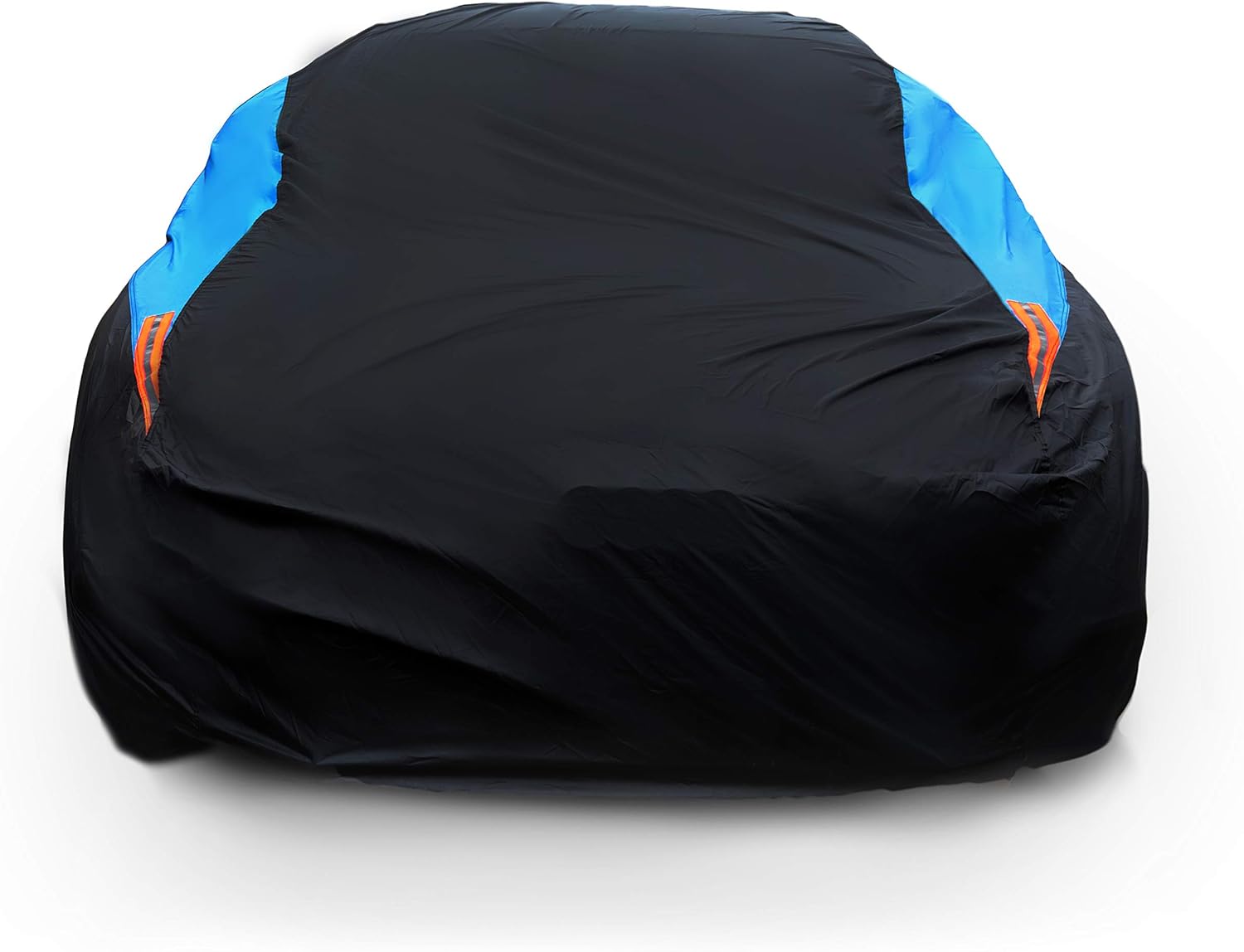
Visual guide about Can Jeep Interiors Get Wet
Image source: rigforge.com
The Role of Seals, Drains, and Pressure
Your Jeep’s first line of defense is a series of seals. Door seals, window seals, and—most critically for convertibles—top seals are made from rubber and foam composites. Their job is to create a physical barrier. However, these seals degrade over time due to UV exposure, temperature swings, and general wear. A seal that is 90% effective today might be 70% effective in three years, allowing more mist and spray to penetrate.
Behind the scenes, a network of drain holes and tubes exists. These are intentionally placed in floor pans, sunroofs, and door bottoms to let any incidental water that does get in to escape. If these drains become clogged with leaves, mud, or debris—a common issue—water has nowhere to go and will pool inside the cabin. This is a leading cause of “mystery” wet carpets.
Finally, modern vehicles use a slight cabin pressure differential to help keep water out, but this is minimal compared to the robust sealing in an aircraft or submarine. The system is designed for comfort, not deep-water fording.
Model-by-Model Breakdown: It’s Not All Created Equal
Asking “Can a Jeep get wet?” is like asking “Can a boat float?” The answer depends entirely on the boat. The same is true for Jeeps. Your risk profile changes dramatically based on your model year, body style, and top configuration.
Visual guide about Can Jeep Interiors Get Wet
Image source: fourwheeltrends.com
The Wrangler & Gladiator: The Open-Air Pioneers
This is the heart of the question. Wranglers and Gladiators with soft tops are the most vulnerable. While modern soft tops (like the premium Sun Rider) are vastly improved over old canvas, they are fundamentally a fabric barrier. Heavy rain, high-pressure car washes, and sustained highway spray will eventually find a way, often at seams, around the header, or at the window openings. The classic “jeep drip” from the top of the windshield frame is a well-known phenomenon. Hardtop Wranglers offer significantly better protection, with sealed doors and a solid roof. However, even hardtops have vulnerabilities: the rubber door seals can leak, and the removable roof panels have seals that can fail. The famous “Freedom Top” panels are a common leak point if not properly aligned and seated.
The Grand Cherokee & Cherokee: The Sealed SUVs
These are traditional unibody SUVs and offer the best interior protection of the Jeep lineup. They have fully framed doors with robust seals and, in most cases, fixed roofs. The primary risks here are: 1) a failed sunroof drain system (a universal car problem), 2) door seal degradation, especially on older models, and 3) extreme pressure from driving through deep water, which can force water past the cowl seal into the HVAC system. For the vast majority of owners, these Jeeps will only get wet from spilled drinks, tracked-in slush, or a major weather event with a compromised seal.
The Renegade & Compass: The Urban Adventurers
Built on car platforms, these models prioritize on-road comfort and efficiency. Their sealing is generally very good for their intended use. The risks are similar to the Grand Cherokee—sunroof drains and door seals—but they are not designed for serious water fording. Their approach angles and air intake locations are not suited for deep water. An owner should treat them like any other crossover SUV; the interior should stay dry in normal conditions.
Real-World Scenarios: From Drizzle to Deep Water
Let’s get practical. What does “getting wet” actually look like in your daily Jeep life?
Visual guide about Can Jeep Interiors Get Wet
Image source: fourwheeltrends.com
Scenario 1: The Daily Driver (Rain, Snow, Car Washes)
This is the most common exposure. A rainy commute, a snowy parking lot, or a drive-through car wash. For a hardtop Jeep or a Cherokee/Grand Cherokee, a properly maintained vehicle should handle this with zero interior moisture. For a soft-top Wrangler, you might experience a few drops, especially in high winds or at the windshield header. This is generally acceptable and not damaging if it dries quickly. Critical Tip: Always use a soft-cloth car wash brush on a soft top. High-pressure sprayers can force water through the fabric weave and damage seals.
Scenario 2: The Off-Road Adventure (Mud, Puddles, Streams)
Here’s where risk skyrockets. A deep puddle on a forest road can splash water high onto the doors and cowl. A stream crossing, even if done correctly, will throw a massive amount of spray. A soft-top will likely become saturated. A hardtop may stay mostly dry, but water can be forced into the door sills and HVAC intake. The danger isn’t just the immediate soak; it’s the mud and silt that can clog drains and hold moisture against metal for days. Pro Tip: After any serious off-roading in wet conditions, open all doors and the tailgate to let the vehicle air out. Check and clear any visible drain holes.
Scenario 3: The Accidental Submersion (The “Oh No” Moment)
This is the worst-case scenario: driving into a water hole that’s deeper than expected, or a flash flood. Water can surge into the cabin through the floor, HVAC vents, and door openings. This is catastrophic. Water will fill the carpets, saturate seats, and—most alarmingly—immerse electronic control modules, wiring, and the infotainment system. This is not a “dry it out” situation; this is a total loss or major restoration scenario. If this happens, do not start the engine. Tow the vehicle. Disconnect the battery. Call a professional.
The Drying Protocol: What to Do the Minute You Find Water
Time is the enemy. Mold and corrosion begin within 24-48 hours. Your response must be swift and systematic.
Step 1: Extract and Remove
First, get the free water out. Use towels, a wet/dry vacuum (shop vac), or even a carpet extractor if you have one. Soak up every puddle from the floor, seat bottoms, and footwells. Pay special attention to areas under the seats and in the spare tire well (if applicable). Remove all removable mats and liners and hang them to drip-dry separately.
Step 2: Circulate Air and Dehumidify
This is the most crucial step. You need to move massive amounts of dry air through the cabin to evaporate moisture trapped in foam, padding, and hidden cavities.
- Fans: Place multiple high-velocity fans (like the ones used for drying carpets) inside the vehicle. Point them at the floor and seats. Open all doors and windows to create cross-ventilation.
- Dehumidifiers: If you have access to a large dehumidifier (like a restoration-grade one), place it inside the closed vehicle with the fans running. It will actively pull moisture from the air and materials.
- A/C System: Run the vehicle’s HVAC system on max heat and max fan speed with the windows up. This uses the A/C’s condenser to dehumidify the cabin air. Direct vents towards the floor.
Step 3: Target Hidden Moisture
Carpets feel dry on top but can be soaked underneath. Lift the carpet if possible (many Jeeps have clips) to check the padding and metal floor pan. If the padding is wet, it often needs to be removed and replaced, as it’s nearly impossible to dry fully. Check seat tracks and mechanisms. Use a moisture meter if you have one to verify dryness in the metal structure and behind trim panels.
Long-Term Risks: Why a Little Water is a Big Deal
Why go to all this trouble? Because the consequences of lingering moisture are severe and expensive.
Mold and Mildew: The Health Hazard
Damp upholstery and carpet padding are a perfect breeding ground for mold and mildew. This isn’t just a smell problem; it’s a health issue. Mold spores can trigger allergies, asthma, and respiratory problems. Once mold takes hold in the foam, the only cure is complete removal and replacement of the affected materials. The “musty” smell is notoriously difficult to eliminate completely.
Electrical Gremlins and Corrosion
This is the silent killer. Water, especially dirty or salty water, is corrosive. It can slowly eat away at wiring harness connectors, ground points, and the delicate pins on control modules. You might not see an issue for weeks or months, then experience random electrical failures: windows that work intermittently, warning lights that come on, or a complete infotainment system death. Repairing corroded electronics is complex and costly, often requiring module replacement.
Rust: The Structural Threat
While Jeep frames are generally well-coated, trapped water against bare metal—especially at floor seams, under seat brackets, or in the spare tire well—can lead to rust. Rust compromises structural integrity. In regions that use road salt, this process accelerates dramatically. A small, hidden rust spot can spread, leading to expensive frame repairs.
Prevention and Proactive Care: Keeping Your Cabin Dry
An ounce of prevention is worth a pound of cure (or a thousand dollars in detailing bills).
Inspect and Maintain Seals & Drains
Make this a seasonal ritual. Open all doors and inspect the rubber seals. Look for cracks, brittleness, or areas where the seal has pulled away from the body. Clean the seals with a gentle soap and water and apply a silicone-based protectant (like 303 Aerospace) to keep them supple. Locate your drain holes (common spots: sunroof corners, HVAC cowl, door bottoms) and use a flexible wire or compressed air to clear them. A clogged sunroof drain is a top cause of wet headliners.
Strategic Use of Accessories
All-Weather Floor Mats: These are non-negotiable for any Jeep owner who sees weather or trails. They contain mud, water, and snow, preventing it from reaching the carpet. Brands like WeatherTech and Husky Liners are worth the investment. Seat Covers: Waterproof or water-resistant seat covers can be a lifesver for soft-top owners, protecting the factory seats from saturation. Cargo Liners: Protect the rear cargo area from wet gear, coolers, and muddy dogs.
Smart Driving Habits
Know your Jeep’s capabilities. The water fording depth is listed in your owner’s manual (for a Wrangler, it’s often 30 inches with the high-air intake, but that’s for the engine, not the cabin). Never intentionally drive through water deeper than your door sills. After fording, find a safe spot to stop and check for water inside before continuing. If you frequently drive in deep water, consider professional-grade door seal upgrades.
Conclusion: Embrace the Adventure, Respect the Risks
So, can Jeep interiors get wet? The definitive yes is both a limitation and a part of the character. That open-air, connected-to-the-earth feeling comes with a responsibility. Your Jeep is a tool for adventure, not an aquarium. By understanding your specific model’s strengths and weaknesses, reacting immediately to any moisture incursion, and implementing a proactive maintenance and prevention plan, you can enjoy every muddy trail, rainy day, and beach day with confidence.
The goal isn’t to fear water; it’s to manage it. Keep your seals healthy, your drains clear, and your drying equipment ready. Treat your Jeep’s interior with the same respect you give its engine and axles. In doing so, you’ll protect your investment, ensure your safety, and keep that cabin ready for the next journey—dry, clean, and waiting for the next adventure. Remember, a little knowledge and a lot of towels go a very long way in the world of Jeep ownership.
Frequently Asked Questions
Can I drive my Jeep in the rain with the top off?
Yes, but expect some water to enter the cabin, especially with a soft top. The windshield will deflect most rain, but spray from other vehicles and wind-driven rain will get in. Use rain guards on windows and be prepared with towels. It’s part of the open-air experience.
Is a small leak in my soft top a big problem?
A few drips during a heavy storm are often normal for an aging soft top. However, a steady leak or large wet spots indicate a failed seal or worn fabric. This should be addressed to prevent water from soaking seats and carpets, which leads to mold and odor.
What’s the fastest way to dry a wet Jeep interior?
Use a combination of high-velocity fans for air movement and a large dehumidifier to pull moisture from the air. Open all doors and windows. Remove mats and seats if possible. Do not rely on the car’s heater alone; it’s not powerful enough for a saturated cabin.
Will a car wash damage my soft-top Jeep?
Automatic car washes with high-pressure sprayers and rough brushes can damage soft-top fabric and seals over time. If you use one, choose a “touchless” option and avoid spraying directly at seams. Hand washing with a soft cloth is always safest for a soft top.
How can I prevent my Jeep’s door seals from leaking?
Clean the seals regularly with soapy water and a soft brush. Apply a UV-resistant silicone spray or lube (like 303 Aerospace) twice a year to keep the rubber suppled and prevent cracking. Ensure the doors are fully closed and latched.
Should I be worried about water in the spare tire well?
Yes. This is a common hidden leak spot. Water can enter through the tailgate seal or from items placed in the cargo area. Check it regularly, especially after rain or car washes. Ensure the drain plug (if equipped) is present and not corroded shut.