Can a Hybrid Car Run Without the Battery

Most hybrid cars cannot run without a functional battery, even though they have gasoline engines. The battery powers critical systems like the electric motor, engine start, and electronics. While some models may limp briefly, full operation requires a working battery.
In This Article
- 1 Key Takeaways
- 2 📑 Table of Contents
- 3 Can a Hybrid Car Run Without the Battery?
- 4 How Hybrid Cars Work: Gas and Electric Power Combined
- 5 The Role of the Hybrid Battery: More Than Just Power
- 6 What Happens When the Hybrid Battery Fails?
- 7 Can You Drive a Hybrid with a Dead Battery? Real-World Scenarios
- 8 Can You Jump-Start a Hybrid Car?
- 9 How to Prevent Hybrid Battery Failure
- 10 Conclusion: The Battery Is Essential
- 11 Frequently Asked Questions
- 11.1 Can a hybrid car run on gasoline alone if the battery is dead?
- 11.2 What happens if the 12-volt battery dies in a hybrid?
- 11.3 Can you remove the hybrid battery and still drive the car?
- 11.4 How long do hybrid batteries last?
- 11.5 Can you jump-start a hybrid car like a regular car?
- 11.6 What should I do if my hybrid won’t start?
Key Takeaways
- Hybrid cars rely on both gasoline and electric power: The battery is essential for starting the vehicle and powering the electric motor, especially at low speeds.
- A dead or removed battery usually stops the car from running: Even with gas in the tank, most hybrids won’t start or operate without a functional high-voltage battery.
- Some hybrids may enter “limp mode” with a weak battery: This allows limited driving to reach a service center but not full performance.
- 12-volt auxiliary batteries also matter: A dead 12-volt battery can prevent the car from starting, even if the main hybrid battery is fine.
- Regular maintenance helps prevent battery failure: Keeping the hybrid battery cool, charged, and serviced extends its life and reliability.
- Jump-starting isn’t always possible: Unlike conventional cars, many hybrids can’t be jump-started due to complex electrical systems.
- Professional diagnosis is recommended: If your hybrid won’t start, consult a technician familiar with hybrid systems.
📑 Table of Contents
- Can a Hybrid Car Run Without the Battery?
- How Hybrid Cars Work: Gas and Electric Power Combined
- The Role of the Hybrid Battery: More Than Just Power
- What Happens When the Hybrid Battery Fails?
- Can You Drive a Hybrid with a Dead Battery? Real-World Scenarios
- Can You Jump-Start a Hybrid Car?
- How to Prevent Hybrid Battery Failure
- Conclusion: The Battery Is Essential
Can a Hybrid Car Run Without the Battery?
You’re driving your hybrid car to work on a quiet morning, enjoying the smooth, silent start and the gentle hum of the electric motor. Suddenly, the dashboard lights up with warnings, and the car slows down. You pull over, worried. Could it be the battery? And more importantly—can your hybrid even run without it?
This is a common concern among hybrid owners. After all, hybrids have both a gasoline engine and an electric motor. So, logic might suggest that if the battery dies, the gas engine should take over, right? Not quite. The reality is more complex—and understanding how hybrid systems work is key to knowing whether your car can operate without its battery.
In this article, we’ll explore the role of the battery in hybrid vehicles, what happens when it fails, and whether your car can still run. We’ll break down the differences between hybrid types, explain why the battery is so crucial, and offer practical tips to keep your hybrid running smoothly. Whether you’re a new hybrid owner or just curious about how these eco-friendly cars work, this guide will give you the clarity you need.
How Hybrid Cars Work: Gas and Electric Power Combined
To understand whether a hybrid car can run without a battery, we first need to understand how hybrids operate. Unlike fully electric vehicles (EVs) that rely solely on batteries, or traditional gasoline cars that use only an internal combustion engine, hybrids combine both systems to maximize efficiency and reduce emissions.
There are three main types of hybrid vehicles: full hybrids, mild hybrids, and plug-in hybrids (PHEVs). Each uses the battery differently, but all depend on it to some degree.
Full Hybrids: The Most Common Type
Full hybrids, like the Toyota Prius or Honda Accord Hybrid, can run on electric power alone at low speeds, switch to the gasoline engine at higher speeds, or use both together for extra power. The battery stores energy from regenerative braking and sometimes from the engine itself. This stored energy powers the electric motor, which assists the gasoline engine or drives the wheels independently.
In a full hybrid, the battery is not just a backup—it’s a core component. Without it, the car can’t start because the electric motor is needed to turn over the gasoline engine. Even when the gas engine is running, many systems (like climate control, infotainment, and steering assist) rely on electrical power from the battery.
Mild Hybrids: Limited Electric Assistance
Mild hybrids, such as some models from Mazda or General Motors, use a smaller battery and electric motor to assist the gasoline engine. They can’t drive on electric power alone. Instead, the electric motor helps during acceleration and powers accessories when the engine is off.
Because mild hybrids rely less on electric propulsion, they might seem more resilient to battery issues. However, their 48-volt battery still supports critical functions like start-stop systems and turbocharging. If this battery fails, the car may not start or could experience reduced performance.
Plug-in Hybrids: Extended Electric Range
Plug-in hybrids, like the Toyota RAV4 Prime or Ford Escape PHEV, have larger batteries that can be charged from an external power source. They offer longer electric-only driving ranges—sometimes 30 miles or more—before switching to hybrid mode.
These vehicles are even more dependent on their batteries. A dead or disconnected battery in a PHEV often means the car won’t start at all, even with a full gas tank. The high-voltage battery is essential for initiating the drive cycle and powering the electric motor.
The Role of the Hybrid Battery: More Than Just Power
When people think of a car battery, they often picture the small 12-volt battery under the hood that starts the engine. But in hybrid cars, there are two key batteries: the 12-volt auxiliary battery and the high-voltage hybrid battery. Both play vital roles.
The High-Voltage Hybrid Battery
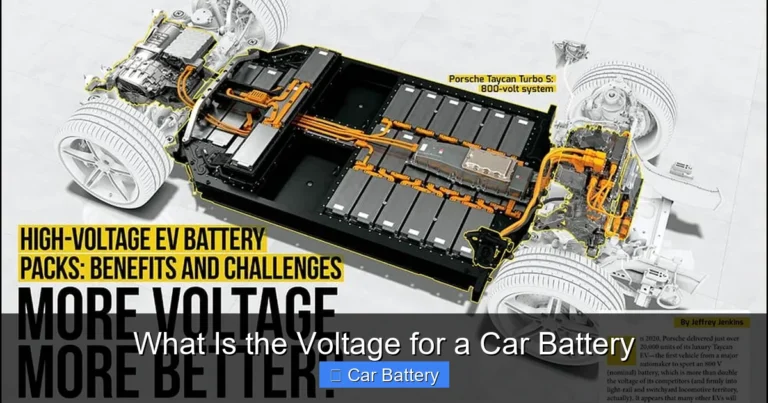
The high-voltage battery (usually 100–300 volts) is the heart of the hybrid system. It stores energy for the electric motor and powers many of the car’s advanced features. In most hybrids, this battery is located under the rear seats or in the trunk.
This battery is rechargeable and designed to last the life of the vehicle—often 8 to 15 years or 100,000 to 200,000 miles. However, it can degrade over time due to heat, frequent deep discharges, or age. When it fails, the car may not start, or it might enter a reduced-power mode.
The 12-Volt Auxiliary Battery
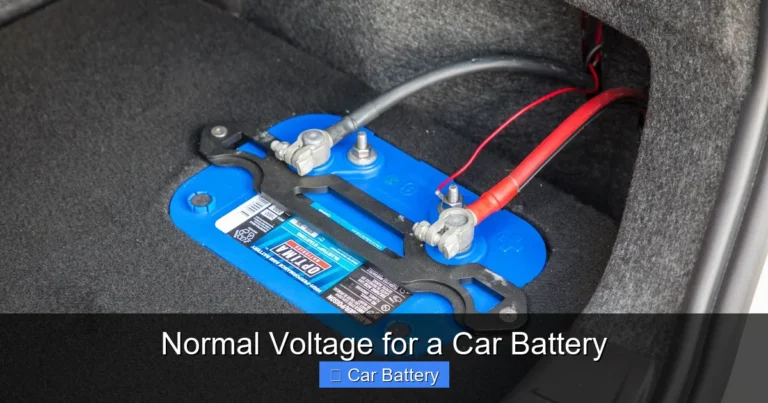
The 12-volt battery in a hybrid is similar to the one in a conventional car. It powers lights, the radio, dashboard displays, and the computer systems. It also helps start the hybrid system by sending a signal to activate the high-voltage battery.
Even if the high-voltage battery is fine, a dead 12-volt battery can prevent the car from starting. This is a common issue, especially in cold weather or if the car sits unused for long periods. Many hybrid owners are surprised when their car won’t start—only to discover the 12-volt battery is the culprit.
Why the Battery Is Essential for Starting
Here’s a key point: in most hybrids, the gasoline engine doesn’t start on its own. Instead, the electric motor uses power from the high-voltage battery to spin the engine to life. This process is called “engine cranking.”
Without a functioning battery, there’s no power to turn the engine over. Even if you have gas in the tank, the car won’t start. This is why a dead battery often means a stranded hybrid.
What Happens When the Hybrid Battery Fails?
So, what actually happens if your hybrid battery dies or is removed? Can you still drive the car using just the gasoline engine?
In most cases, the answer is no—at least not for long or at full capacity.
The Car Won’t Start
The most immediate consequence of a dead or disconnected hybrid battery is that the car won’t start. You might turn the key or press the start button, hear a click, but nothing happens. The dashboard may light up, but the engine won’t crank.
This is because the hybrid control unit (HCU) checks the battery’s status before allowing the engine to start. If the battery is too weak or not detected, the system refuses to engage.
Limp Mode: Limited Operation
Some hybrids may enter “limp mode” if the battery is weak but not completely dead. In this state, the car can still move, but with reduced power and speed. It might only drive a short distance—enough to get to a service station—but performance is severely limited.
For example, a Toyota Prius with a failing battery might still start and drive, but the gasoline engine will work harder, fuel efficiency will drop, and warning lights will appear on the dashboard. This is the car’s way of saying, “Get me to a mechanic—now.”
No Regenerative Braking
One of the benefits of hybrids is regenerative braking, which captures energy during braking and stores it in the battery. Without a working battery, this system doesn’t function. That means you lose energy recovery, and the car relies solely on friction brakes, which wear out faster.
Increased Engine Load and Fuel Consumption
When the battery can’t assist the engine, the gasoline engine has to do all the work. This increases fuel consumption and puts more strain on the engine. Over time, this can lead to higher maintenance costs and reduced engine life.
Electrical System Failures
Modern hybrids rely on complex electronics for everything from steering assist to climate control. Many of these systems draw power from the high-voltage battery. If the battery fails, you might experience issues like:
– Power steering becoming stiff or unresponsive
– Air conditioning not working
– Dashboard warnings and error messages
– Inability to shift gears (in some models)
These problems make the car unsafe or impossible to drive, even if the engine is running.
Can You Drive a Hybrid with a Dead Battery? Real-World Scenarios
Let’s look at some real-world situations to understand the limits of driving a hybrid without a functional battery.
Scenario 1: The Battery Is Completely Dead
Imagine your hybrid battery has failed due to age or damage. You try to start the car, but nothing happens. The dashboard lights up, but the engine won’t turn over.
In this case, the car is essentially a paperweight. You can’t drive it—even with a full tank of gas. The only solution is to replace or repair the battery.
Scenario 2: The Battery Is Weak but Functional
Now, suppose the battery is old and losing capacity, but still holds some charge. The car starts, but you notice reduced electric-only driving, slower acceleration, and frequent engine engagement.
You might be able to drive short distances, but performance will suffer. The car may also trigger warning lights like “Check Hybrid System” or “Maintenance Required.” Continuing to drive in this state can damage other components.
Scenario 3: The 12-Volt Battery Is Dead
This is a common issue. You get in the car, press the start button, and nothing happens. No lights, no sounds.
In this case, the high-voltage battery might be fine, but the 12-volt battery is dead. This prevents the car’s computer systems from activating. Jump-starting might work on some hybrids, but many require a special procedure or a technician’s help.
For example, Toyota hybrids often need the 12-volt battery recharged using a compatible charger or by connecting to another vehicle’s battery with caution. Honda hybrids may require a diagnostic tool to reset the system after a jump.
Scenario 4: The Battery Is Removed
Some people wonder: what if I remove the hybrid battery entirely? Could the car run on gas alone?
In theory, the gasoline engine could run if it were cranked manually—but that’s not possible in a production vehicle. The hybrid system is designed to work as an integrated unit. Removing the battery disables the electric motor, control systems, and safety protocols.
Even if you could bypass the electronics (which is not recommended), you’d face issues like:
– No power steering
– No brake assist
– No air conditioning
– Inability to shift gears
The car would be unsafe and likely undrivable.
Can You Jump-Start a Hybrid Car?
One of the most common questions hybrid owners ask is: “Can I jump-start my hybrid like a regular car?”
The answer is: it depends.
Jump-Starting the 12-Volt Battery
Yes, you can jump-start the 12-volt auxiliary battery in most hybrids using jumper cables and another vehicle—or a portable jump starter. However, you must follow the manufacturer’s instructions carefully.
For example, in a Toyota Prius, you connect the jumper cables to the 12-volt battery terminals under the hood (not the high-voltage battery). Then, you start the donor vehicle and let it charge the hybrid’s 12-volt system for a few minutes before attempting to start the hybrid.
After jump-starting, the car may need to be driven for 30 minutes or more to recharge the 12-volt battery fully.
Jump-Starting the High-Voltage Battery
No, you cannot jump-start the high-voltage hybrid battery using conventional methods. It’s a sealed, high-capacity lithium-ion or nickel-metal hydride battery that requires specialized equipment to charge or replace.
Attempting to jump it with jumper cables could damage the battery, the car’s electronics, or even cause a fire. Only trained technicians should handle high-voltage systems.
What to Do If Jump-Starting Fails
If jump-starting the 12-volt battery doesn’t work, the problem may be deeper—like a failed hybrid battery, a blown fuse, or a software glitch. In this case, it’s best to call a tow truck and take the car to a qualified hybrid repair shop.
Many dealerships and independent shops now specialize in hybrid and electric vehicle service. They have the tools and expertise to diagnose and fix battery issues safely.
How to Prevent Hybrid Battery Failure
The good news is that hybrid batteries are designed to last a long time. With proper care, you can avoid unexpected failures and keep your car running smoothly.
Keep the Battery Cool
Heat is the enemy of battery life. Park your hybrid in the shade or a garage when possible, especially in hot climates. Some hybrids have battery cooling systems, but excessive heat can still degrade performance over time.
Avoid Deep Discharges
Unlike older batteries, modern hybrid batteries don’t need to be fully discharged before recharging. In fact, keeping the charge level between 20% and 80% can extend battery life.
Avoid letting the battery drain completely, especially in plug-in hybrids. If you’re not using the car for a long time, consider using a battery maintainer.
Drive Regularly
Hybrids are designed to be driven. If you let the car sit for weeks or months, the 12-volt battery may die, and the high-voltage battery may lose charge.
Try to drive your hybrid at least once a week, even if it’s just a short trip. This keeps the systems active and the batteries charged.
Use the Manufacturer’s Maintenance Schedule
Follow the recommended maintenance schedule in your owner’s manual. This includes checking the 12-volt battery, inspecting the hybrid system, and updating software.
Some manufacturers offer battery health checks as part of routine service. Take advantage of these to catch problems early.
Watch for Warning Signs
Be alert to symptoms of battery trouble, such as:
– Reduced fuel economy
– Frequent engine starts and stops
– Loss of electric-only driving
– Dashboard warning lights
– Unusual noises from the battery area
If you notice any of these, have your car inspected promptly.
Conclusion: The Battery Is Essential
So, can a hybrid car run without the battery? The short answer is: not really.
While hybrids have gasoline engines, they rely heavily on their batteries to start, operate, and function efficiently. A dead or missing battery—whether the high-voltage pack or the 12-volt auxiliary—can leave your car stranded.
That said, hybrids are built for reliability. With proper care, the battery can last for many years and hundreds of thousands of miles. And if a failure does occur, modern diagnostics and repair options make it easier than ever to get back on the road.
The key takeaway? Treat your hybrid’s battery with care. Keep it charged, cool, and maintained. And if something feels off, don’t ignore it—address it early to avoid bigger problems down the road.
Hybrid cars are a smart choice for eco-conscious drivers, offering the best of both electric and gasoline power. But understanding how they work—and what keeps them running—is essential for getting the most out of your investment.
Frequently Asked Questions
Can a hybrid car run on gasoline alone if the battery is dead?
No, most hybrid cars cannot run on gasoline alone if the battery is dead. The electric motor is needed to start the gasoline engine, and many systems rely on battery power. Without a working battery, the car won’t start or operate properly.
What happens if the 12-volt battery dies in a hybrid?
If the 12-volt battery dies, the car may not start, even if the high-voltage battery is fine. This battery powers the electronics and sends the signal to activate the hybrid system. Jump-starting may help, but follow the manufacturer’s instructions carefully.
Can you remove the hybrid battery and still drive the car?
No, removing the hybrid battery will disable critical systems like the electric motor, power steering, and climate control. The car will not start or operate safely without it.
How long do hybrid batteries last?
Most hybrid batteries last 8 to 15 years or 100,000 to 200,000 miles, depending on usage, climate, and maintenance. Some last even longer with proper care.
Can you jump-start a hybrid car like a regular car?
You can jump-start the 12-volt battery in most hybrids using jumper cables, but you cannot jump-start the high-voltage battery. Always follow the manufacturer’s guidelines to avoid damage.
What should I do if my hybrid won’t start?
First, check if the 12-volt battery is dead and try jump-starting it. If that doesn’t work, the high-voltage battery or another system may be faulty. Contact a qualified hybrid technician for diagnosis and repair.