
Best Dirt Bike Front Tire

Choosing the best dirt bike front tire can dramatically improve your ride, control, and confidence on any terrain. Whether you’re tackling muddy trails, rocky paths, or sandy dunes, the right front tire makes all the difference. This guide breaks down top options, key features, and expert advice to help you pick the perfect match for your riding style.
If you’ve ever felt your front end wash out on a muddy turn or skid on loose gravel, you know how vital the front tire is to your dirt bike’s performance. It’s the only point of contact steering your bike, absorbing impacts, and gripping the ground. That’s why choosing the best dirt bike front tire isn’t just about durability—it’s about safety, control, and pure riding enjoyment.
Think of your front tire as the eyes of your bike. It reads the trail ahead, tells your suspension what’s coming, and helps you make split-second decisions. A poor tire can make even the most skilled rider feel unstable. On the flip side, the right tire can turn a sketchy trail into a smooth, confidence-inspiring ride. Whether you’re a weekend warrior, a competitive racer, or a casual trail explorer, your front tire plays a starring role in how your bike handles.
In this guide, we’ll walk you through everything you need to know to pick the best dirt bike front tire for your riding style and terrain. From understanding tread patterns to comparing top brands, we’ll keep it simple, practical, and packed with real-world tips. No jargon, no fluff—just honest advice to help you ride better, safer, and with more fun.
Key Takeaways
- Tread pattern matters: Aggressive knobs provide better grip in loose terrain, while tighter patterns suit hard-packed trails.
- Rubber compound affects performance: Softer compounds offer more traction but wear faster; harder ones last longer but may slip in mud.
- Size compatibility is crucial: Always match your tire size to your bike’s rim and suspension specs to avoid handling issues.
- Terrain dictates the best choice: Sand, mud, rocks, and hardpack each demand specific tire designs for optimal performance.
- Brand reputation counts: Trusted brands like Michelin, Dunlop, and Pirelli consistently deliver reliable, high-performing tires.
- Proper installation and maintenance extend life: Correct tire pressure, regular cleaning, and alignment checks keep your front tire in top shape.
- Don’t overlook reviews and rider feedback: Real-world experiences from fellow riders can guide you to the best dirt bike front tire for your needs.
📑 Table of Contents
Why the Front Tire Is So Important
The front tire on a dirt bike does more than just roll forward—it’s your bike’s primary steering and braking component. Unlike the rear tire, which mainly provides propulsion, the front tire is responsible for direction, balance, and absorbing shock from obstacles. When you lean into a turn, it’s the front tire that grips the ground and keeps you on your line. When you hit the brakes, it’s the front tire that does most of the stopping work.
Because of this, a worn or mismatched front tire can seriously compromise your ride. Imagine trying to stop quickly on a rocky downhill with a bald front tire—your chances of sliding or losing control skyrocket. Or picture navigating a tight, root-filled trail with a tire designed for sand. You’ll constantly fight the bike, wasting energy and increasing fatigue.
That’s why investing in the best dirt bike front tire isn’t a luxury—it’s a necessity. A high-quality front tire improves traction, enhances handling, and gives you the confidence to push your limits. It also reduces the risk of accidents caused by poor grip or sudden loss of control. In short, your front tire is your first line of defense against the unpredictable nature of off-road riding.
How the Front Tire Affects Handling
Your front tire directly influences how your bike responds to inputs. A tire with aggressive, widely spaced knobs will dig into soft soil and mud, giving you excellent bite in slippery conditions. But on hard-packed dirt or pavement, those same knobs can cause instability and a bouncy ride. Conversely, a tire with tighter, flatter tread works great on firm ground but may struggle in deep mud or sand.
The shape of the tire—called the profile—also plays a role. A rounded profile helps with cornering, allowing the tire to lean smoothly and maintain contact with the ground. A flatter profile offers more straight-line stability but can feel sluggish in turns. Some riders prefer a slightly squared-off front tire for better braking performance, especially in technical terrain.
Another factor is the tire’s carcass construction. Tires with a softer carcass (the internal structure) conform better to uneven surfaces, improving grip. But they may wear faster or be more prone to pinch flats. Stiffer carcasses last longer and resist punctures but can feel harsh on rough trails. Finding the right balance depends on your riding style and the conditions you face most often.
Common Front Tire Problems and How to Avoid Them
Even the best dirt bike front tire can run into issues if not properly maintained. One of the most common problems is uneven wear, often caused by incorrect tire pressure. Overinflated tires wear down the center tread quickly, while underinflated tires wear on the edges. Both reduce performance and shorten tire life.
Another issue is cupping—wavy wear patterns that create a bumpy ride. This usually happens when the tire isn’t balanced or the suspension is worn. It can also result from aggressive riding on hard surfaces. Regular inspection and proper suspension maintenance can help prevent cupping.
Pinch flats, where the tire gets pinched between the rim and an obstacle, are another concern. They’re more common with low tire pressure or when hitting rocks and roots at speed. Running the right pressure for your terrain and avoiding overly harsh impacts can minimize this risk.
Finally, poor traction due to worn tread or the wrong tire type is a frequent complaint. If your front tire feels slippery or unresponsive, it might be time for a replacement—or a switch to a tire better suited to your riding conditions.
Key Features to Look for in a Dirt Bike Front Tire
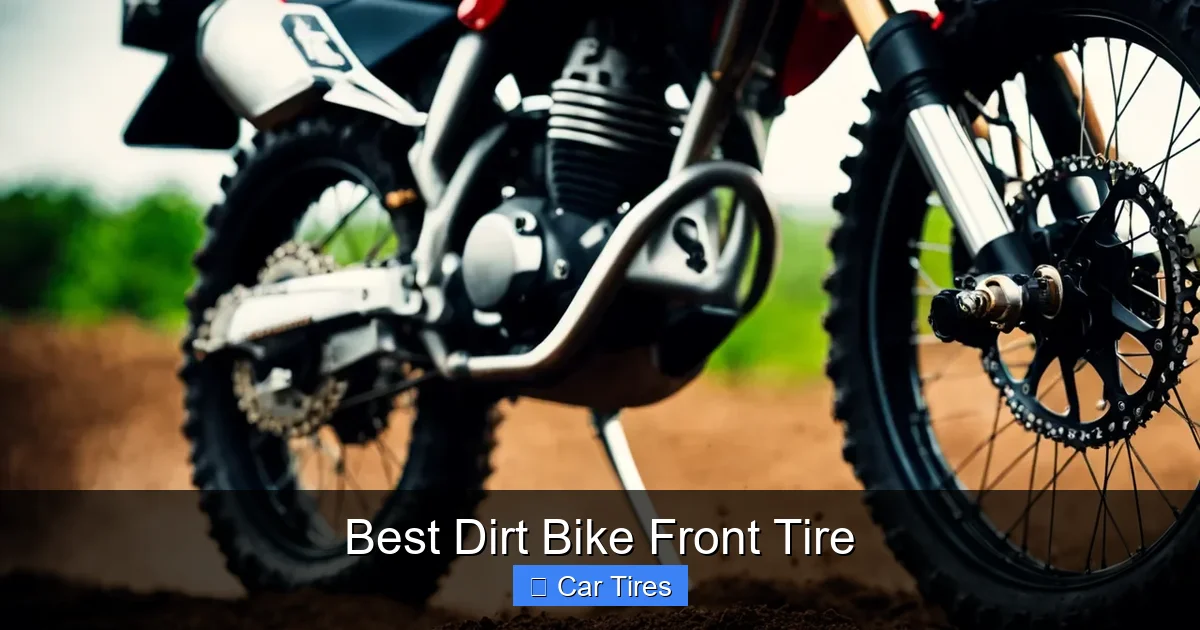
Visual guide about Best Dirt Bike Front Tire
Image source: pubbelly.com
When shopping for the best dirt bike front tire, it’s easy to get overwhelmed by the options. But focusing on a few key features can simplify the process and help you make a smart choice. Here’s what to prioritize:
Tread Pattern and Design
The tread pattern is the most visible—and important—feature of any dirt bike tire. It determines how well the tire grips different surfaces. For front tires, look for a pattern that offers a balance of steering control and braking power.
In muddy or loose terrain, aggressive, widely spaced knobs are ideal. They dig into soft ground and shed mud easily, preventing clogging. Tires like the Dunlop Geomax MX33 or the Michelin Starcross 5 Soft have deep, open treads perfect for these conditions.
For hard-packed dirt or rocky trails, a tighter, more compact tread pattern works better. It provides a larger contact patch, improving stability and reducing the chance of slipping. The Pirelli Scorpion MX32 is a great example—its intermediate tread handles firm ground with confidence.
Sand riders need a completely different approach. Here, a paddle-style or wide, spaced-out tread helps the tire “float” on top of the sand. The Maxxis Maxxcross SI is a popular choice for sandy conditions, with wide knobs and a lightweight build.
Rubber Compound
The rubber compound affects how the tire feels and performs. Softer compounds grip better, especially in cold or wet conditions, but they wear out faster. Harder compounds last longer but may feel slippery when new or in low traction.
Many modern tires use dual or multi-compound designs. These combine a softer rubber on the edges (for cornering grip) with a harder center (for durability). This gives you the best of both worlds—great handling without sacrificing tire life.
For example, the Michelin Starcross 5 uses a progressive rubber compound that gets softer toward the shoulders. This helps during leans and turns while keeping the center tough for straight-line wear.
Tire Size and Fit
Always check your bike’s manual or existing tire for the correct size. Common front tire sizes include 80/100-21, 90/90-21, and 100/90-21. The first number is the width, the second is the aspect ratio (height as a percentage of width), and the last is the rim diameter in inches.
Using the wrong size can cause handling problems, suspension issues, or even damage to your bike. A tire that’s too wide may rub against the fork or fender. One that’s too narrow can feel unstable at speed.
Also, consider the load and speed rating. Most dirt bike tires are rated for speeds up to 81 mph (130 km/h) and specific load capacities. While you may not ride that fast, the rating ensures the tire can handle the forces involved in aggressive riding.
Construction and Durability
Tire construction includes the carcass (the internal layers) and the casing type. Most dirt bike tires use a bias-ply or radial construction.
Bias-ply tires are common and affordable. They’re durable and handle rough terrain well but can feel stiff and generate more heat. Radial tires, like those from Michelin, offer better flexibility, cooler running, and improved grip—but they’re usually more expensive.
Look for features like reinforced sidewalls, which resist cuts and punctures. Some tires also have special bead designs to prevent slipping on the rim during hard cornering.
Brand Reputation and Reviews
Not all tires are created equal. Trusted brands like Dunlop, Michelin, Pirelli, Maxxis, and Continental have decades of experience and rigorous testing behind their products. They invest in research and development to create tires that perform in real-world conditions.
Reading rider reviews can also help. Look for feedback from people who ride similar terrain and bikes. A tire that works great for motocross may not be ideal for enduro or trail riding. Online forums, YouTube reviews, and local rider groups are great resources.
Top Dirt Bike Front Tire Recommendations
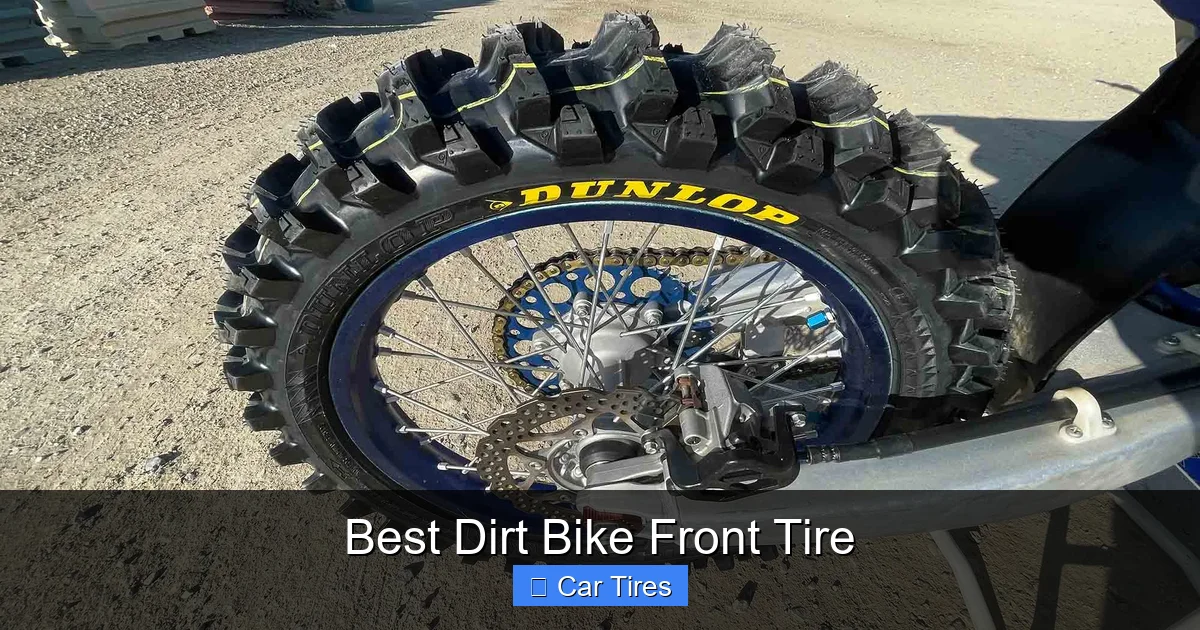
Visual guide about Best Dirt Bike Front Tire
Image source: cloudfront-us-east-1.images.arcpublishing.com
Now that you know what to look for, here are some of the best dirt bike front tires on the market, broken down by riding style and terrain.
Best Overall: Dunlop Geomax MX33
The Dunlop Geomax MX33 is a favorite among motocross and trail riders for its versatility and performance. It features an aggressive tread pattern with tall, widely spaced knobs that excel in mud, sand, and loose dirt. The progressive rubber compound gives excellent grip in corners while maintaining durability.
Riders praise its predictable handling and ability to maintain traction even in challenging conditions. It’s available in multiple sizes and fits a wide range of bikes. While it may wear faster on hard-packed tracks, it’s a top pick for mixed-terrain riding.
Best for Hardpack: Pirelli Scorpion MX32
If you ride mostly on firm, dry terrain, the Pirelli Scorpion MX32 is hard to beat. Its intermediate tread pattern offers a large contact patch, giving superior stability and braking performance. The tire’s carcass is designed for responsiveness, making it ideal for fast, technical tracks.
It’s a popular choice in the AMA Supercross series, proving its performance under pressure. The MX32 also handles light mud well, making it a solid all-around option for riders who don’t face deep, wet conditions often.
Best for Mud: Michelin Starcross 5 Soft
For muddy, wet, or soft terrain, the Michelin Starcross 5 Soft is a standout. Its deep, open tread design sheds mud quickly and bites into slippery ground. The soft rubber compound provides exceptional grip, even in cold or rainy conditions.
While it wears faster than harder compounds, the performance gain in traction is worth it for serious mud riders. It’s a favorite among enduro and GNCC racers who face unpredictable weather and terrain.
Best for Sand: Maxxis Maxxcross SI
Sand riding demands a tire that can float and steer without digging in. The Maxxis Maxxcross SI delivers with its wide, spaced-out knobs and lightweight construction. It provides excellent forward drive and steering control in deep sand.
Riders report improved stability and less fatigue compared to standard tires. It’s not ideal for hardpack or rocks, but for dune riders and desert explorers, it’s one of the best options available.
Best Budget Option: Kenda K784
If you’re looking for solid performance without breaking the bank, the Kenda K784 is a great choice. It offers a balanced tread pattern suitable for mixed terrain and decent durability. While it doesn’t match the top-tier tires in extreme conditions, it’s reliable for casual trail riding and practice sessions.
It’s widely available and fits many popular dirt bike models. For riders on a budget or those who don’t need race-level performance, the K784 is a practical pick.
How to Choose the Right Tire for Your Riding Style

Visual guide about Best Dirt Bike Front Tire
Image source: betterdirtbikeriding.com
Picking the best dirt bike front tire isn’t just about picking the most expensive or popular option. It’s about matching the tire to your riding style, terrain, and bike setup.
Trail and Enduro Riders
If you spend most of your time on forest trails, fire roads, or enduro courses, look for a tire that balances grip, durability, and versatility. You’ll likely encounter mud, rocks, roots, and hardpack—so a tire like the Dunlop Geomax MX33 or Michelin Starcross 5 is ideal.
These tires offer strong cornering performance and can handle a variety of conditions without needing frequent changes. They also tend to last longer than pure motocross tires, which is important for long-distance rides.
Motocross and Supercross Riders
For track riders, performance is king. You need a tire that responds instantly, grips hard in corners, and handles jumps and whoops. The Pirelli Scorpion MX32 or Dunlop MX33 are excellent choices here.
These tires are designed for high-speed, aggressive riding. They may wear faster, but the improved handling and traction are worth it for competitive riders. Consider rotating tires or having multiple sets for different track conditions.
Sand and Dune Enthusiasts
Sand requires a completely different approach. You need a tire that won’t dig in but will still provide steering and drive. The Maxxis Maxxcross SI or similar sand-specific tires are your best bet.
These tires are wider and have paddle-like knobs that help you glide over soft surfaces. They’re not great for hard terrain, so use them only when needed.
Beginner and Casual Riders
If you’re new to dirt biking or ride occasionally, you don’t need the most advanced tire on the market. A reliable, all-around option like the Kenda K784 or a mid-range Michelin will serve you well.
Focus on proper tire pressure and regular inspection. As you gain experience, you can upgrade to a tire that better matches your evolving skills and terrain preferences.
Installation, Maintenance, and Safety Tips
Even the best dirt bike front tire won’t perform well if it’s not installed or maintained properly. Here are some essential tips to keep your tire in top shape.
Proper Installation
Always install the tire with the correct rotation direction. Most tires have an arrow on the sidewall indicating the direction of travel. Installing it backward reduces performance and can be dangerous.
Use tire levers carefully to avoid damaging the bead or rim. Lubricate the bead with soapy water to make mounting easier. Once installed, inflate the tire gradually and check for even seating on the rim.
Tire Pressure Matters
Tire pressure is one of the most overlooked aspects of dirt bike maintenance. Too high, and you lose grip and comfort. Too low, and you risk pinch flats and poor handling.
Check your owner’s manual for recommended pressure, but adjust based on terrain. For soft ground, drop the pressure slightly (e.g., 12–14 psi). For hardpack or rocky trails, increase it (15–18 psi). Use a quality gauge and check pressure when the tire is cold.
Regular Inspection and Cleaning
After every ride, inspect your front tire for cuts, embedded rocks, or wear. Remove debris from the tread to prevent imbalance and improve performance.
Clean the tire with water and a soft brush. Avoid harsh chemicals that can degrade the rubber. Store your bike in a cool, dry place to extend tire life.
When to Replace Your Front Tire
Replace your front tire when the tread depth is below 2/32 of an inch or if you notice uneven wear, cracks, or bulges. Even if the tread looks okay, tires older than 5 years should be replaced due to rubber degradation.
Don’t wait for a blowout—replace tires proactively to avoid accidents.
Conclusion
Choosing the best dirt bike front tire is one of the most impactful upgrades you can make to your ride. It affects everything from handling and braking to safety and enjoyment. By understanding tread patterns, rubber compounds, and your own riding style, you can pick a tire that enhances your performance and confidence on the trail.
Remember, the “best” tire isn’t always the most expensive or aggressive—it’s the one that fits your needs. Whether you’re racing, trail riding, or just having fun, the right front tire will help you ride smoother, faster, and safer.
Take the time to research, read reviews, and match your tire to your terrain. With proper installation and maintenance, your front tire will serve you well for many adventures to come.
Frequently Asked Questions
What is the best dirt bike front tire for muddy conditions?
The Michelin Starcross 5 Soft is one of the best dirt bike front tires for muddy terrain. Its deep, open tread pattern sheds mud easily, and the soft rubber compound provides excellent grip in wet, slippery conditions.
How often should I replace my dirt bike front tire?
Replace your front tire when the tread depth is below 2/32 of an inch or if you notice cracks, bulges, or uneven wear. Even with good tread, consider replacing tires older than 5 years due to rubber aging.
Can I use a motocross tire for trail riding?
Yes, but motocross tires are designed for short, intense sessions and may wear faster on long trail rides. For trail riding, consider a more durable, versatile tire like the Dunlop Geomax MX33.
What tire pressure should I use for my front tire?
Start with the manufacturer’s recommendation (usually 12–18 psi). Adjust based on terrain: lower pressure (12–14 psi) for soft ground, higher (15–18 psi) for hardpack or rocks. Always check when the tire is cold.
Do I need different front tires for different terrains?
Ideally, yes. Using the right tire for your terrain improves performance and safety. For example, use a sand tire for dunes and a hardpack tire for firm tracks. Many riders keep multiple sets for different conditions.
How do I know if my front tire is worn out?
Look for low tread depth, uneven wear patterns, cracks in the rubber, or bulges on the sidewall. If the tire feels slippery or unstable, it’s likely time for a replacement.