

Are Bike Helmets Required In Washington State: Law Guide

Contents
- 1 What Washington's helmet law actually says
- 2 Why the law focuses on minors
- 3 Are bike helmets required in washington state for adults?
- 4 Enforcement, penalties, and legal implications
- 5 Safety benefits: why helmets matter
- 6 Choosing the right helmet in Washington
- 7 Practical tips and personal experience
- 8 Common myths and misconceptions
- 9 Local rules and special cases: e-bikes, scooters, and bike shares
- 10 People also ask (PAA-style)
- 11 Frequently Asked Questions of are bike helmets required in washington state
- 12 Conclusion

Car Wireless Charger Mount

Car MP3 Player

Car Cleaning Brush Set

Octane Booster
Washington law requires helmets for cyclists under 16; adults are not required statewide.
As a longtime cyclist and writer who has followed bike policy across the Pacific Northwest, I’ll walk you through the rules and practical realities of are bike helmets required in washington state. This guide breaks down the law, who it covers, enforcement, helmet safety facts, and real-world tips so you can ride smarter and safer whether you bike for fun, fitness, or commuting.
What Washington's helmet law actually says
Washington's state law requires helmets for bicycle riders who are under 16 years old. The rule aims to protect younger riders, who face higher risk for head injuries and who may have less bike handling experience. Local cities can add rules or outreach programs, but the statewide mandate focuses on minors.
Key points
- The law covers people under 16 riding a bicycle on public roads and paths.
- Adults are not required by state law to wear helmets, though some local jurisdictions may encourage or require them in specific settings.
- The requirement applies to standard bicycles; local ordinances may extend rules to scooters or e-bikes.
Why the law focuses on minors
Children and teens are still developing motor skills and judgment. That makes them more likely to be involved in a crash. Lawmakers target this age group because helmets can prevent serious head and brain injuries during growth years. If you’ve watched kids learn to ride, you know a helmet often prevents bad outcomes from simple falls.
Reasons the law targets minors
- Higher vulnerability to head injury during development.
- Greater likelihood of occasional risky behavior while learning.
- Helmet programs for youth are easier to administer via schools and parks.

Are bike helmets required in washington state for adults?
Short answer: no, adults are not required statewide to wear helmets. But there are important caveats. Local rules can vary. Employers, schools, parks, and bike-share programs might set their own helmet policies. For safety and liability reasons, many organizations encourage or require helmets for all riders.
What to watch for
- Bike-share operators may recommend or provide helmets but rarely require them.
- Employers may set helmet policies for on-the-job cycling.
- Organized rides and events often require helmets for participants.
Enforcement, penalties, and legal implications
Enforcement of helmet laws in washington state typically focuses on education over harsh penalties. When fines exist, they tend to be small. That said, failing to wear a helmet when required may have legal consequences in a crash, especially when proving negligence or damages.
Points to consider
- Penalties vary by jurisdiction; they are usually minor fines.
- Not wearing a required helmet may affect insurance claims or liability questions after a crash.
- Law enforcement and community education programs often emphasize helmets for youth.
)
Safety benefits: why helmets matter
Wearing a helmet dramatically lowers the risk of severe head injury. Studies show helmets reduce head injury risk by roughly 50–60%. A helmet is a low-cost, high-impact safety tool. Even in low-speed falls, a helmet reduces the force transferred to your skull and brain.
Benefits at a glance
- Cuts risk of traumatic brain injury and skull fractures.
- Reduces severity of injuries in many crash types.
- Can be life-saving in collisions with vehicles or hard obstacles.

Choosing the right helmet in Washington
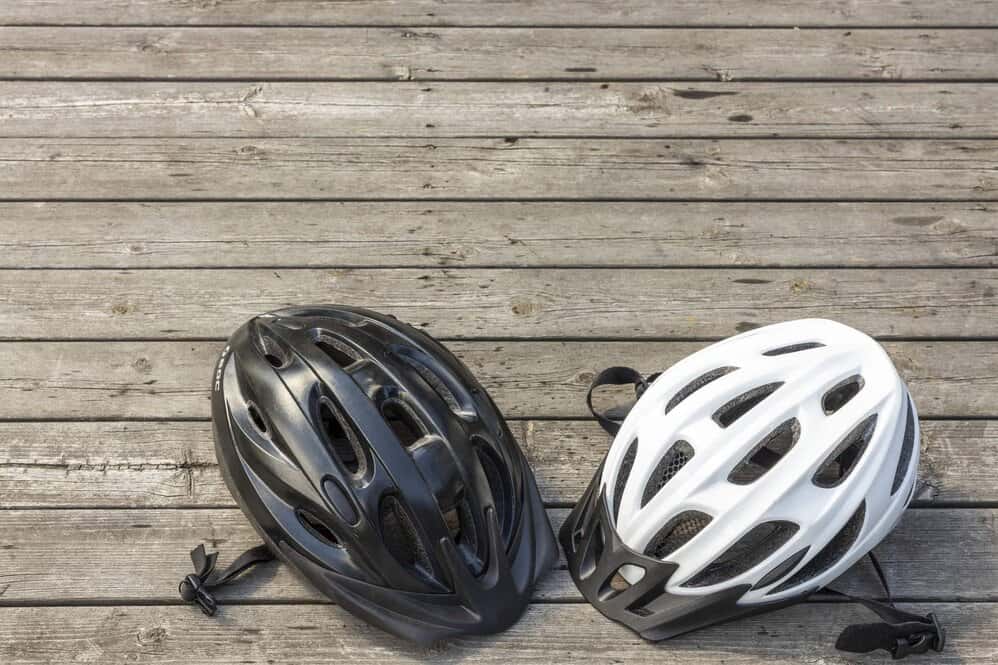
Look for helmets that meet recognized safety standards. In the U.S., Consumer Product Safety Commission (CPSC) certification is the baseline. Fit matters more than brand. A well-fitted, certified helmet worn correctly is far better than an expensive helmet worn loose or tilted.
How to choose and fit
- Check for CPSC certification inside the helmet.
- Fit helmet level on the head; it should sit low on the forehead.
- Use the “two-finger” rule: two fingers above the eyebrow to the helmet rim.
- Replace helmets after any crash or every 5–10 years depending on wear.

Practical tips and personal experience
I commute year-round in Washington and learned a few practical rules the hard way. Once, a low-speed fall on wet pavement left me grateful for a helmet that took the impact. From that ride I learned to tighten straps and keep a spare helmet for guests.
Practical tips from real rides
- Always fasten the chin strap; an unbuckled helmet won’t protect you.
- Keep a small set of helmet pads to adjust fit as hair or hat use changes.
- Carry a lightweight helmet for social rides or rentals.
- Wear bright colors and lights to improve visibility on gray Washington days.
Common myths and misconceptions
There’s a lot of noise around helmets. Clearing myths helps riders make smart choices.
Common myths
- Myth: Helmets cause more neck injuries. Reality: Helmets reduce head injuries without increasing neck injury risk.
- Myth: Only fast cyclists need helmets. Reality: Most bike head injuries happen at low speeds and during simple falls.
- Myth: If helmets are required for kids, adults don’t need them. Reality: Adults benefit just as much; laws don’t equal best safety practice.
The question are bike helmets required in washington state gets trickier when you add e-bikes, scooters, and shared systems. Some localities or programs require helmets for certain devices. For example, e-bike classes or high-speed modes might come with helmet requirements. Always check program rules before you ride.
Quick checklist
- Verify rules for e-bike classes and rental programs.
- Follow posted signage in parks and bike paths.
- When in doubt, wear a helmet—you reduce risk and avoid potential local fines.
People also ask (PAA-style)
Q: Do I have to wear a helmet if I ride on a sidewalk?
A: If you are under 16, yes—state law covers public sidewalks and paths. Adults should follow local rules and consider wearing a helmet for safety.
Q: Are bike helmets required in washington state for electric scooters?
A: Rules vary. Some cities treat scooters similarly to bikes and may encourage or require helmets, especially for minors. Check local regulations.
Q: Will not wearing a helmet affect my insurance after a crash?
A: It can. Not wearing a helmet when required may complicate liability and claims. Always consult your insurer or legal counsel for specifics.
Frequently Asked Questions of are bike helmets required in washington state
Are bike helmets required in washington state for kids?
Yes. State law requires bicycle helmets for riders under 16 years old on public roads, paths, and sidewalks.
Can a city in Washington require helmets for adults?
Yes. Local jurisdictions can set stricter rules, so some cities or programs may require helmets for adults in certain settings.
Do bike-share programs in Washington require helmets?
Most bike-share programs recommend helmets but do not strictly enforce them. Some programs may offer helmets or encourage usage through education.
What happens if a child rides without a helmet?
Penalties vary by location, but enforcement often focuses on education. Parents or guardians may face small fines in some jurisdictions.
Are e-bike riders required to wear helmets in Washington?
It depends on local laws and the type of e-bike. Many safety advocates recommend helmets for e-bike riders because of higher speeds and risks.
Conclusion
The short truth: are bike helmets required in washington state? Yes for riders under 16, and not statewide for adults. Beyond the law, wearing a helmet is one of the simplest safety steps any rider can take. If you bike in Washington, make helmet use a habit—especially for kids and in busy traffic. Try these practical steps: choose a certified helmet, fit it right, and replace it after impacts.
Take action today: if you ride, get a properly fitted helmet and encourage kids to wear one. Share this guide, leave a comment with your helmet tips, or subscribe for updates on local bike safety rules.


