
Can I Use Road Bike Helmet For Mtb: Safe Alternatives

Yes — a road helmet can work on easy trails, but it’s often not the safest choice.
I’ve ridden both road and mountain trails for years and tested many helmets in real conditions. This article answers can i use road bike helmet for mtb with clear, practical guidance, backed by experience with standards, fit tests, and real rides. Read on to learn when a road helmet is acceptable, when it isn’t, and how to pick the best helmet for your riding.
Understanding helmets: road vs MTB
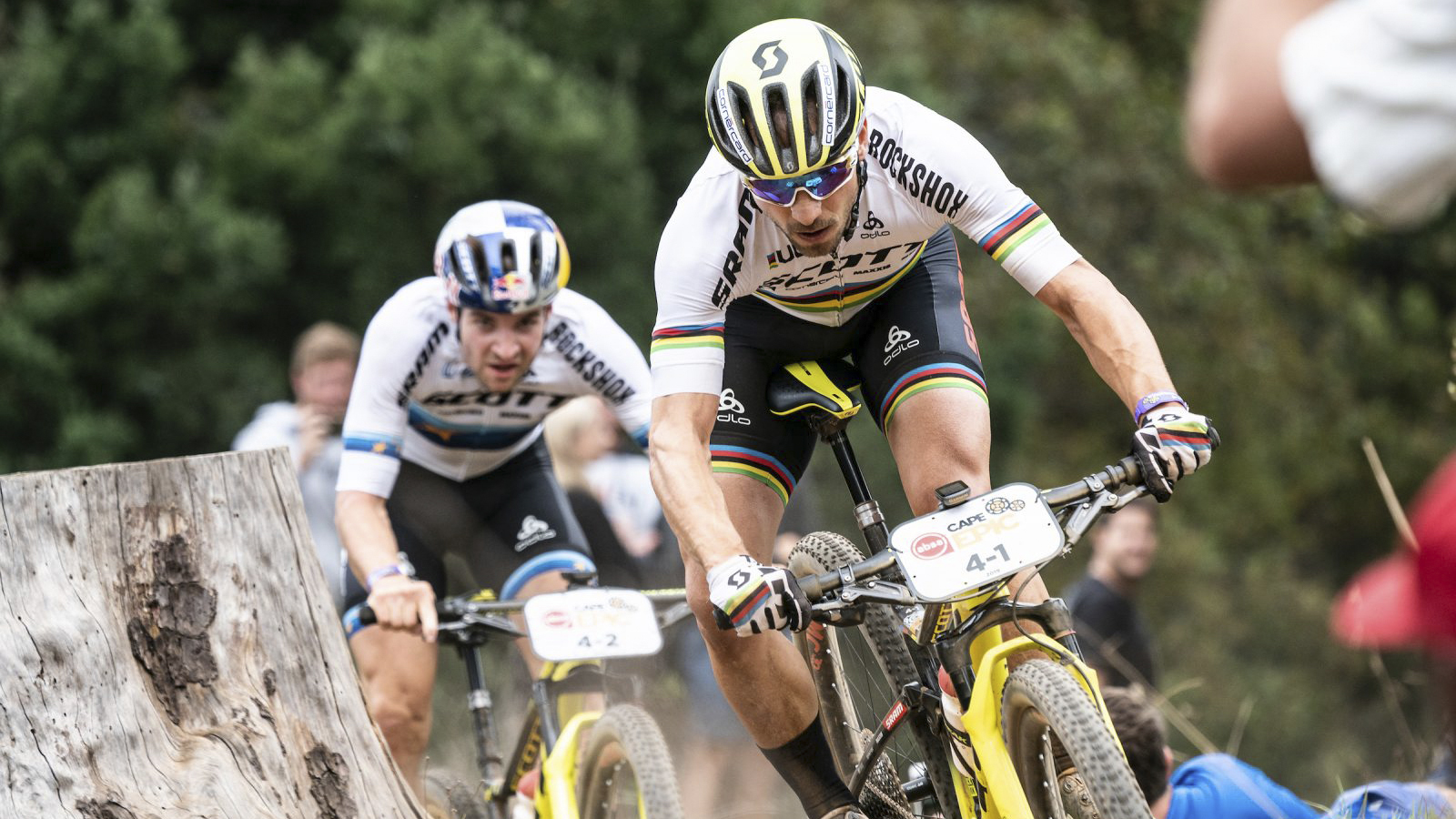
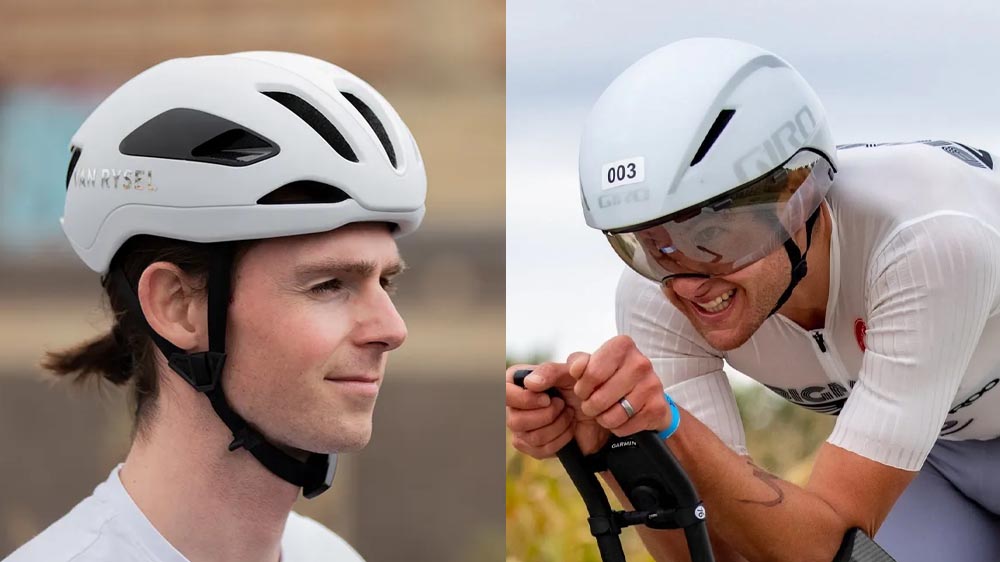
Helmets share one clear goal: protect your head in a crash. Still, road and mountain bike helmets are built for different needs. Road helmets focus on ventilation, light weight, and aerodynamic shape. Mountain bike helmets add coverage at the back and sides, offer more visor protection, and often use tougher shells for low-speed impacts against rocks and trees.
When you ask can i use road bike helmet for mtb, think about the differences in injury risk. MTB often involves slower speeds but higher chances of hitting obstacles or falling on uneven ground. That changes what you want from a helmet.
Common helmet standards to know:
- CPSC for the US, EN for Europe, and ASTM for some impact types.
- Some MTB helmets test for rotational impact, which matters on trails.
- Full-face helmets meet stricter tests for downhill riding.

Can I use road bike helmet for MTB? Safety and fit considerations
Short answer: you can use a road helmet for light, casual trails, but it is not ideal for technical or fast mountain biking. Fit, coverage, and retention are key safety features.
Key safety points:
- Coverage: MTB helmets cover the lower back of the skull more than road helmets. If you fall backwards on a trail, that extra coverage helps.
- Visor: Road helmets usually lack visors. Visors shield sun, branches, and loose dirt on trails.
- Impact types: Trail crashes often include low-speed impacts with sharp objects. Road helmets are optimized for high-energy, glancing impacts typical of road crashes.
Fit matters more than model. A well-fitted road helmet with a snug retention system and correct position offers better protection than a loose, ill-fitted MTB helmet. But fit doesn’t replace the added coverage and features of a purpose-built MTB helmet.
When it’s acceptable to use a road helmet for MTB
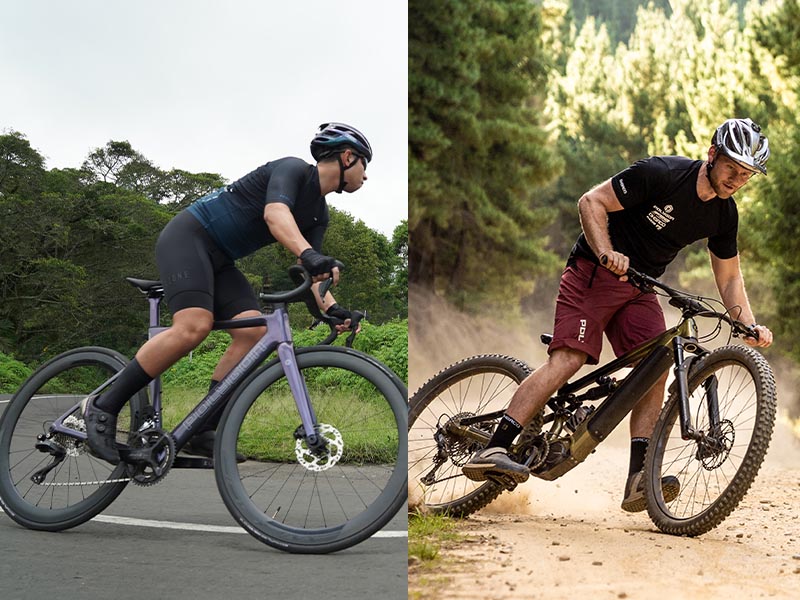
There are scenarios where can i use road bike helmet for mtb is reasonable:
- Short, smooth fire-road rides where speeds are moderate and obstacles are minimal.
- Beginner trails with wide sightlines and few roots or rocks.
- Urban singletrack or bike park XC routes with low technical demand.
Practical tips if you choose a road helmet on easy trails:
- Wear protective eyewear to keep debris out of your eyes.
- Pick a helmet with good rear coverage and a solid retention system.
- Avoid trails with drop-offs, tight trees, or steep grades.
From experience, I used a road helmet for several smooth gravel loops without issue. The helmet was light and ventilated, and I felt comfortable. Still, the first time I tried a rooty singletrack in the same helmet, I decided to upgrade. The extra coverage of an MTB helmet felt immediately safer.

When you should not use a road helmet for MTB
You should not use a road helmet when trail risks increase:
- Technical singletrack with tight trees, rocks, or frequent falls.
- Downhill or enduro riding where speeds and impact forces are high.
- Riding with jumps, drops, or exposed ledges.
Reasons to avoid a road helmet:
- Limited rear and side protection raises risk of head injury on unexpected impacts.
- Lack of visor and tougher shell construction increases exposure to branches and rocks.
- Some road helmets are designed to fracture differently, which may be less forgiving in trail impacts.
Think of it this way: a road helmet is like a lightweight rain jacket. Fine in light drizzle, but inadequate in a storm. Trails can be that storm.

How to choose the right helmet for your ride
Choosing the right helmet starts with matching the helmet to your riding style and risk. Follow these steps:
- Assess your riding
- Mostly paved and smooth gravel: road helmet may be fine.
- Rooty, rocky, technical trails: choose an MTB helmet.
- Check fit
- The helmet should sit level, cover the forehead, and not rock forward or back.
- Retention systems should be snug with strap sliders adjusted correctly.
- Look for protection features
- Extended rear coverage for MTB riding.
- Visor to block sun and branches.
- MIPS or other rotational protection systems for added safety.
- Test in real conditions
- Try the helmet on a short loop before committing to a full ride.
- Pay attention to comfort over longer efforts; discomfort leads to distraction.
I once bought a very light road helmet for summer XC. On a hot day, it was great for ventilation, but after a minor tumble it showed that extra coverage matters. That experience taught me to match the helmet to the ride, not fashion.
PAA-style questions
Can a road helmet protect against tree branches?
A road helmet offers limited protection against branches. MTB helmets with visors and tougher shells block branches better and keep debris out of your face.
Will a road helmet fit the same as an MTB helmet?
Fit depends on model and size. Many brands use similar sizing, but MTB helmets often have a rounder shape for more rear coverage.
Is rotational protection important for MTB?
Yes. Rotational protection systems reduce force on the brain from angled impacts, which happen often on trails.
Personal tips and mistakes to avoid
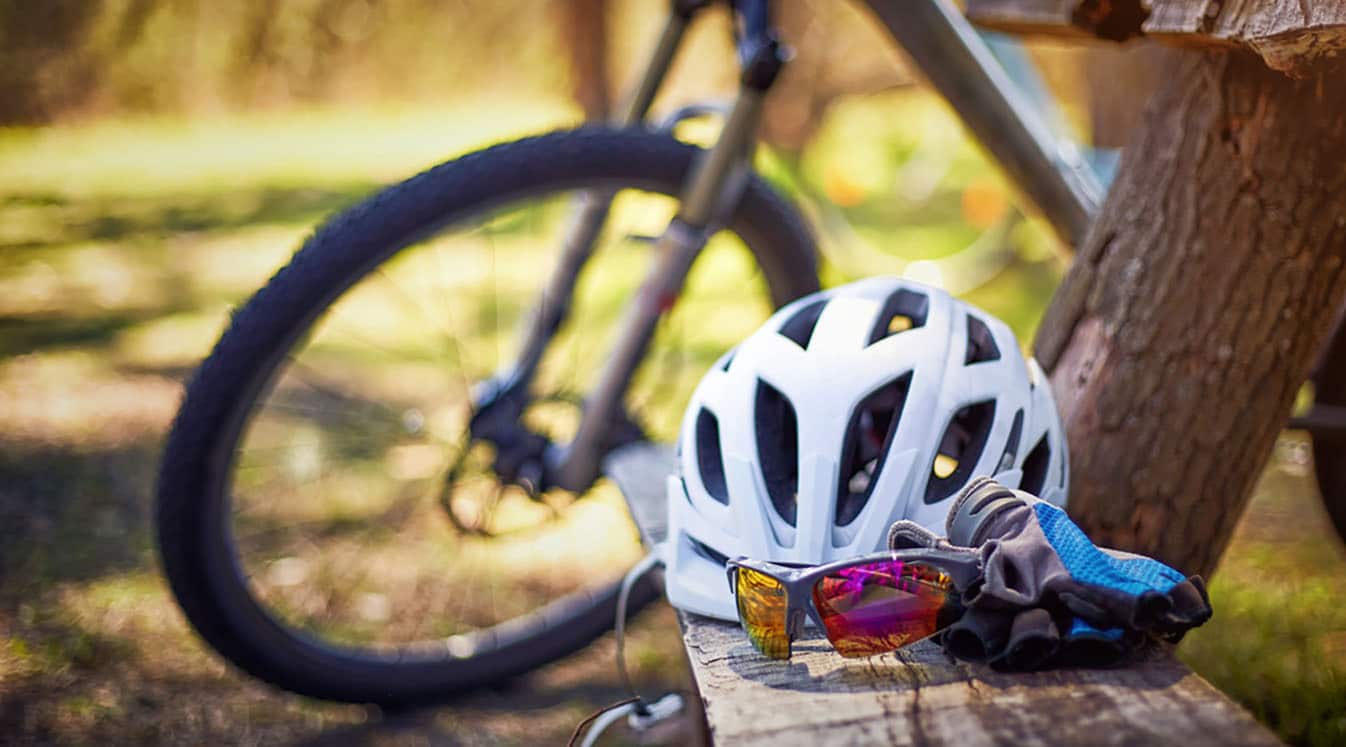
I’ve learned a few practical rules on the trail:
- Never choose style over protection; I once picked a trendy road lid for a ride and regretted it after a hard fall.
- Always replace a helmet after any crash, even if damage isn’t obvious.
- Try helmets in person. Online photos can hide rear coverage differences.
Common mistakes:
- Thinking ventilation beats protection for any ride. Ventilation is important, but protection must come first.
- Reusing a helmet that’s 10+ years old. Materials degrade; check manufacturer life recommendations.

Frequently Asked Questions of can i use road bike helmet for mtb
Is it legal to use a road helmet for mountain biking?
Yes, it is legal in most places to use any certified helmet, but local race rules may require a specific type for events. Always follow event or park rules when riding.
How many times can you crash before replacing a helmet?
Replace a helmet after any significant impact or if it shows visible cracks. Even without visible damage, manufacturers often recommend replacing helmets every 3–5 years.
Does a visor really matter on the trail?
Yes, visors help shield sun and keep branches or mud out of your eyes, improving safety and focus while riding.
Are there hybrid helmets for both road and MTB?
Yes, some helmets blend road ventilation with extra coverage and removable visors for mixed riding. They work well for riders who switch between surfaces.
Can I add a chin guard to a road helmet?
No, chin guards are integrated into full-face or modular helmets; you can’t safely retrofit a chin guard to a road helmet.
Conclusion
Using a road helmet for MTB depends on the trail and your risk tolerance. For smooth, easy rides a road helmet can be acceptable, but for technical or high-speed mountain biking, an MTB-specific helmet is the safer choice. Match helmet features to the terrain, prioritize fit and safety standards, and replace helmets after impacts or with age. Take one step today: evaluate your next ride and choose the helmet that fits both your comfort and protection needs. Share your experiences or questions below, or subscribe for more gear guides and real-world tips.
