
Are Dirt Bike Helmets Safe For Road Use: Road-Safe Tips

Yes, many dirt bike helmets can be safe for road use when they meet the right standards and fit well.
I write about helmets from years on trails and streets. I have tested dirt bike helmets in city traffic and on long rides. This guide explains when and how dirt helmets are safe for road use. I will cover safety rules, standards, fit tips, legal points, and real-world advice so you can choose with confidence.

Safety and standards you need to know
When asking "are dirt bike helmets safe for road use," the first stop is standards. Helmets that meet DOT, ECE, or similar certifications are built to handle road crash forces. Dirt-specific helmets may be designed for different impact points. That matters when you ride on pavement.
Many dirt helmets are now sold with DOT or ECE certification. A certified dirt helmet can be as safe as a street helmet for many riders. Still, certification alone does not guarantee the best protection for road crashes. Fit, age of the helmet, and helmet condition matter a lot.
Common quick questions (PAA-style)
Do dirt bike helmets meet DOT standards?
Some do. Many manufacturers certify certain dirt models to DOT or ECE. Always check the label or product page.
Will a dirt helmet protect in a high-speed road crash?
It helps, but protection depends on the helmet's design and certification. Road impacts often involve different forces than off-road falls.
Can I add a DOT sticker to make a helmet road-legal?
No. A DOT sticker should reflect actual testing. Adding stickers without certification is illegal and unsafe.
How helmet design affects road safety
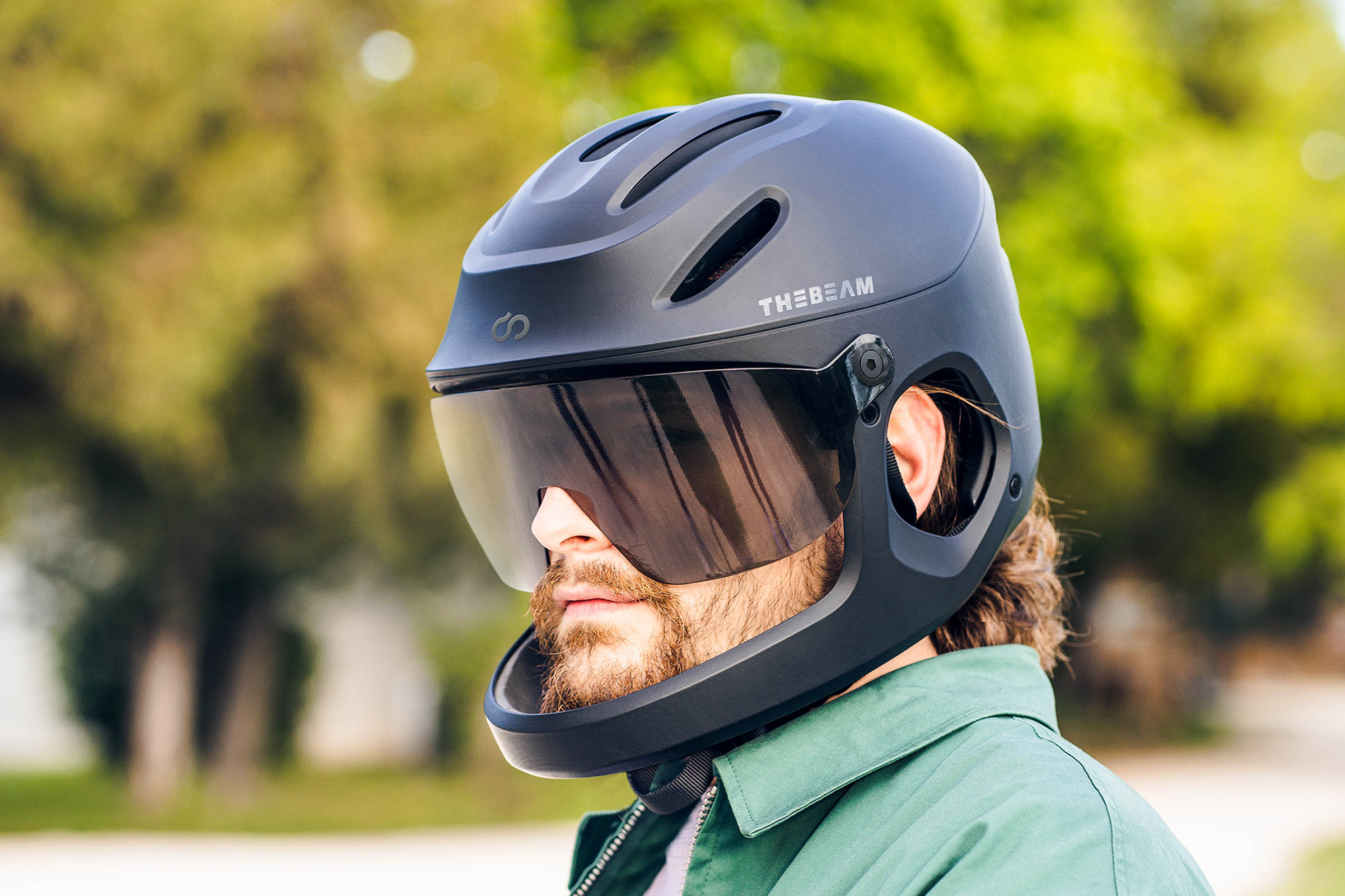
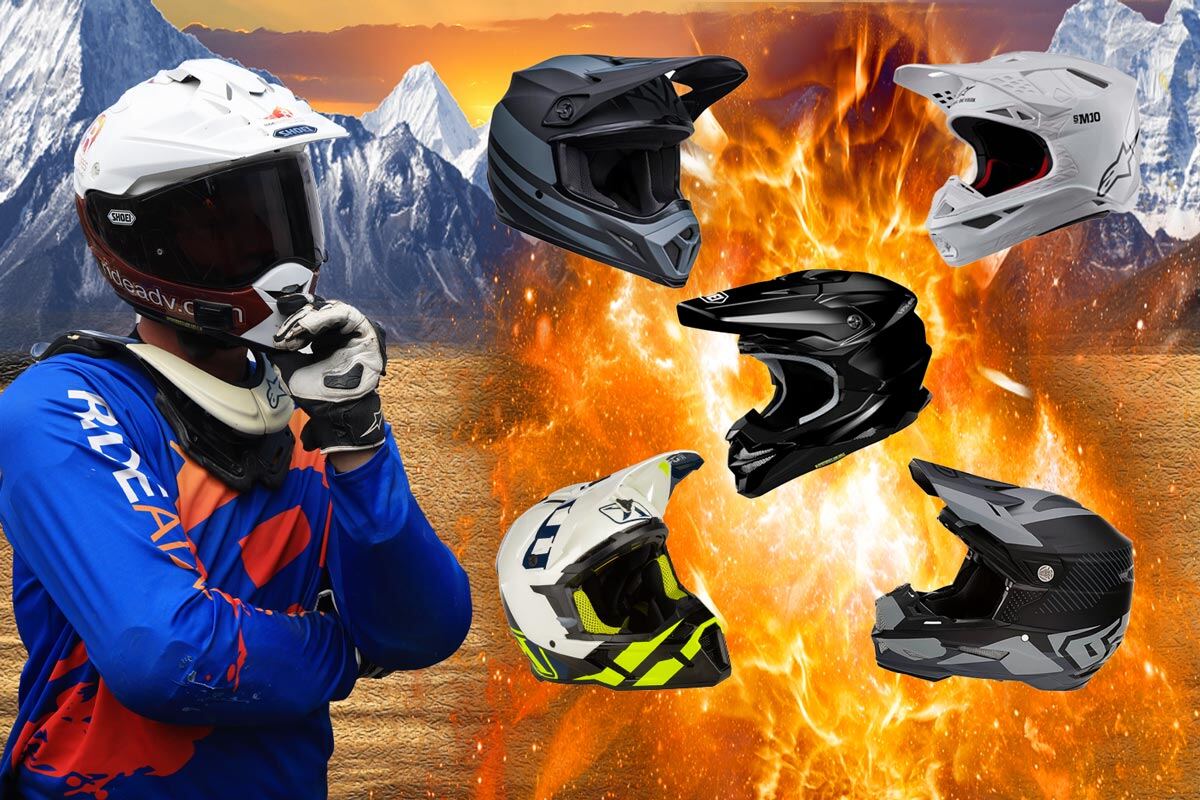
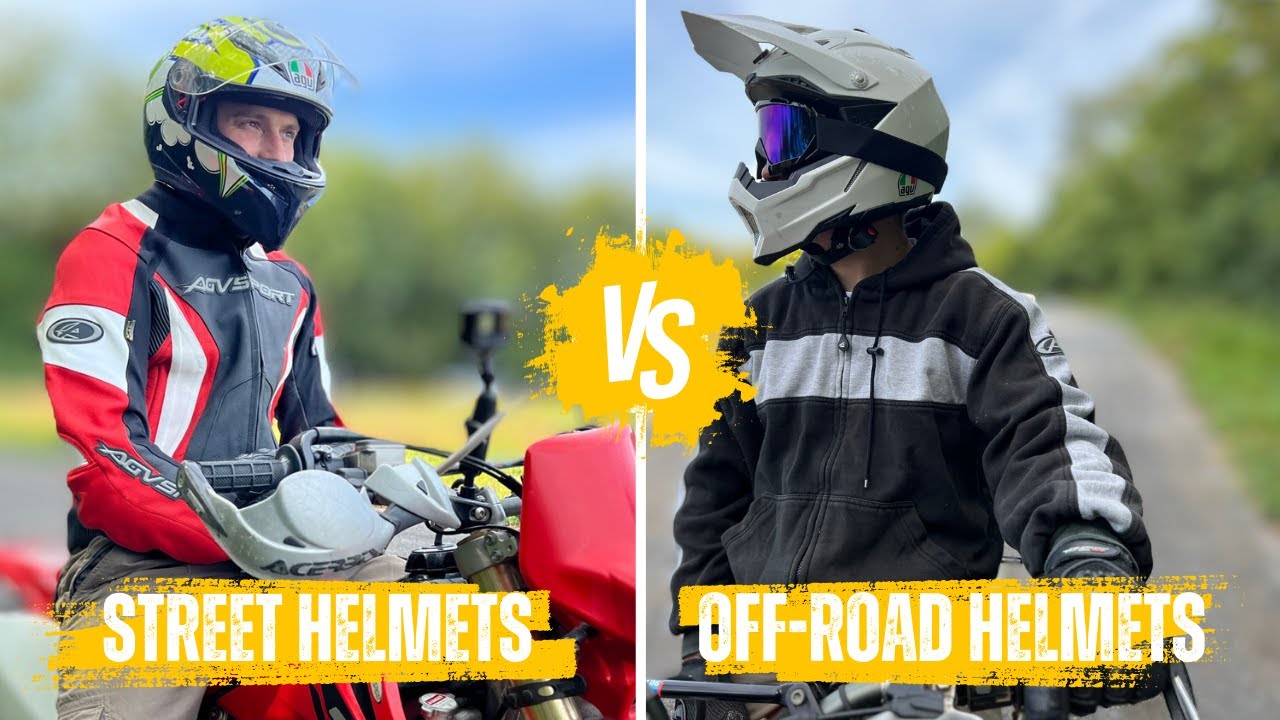
Dirt helmets use a tall visor and extra venting. They often have a longer chin bar for off-road breathing. Street helmets put more focus on wind noise, face shield fit, and flat impact protection. These design differences affect road safety.
Key design points to check:
- Shell shape and coverage. A rounder shell manages glancing blows better on pavement.
- Chin bar strength. Road slides often hit the front and chin area.
- Visor and face shield. Clear, scratch-free shields reduce glare and wind splash.
- Venting and padding. Good fit keeps the helmet from moving in a crash.
When you consider "are dirt bike helmets safe for road use," weigh how the helmet handles linear and rotational forces. Modern designs try to balance both.

Legal and insurance considerations
Laws on wearing helmets vary by state and country. Many places require DOT or ECE certified helmets for road use. If your dirt helmet is uncertified, you may risk fines or denied claims after a crash. Insurance companies look at helmet compliance when processing claims.
If you plan to use a dirt helmet on public roads, confirm local rules first. Keep receipts and certification info handy. If you are unsure, call your insurer and ask if your helmet model is acceptable.

Practical tips for using a dirt bike helmet on the road
If you choose to use a dirt helmet for street riding, follow these tips for safety and comfort:
- Check certification. Use only DOT/ECE/Snell-certified helmets for road riding.
- Fit it properly. The helmet should fit snug without pressure points.
- Replace visor with a clear shield if possible. A proper face shield improves wind protection and visibility.
- Secure the peak. Remove or adjust peaks that cause buffeting at speed.
- Add anti-fog and anti-scratch coatings. They help in rain and long rides.
- Maintain the helmet. Replace after any crash or after 5–7 years of use.
From my experience, swapping to a clear face shield and tightening liners made an off-road helmet much better for highway miles. I also learned to avoid loose peaks. They can make noise and lift at higher speeds.

Comparing dirt bike helmets vs road helmets
Here are direct comparisons to help answer "are dirt bike helmets safe for road use":
- Protection focus. Dirt helmets focus on lightweight and ventilation. Road helmets focus on wind stability and long-duration comfort.
- Visor type. Dirt helmets often use goggles or open-face visors. Road helmets use sealed face shields for debris and wind.
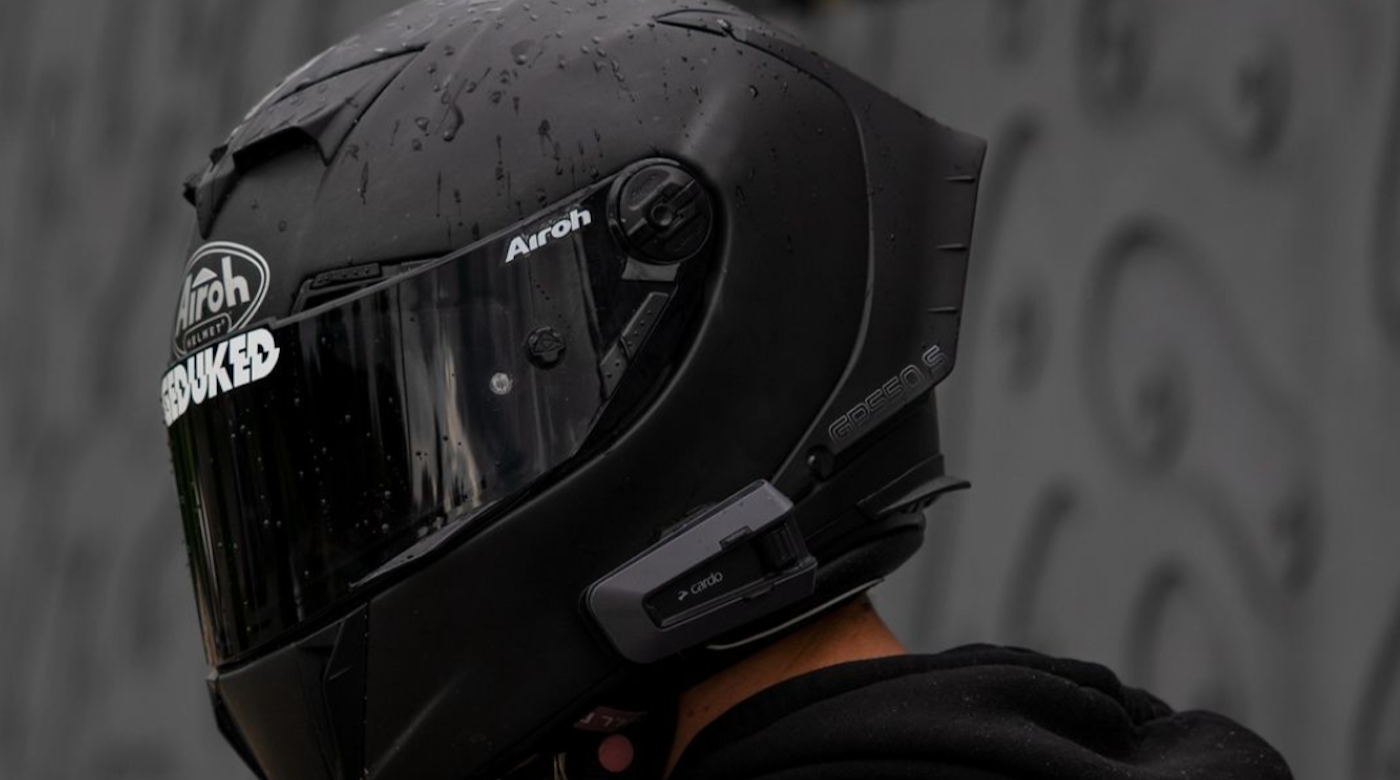
- Noise and aerodynamics. Road helmets are tuned for less wind noise and better aero at high speed.
- Certification variants. Both types can be certified, but check if the dirt model lists road standards.
If you ride slowly and locally, a certified dirt helmet can work fine. For long highway rides at high speed, a purpose-built road helmet often gives better comfort and aero stability.
Real-world examples and lessons learned
I once used a certified dirt helmet on a long mixed trip. The helmet protected well in a low-side slide. It felt drafty and noisy after two hours. I swapped to a street helmet for multi-hour highway runs. Key lessons:
- Match helmet to the trip type. Short mixed rides: a certified dirt helmet can be fine. Long highway runs: choose a road helmet.
- Fit beats brand. A well-fitting dirt helmet beats a poorly fitting road helmet every time.
- Keep backups. I carry a clear shield and a neck warmer for road use in colder weather.
These small moves improved safety and comfort quickly. They are simple and low cost.
Final verdict: are dirt bike helmets safe for road use?
Yes, dirt bike helmets can be safe for road use when they meet recognized standards and fit well. The phrase "are dirt bike helmets safe for road use" has two clear answers depending on context. If the helmet is DOT or ECE certified, in good shape, and fits properly, it can protect you on the road. If the helmet is uncertified or designed only for low-speed trails, it may leave gaps in protection for highway crashes. Choose based on certification, condition, design features, and the type of riding you do.
Frequently Asked Questions of are dirt bike helmets safe for road use
Are dirt bike helmets legal for road use?
Laws vary by place. Many jurisdictions require DOT or ECE certification for road use, so check local rules.
How can I tell if my dirt helmet is certified?
Look for a DOT, ECE, or Snell label inside the helmet. Manufacturer info and user manuals also list certifications.
Should I remove the peak for highway riding?
Yes, peaks can cause buffeting at high speed. Remove or secure the peak for stable airflow on highways.
Do dirt helmets protect against rotational forces?
Some modern dirt helmets include tech to reduce rotational forces. Check product specs for MIPS or similar systems.
When should I replace my dirt helmet for road riding?
Replace after any crash or if the helmet is older than 5–7 years. Also replace if padding is degraded or shell is cracked.
Conclusion
Dirt bike helmets can serve well on roads when they meet standards, fit correctly, and are used with the right gear. Make choices based on certification, design, and the kind of riding you do. Try a short road ride with the dirt helmet first. If it feels unstable or noisy, switch to a road model. Stay safe, check your helmet often, and share your experience in the comments to help others.

