
Are There Any Recalls on 2016 Ford F150

Yes, the 2016 Ford F-150 has had several official safety recalls and service campaigns. These range from transmission and electrical issues to airbag and suspension concerns. It is critically important for every owner to check their specific vehicle’s recall status using its VIN, as not all trucks are affected by every campaign. Recalls are repaired free of charge at authorized Ford dealerships, so addressing them promptly is a key safety and maintenance responsibility.
Key Takeaways
- Multiple Recalls Exist: The 2016 F-150 has numerous NHTSA-mandated recalls covering critical systems like the 6-speed transmission, electrical wiring, and airbags.
- VIN is Your Key: Your truck’s unique Vehicle Identification Number (VIN) is the only way to determine which specific recalls apply to your individual vehicle.
- Free Repairs at Dealers: All recall-related repairs and part replacements are performed free of charge by authorized Ford dealerships.
- Don’t Ignore Notification: Ford will mail recall notices to registered owners, but you should proactively check regularly, as notifications can be missed.
- Safety First: Some recalls, like those for transmission or airbags, pose serious safety risks and should be addressed immediately upon confirmation.
- Check History Before Buying: If purchasing a used 2016 F-150, always run a VIN check to see if all recalls have been completed.
- Recalls vs. TSBs: Understand that Technical Service Bulletins (TSBs) are not recalls; they are dealer repair guides for known issues without a safety mandate.
📑 Table of Contents
- Introduction: Why Recall Information is Non-Negotiable for Your 2016 F-150
- The Major Recall Landscape for the 2016 Ford F-150
- How to Perform a 100% Accurate Recall Check on Your 2016 F-150
- What to Do If Your 2016 F-150 is Under Recall: A Owner’s Action Plan
- Owner Responsibilities: Staying Proactive Beyond the Recall Letter
- Conclusion: Your 2016 F-150 is a Tool—Keep it Sharp and Safe
Introduction: Why Recall Information is Non-Negotiable for Your 2016 F-150
So, you own or are considering a 2016 Ford F-150. That’s a fantastic choice. The 2016 model year represented a high point for the F-150’s blend of capability, technology, and aluminum-body innovation. But here’s a crucial reality check: no vehicle, not even a best-seller like the F-150, is immune from the need for factory-led corrections. The question “Are there any recalls on a 2016 Ford F150?” isn’t just curiosity—it’s a fundamental part of responsible ownership. Ignoring recall information is like knowingly driving with a hidden time bomb in your truck. This article is your definitive, no-nonsense guide to every recall and service campaign that has touched the 2016 F-150. We’ll break down what each one means, how to find out if your truck is affected, and exactly what you need to do next. Your safety, your truck’s longevity, and your wallet depend on this information.
The Major Recall Landscape for the 2016 Ford F-150
When we talk about “recalls,” we’re referring to directives from the National Highway Traffic Safety Administration (NHTSA) that mandate Ford to fix a safety-related defect or non-compliance with federal standards at no cost to the owner. The 2016 F-150 has been subject to a significant number of these over the years. It’s important to remember that a recall being issued for a model year does not mean every single truck built is affected. Ford identifies specific production ranges, VIN numbers, or component batches. Let’s dive into the most significant and common recall categories that have impacted these trucks.
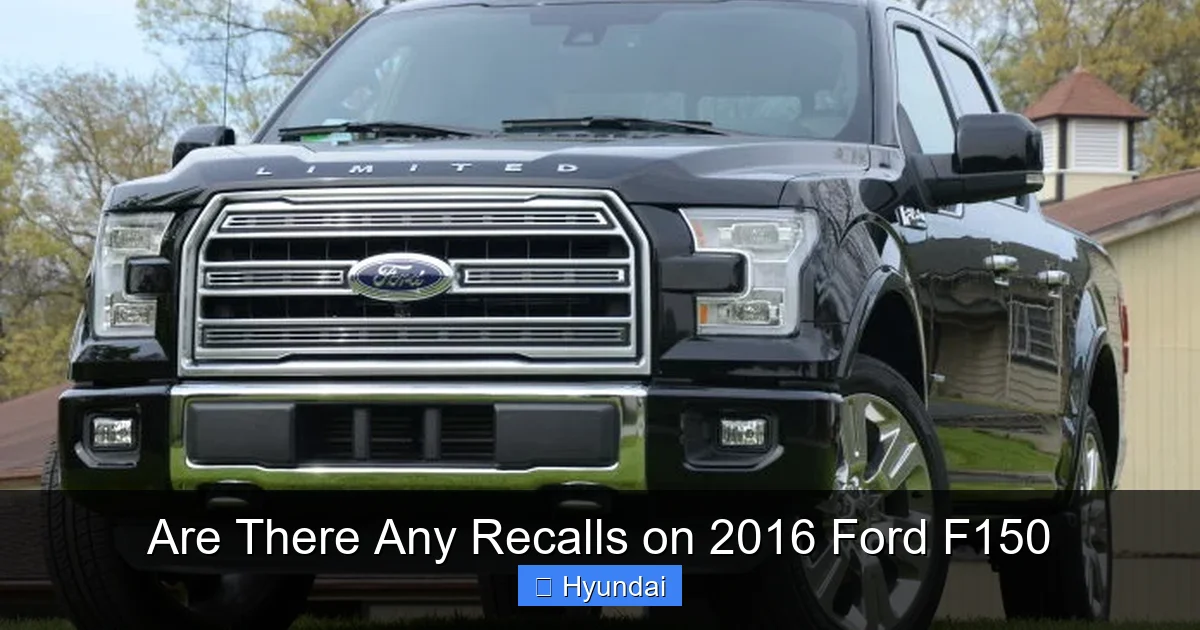
Visual guide about Are There Any Recalls on 2016 Ford F150
Image source: torquenews.com
Powertrain & Transmission Recalls
This has been one of the most prominent areas for the 2016 F-150, particularly concerning the widely used 6-speed automatic transmission (the 6R80). The most notable recall addressed a serious issue where the transmission could lose its ability to shift into or out of neutral. Imagine being unable to move your truck from park, or worse, being unable to shift into park to secure it. This was typically caused by a defective transmission range sensor. Ford’s solution involved replacing the sensor and updating the powertrain control module software. Owners reported symptoms like a “Check Engine” light, erratic shift patterns, or a complete inability to shift gears. This recall underscores why monitoring your truck’s behavior is so important.
Another related service campaign, while not always a formal NHTSA safety recall, addressed extended cranking times or no-start conditions, often traced to issues with the transmission’s ability to properly communicate its gear position. These powertrain issues highlight the complexity of modern drivetrains and the importance of addressing any shift-related warning lights or odd behaviors immediately.
Electrical System & Wiring Harness Recalls
The 2016 F-150’s advanced electrical architecture, supporting everything from its infotainment system to trailer tow modules, has been the source of several recalls. One major recall involved the battery cable assembly. In certain trucks, the cable’s insulation could be damaged during assembly, potentially leading to a short circuit, fire risk, or a complete loss of electrical power while driving. This is a classic example of a manufacturing defect that only affects a specific batch of vehicles built during a certain window.
Other electrical campaigns have focused on the trailer tow module and specific wiring connectors. Faulty connections here could cause trailer lights to malfunction—a huge safety hazard on the road—or disable critical safety systems like the trailer sway control. If you use your F-150 for towing, checking for these specific recalls is absolutely essential. For those experiencing general electrical gremlins, it’s also worth investigating if a Technical Service Bulletin (TSB) exists, as these often provide dealer-level fixes for non-recall issues.
Airbag and Seat Belt Recalls
No recall category strikes more fear into drivers than airbags. The 2016 F-150 was not caught in the massive Takata airbag inflator recall that plagued many brands, but it has had its own airbag-related campaigns. One significant recall addressed the front passenger airbag. The issue involved a potential break in the airbag’s wiring harness, which could prevent the airbag from deploying in a crash. A malfunctioning airbag is a silent threat, offering no protection when it’s needed most. The warning sign for this issue was typically an illuminated airbag warning light on the dashboard.
Seat belt recalls have also appeared, though less frequently. These often involve the buckle or retractor mechanism failing to latch properly or lock as intended. Your seat belt is your first and last line of defense in an accident, so any recall on this system must be taken with the utmost seriousness. Always heed an airbag or seat belt warning light and get the system scanned immediately.
Steering, Suspension, and Brake Recalls
The F-150’s capability puts immense stress on its steering and suspension components. A recall that gained attention involved the front stabilizer bar links. In some trucks, the links could fracture, leading to a loss of steering control and a significant crash risk. Drivers might have noticed clunking noises over bumps or a vague, disconnected feeling in the steering before a complete failure.
Brake-related recalls have also been issued. One campaign targeted the brake vacuum pump, which could fail, making the brake pedal much harder to press and dramatically increasing stopping distances. This is a terrifying experience for any driver. Another recall addressed potential corrosion of the brake lines, which could lead to a fluid leak and brake failure. If you experience a spongy brake pedal, a warning light, or notice brake fluid under your truck, you must stop driving and have it towed to a dealer immediately. For ongoing brake performance, upgrading to high-quality components can be wise; you can research the best brake pads for a 2016 Ford F-150 for improved longevity and stopping power after any recall work is done.
How to Perform a 100% Accurate Recall Check on Your 2016 F-150
Now that you know the landscape, how do you find out for sure if *your* truck has an open recall? Guesswork doesn’t cut it. You need a precise, VIN-based check. Here is your foolproof, step-by-step process.
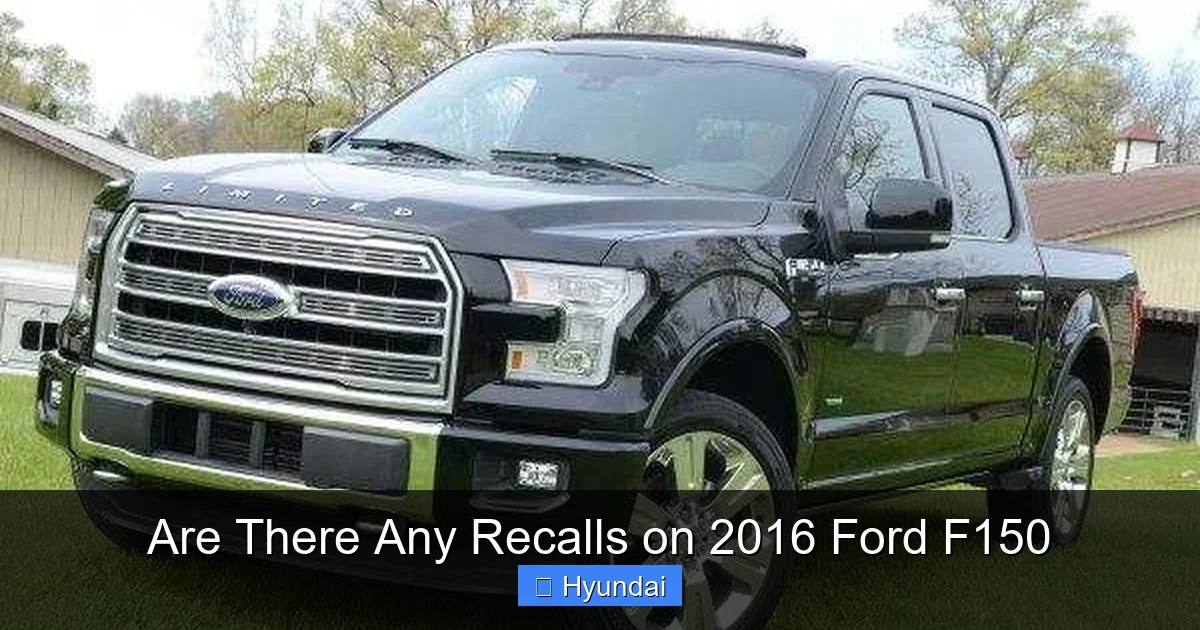
Visual guide about Are There Any Recalls on 2016 Ford F150
Image source: torquenews.com
Step 1: Locate Your Vehicle Identification Number (VIN)
Your VIN is a 17-character alphanumeric code unique to your truck. You can find it in several places:
- On the driver’s side dashboard, visible through the windshield.
- On the driver’s side door pillar (the B-pillar) when you open the door.
- On your vehicle registration and insurance card.
- In the truck’s infotainment system settings menu under “Vehicle Info” or similar.
Write this number down exactly as it appears. No spaces, no mistakes.
Step 2: Use the Official NHTSA Recall Lookup Tool
The National Highway Traffic Safety Administration operates the most authoritative free recall database. Go to nhtsa.gov/recalls. Enter your full 17-digit VIN and submit. The tool will instantly list any active, incomplete safety recalls for your specific vehicle. It’s a clean, ad-free, official government resource. Do this annually, or anytime you buy a used truck.
Step 3: Cross-Check with Ford’s Owner Portal
Ford also maintains its own recall and service campaign information. Visit ford.com/recalls and enter your VIN. This site may include “Product Safety Recalls” (mandated by NHTSA) as well as “Customer Satisfaction Programs” or “Special Service Messages” (SSMs), which are Ford-initiated fixes for non-safety issues. Checking both sources gives you the complete picture.
Step 4: Contact Your Local Ford Dealer
If the online tools show an open recall, or even if you just have a gut feeling something is wrong, call your local Ford dealer’s service department. Give them your VIN. They can pull up the exact recall history, parts availability, and schedule a repair appointment. They can also check for any outstanding Technical Service Bulletins (TSBs) that might address a nagging, non-recall problem you’re experiencing.
What to Do If Your 2016 F-150 is Under Recall: A Owner’s Action Plan
Finding an open recall can be alarming, but the process from there is straightforward. Here is your action plan.
Visual guide about Are There Any Recalls on 2016 Ford F150
Image source: s1.cdn.autoevolution.com
1. Understand the Recall Details
The recall notice will state what the problem is, which vehicles are affected (by production date or VIN range), and what the remedy is. Is it a part replacement? A software reprogramming? A visual inspection? Knowing the fix helps you understand the time you’ll need to leave your truck at the dealer.
2. Contact the Dealer Immediately
Do not delay. Call the service department. Explain you have an open recall for your VIN and need to schedule a repair. For recalls involving airbags, brakes, or steering, emphasize the safety nature and ask for the earliest possible appointment. Dealerships sometimes prioritize safety-critical recalls.
3. The Repair is FREE
This cannot be stressed enough. If the issue is covered by an official NHTSA recall, Ford pays for all parts and labor. You should never pay a dime for a recall repair. If a dealer tries to charge you for a recall-related fix, ask to speak to the service manager and reference the specific recall number. You can also contact the NHTSA Vehicle Safety Hotline at 888-327-4236.
4. Get a Loaner if Needed
For repairs that take several hours or require the truck for an entire day, ask the dealer about a loaner vehicle. While not guaranteed by law for all recalls, many Ford dealers will provide a loaner for extensive repairs as a customer courtesy. It’s always worth asking, especially if you rely on your truck for work.
5. Keep All Documentation
After the repair, get a detailed invoice from the dealer showing the recall number and that $0.00 was charged. Keep this in your vehicle’s permanent service history folder. If you sell the truck, this proves the recall was completed, which is a major selling point and often a requirement for transferring the title in some states.
Owner Responsibilities: Staying Proactive Beyond the Recall Letter
Relying solely on a mailed recall notice is a passive and risky strategy. Mail gets lost, cars change hands, and notifications can be delayed. As the owner, you have an active role to play in your F-150’s safety and reliability.
Make VIN Checks a Habit
Get in the habit of checking your VIN on the NHTSA website at least once a year, or whenever you get an oil change. It takes two minutes and provides immense peace of mind. Do it for every vehicle in your household.
Heed Your Dashboard Warnings
That “Check Engine” light, airbag light, or ABS light is your truck’s direct communication that something is wrong. While it may not be a recall, it could be related to a known issue with a TSB. Get the diagnostic trouble codes (DTCs) read immediately at a dealer or with a quality scan tool. Ignoring these lights is the single most common way small problems become big, expensive, and dangerous ones.
Understand the Difference: Recall vs. TSB vs. Warranty
A Recall is NHTSA-mandated and free for all affected VINs, regardless of warranty status. A Technical Service Bulletin (TSB) is a “how-to” guide from the manufacturer for dealers to fix a common problem that may not be a safety defect. TSB repairs may be free under an extended warranty or goodwill policy, but not always. A Warranty covers defects in materials or workmanship for a set time/mileage. Know what you’re asking for when you take your truck in.
Don’t Skip Related Maintenance
Recalls fix specific defects. They do not replace regular maintenance. A recall that replaces a transmission sensor doesn’t mean you can skip transmission fluid changes. A recall on brake lines doesn’t mean you should ignore worn brake pads. Use recall repairs as a reminder to stay on top of your truck’s overall service schedule. For example, after addressing any brake-related recall, consider installing premium best brake pads for a 2016 Ford F-150 for optimal performance.
Conclusion: Your 2016 F-150 is a Tool—Keep it Sharp and Safe
The 2016 Ford F-150 remains a capable and popular machine. But its legacy is intertwined with a series of manufacturer-led corrections. Knowing about these recalls isn’t fear-mongering; it’s empowerment. It transforms you from a passive driver into an informed owner. The process is simple: find your VIN, check the official databases, and act on any open recalls without hesitation. The repairs are free, they make your truck safer, and they protect its long-term value. In the world of used trucks, a fully completed recall history is a golden ticket. For the 2016 F-150, that history is available for the taking. Take the five minutes today to check your VIN. It might be the most important five minutes you spend on your truck this year. Drive safe, stay informed, and enjoy the capability of your F-150 with the confidence that comes from knowing its safety systems are fully intact.
Frequently Asked Questions
How do I know if my specific 2016 Ford F150 has a recall?
You must use your vehicle’s unique 17-digit VIN. Enter it on the official NHTSA recall website (nhtsa.gov/recalls) or Ford’s recall page. This will give you a definitive, accurate list of all active recalls for your exact truck.
Will I have to pay for the recall repair on my 2016 F150?
No. All repairs for an official NHTSA safety recall are performed free of charge for parts and labor at any authorized Ford dealership, regardless of your warranty status or how long you’ve owned the truck.
What is the most serious recall for the 2016 Ford F150?
Several are critical. Recalls involving the transmission range sensor (causing loss of gear selection), front stabilizer bar links (risk of fracture and loss of steering), and the brake vacuum pump (hard pedal, long stopping distances) are considered high-risk and should be addressed immediately.
Can I drive my 2016 F150 if it has an open recall?
It depends on the recall. For minor issues, you can likely drive it to the dealer. For serious recalls involving brakes, steering, or airbags, Ford may advise not to drive the vehicle. The recall notice or your dealer will provide specific guidance. When in doubt, have it towed.
What happens if I buy a used 2016 F150 with an open recall?
The new owner is responsible for completing the recall repair. Always perform a VIN check before purchasing a used vehicle. A reputable dealer should disclose and often complete open recalls before sale, but this is not always legally required for private sales. The repair will still be free.
Are all Technical Service Bulletins (TSBs) for the 2016 F150 recalls?
No. TSBs are repair guides for known, non-safety issues. They are not mandatory and are not always free. Only NHTSA-mandated recalls are required to be fixed for free. However, asking a dealer about relevant TSBs when you have a problem can lead to a covered fix under an extended warranty or goodwill policy.
