
Can You Go to Jail for Keying a Car

Keying a car is not just a minor act of vandalism—it’s a serious crime that can lead to jail time, hefty fines, and a permanent criminal record. Depending on the damage and location, penalties range from misdemeanors to felonies, with potential imprisonment of up to several years.
Key Takeaways
- Keying a car is a criminal offense: It’s classified as vandalism or criminal mischief in most jurisdictions and is punishable by law.
- Jail time is possible: Depending on the severity and cost of damage, offenders can face months or even years in jail.
- Fines and restitution are common: Courts often require offenders to pay for repairs, legal fees, and sometimes emotional distress.
- Criminal record consequences: A conviction can affect employment, housing, and travel opportunities long-term.
- Insurance may not cover intentional damage: Most auto insurance policies exclude vandalism caused by the owner or known individuals.
- Prevention is key: Parking in secure areas, using dash cams, and installing alarms can deter vandals.
- Report incidents immediately: Filing a police report helps with insurance claims and increases chances of catching the perpetrator.
📑 Table of Contents
Can You Go to Jail for Keying a Car?
Picture this: You walk out to your car one morning, coffee in hand, ready to start your day—only to find deep, jagged scratches carved into the paint from bumper to bumper. Your heart sinks. That sinking feeling isn’t just about the cost of repairs. It’s also the anger, the violation, and the helplessness that comes with knowing someone deliberately damaged your property.
Now flip the scenario: What if you were the one who did it? Maybe it was a moment of rage after a heated argument with a neighbor or ex-partner. Or perhaps it seemed like a harmless prank at the time. But here’s the hard truth—keying a car isn’t a joke. It’s a criminal act with real, lasting consequences. And yes, you absolutely can go to jail for keying a car.
This article dives deep into the legal, financial, and personal ramifications of car keying. We’ll explore what the law says, how courts handle these cases, and what you can do if you’re either a victim or someone who’s made a regrettable mistake. Whether you’re trying to understand your rights or avoid a legal disaster, this guide will give you the facts you need.
What Is Considered Keying a Car?
Visual guide about Can You Go to Jail for Keying a Car
Image source: blgwins.com
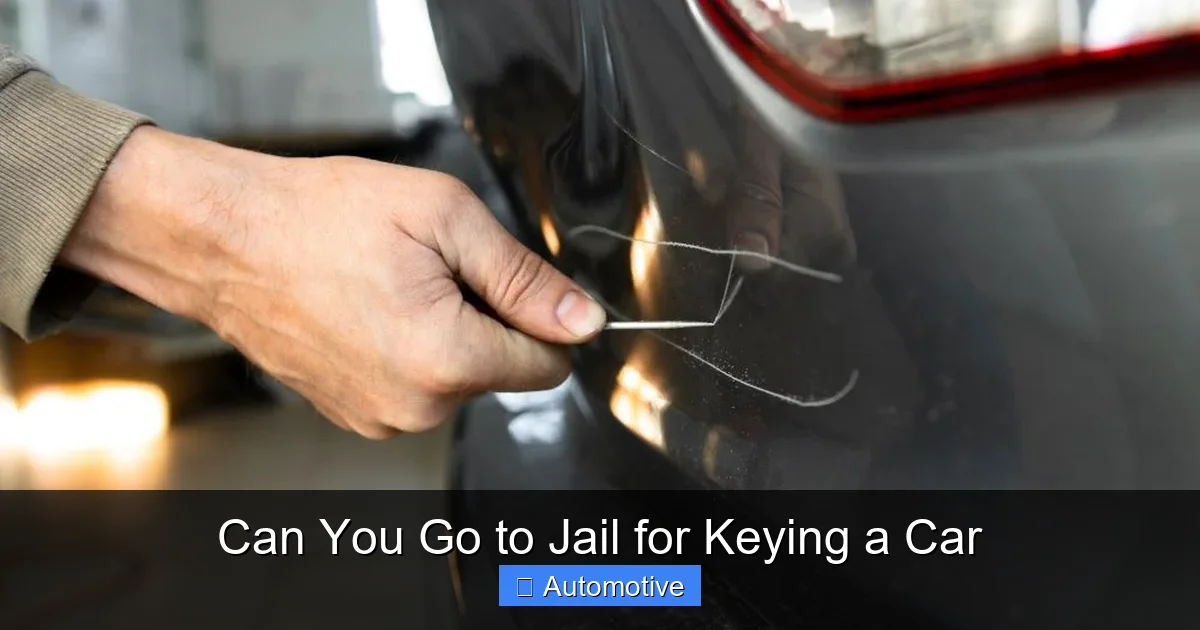
Before we get into the legal consequences, let’s clarify what “keying” actually means. At its core, keying a car refers to the deliberate act of scratching or scoring a vehicle’s paintwork—usually with a key, knife, or another sharp object. But the definition can extend beyond just using a key. Any intentional act that damages a car’s exterior, such as etching, gouging, or using tools to mar the surface, falls under this category.
Common Forms of Car Keying
- Deep scratches: Long, visible lines that penetrate the clear coat and sometimes the base paint.
- Etching: Using acidic substances or tools to write words, symbols, or patterns into the paint.
- Swirl marks: Circular scratches often caused by abrasive materials or improper cleaning—though these are usually accidental, not intentional.
- Multiple panel damage: When vandals target more than one part of the car, such as doors, hood, and trunk.
It’s important to note that keying is not the same as accidental damage. If you scratch someone’s car while parking, that’s negligence—not vandalism. But if you do it on purpose, even in a moment of anger, the law treats it as a criminal act.
Why Do People Key Cars?
People key cars for a variety of reasons, most of which stem from emotional impulses:
- Revenge: After a breakup, argument, or perceived betrayal.
- Jealousy: Envy over someone’s vehicle or lifestyle.
- Boredom or peer pressure: Especially among younger individuals in group settings.
- Road rage: Escalating conflicts that turn destructive.
While these motivations might seem understandable in the heat of the moment, they don’t excuse the behavior. In fact, they often make the situation worse by adding emotional complexity to legal proceedings.
Legal Consequences of Keying a Car
Visual guide about Can You Go to Jail for Keying a Car
Image source: villages-news.com
So, can you go to jail for keying a car? The short answer is yes—but the severity depends on several factors, including the cost of damage, your criminal history, and the laws in your state or country.
In the United States, keying a car is typically prosecuted under laws related to vandalism, criminal mischief, or malicious destruction of property. These charges can range from misdemeanors to felonies.
Misdemeanor vs. Felony Charges
Most first-time offenses with minor damage (under $1,000) are charged as misdemeanors. Penalties may include:
- Up to one year in county jail
- Fines ranging from $500 to $2,000
- Community service
- Probation
- Restitution to the victim (payment for repairs)
However, if the damage exceeds a certain threshold—often $1,000 to $5,000 depending on the state—the charge can escalate to a felony. Felony convictions carry much harsher penalties:
- One to five years in state prison
- Fines up to $10,000 or more
- Permanent criminal record
- Loss of certain civil rights (e.g., voting, gun ownership)
For example, in California, damaging property worth over $400 can result in a felony charge under Penal Code 594. In New York, criminal mischief in the third degree (damage over $250) is a class E felony, punishable by up to four years in prison.
Repeat Offenses and Aggravating Factors
If you’ve been convicted of vandalism before, the court will likely treat the new offense more severely. Repeat offenders may face enhanced sentences, longer jail terms, and stricter probation conditions.
Other aggravating factors that can increase penalties include:
- Targeting a vehicle based on race, religion, or gender (hate crime enhancements)
- Damaging a vehicle while committing another crime (e.g., burglary or assault)
- Causing additional harm, such as breaking windows or slashing tires
- Keying a car in a public or high-traffic area, increasing risk to others
Juvenile Offenders
Minors who key cars are typically handled in juvenile court, where the focus is more on rehabilitation than punishment. However, serious or repeated offenses can result in detention, mandatory counseling, or even transfer to adult court in extreme cases.
Parents may also be held financially responsible for repair costs, especially if the child is under 18 and living at home.
Real-Life Examples and Case Studies
Visual guide about Can You Go to Jail for Keying a Car
Image source: cdn.shopify.com
To understand how these laws play out in real life, let’s look at a few actual cases.
Case 1: The Ex-Partner Revenge
In 2021, a woman in Texas was arrested after keying her ex-boyfriend’s truck following a breakup. Surveillance footage from a neighbor’s camera clearly showed her scratching the vehicle with a set of keys. The damage was estimated at $3,200. She was charged with felony criminal mischief and sentenced to 18 months in prison, three years of probation, and ordered to pay full restitution.
This case highlights how personal relationships don’t protect you from prosecution. Even if the victim “deserved it” in your eyes, the law doesn’t see it that way.
Case 2: The Road Rage Incident
A man in Florida keyed another driver’s car after a near-miss on the highway. The victim recorded the incident on a dash cam and reported it to police. The offender was identified, arrested, and charged with misdemeanor vandalism. He received six months of probation, 100 hours of community service, and had to attend anger management classes.
This example shows that even spontaneous acts of anger can lead to legal trouble—especially when evidence like dash cam footage exists.
Case 3: The Group Vandalism
In a high school parking lot in Ohio, a group of teens keyed multiple cars as a prank. One student’s parent reported the incident after noticing scratches on their SUV. Police investigated and identified three juveniles involved. They were placed in a diversion program, required to perform community service, and had to pay for repairs.
While no one went to jail, the incident had lasting effects—strained relationships, school disciplinary action, and emotional stress for all involved.
These cases illustrate that keying a car isn’t a victimless crime. It affects not only the car owner but also the offender’s future.
Financial and Insurance Implications
Beyond jail time, keying a car can hit your wallet hard—whether you’re the perpetrator or the victim.
Cost of Repairs
The cost to repair keyed paint varies widely based on the extent of damage, the type of vehicle, and labor rates. Minor scratches might cost $200–$500 to fix with touch-up paint and polishing. But deep, widespread keying can require full panel repainting, which can run $1,000–$5,000 or more—especially for luxury or custom vehicles.
For example, repainting a single door on a BMW or Mercedes can cost over $1,500. If multiple panels are affected, the total can easily exceed $5,000.
Insurance Coverage
If you’re the victim, your auto insurance may cover the damage—but only if you have comprehensive coverage. This part of your policy typically covers non-collision events like theft, fire, and vandalism.
However, there are important caveats:
- Deductibles apply: You’ll still pay your deductible (e.g., $500), which may not be worth it for minor damage.
- Rate increases: Filing a claim could raise your premiums, especially if you’ve made other claims recently.
- Exclusions: Some policies exclude intentional acts by people you know (e.g., family members or roommates).
If you’re the one who keyed the car, your insurance will almost certainly not cover the damage—especially if it’s proven to be intentional. In fact, filing a false claim could lead to fraud charges.
Restitution and Civil Lawsuits
Even if criminal charges are dropped or reduced, the victim can still sue you in civil court for damages. This means you could be ordered to pay for:
- Repair costs
- Diminished vehicle value (even after repairs, a keyed car may be worth less)
- Rental car expenses
- Emotional distress (in some cases)
Courts take restitution seriously. Failing to pay can result in wage garnishment, liens on property, or even additional jail time for contempt of court.
How to Protect Your Car from Keying
Prevention is always better than dealing with the aftermath. Here are practical steps you can take to reduce the risk of your car being keyed:
Park Smart
- Choose well-lit, busy areas: Vandals prefer dark, isolated spots.
- Use secure parking: Garages, monitored lots, or gated communities offer better protection.
- Avoid parking near known troublemakers: If you know someone has a grudge, park farther away.
Install Security Measures
- Dash cams with parking mode: These record activity even when the car is off and can capture vandals in action.
- Car alarms and motion sensors: Loud alarms can scare off vandals and alert others.
- Steering wheel locks or tire locks: Visible deterrents that make your car less appealing.
Use Protective Coatings
- Ceramic coatings: These add a hard, protective layer that can reduce the visibility of minor scratches.
- Paint protection film (PPF): A clear, durable film applied to high-risk areas like doors and hoods.
While these won’t stop all damage, they can make repairs easier and less expensive.
Build Good Relationships
Sometimes, the best defense is a good offense—of kindness. Being on good terms with neighbors, coworkers, and community members reduces the chances of someone targeting your car out of spite.
What to Do If Your Car Is Keyed
If you discover your car has been keyed, act quickly:
1. Document the Damage
Take clear photos from multiple angles. Note the time, location, and any potential witnesses.
2. File a Police Report
Even if you don’t expect the culprit to be caught, a police report is essential for insurance claims and legal action.
3. Check for Surveillance
Ask nearby businesses, homes, or traffic cameras if they captured the incident. Dash cam footage from other drivers can also help.
4. Contact Your Insurance Company
Provide the police report and photos. Ask about coverage and next steps.
5. Get Repair Estimates
Visit a reputable auto body shop for a professional assessment. This will help with insurance and restitution claims.
6. Consider Legal Action
If the perpetrator is identified, you may choose to pursue civil damages beyond what insurance covers.
Conclusion
Keying a car might seem like a quick way to express anger or get revenge, but the consequences are far from trivial. You can go to jail for keying a car—especially if the damage is extensive or you have a prior record. Beyond jail time, you could face massive fines, a criminal record, and long-term financial burdens.
For victims, the emotional and financial toll can be significant. But with the right precautions—like parking smart, using security devices, and maintaining good relationships—you can reduce your risk.
At the end of the day, respect for others’ property isn’t just a moral obligation—it’s a legal one. Think twice before acting on impulse. The cost of a moment’s anger could be years of regret.
Frequently Asked Questions
Can you go to jail for keying a car?
Yes, you can go to jail for keying a car. Depending on the damage and your location, it can be charged as a misdemeanor or felony, with jail time ranging from a few months to several years.
Is keying a car a felony?
It can be. If the damage exceeds a certain amount—often $1,000 to $5,000—keying a car may be charged as a felony, especially for repeat offenders or cases involving hate crimes.
Will insurance cover a keyed car?
Only if you have comprehensive coverage and the damage wasn’t caused by someone you know. Even then, deductibles and potential rate increases may apply.
How much does it cost to repair a keyed car?
Repairs can range from $200 for minor scratches to over $5,000 for extensive damage requiring full panel repainting, especially on luxury vehicles.
Can you sue someone for keying your car?
Yes, you can file a civil lawsuit to recover repair costs, diminished value, and other damages—even if criminal charges are dropped.
How can I prevent my car from being keyed?
Park in secure, well-lit areas, install dash cams or alarms, use paint protection films, and maintain positive relationships with those around you to reduce the risk of vandalism.