
Does Car Insurance Cover Scratches?

Car insurance may cover scratches depending on your policy type and how the damage occurred. Comprehensive and collision coverage typically handle scratches from accidents or vandalism, but minor cosmetic damage might not be worth claiming due to deductibles and premium increases.
[FEATURED_IMAGE_PLACEOLDER]
Key Takeaways
- Scratches are covered under comprehensive or collision coverage: If the scratch results from an accident, vandalism, or hitting an object, your policy may pay for repairs—minus your deductible.
- Liability-only policies do not cover scratches: If you only carry state-minimum liability insurance, you’re responsible for all repair costs to your own vehicle.
- Small scratches may not be worth claiming: Filing a claim for minor damage could raise your premiums more than paying out of pocket.
- Document the damage before filing a claim: Take photos, note the time and location, and gather witness info if possible to support your claim.
- Comprehensive coverage handles non-collision scratches: This includes damage from weather, animals, or vandalism—common causes of cosmetic scratches.
- Check your deductible first: If repair costs are close to or less than your deductible, it’s usually better to pay yourself.
- Preventative care reduces scratch risks: Regular washing, waxing, and parking in safe areas can minimize exposure to potential damage.
📑 Table of Contents
Does Car Insurance Cover Scratches? A Complete Guide
You’re walking back to your car after a long day at work, only to spot a fresh, jagged scratch running along the driver’s side door. Your heart sinks. It’s not just unsightly—it could lead to rust, lower resale value, or expensive repairs down the line. The first question that pops into your mind: “Will my car insurance cover this?”
The short answer? It depends. Car insurance doesn’t automatically cover every scratch. Whether or not your policy pays for the damage hinges on several factors: the type of coverage you carry, how the scratch happened, and the cost of repairs compared to your deductible. While some scratches are covered, others aren’t—and even when they are, filing a claim might not always be the smartest move.
In this guide, we’ll walk you through everything you need to know about car insurance and scratches. From understanding your policy types to deciding when it’s worth filing a claim, we’ll help you make informed decisions that protect both your car and your wallet. Whether you’re dealing with a door ding from a parking lot mishap or a deep gouge from a hit-and-run, this article has you covered.
Understanding Your Car Insurance Policy
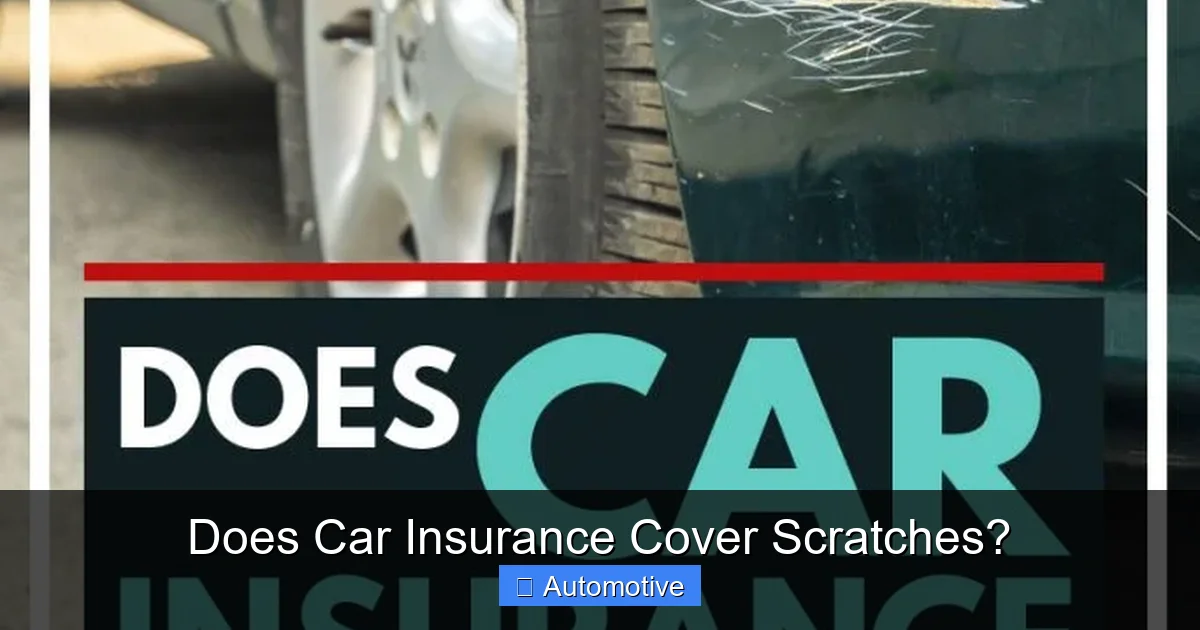
Visual guide about Does Car Insurance Cover Scratches?
Image source: moneymink.com
Before you can determine if your insurance will cover a scratch, you need to understand what your policy actually includes. Most drivers carry a combination of coverage types, but not all of them apply to cosmetic damage like scratches.
At the most basic level, car insurance policies in the U.S. typically include three main types of coverage: liability, collision, and comprehensive. Liability insurance is required in nearly every state and covers damage you cause to other people’s property or injuries you inflict in an accident. However, it does **not** cover damage to your own vehicle—including scratches.
That’s where collision and comprehensive coverage come in. These are optional add-ons (unless required by a lender), but they’re essential if you want protection for your own car.
Collision Coverage: For Accident-Related Scratches
Collision coverage pays for damage to your vehicle when you collide with another car or object—like a guardrail, pole, or even a pothole. If you accidentally scrape your bumper while parallel parking or sideswipe another vehicle, collision coverage may step in to cover the cost of repairing the scratches and dents.
For example, imagine you’re backing out of a tight parking spot and your rear quarter panel grazes a concrete pillar. The resulting scratch is deep enough to expose the metal beneath the paint. Since this damage resulted from a collision with an object, your collision coverage would likely apply—assuming you have it on your policy.
Keep in mind that collision coverage comes with a deductible, usually ranging from $250 to $1,000. You’ll need to pay that amount out of pocket before your insurer covers the rest. So if the repair costs $600 and your deductible is $500, you’ll only receive $100 from your insurer.
Comprehensive Coverage: For Non-Collision Scratches
Comprehensive coverage protects your vehicle from damage caused by events other than collisions. This includes theft, vandalism, falling objects, fire, and even animal encounters. It’s also the coverage that typically handles scratches caused by non-accident incidents.
Let’s say someone keyed your car overnight while it was parked on the street. The long, deliberate scratch across your hood and fender is clearly vandalism. Since this wasn’t a collision, comprehensive coverage would be the one to cover the repairs—again, minus your deductible.
Another common scenario: a tree branch falls on your car during a storm, scratching the roof and trunk. Even though no other vehicle was involved, comprehensive coverage would apply because the damage came from a falling object.
Liability-Only Policies: What’s Not Covered
If you’re driving with only liability insurance—the minimum required in most states—you’re on your own when it comes to scratches on your own vehicle. This type of policy only covers damage you cause to others, not damage to your own car.
For instance, if you accidentally scrape your door against a wall while parking and no other vehicle is involved, liability insurance won’t help. Similarly, if your car is vandalized and you only have liability coverage, you’ll have to pay for repairs yourself.
This is why many financial experts recommend adding at least comprehensive and collision coverage if you own a newer or higher-value vehicle. While it increases your monthly premium, it provides peace of mind knowing you’re protected against a wide range of risks—including cosmetic damage like scratches.
When Does Insurance Cover Scratches?
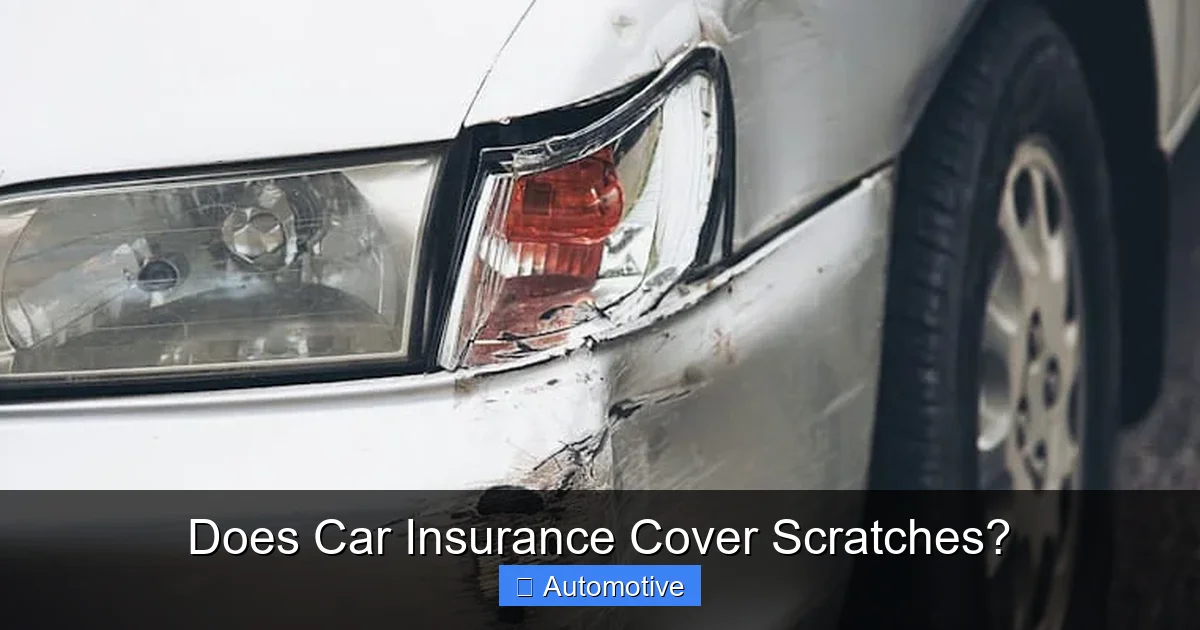
Visual guide about Does Car Insurance Cover Scratches?
Image source: policyhouse.com
Now that you understand the different types of coverage, let’s dive into the specific situations where car insurance will—and won’t—cover scratches.
The key factor is the **cause** of the scratch. Insurance companies don’t care about how ugly the scratch looks; they care about how it happened. If the damage falls under the scope of your policy, you’re likely covered. If not, you’re paying out of pocket.
Accidents and Collisions
If your car is scratched during an accident—whether it’s a fender bender, a sideswipe, or a parking lot mishap—your collision coverage should apply. This includes scratches caused by:
– Hitting another vehicle
– Scraping against a wall, pole, or curb
– Rolling into a ditch or over a rock
– Being hit by another driver (if they’re at fault and have insurance)
In these cases, you can file a claim with your own insurer (if you have collision coverage) or with the at-fault driver’s insurer. If the other driver is responsible and has liability coverage, their policy should pay for your repairs—including scratches—up to their policy limits.
For example, suppose another driver rear-ends you at a stoplight, causing a scratch and dent on your bumper. You can file a claim with their insurance company, and they should cover the cost of repairs. If they’re uninsured or underinsured, and you have uninsured motorist coverage, that may also help.
Vandalism and Intentional Damage
Deliberate acts of vandalism—like keying, graffiti, or slashed tires—are typically covered under comprehensive insurance. These are considered “acts of malice” and fall outside the scope of collision coverage.
If you come back to your car and find deep scratches from a key or tool, comprehensive coverage should pay for the repairs. However, you’ll still need to pay your deductible.
One important note: if the vandalism occurs on private property (like your driveway), your homeowner’s or renter’s insurance might also offer some coverage. It’s worth checking both policies to see which one provides better protection.
Weather and Environmental Damage
Scratches caused by natural events are usually covered under comprehensive insurance. This includes:
– Hailstorms that leave dents and surface scratches
– Falling tree branches or debris
– Wind-blown objects (like signs or trash cans)
– Flooding that causes corrosion or paint damage
For instance, during a severe thunderstorm, a large branch breaks off a tree and lands on your car, scratching the hood and windshield. Since this is weather-related damage, comprehensive coverage would apply.
Even something like sand or salt spray from winter roads can cause fine scratches over time. While these are usually considered wear and tear (and not covered), sudden, severe exposure—like being caught in a sandstorm—might qualify if it causes immediate, noticeable damage.
Animal Encounters
Hitting an animal—like a deer—is a classic example of comprehensive coverage in action. But animals can also cause scratches in other ways.
Imagine a raccoon climbing onto your car overnight and scratching the paint with its claws. Or a bird repeatedly landing on your hood and leaving behind acidic droppings that etch the clear coat. While these are less common, they can still result in cosmetic damage.
In most cases, comprehensive coverage will handle repairs if the damage is significant and directly caused by an animal. However, minor wear from everyday exposure (like bird droppings or tree sap) may be considered maintenance and not covered.
When Insurance Won’t Cover Scratches
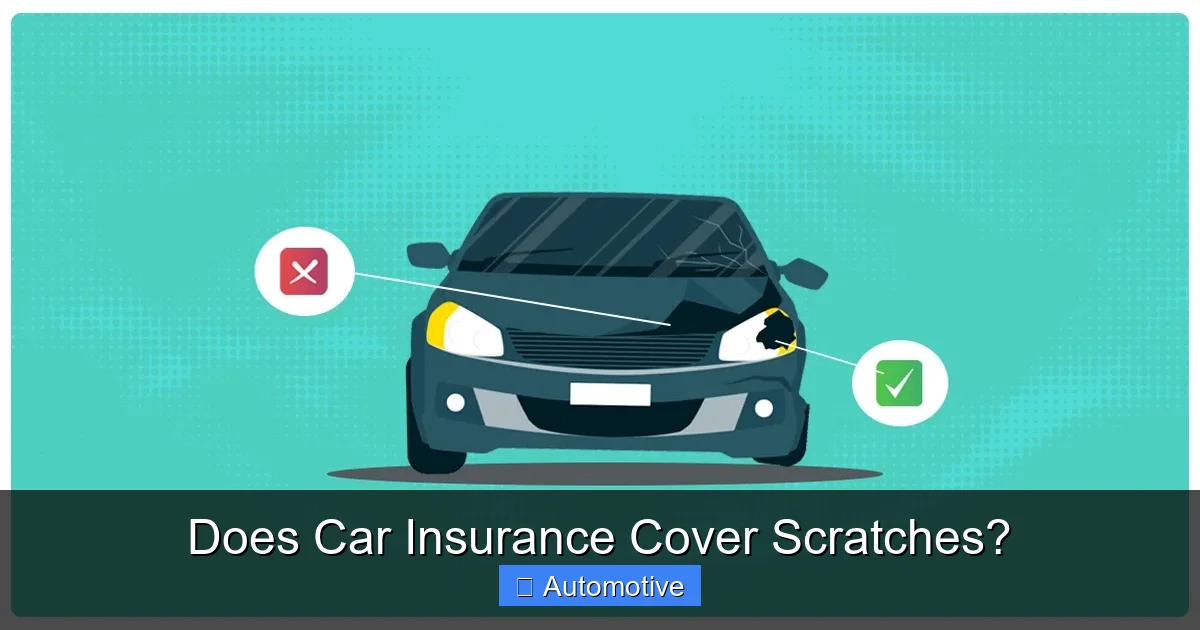
Visual guide about Does Car Insurance Cover Scratches?
Image source: lookinsure.com
Just as important as knowing when insurance covers scratches is understanding when it doesn’t. There are several scenarios where you’ll likely be on the hook for repairs—even if you have full coverage.
Wear and Tear
Insurance is designed to cover sudden, unexpected events—not gradual deterioration. Scratches that result from normal use, aging, or lack of maintenance are generally not covered.
For example, if your car’s paint is fading and fine scratches have built up over years of sun exposure and improper washing, that’s considered wear and tear. Similarly, if you frequently drive on gravel roads and your paint is chipped and scratched from flying stones, insurers may deny the claim, calling it “expected damage.”
Parking Lot Dings and Minor Scrapes
Small door dings from other cars in parking lots are a common source of frustration. But unless the damage is extensive or part of a larger accident, insurers often consider these minor and not worth covering.
If the scratch is shallow, doesn’t expose metal, and can be buffed out for under $200, it’s unlikely your insurer will pay—especially after you factor in the deductible. Plus, filing a claim for such a small amount could increase your premiums.
Unknown Causes (Mystery Scratches)
Sometimes, you find a scratch and have no idea how it got there. Maybe you parked in a safe garage, but woke up to a fresh mark on your door. If you can’t prove the cause—and it doesn’t clearly fall under vandalism or an accident—your insurer may deny the claim.
Without evidence of how the damage occurred, it’s hard to assign responsibility. Insurers need to determine whether the scratch was accidental, intentional, or due to an insured event. If you can’t provide that, they may classify it as “unknown origin” and refuse coverage.
Pre-Existing Damage
If your car already had scratches or paint damage before the incident you’re claiming, the insurer may only cover the new damage—or deny the claim entirely if they believe the scratch was pre-existing.
This is why it’s important to document your vehicle’s condition regularly. Taking photos of your car from multiple angles every few months can help prove what damage was new.
Should You File a Claim for a Scratch?
Even if your insurance covers the scratch, filing a claim isn’t always the best financial decision. Here’s how to decide whether it’s worth it.
Compare Repair Costs to Your Deductible
The first step is to get an estimate from a trusted body shop. If the repair cost is less than or only slightly more than your deductible, it’s usually better to pay out of pocket.
For example, if your deductible is $500 and the repair quote is $600, you’ll only receive $100 from your insurer. Plus, filing the claim could raise your premiums by 10–20% for the next three to five years. Over time, those increased payments could cost you hundreds—or even thousands—more than the repair itself.
Consider the Impact on Your Premiums
Every claim you file can affect your insurance rates. Even if the scratch wasn’t your fault, some insurers still count it as a “claim event” that increases your risk profile.
If you’ve had multiple claims in the past few years, adding another one—even for a small scratch—could trigger a significant rate hike. In some cases, it might even lead to non-renewal of your policy.
Ask your insurer about their “forgiveness” policies. Some companies offer accident forgiveness for your first claim, which prevents your rates from increasing. But this usually applies to at-fault accidents, not comprehensive claims like vandalism.
Evaluate the Severity of the Damage
Not all scratches are created equal. A shallow surface scratch that only affects the clear coat can often be polished out for under $100. But a deep scratch that exposes metal or damages the primer may require repainting the entire panel—costing $500 or more.
If the damage is cosmetic and doesn’t threaten the structural integrity or longevity of your vehicle, you might choose to live with it—especially if your car is older or has high mileage.
On the other hand, if the scratch is deep and located in a high-moisture area (like near the wheel well or door seam), it could lead to rust. In that case, repairing it sooner rather than later is wise—even if you pay out of pocket.
Weigh the Risk of Rate Increases
Insurance companies use complex algorithms to determine premiums. Filing a claim—even for a small scratch—can signal increased risk, leading to higher rates.
Ask your agent: “Will this claim affect my premium?” Some insurers are transparent about how claims impact pricing. Others may not give a clear answer.
If you’re unsure, consider getting quotes from other companies before filing. Sometimes, switching insurers after a claim can save you money in the long run.
How to File a Claim for a Scratch
If you decide to file a claim, here’s what to do to ensure a smooth process.
Document the Damage
Take clear, well-lit photos of the scratch from multiple angles. Include close-ups of the damage and wider shots that show the location on the vehicle. If possible, take pictures in natural daylight.
Note the date, time, and location where the damage occurred. If it happened in a parking lot, check for security cameras. If it was vandalism, file a police report—this strengthens your claim.
Contact Your Insurance Company
Call your insurer as soon as possible. Most companies have 24/7 claim lines. Provide them with the details: what happened, when, where, and how the scratch occurred.
They’ll assign you a claims adjuster who will review your case. You may need to bring your car to a repair shop for an inspection or send photos for remote assessment.
Get Repair Estimates
Your insurer may require you to get estimates from approved repair shops. Some companies have direct repair programs (DRPs) with preferred shops that streamline the process.
Compare quotes to ensure you’re getting a fair price. If the estimate seems low, ask for a detailed breakdown of labor and materials.
Pay Your Deductible and Get Repaired
Once the claim is approved, you’ll pay your deductible (either to the repair shop or directly to your insurer). The shop will then begin repairs.
After the work is done, inspect the vehicle to make sure the scratch is properly repaired and the paint matches. If you’re not satisfied, contact your insurer or the shop to resolve the issue.
Tips to Prevent Scratches and Protect Your Car
While insurance can help after the fact, prevention is always better than repair. Here are some practical tips to reduce your risk of scratches.
Park Smart
Choose parking spots away from high-traffic areas. Avoid tight spaces between large vehicles, and steer clear of shopping cart zones. If possible, park in a garage or covered area.
Use parking aids like sensors or cameras to help you avoid curbs and obstacles.
Wash and Wax Regularly
Dirt, sand, and road grime can act like sandpaper on your paint. Washing your car every two weeks helps remove abrasive particles.
Apply a quality wax or ceramic coating every three to six months. These create a protective barrier that reduces the risk of scratches and makes cleaning easier.
Use Paint Protection Film (PPF)
Also known as “clear bra,” PPF is a transparent film applied to high-risk areas like the hood, fenders, and mirrors. It absorbs impacts from rocks and debris, preventing scratches.
While it costs $1,000–$3,000 for full coverage, it’s a worthwhile investment for new or luxury vehicles.
Avoid Automatic Car Washes
Brush-style car washes can trap dirt and drag it across your paint, causing swirl marks and fine scratches. Opt for touchless washes or hand washing with a microfiber mitt.
If you hand wash, use the two-bucket method: one for soapy water, one for rinsing your mitt to avoid reintroducing dirt.
Be Mindful of Passengers and Cargo
Remind passengers to be careful when opening doors. A swinging door can easily scratch a neighboring car.
When loading luggage or gear, use soft pads or blankets to protect the paint. Avoid dragging heavy items across the trunk or roof.
Conclusion
So, does car insurance cover scratches? The answer is: it depends. If the scratch results from an accident, vandalism, or a covered event like a storm or animal encounter, your comprehensive or collision coverage may pay for repairs—minus your deductible. But if the damage is due to wear and tear, minor parking dings, or unknown causes, you’ll likely be paying out of pocket.
Before filing a claim, weigh the cost of repairs against your deductible and consider the potential impact on your premiums. For small scratches, it’s often smarter to handle the repair yourself. For deeper damage or incidents involving vandalism, insurance can be a valuable safety net.
The best approach? Maintain good coverage, drive carefully, and take steps to protect your vehicle from everyday hazards. With the right habits and a smart insurance policy, you can keep your car looking great—and avoid unnecessary stress and expense.
Frequently Asked Questions
Will my insurance cover a scratch from a shopping cart?
It depends. If the cart hit your car and caused damage, comprehensive coverage may apply if it’s classified as an “act of nature” or falling object. However, most insurers consider this wear and tear and won’t cover it unless it’s part of a larger incident.
Can I claim a scratch if I don’t know how it happened?
Possibly, but it’s harder to prove. Without evidence of the cause, insurers may deny the claim. If you suspect vandalism, file a police report to strengthen your case.
Does filing a scratch claim increase my premium?
It can. Even comprehensive claims may affect your rates, especially if you’ve filed multiple claims recently. Ask your insurer about their claim forgiveness policy.
What if the scratch is from another driver who fled?
If you have collision coverage, you can file a claim with your own insurer. If you have uninsured motorist coverage, that may also help cover the damage.
Are deep scratches that expose metal covered?
Yes, if they result from a covered event like an accident or vandalism. Deep scratches are more likely to be repaired under insurance because they can lead to rust.
Should I repair a small scratch myself?
For shallow scratches that only affect the clear coat, DIY repair kits can work well and cost under $50. For deeper damage, professional repair is recommended to prevent rust and ensure a smooth finish.
