
Can a Car Window Break Your Finger?

Yes, a car window can break your finger—especially if it closes unexpectedly or you’re not paying attention. While modern vehicles have safety features, accidents still happen. Knowing how and why these injuries occur can help you avoid painful, costly mishaps.
Key Takeaways
- Car windows can exert significant force: Power windows can close with enough pressure to fracture bones, especially in children or when fingers are caught between the glass and frame.
- Children are at higher risk: Small fingers are more vulnerable, and kids may not understand the danger of placing hands near closing windows.
- Auto-reverse features aren’t foolproof: While many modern cars have sensors to stop or reverse window movement, they can fail or be disabled.
- Manual windows pose risks too: Crank windows can slam shut quickly if released suddenly, especially in older vehicles.
- Injuries range from bruises to fractures: Even minor incidents can lead to sprains, dislocations, or broken bones requiring medical attention.
- Prevention is key: Always supervise children near windows and teach safe habits to avoid accidents.
- Know your vehicle’s safety settings: Check your owner’s manual to ensure window safety features are enabled and functioning properly.
📑 Table of Contents
- Can a Car Window Break Your Finger? The Surprising Truth
- How Car Windows Work—And Why They’re Dangerous
- Real-Life Scenarios: When Windows Cause Injury
- Why Auto-Reverse Features Sometimes Fail
- How to Prevent Car Window Injuries
- What to Do If Someone’s Finger Gets Caught
- The Bigger Picture: Car Safety Beyond Windows
- Conclusion: Stay Alert, Stay Safe
Can a Car Window Break Your Finger? The Surprising Truth
You’re driving down the road, enjoying the breeze through your slightly open window. Your hand rests casually on the door frame, fingers near the glass. Then—snap! The window rolls up faster than expected, and suddenly, your finger is trapped. It sounds like a scene from a bad dream, but it’s more common than you might think. The question isn’t just hypothetical: Can a car window break your finger? The short answer is yes—it absolutely can.
Car windows, especially power windows, are designed to move quickly and efficiently. While that’s convenient, it also means they can generate substantial force. When a finger gets caught between the moving glass and the door frame, the pressure can be enough to cause serious injury. This isn’t just a concern for kids—adults are at risk too, especially in moments of distraction or when reaching for something outside the vehicle.
But how does this happen? And more importantly, how can you prevent it? In this article, we’ll explore the mechanics behind car window injuries, the types of damage they can cause, and practical steps you can take to keep yourself and your loved ones safe. Whether you’re a parent, a daily commuter, or just someone who likes to feel the wind in their hair, this information could save you from a painful and expensive accident.
How Car Windows Work—And Why They’re Dangerous

Visual guide about Can a Car Window Break Your Finger?
Image source: i.pinimg.com
To understand how a car window can break your finger, it helps to know how these windows operate. Most modern vehicles use power windows, which are controlled by switches on the door panel. When you press the “up” button, an electric motor drives a mechanism—usually a cable or scissor lift—that moves the glass upward. This process is fast, often taking just a few seconds to fully close the window.
The force behind this movement is significant. While manufacturers design windows to operate smoothly, the motors can generate enough torque to close the glass with considerable pressure. According to automotive safety experts, a power window can exert up to 30 pounds of force—more than enough to crush soft tissue and even fracture small bones like those in a finger.
The Role of Auto-Reverse Technology
In response to safety concerns, many newer vehicles are equipped with auto-reverse features. These systems use sensors—either mechanical, optical, or pressure-based—to detect obstructions in the window’s path. When an object (like a finger) is detected, the window should stop and reverse direction to prevent injury.
However, this technology isn’t perfect. Some systems may not detect small or soft objects, especially if they’re only partially in the path. Others may fail due to dirt, wear, or electrical issues. In cold weather, sensors can become less responsive. And in some older or lower-end models, auto-reverse may not be included at all.
Manual Windows Aren’t Safe Either
Don’t assume that manual crank windows are safer. While they don’t have motors, they can still pose a risk. If you’re cranking the window closed and suddenly let go, the glass can slam shut under its own weight—especially if the mechanism is worn or the window is heavy. This sudden movement can trap fingers just as easily as a power window.
Additionally, manual windows require more physical effort, which can lead to rushed or careless movements. A distracted driver or passenger might not notice a hand in the way until it’s too late.
Real-Life Scenarios: When Windows Cause Injury
Visual guide about Can a Car Window Break Your Finger?
Image source: i.ytimg.com
Let’s look at some real-world examples to illustrate how easily these accidents can happen.
Imagine a parent driving with their child in the back seat. The child reaches out to wave at a friend, placing their hand near the window. The parent, thinking the window is fully open, presses the “up” button to block the wind. The window closes quickly, and the child screams in pain. By the time the parent reacts, the damage is done.
Or consider a commuter who’s trying to pay a toll. They roll down the window, hand over cash, and then press “up” to close it—only to realize their fingers are still resting on the door frame. The window closes, trapping their fingers and causing immediate pain.
Even adults can fall victim to these incidents. A driver might be adjusting the window while reaching for a coffee cup, or a passenger might be leaning out to take a photo. In moments of distraction, fingers can end up in the wrong place at the wrong time.
Children Are Especially Vulnerable
Children are at the highest risk for car window injuries. Their small fingers are easier to trap, and they may not understand the danger of placing hands near moving parts. According to the National Highway Traffic Safety Administration (NHTSA), hundreds of children are injured by power windows each year in the United States alone.
Tragically, some of these incidents are fatal. In rare cases, a child’s head or neck can become trapped, leading to suffocation. While finger injuries are more common, the potential for severe harm underscores the importance of vigilance.
Common Injury Patterns
When a finger is caught in a closing car window, the type of injury depends on several factors: the force of the window, the position of the finger, and how quickly the window is stopped.
Common injuries include:
– Bruising and swelling: The soft tissue is compressed, leading to pain and discoloration.
– Sprains and dislocations: Ligaments and joints can be stretched or torn.
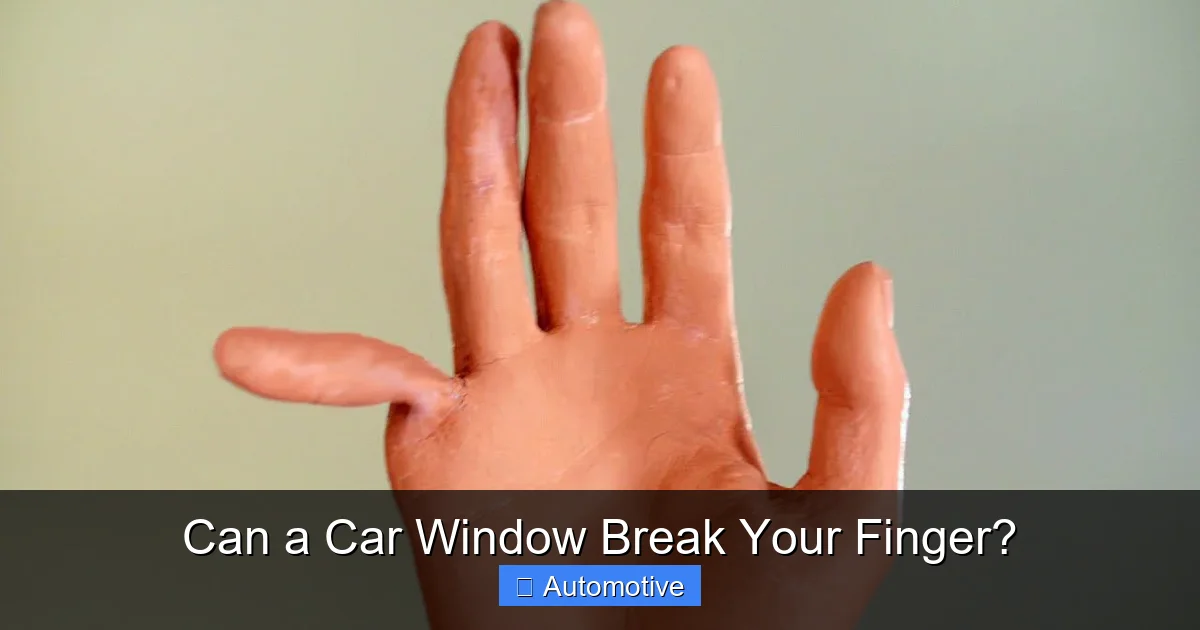
– Fractures: Small bones in the fingers (phalanges) can break, especially if the force is concentrated on one area.
– Nerve damage: Prolonged pressure can affect sensation and movement.
– Lacerations: If the window has sharp edges or the glass chips, cuts can occur.
In severe cases, surgery may be required to repair damaged bones or tendons. Recovery can take weeks or even months, depending on the extent of the injury.
Why Auto-Reverse Features Sometimes Fail
Visual guide about Can a Car Window Break Your Finger?
Image source: aquietrefuge.com
Auto-reverse technology is a major safety advancement, but it’s not a guaranteed solution. Understanding why these systems can fail is crucial for preventing injuries.
Sensor Limitations
Most auto-reverse systems rely on sensors to detect obstructions. Some use infrared beams that cross the window opening—when the beam is broken, the window stops. Others use pressure sensors in the window seal that detect resistance.
However, these sensors have limitations. Small fingers, especially if only partially in the path, may not trigger the sensor. Soft objects like gloves or sleeves might not be detected either. And if the sensor is dirty, misaligned, or malfunctioning, it may not work at all.
Power and Speed Factors
Even with sensors, the speed and power of the window matter. If the motor is particularly strong or the window is closing rapidly, the system may not have enough time to react before injury occurs. This is especially true in older vehicles where the auto-reverse feature may be less sensitive.
User Error and Misuse
Sometimes, the problem isn’t the technology—it’s how it’s used. Some drivers disable auto-reverse features to prevent the window from stopping unexpectedly. Others may not realize the feature exists or how to test it. And in some cases, passengers (especially children) may press the window switch without understanding the consequences.
Environmental Conditions
Weather can also affect performance. In cold climates, window seals can stiffen, reducing sensor sensitivity. Rain, snow, or ice can interfere with optical sensors. And in dusty or dirty environments, sensors may become clogged or obscured.
How to Prevent Car Window Injuries
The good news is that most car window injuries are preventable. With a few simple habits and precautions, you can significantly reduce the risk.
Supervise Children at All Times
Never allow children to play near car windows, especially when the vehicle is in use. Teach them early on that windows are not toys and that fingers should never be placed near the glass. If you have young children, consider using child safety locks on rear windows to prevent them from operating the switches.
Test Your Auto-Reverse Feature
Regularly test your vehicle’s auto-reverse system to ensure it’s working properly. Here’s how:
1. Roll the window down completely.
2. Place a small, soft object (like a rolled-up sock or foam block) in the window’s path.
3. Press the “up” button and observe whether the window stops and reverses.
If the window doesn’t respond, have it inspected by a professional. Don’t assume it’s working just because it’s a newer car.
Be Mindful of Hand Placement
Always be aware of where your hands—and others’ hands—are when operating windows. Avoid resting fingers on the door frame or reaching out while the window is moving. If you’re handing something out the window, make sure your hand is clear before closing it.
Use Caution with Manual Windows
For manual windows, turn the crank slowly and deliberately. Don’t rush, and never let go of the handle until the window is fully closed. If the window feels stiff or jerky, have it checked—worn mechanisms can increase the risk of sudden movement.
Educate Passengers
Remind passengers—especially children and elderly individuals—to be cautious around windows. Explain the risks and encourage them to speak up if they feel unsafe or uncomfortable.
Install Additional Safety Devices
Consider adding aftermarket safety devices, such as window guards or edge protectors. These can provide an extra layer of protection, especially in vehicles frequently used by children.
What to Do If Someone’s Finger Gets Caught
Despite your best efforts, accidents can still happen. Knowing how to respond quickly can minimize injury and prevent further harm.
Stay Calm and Act Fast
If you see someone’s finger getting caught, stay calm and act immediately. Press the “down” button to stop the window from closing further. If the window doesn’t respond, try manually pushing it down (for manual windows) or using the emergency release (if available).
Assess the Injury
Once the finger is free, check for signs of injury. Look for swelling, bruising, deformity, or loss of movement. Ask the person if they’re in pain or if they feel numbness or tingling.
Seek Medical Attention
Even if the injury seems minor, it’s wise to see a doctor. Small fractures or nerve damage may not be immediately apparent. Delayed treatment can lead to complications like stiffness, chronic pain, or reduced mobility.
Document the Incident
If the injury occurs in a vehicle you own or operate, document the details. Take photos, note the time and circumstances, and keep records of medical visits. This can be important if insurance or liability issues arise.
Report Malfunctions
If the auto-reverse feature failed, report it to the vehicle manufacturer or dealership. You may also consider filing a complaint with the NHTSA, which tracks safety issues and can initiate recalls if necessary.
The Bigger Picture: Car Safety Beyond Windows
While car window injuries are serious, they’re part of a broader conversation about automotive safety. Modern vehicles come with a host of safety features—airbags, seat belts, anti-lock brakes, and more—but windows are often overlooked.
Manufacturers continue to improve window safety, but consumer awareness is just as important. By understanding the risks and taking proactive steps, we can make our cars safer for everyone.
Advocating for Better Standards
Safety advocates have pushed for stricter regulations on power window design. In the U.S., the NHTSA has issued guidelines requiring auto-reverse features on all new vehicles, but enforcement and compliance vary. Supporting organizations that promote automotive safety can help drive change.
Teaching Safe Habits
Education is key. Schools, parenting groups, and driver education programs can include lessons on car window safety. Simple messages—like “Never play with window switches” or “Always check before closing”—can have a big impact.
Regular Maintenance Matters
Finally, keep your vehicle well-maintained. Worn window mechanisms, faulty switches, or damaged seals can increase the risk of injury. Regular inspections and timely repairs are essential for safe operation.
Conclusion: Stay Alert, Stay Safe
So, can a car window break your finger? The answer is a resounding yes—but it doesn’t have to happen to you. With awareness, caution, and the right habits, you can protect yourself and your loved ones from this painful and preventable injury.
Modern technology has made cars safer than ever, but no system is perfect. Auto-reverse features help, but they’re not a substitute for vigilance. Whether you’re driving with kids, commuting to work, or just enjoying a weekend ride, always be mindful of where your hands are—and where they shouldn’t be.
Remember: a moment of distraction can lead to weeks of pain. But a few seconds of caution can save you from a lifetime of regret. Stay alert, stay informed, and keep your fingers safe.
Frequently Asked Questions
Can a car window really break a finger?
Yes, a car window can break a finger, especially if it’s a power window closing with significant force. The pressure can fracture small bones or cause severe soft tissue damage.
Are power windows more dangerous than manual ones?
Power windows can be more dangerous because they close faster and with more force. However, manual windows can also cause injury if they slam shut unexpectedly.
Do all cars have auto-reverse window features?
Most new cars in the U.S. are required to have auto-reverse features, but older models or certain budget vehicles may not. Always check your owner’s manual.
How can I test if my car’s auto-reverse is working?
Place a soft object in the window’s path and try closing it. If the window stops and reverses, the feature is working. If not, have it inspected.
What should I do if my child’s finger gets caught in a window?
Press the “down” button immediately to stop the window. Assess the injury and seek medical attention, even if it seems minor.
Can I disable the auto-reverse feature?
Some vehicles allow you to disable it, but this is not recommended. Doing so increases the risk of injury, especially for children.