
What Suzuki Contributes to Local Communities

Suzuki doesn’t just build vehicles—it builds stronger, healthier, and more connected communities. From supporting education and youth development to advancing environmental sustainability and emergency response, Suzuki’s local initiatives make a real difference. Through partnerships, volunteer efforts, and long-term investments, the company proves that corporate responsibility goes far beyond the showroom.
When you think of Suzuki, you probably picture sleek motorcycles, reliable cars, or rugged all-terrain vehicles. But behind the engines and assembly lines lies a deeper commitment—one that extends far beyond manufacturing. Suzuki contributes to local communities in meaningful, lasting ways. It’s not just about selling vehicles; it’s about building relationships, supporting growth, and improving quality of life for people in the areas where it operates.
From Japan to the United States, India to Australia, Suzuki’s presence is felt not only in dealerships and service centers but also in schools, parks, hospitals, and community centers. The company believes that strong communities lead to strong businesses. That’s why Suzuki invests time, resources, and talent into initiatives that uplift neighborhoods, protect the environment, and prepare future generations for success. Whether it’s funding a local music program or organizing a river cleanup, Suzuki’s actions show that corporate responsibility is woven into its DNA.
This article explores the many ways Suzuki contributes to local communities. We’ll look at real-world examples, highlight key programs, and explain how these efforts create ripple effects that benefit everyone. Whether you’re a customer, employee, or community member, understanding Suzuki’s impact can inspire greater appreciation for the brand—and perhaps even encourage others to give back in their own ways.
Key Takeaways
- Education and Youth Development: Suzuki funds scholarships, STEM programs, and music education to empower the next generation.
- Environmental Sustainability: The company promotes green manufacturing, recycling, and community clean-up events to protect natural resources.
- Community Safety and Mobility: Suzuki supports road safety campaigns and provides vehicles for emergency services and disaster relief.
- Local Economic Growth: By sourcing locally and creating jobs, Suzuki strengthens regional economies and supports small businesses.
- Health and Wellness Initiatives: Through health fairs, fitness programs, and mental health awareness, Suzuki promotes well-being in the communities it serves.
- Arts and Culture Support: Suzuki sponsors local festivals, music events, and cultural programs to enrich community life.
- Volunteerism and Employee Engagement: Employees are encouraged to volunteer, fostering a culture of giving back and teamwork.
📑 Table of Contents
Supporting Education and Youth Development
One of Suzuki’s most impactful contributions is its focus on education and youth development. The company recognizes that investing in young people is one of the best ways to build a brighter future. Through scholarships, school partnerships, and hands-on learning programs, Suzuki helps students unlock their potential and pursue their dreams.
Scholarships and Financial Aid
Suzuki offers scholarships to students pursuing careers in engineering, automotive technology, and environmental science. These awards are often targeted at students from underserved communities, helping to level the playing field. For example, in the U.S., Suzuki has partnered with technical colleges to provide full-tuition scholarships for students enrolled in automotive repair programs. Recipients not only receive financial support but also gain access to internships and job placement opportunities within Suzuki’s network.
In India, where Suzuki operates one of its largest manufacturing plants, the company runs the “Suzuki Scholarship Program” for children of employees and local residents. This program covers school fees, books, and uniforms, ensuring that financial hardship doesn’t stand in the way of education. Over 5,000 students have benefited from this initiative since its launch.
STEM and Technical Training
Suzuki is a strong advocate for science, technology, engineering, and mathematics (STEM) education. The company sponsors robotics clubs, coding workshops, and science fairs in schools near its facilities. In Japan, Suzuki employees volunteer as mentors for high school students participating in national engineering competitions. These students gain real-world problem-solving skills and often go on to study at top universities.
In the U.S., Suzuki has launched “Tech Trek” programs that bring students to manufacturing plants for guided tours and interactive lessons. Kids get to see how vehicles are designed, tested, and built—sparking interest in careers they might not have considered before. These experiences are especially valuable in rural areas where access to technical education is limited.
Music and Arts Education
Believe it or not, Suzuki is also a major supporter of music education. The company’s roots in musical instruments—yes, the same Suzuki that makes cars also makes violins, guitars, and pianos—have inspired a deep commitment to the arts. The Suzuki Method, developed by Shinichi Suzuki, emphasizes early childhood music education and has been adopted worldwide.
Through the Suzuki Association of the Americas and similar organizations globally, the company funds music schools, teacher training, and student performances. In local communities, Suzuki dealerships often host free music workshops for children, providing instruments and instruction at no cost. These programs not only nurture creativity but also improve cognitive development, discipline, and teamwork.
Advancing Environmental Sustainability

Visual guide about What Suzuki Contributes to Local Communities
Image source: islamabadscene.com
As climate change becomes an urgent global issue, Suzuki is stepping up its efforts to protect the environment. The company understands that sustainability isn’t just a buzzword—it’s a responsibility. From reducing emissions in its factories to organizing community clean-ups, Suzuki is committed to leaving a lighter footprint on the planet.
Green Manufacturing Practices
Suzuki’s manufacturing plants are designed with sustainability in mind. The company has invested heavily in energy-efficient machinery, solar power, and waste reduction systems. For instance, the Suzuki Motor Gujarat plant in India is one of the most eco-friendly automotive factories in the world. It uses rainwater harvesting, solar panels, and a zero-liquid discharge system to minimize environmental impact.
In Japan, Suzuki has achieved carbon neutrality at several of its facilities by switching to renewable energy sources and optimizing production processes. The company also recycles over 95% of its manufacturing waste, turning scrap metal, plastic, and rubber into reusable materials. These efforts not only reduce pollution but also lower operational costs, proving that sustainability and profitability can go hand in hand.
Community Clean-Up and Conservation Projects
Suzuki doesn’t limit its environmental efforts to the factory floor. The company actively engages local communities in conservation projects. Employees and volunteers regularly participate in tree-planting drives, beach clean-ups, and river restoration initiatives.
In Thailand, Suzuki partnered with local NGOs to clean up the Chao Phraya River, removing tons of plastic waste and restoring habitats for native wildlife. In the U.S., Suzuki dealerships organize “Green Days” where customers and staff work together to plant gardens, pick up litter, and educate the public about recycling.
These events foster a sense of environmental stewardship and show that everyone can make a difference. Suzuki also provides educational materials to schools and community groups, teaching people how to reduce waste, conserve water, and live more sustainably.
Promoting Electric and Hybrid Vehicles
Suzuki is also contributing to a cleaner future by developing and promoting electric and hybrid vehicles. The company has introduced models like the Suzuki Swift Hybrid and the upcoming electric SUV, designed to reduce emissions and improve fuel efficiency.
But Suzuki’s commitment goes beyond just selling green cars. The company works with local governments to install charging stations, offers incentives for electric vehicle adoption, and educates consumers about the benefits of sustainable transportation. In India, Suzuki has launched a pilot program to convert auto-rickshaws to electric power, reducing air pollution in crowded cities.
Enhancing Community Safety and Mobility

Visual guide about What Suzuki Contributes to Local Communities
Image source: suzukiassociation.org
Safety is a core value for Suzuki, and that extends to the communities it serves. The company is deeply involved in road safety campaigns, emergency response support, and mobility solutions for underserved populations.
Road Safety Education
Every year, thousands of people die in traffic accidents worldwide. Suzuki is tackling this issue head-on by promoting safe driving habits and educating drivers of all ages. The company runs road safety workshops in schools, colleges, and community centers, covering topics like defensive driving, helmet use, and the dangers of distracted driving.
In Japan, Suzuki’s “Safe Riding” program teaches children how to ride bicycles and motorcycles safely. The program includes hands-on training, safety gear distribution, and interactive games that make learning fun. Similar initiatives exist in countries like Vietnam and Indonesia, where motorcycle use is widespread and accident rates are high.
Suzuki also partners with law enforcement agencies to support traffic safety campaigns. For example, during holiday seasons, the company sponsors sobriety checkpoints and provides free breathalyzer tests at public events.
Support for Emergency Services
When disasters strike, Suzuki is often among the first to respond. The company provides vehicles, equipment, and funding to emergency services and relief organizations. During the 2011 earthquake and tsunami in Japan, Suzuki donated dozens of vehicles to rescue teams and set up mobile medical units to assist survivors.
In the U.S., Suzuki has partnered with the American Red Cross to supply all-terrain vehicles for disaster relief operations. These vehicles are used to deliver supplies, transport medical personnel, and reach remote areas during floods, hurricanes, and wildfires.
Suzuki also supports local fire departments and police units by donating vehicles and funding training programs. In rural areas, where emergency response times can be slow, these contributions can mean the difference between life and death.
Mobility for All
Suzuki believes that everyone deserves access to safe, reliable transportation. That’s why the company works with nonprofits and government agencies to provide mobility solutions for people with disabilities, the elderly, and low-income families.
In India, Suzuki has launched a program to convert standard vehicles into wheelchair-accessible models, making it easier for people with physical challenges to get around. The company also offers discounted vehicles and financing options for low-income buyers, ensuring that cost isn’t a barrier to mobility.
In Japan, Suzuki supports “community car-sharing” programs that allow residents to rent vehicles by the hour. This reduces the need for individual car ownership and helps reduce traffic congestion and emissions.
Strengthening Local Economies
Visual guide about What Suzuki Contributes to Local Communities
Image source: mahilahousingtrust.org
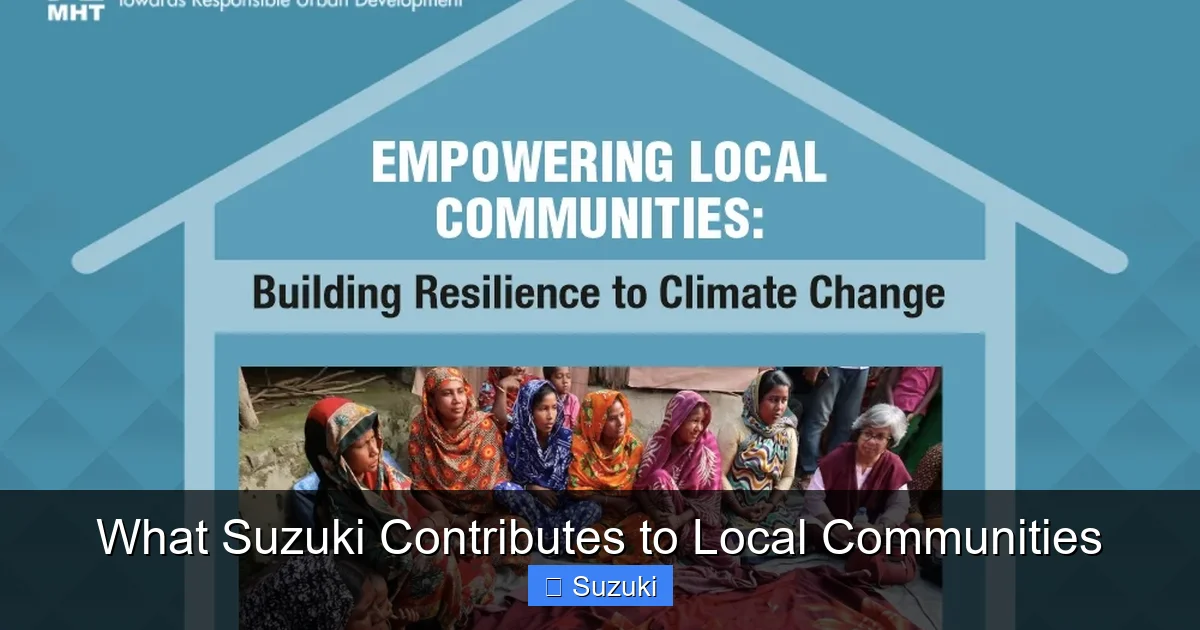
Suzuki’s presence in a community does more than create jobs—it stimulates economic growth, supports small businesses, and fosters innovation.
Job Creation and Workforce Development
Suzuki is a major employer in many regions, offering thousands of jobs in manufacturing, sales, service, and administration. But the company goes beyond just hiring—it invests in workforce development. Employees receive ongoing training, career advancement opportunities, and access to education programs.
In the U.S., Suzuki’s manufacturing plant in Georgia has created over 2,000 direct jobs and supports thousands more in the supply chain. The company also partners with local colleges to offer apprenticeships and certification programs in automotive technology.
In emerging markets like India and Vietnam, Suzuki’s factories have become hubs of economic activity, attracting suppliers, service providers, and entrepreneurs. The company prioritizes local sourcing, buying parts and materials from regional businesses whenever possible.
Support for Small Businesses
Suzuki understands that small businesses are the backbone of local economies. That’s why the company supports entrepreneurs through mentorship, funding, and networking opportunities.
In Japan, Suzuki runs a “Local Supplier Development Program” that helps small manufacturers improve their quality, efficiency, and sustainability. Participants receive technical assistance, access to Suzuki’s supply chain, and opportunities to bid on contracts.
In the U.S., Suzuki dealerships often collaborate with local shops and service providers. For example, a dealership might partner with a nearby auto parts store to offer discounts to customers, boosting sales for both businesses.
Community Investment and Philanthropy
Suzuki’s corporate social responsibility (CSR) initiatives include direct financial contributions to community organizations. The company donates to food banks, homeless shelters, and youth centers, helping to meet basic needs and support vulnerable populations.
In Australia, Suzuki has funded the construction of community centers in remote Indigenous communities, providing spaces for education, healthcare, and cultural activities. In the Philippines, the company supports disaster preparedness programs and funds the rebuilding of homes after typhoons.
These investments are not one-time gestures—they’re part of a long-term commitment to community well-being. Suzuki regularly evaluates the impact of its programs and adjusts them based on feedback from local leaders and residents.
Promoting Health and Wellness
A healthy community is a strong community, and Suzuki is dedicated to promoting physical and mental well-being.
Health Fairs and Screenings
Suzuki organizes free health fairs in partnership with local clinics and hospitals. These events offer blood pressure checks, diabetes screenings, vision tests, and flu shots. They also provide information on nutrition, exercise, and preventive care.
In India, Suzuki’s “Health on Wheels” program brings mobile clinics to rural villages, offering medical services to people who might not otherwise have access. The program has served over 100,000 people since its launch.
Fitness and Recreation Programs
Suzuki encourages an active lifestyle by sponsoring sports leagues, fitness challenges, and recreational facilities. In Japan, the company funds community gyms and swimming pools, making it easier for people to stay fit.
In the U.S., Suzuki has partnered with local parks departments to build bike trails and walking paths. The company also sponsors youth sports teams, providing uniforms, equipment, and coaching support.
Mental Health Awareness
Mental health is just as important as physical health, and Suzuki is working to reduce stigma and increase access to care. The company offers mental health resources to employees and supports community awareness campaigns.
In Australia, Suzuki has funded mental health first aid training for community leaders and teachers. The program teaches people how to recognize signs of depression, anxiety, and other conditions and how to offer support.
Enriching Arts and Culture
Culture brings people together, and Suzuki is proud to support the arts in the communities it calls home.
Sponsorship of Local Events
From music festivals to art exhibitions, Suzuki sponsors a wide range of cultural events. These sponsorships help artists gain exposure, attract audiences, and keep ticket prices affordable.
In the U.S., Suzuki is a major sponsor of the National Folk Festival, celebrating traditional music, dance, and crafts from across the country. In Japan, the company supports the Tokyo International Film Festival, promoting cultural exchange and creativity.
Support for Music and Performing Arts
As mentioned earlier, Suzuki’s musical instrument division fuels its passion for the arts. The company funds music schools, sponsors orchestras, and hosts concerts in public spaces.
In Europe, Suzuki has partnered with youth orchestras to provide instruments and performance opportunities. In Canada, the company supports Indigenous music programs, helping to preserve traditional songs and dances.
Community Arts Projects
Suzuki also supports grassroots arts initiatives, such as mural projects, theater productions, and storytelling workshops. These projects give residents a chance to express themselves and strengthen community bonds.
In Brazil, Suzuki funded a mural project in a low-income neighborhood, transforming a dull wall into a vibrant work of art created by local youth. The project not only beautified the area but also gave young people a sense of pride and ownership.
Fostering Volunteerism and Employee Engagement
One of Suzuki’s greatest strengths is its culture of giving back. Employees are encouraged—and often given paid time off—to volunteer in their communities.
Employee Volunteer Programs
Suzuki’s “Give Back Days” allow employees to take time off to participate in community service. Whether it’s building homes with Habitat for Humanity or tutoring students, employees are empowered to make a difference.
In the U.S., Suzuki employees have logged over 10,000 volunteer hours in the past year alone. The company tracks these efforts and recognizes top volunteers with awards and incentives.
Team-Building Through Service
Volunteer activities also serve as team-building exercises, strengthening relationships among employees. Working side by side on a community project fosters collaboration, communication, and trust.
For example, Suzuki’s annual “Clean the Coast” event brings together employees from different departments to clean up beaches and plant dunes. It’s a fun, meaningful way to connect while doing good.
Leadership in Corporate Citizenship
Suzuki’s commitment to community service sets an example for other companies. By prioritizing social responsibility, the company shows that businesses can be both profitable and compassionate.
Local leaders often praise Suzuki for its consistency and sincerity. Unlike some corporations that engage in “checkbook philanthropy,” Suzuki builds lasting relationships and listens to community needs.
Conclusion
Suzuki’s contributions to local communities are as diverse as they are impactful. From education and environmental protection to health, safety, and the arts, the company’s efforts touch nearly every aspect of community life. It’s not just about writing checks—it’s about rolling up sleeves, listening to people, and working together to create positive change.
What makes Suzuki’s approach so effective is its long-term vision and genuine care for people. The company doesn’t see community involvement as a marketing tactic or a tax deduction—it’s a core part of its identity. Whether it’s a child learning to play the violin, a family receiving disaster relief, or a neighborhood enjoying a cleaner park, Suzuki’s impact is real and measurable.
As consumers, we often choose brands based on quality and price. But increasingly, people also care about values and ethics. Suzuki proves that a company can deliver excellent products while also being a force for good. Its example reminds us that businesses have a unique opportunity—and responsibility—to strengthen the communities they serve.
So the next time you see a Suzuki on the road, remember: it’s more than just a vehicle. It’s a symbol of connection, care, and commitment. And behind every Suzuki is a network of people working to make the world a little better, one community at a time.
Frequently Asked Questions
What types of community programs does Suzuki support?
Suzuki supports a wide range of programs, including education, environmental sustainability, health and wellness, arts and culture, and emergency response. These initiatives are tailored to the needs of local communities and often involve partnerships with schools, nonprofits, and government agencies.
How does Suzuki contribute to environmental protection?
Suzuki promotes sustainability through green manufacturing, waste reduction, renewable energy use, and community clean-up events. The company also develops electric and hybrid vehicles to reduce emissions and supports conservation projects worldwide.
Does Suzuki offer scholarships for students?
Yes, Suzuki offers scholarships for students pursuing careers in engineering, automotive technology, and environmental science. These scholarships are available in several countries and often include internship and job placement opportunities.
How does Suzuki support road safety?
Suzuki runs road safety education programs in schools and communities, promotes safe driving habits, and partners with law enforcement for traffic safety campaigns. The company also donates vehicles and equipment to emergency services.
What role do Suzuki employees play in community service?
Suzuki employees are encouraged to volunteer through paid time-off programs and team-building service events. They participate in activities like clean-ups, tutoring, and disaster relief, making a direct impact in their local areas.
How does Suzuki support local economies?
Suzuki strengthens local economies by creating jobs, sourcing materials from regional suppliers, supporting small businesses, and investing in workforce development and community infrastructure.
