
Why Suzuki Cars Are Affordable

Suzuki cars are affordable because of smart engineering, cost-efficient manufacturing, and a focus on practicality over luxury. They use proven technology, keep features simple, and prioritize fuel efficiency—making them budget-friendly from purchase to daily use.
Key Takeaways
- Efficient Manufacturing: Suzuki uses streamlined production methods and economies of scale to reduce costs without cutting corners on reliability.
- Proven, Simple Technology: Instead of chasing high-tech trends, Suzuki relies on time-tested engines and components that are cheaper to build and maintain.
- Compact and Lightweight Design: Smaller cars use less material, cost less to produce, and offer better fuel economy—saving you money at the pump.
- Global Supply Chain: Suzuki leverages its worldwide network to source affordable parts and assemble vehicles in low-cost regions.
- Focus on Value, Not Luxury: Suzuki prioritizes essential features and durability over flashy extras, keeping the price tag low.
- Strong Resale Value: Affordable doesn’t mean low quality—Suzuki cars hold their value well, making them smart long-term investments.
- Low Maintenance Costs: Simple mechanics and widely available parts mean repairs are cheaper and easier to find.
📑 Table of Contents
Introduction: The Suzuki Value Proposition
When you think of affordable cars, Suzuki might not be the first brand that comes to mind—but it should be. For decades, Suzuki has built a reputation for delivering reliable, fuel-efficient, and budget-friendly vehicles that punch well above their weight in terms of value. Whether you’re a first-time car buyer, a student on a tight budget, or a family looking to save on transportation costs, Suzuki offers a compelling mix of affordability and practicality.
But what makes Suzuki cars so affordable? It’s not just about slashing prices or using cheaper materials. Instead, Suzuki has mastered a formula that balances cost-efficiency with quality. From smart engineering to global manufacturing strategies, every aspect of Suzuki’s approach is designed to keep prices low—without sacrificing the reliability and performance that drivers expect.
Smart Engineering and Simplified Design
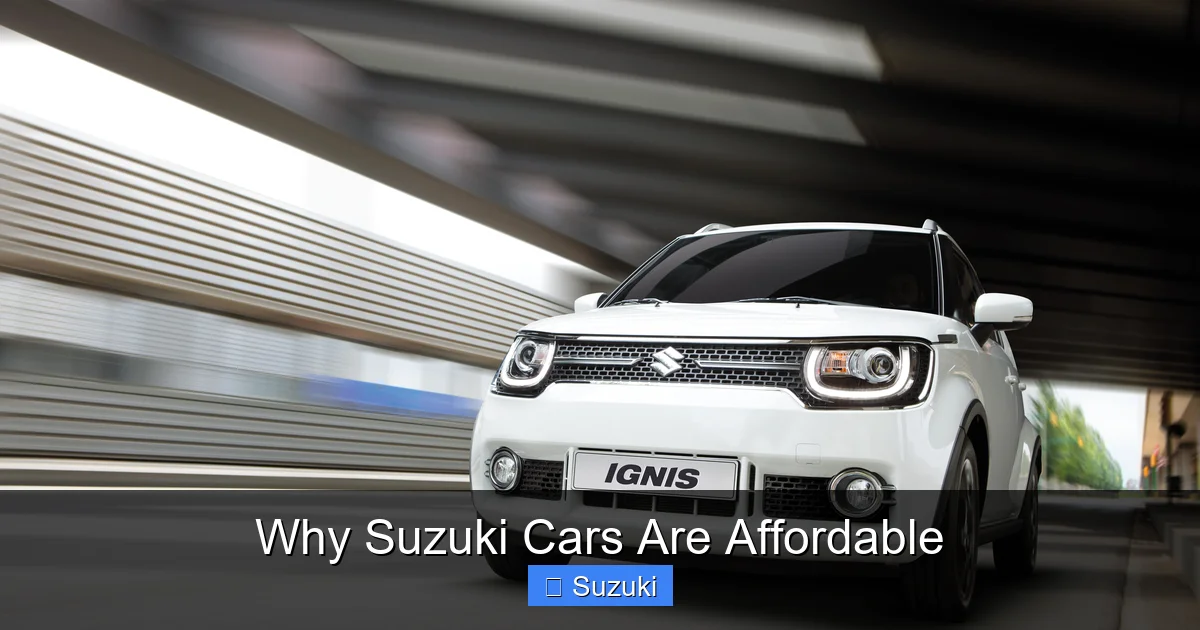
Visual guide about Why Suzuki Cars Are Affordable
Image source: blog.suzukiauto.co.za
One of the biggest reasons Suzuki cars are affordable lies in their engineering philosophy: keep it simple, keep it efficient. Unlike some automakers that load their vehicles with complex electronics, high-performance engines, and luxury features, Suzuki focuses on what matters most—getting you from point A to point B safely, reliably, and economically.
Proven Engine Technology
Suzuki doesn’t chase the latest engine trends. Instead, it uses well-established, fuel-efficient engines that have been refined over years of real-world use. For example, the 1.2-liter and 1.5-liter Dualjet engines found in models like the Swift and Vitara are known for their balance of power and efficiency. These engines use advanced fuel injection and lightweight construction, but they avoid the complexity of turbocharging or hybrid systems that can drive up costs.
By sticking to proven technology, Suzuki reduces development expenses and minimizes the risk of costly repairs down the line. This approach also means that mechanics everywhere are familiar with Suzuki engines, making servicing faster and cheaper.
Lightweight and Compact Platforms
Suzuki vehicles are often smaller and lighter than their competitors. This isn’t just about fitting into tight parking spaces—it’s a strategic design choice that lowers production costs. Less weight means less material is needed, which reduces manufacturing expenses. It also improves fuel efficiency, which saves owners money over time.
Take the Suzuki Swift, for instance. Weighing in at around 900–1,000 kg, it’s one of the lightest cars in its class. This lightweight design allows it to achieve impressive fuel economy—up to 5.5 L/100km in real-world driving—without needing a hybrid system. The result? A car that’s affordable to buy, cheap to run, and easy to maintain.
Minimalist Interior and Feature Set
Suzuki interiors are functional, not flashy. While some brands load their cars with touchscreens, ambient lighting, and premium sound systems, Suzuki keeps things simple. The focus is on durability, ease of use, and essential comforts.
For example, the dashboard in a Suzuki Baleno or Ignis uses straightforward controls and high-quality plastics that are easy to clean and hard to break. Infotainment systems are basic but reliable, often featuring Apple CarPlay and Android Auto without the need for expensive upgrades. This minimalist approach keeps production costs down and ensures that even base models offer good value.
Cost-Efficient Manufacturing and Global Production

Visual guide about Why Suzuki Cars Are Affordable
Image source: gaadiwaadi.com
Affordability isn’t just about design—it’s also about how and where cars are made. Suzuki has built a global manufacturing network that maximizes efficiency and minimizes costs.
Economies of Scale
Suzuki produces millions of vehicles each year, giving it significant economies of scale. This means the cost of developing and manufacturing each car decreases as production volume increases. High-volume production allows Suzuki to spread fixed costs—like factory setup and tooling—over a larger number of units, reducing the per-car expense.
For example, the Suzuki Swift is produced in multiple countries, including Japan, India, and Hungary. This global production strategy ensures steady supply and competitive pricing across markets.
Manufacturing in Low-Cost Regions
A key part of Suzuki’s affordability strategy is manufacturing in countries with lower labor and operational costs. India, in particular, has become a major hub for Suzuki production. Maruti Suzuki, Suzuki’s joint venture in India, is the country’s largest carmaker and produces millions of vehicles annually.
Because labor and land are cheaper in India, Suzuki can build cars at a fraction of the cost compared to Western Europe or North America. These savings are passed on to consumers in the form of lower prices. Even when Suzuki vehicles are exported to other markets, the cost advantage from low-cost production helps keep prices competitive.
Streamlined Assembly Processes
Suzuki uses highly efficient assembly lines that reduce waste and speed up production. The company employs lean manufacturing principles—borrowed from Toyota—to eliminate unnecessary steps and improve workflow. This not only cuts costs but also improves quality control.
For instance, Suzuki’s plant in Gujarat, India, uses automated welding and painting systems to ensure consistency while reducing labor costs. These streamlined processes allow Suzuki to produce high-quality vehicles quickly and affordably.
Global Supply Chain and Parts Sourcing

Visual guide about Why Suzuki Cars Are Affordable
Image source: auto.hindustantimes.com
Another major factor behind Suzuki’s affordability is its smart approach to sourcing parts and materials. By leveraging a global supply chain, Suzuki can access high-quality components at lower prices.
Standardized Components Across Models
Suzuki uses shared platforms and components across multiple models. This standardization reduces the need for unique parts, which lowers inventory costs and simplifies repairs. For example, the same engine or transmission might be used in the Swift, Baleno, and Ignis, allowing Suzuki to buy in bulk and negotiate better prices with suppliers.
This approach also benefits owners. If a part needs replacing, it’s easier to find and often cheaper because it’s used in multiple vehicles. Mechanics are also more familiar with these common parts, reducing labor time and costs.
Strategic Supplier Partnerships
Suzuki works closely with a network of trusted suppliers around the world. These partnerships ensure a steady flow of high-quality parts at competitive prices. By building long-term relationships with suppliers, Suzuki can secure better deals and avoid the price volatility that affects less-established brands.
For example, Suzuki sources transmissions from Jatco in Japan and electronics from Bosch and Denso—global leaders in automotive components. These partnerships ensure reliability while keeping costs in check.
Local Sourcing Where Possible
In markets like India and Europe, Suzuki sources many parts locally. This reduces shipping costs and import duties, further lowering the final price of the vehicle. Local sourcing also supports regional economies and reduces the environmental impact of transportation.
Focus on Value Over Luxury
One of the most misunderstood aspects of Suzuki’s affordability is its focus on value rather than luxury. While some brands compete on prestige and high-end features, Suzuki prioritizes practicality, durability, and long-term savings.
No Unnecessary Features
Suzuki doesn’t include features that drive up costs without adding real value. For example, you won’t find massaging seats, panoramic sunroofs, or advanced driver-assistance systems (ADAS) in most Suzuki models—at least not as standard. Instead, Suzuki focuses on essentials like air conditioning, power steering, and reliable safety features such as dual airbags and ABS.
This doesn’t mean Suzuki cars are bare-bones. They offer a solid package of features that meet the needs of most drivers. But by avoiding the “feature creep” that plagues many modern cars, Suzuki keeps prices low.
Durability and Longevity
Affordable doesn’t mean disposable. Suzuki vehicles are built to last. The company uses corrosion-resistant materials, robust suspension systems, and reliable drivetrains that can handle years of daily use.
For example, the Suzuki Jimny is renowned for its off-road capability and rugged build. Despite its compact size and low price, it’s often compared to much more expensive SUVs in terms of durability. This focus on longevity means owners get more value over time, reducing the need for frequent replacements.
Strong Resale Value
Because Suzuki cars are reliable and in demand, they tend to hold their value well. Models like the Swift and Vitara often retain 60–70% of their value after three years, which is impressive for budget-friendly vehicles.
This strong resale value makes Suzuki cars a smart investment. Even if you plan to upgrade in a few years, you’ll likely get a good return when you sell.
Low Running and Maintenance Costs
Affordability isn’t just about the purchase price—it’s also about the cost of ownership. Suzuki excels in this area, offering some of the lowest running costs in the industry.
Fuel Efficiency
Suzuki cars are among the most fuel-efficient on the market. Thanks to lightweight designs and efficient engines, models like the Swift and Celerio can achieve over 20 km/L in real-world driving. This means fewer trips to the gas station and more money in your pocket.
For example, a Suzuki Swift driven 15,000 km per year at 20 km/L would use just 750 liters of fuel. At $1.50 per liter, that’s $1,125 per year—significantly less than many larger or less efficient cars.
Affordable Maintenance
Suzuki vehicles are designed for easy maintenance. Simple mechanics, widely available parts, and straightforward service procedures mean repairs are quick and inexpensive.
Routine services like oil changes, brake pad replacements, and tire rotations are typically cheaper at Suzuki dealerships and independent garages alike. And because Suzuki parts are standardized, there’s no need for expensive proprietary components.
Warranty and Service Packages
Suzuki often offers competitive warranty packages and affordable service plans. In many markets, new Suzuki cars come with a 3- or 5-year warranty, covering major repairs at no extra cost. Some regions also offer prepaid service packages that lock in low rates for routine maintenance.
These programs provide peace of mind and help owners budget for ongoing costs, making Suzuki ownership even more affordable.
Conclusion: Affordable Doesn’t Mean Compromise
Suzuki cars are affordable for a reason—but that reason isn’t cutting corners. It’s a deliberate, well-thought-out strategy that combines smart engineering, efficient manufacturing, and a focus on real-world value. From lightweight designs and proven engines to global production and low running costs, every aspect of Suzuki’s approach is designed to keep prices low without sacrificing quality.
Whether you’re buying your first car or looking for a reliable second vehicle, Suzuki offers a compelling mix of affordability, efficiency, and durability. You get a car that’s easy on the wallet at purchase and over its lifetime—without giving up the essentials that make driving enjoyable and safe.
So the next time you’re shopping for a car, don’t overlook Suzuki. Affordable doesn’t have to mean basic. With Suzuki, you get smart design, reliable performance, and long-term value—all at a price that makes sense.
Frequently Asked Questions
Why are Suzuki cars cheaper than other brands?
Suzuki cars are cheaper because of efficient manufacturing, simplified designs, and global production in low-cost regions. The brand focuses on proven technology and essential features, avoiding expensive luxury add-ons.
Are Suzuki cars reliable despite their low price?
Yes, Suzuki cars are known for their reliability. They use durable materials, simple mechanics, and time-tested engines that require less maintenance and last longer.
Do Suzuki cars have good fuel economy?
Absolutely. Suzuki vehicles are among the most fuel-efficient in their class, thanks to lightweight designs and efficient engines. Many models achieve over 20 km/L in real-world driving.
Can I find Suzuki parts easily and affordably?
Yes. Suzuki uses standardized parts across models, making them widely available and inexpensive. Mechanics are also familiar with Suzuki components, reducing labor costs.
Do Suzuki cars hold their value well?
Yes, Suzuki cars tend to have strong resale value due to their reliability and popularity. Models like the Swift and Vitara often retain 60–70% of their value after three years.
Are Suzuki cars safe despite being affordable?
Yes. Suzuki includes essential safety features like dual airbags, ABS, and sturdy body structures. Many models also score well in global safety tests, offering peace of mind at an affordable price.