
Rv Sewer Hose Support Ideas

Proper RV sewer hose support is essential for preventing leaks, odors, and messy cleanups at the campsite. From DIY ramps to commercial supports, we’ll show you the best ways to keep your waste hose elevated, sloped correctly, and out of harm’s way—so you can enjoy a stress-free RV experience.
If you’ve ever dealt with a sagging, leaking, or kinked RV sewer hose, you know how quickly a peaceful camping trip can turn into a smelly, frustrating mess. Let’s be honest—nobody wants to wrestle with a backed-up waste line or clean up a puddle of sewage in the middle of a beautiful campsite. That’s why having reliable RV sewer hose support ideas isn’t just a nice-to-have—it’s a must-have for any serious RVer.
The truth is, your sewer hose does a dirty job, and it deserves a little respect. Without proper support, gravity works against you. Waste can get trapped, odors can seep back into your rig, and worst of all, you risk damaging your hose or creating a health hazard. But the good news? With the right support system, you can avoid all of that. Whether you’re a weekend warrior or a full-time traveler, there are plenty of smart, affordable, and effective ways to keep your sewer hose elevated, sloped correctly, and functioning like it should.
In this guide, we’ll walk you through the best RV sewer hose support ideas—from simple DIY hacks to professional-grade products. You’ll learn why slope matters, how to build your own support ramp, and which commercial options are worth the investment. We’ll also share tips for maintaining your setup and keeping your campsite clean and odor-free. By the end, you’ll have everything you need to handle waste disposal like a pro—without the stress or the stink.
Key Takeaways
- Proper slope is critical: Your sewer hose must have a consistent downward slope from the RV to the dump station to ensure complete drainage and prevent clogs.
- Support prevents sagging: A sagging hose traps waste and creates odors; using supports keeps the hose elevated and flowing smoothly.
- DIY solutions save money: Simple materials like wood, PVC, or pool noodles can be transformed into effective, low-cost hose supports.
- Commercial supports offer convenience: Pre-made ramps and adjustable stands provide quick setup and durability for frequent travelers.
- Protect your hose from damage: Supports reduce wear from ground contact, rocks, and foot traffic, extending the life of your sewer hose.
- Keep it clean and odor-free: Elevating the hose minimizes contact with contaminated surfaces and helps prevent backflow and smells.
- Portability matters: Choose lightweight, collapsible, or easy-to-store supports if you’re always on the move.
📑 Table of Contents
- Why Proper Sewer Hose Support Matters
- Understanding the Right Slope for Drainage
- DIY RV Sewer Hose Support Ideas
- Commercial RV Sewer Hose Supports
- Tips for Maintaining and Storing Your Support System
- Creative and Eco-Friendly Support Alternatives
- Final Thoughts: Choosing the Right Support for Your RV
Why Proper Sewer Hose Support Matters
Let’s start with the basics: why does your RV sewer hose even need support? After all, it’s just a hose, right? Well, not quite. Your sewer hose is responsible for transporting waste from your RV’s black water tank to the dump station. And like any plumbing system, it relies on gravity to do its job properly.
When your hose lies flat on the ground or sags in the middle, waste can pool in the low spots. This not only slows drainage but can also lead to incomplete emptying, clogs, and even backflow into your tank. And trust us—nobody wants to deal with that. Plus, standing waste creates bacteria and unpleasant odors that can waft back toward your RV, especially on warm days.
Another big issue is hose damage. When your sewer hose drags on the ground, it’s exposed to rocks, gravel, roots, and foot traffic. Over time, this wear and tear can cause cracks, leaks, or even complete failure. And replacing a sewer hose isn’t just expensive—it’s also a hassle you don’t need on vacation.
Finally, there’s the cleanliness factor. A hose that’s lying in mud or puddles is more likely to pick up contaminants, which can spread bacteria and make cleanup harder. By keeping your hose elevated, you reduce contact with dirty surfaces and make it easier to rinse and store after use.
In short, proper support isn’t just about convenience—it’s about functionality, hygiene, and peace of mind. A well-supported hose drains completely, lasts longer, and keeps your campsite clean. So whether you’re parked at a state park or boondocking in the desert, taking a few minutes to set up a good support system is one of the smartest things you can do.
Understanding the Right Slope for Drainage
Visual guide about Rv Sewer Hose Support Ideas
Image source: homemadetools.net
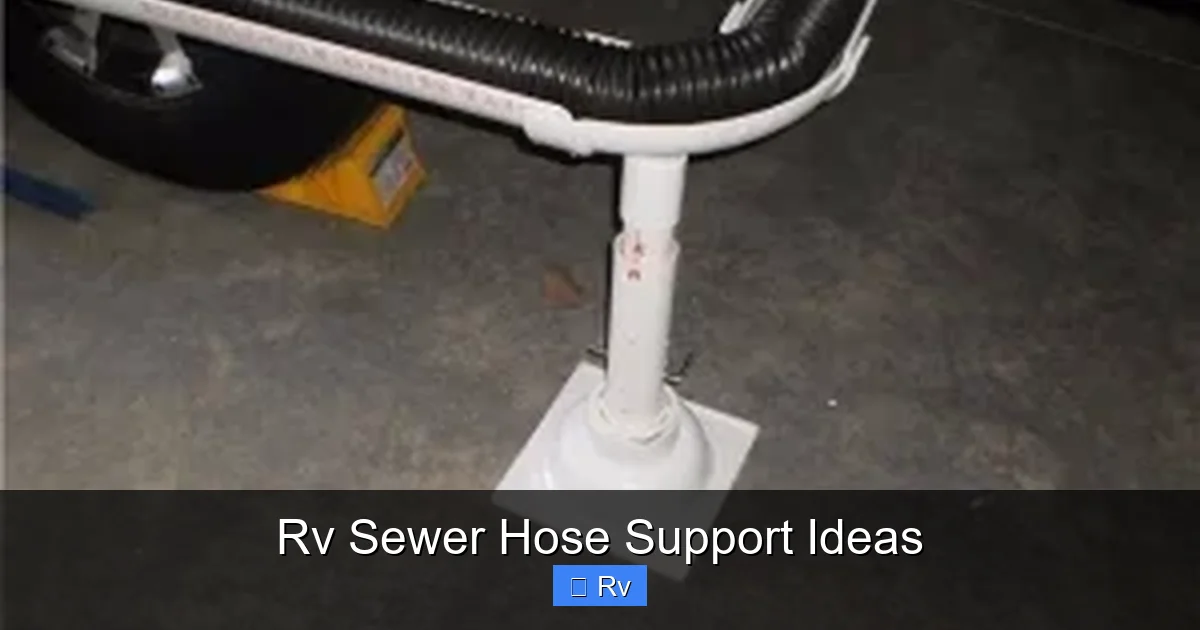
One of the most overlooked aspects of sewer hose setup is the slope. You might think as long as the hose goes from your RV to the dump station, you’re good to go. But without the right angle, gravity won’t do its job, and you’ll end up with slow drainage or standing waste.
The ideal slope for an RV sewer hose is about 1/4 inch per foot of length. That means for every foot the hose extends, it should drop 1/4 inch toward the dump station. This gentle decline ensures waste flows smoothly without rushing too fast (which can leave solids behind) or moving too slowly (which causes clogs).
But how do you achieve that slope in real life? It’s not always easy, especially if your RV is parked on uneven ground or the dump inlet is higher than your outlet. That’s where support systems come in. By using ramps, stands, or adjustable supports, you can create a consistent downward angle—even on tricky terrain.
For example, if your RV’s waste outlet is 12 inches above the ground and the dump station inlet is 6 inches high, you’ll need to raise the hose at the RV end and let it gradually descend. A simple wooden ramp or a stack of plastic supports can do the trick. Just make sure the entire length of the hose follows the slope—no dips or humps.
A great way to test your slope is to pour a bucket of water down the hose after connecting it. If the water flows steadily and completely, you’re on the right track. If it pools or drains slowly, adjust your supports until it flows freely.
Remember, even a small mistake in slope can cause big problems. So take your time during setup, use a level if needed, and don’t rush the process. A properly sloped hose means faster dumping, fewer clogs, and less chance of odors or leaks.
DIY RV Sewer Hose Support Ideas
Visual guide about Rv Sewer Hose Support Ideas
Image source: offgridspot.com
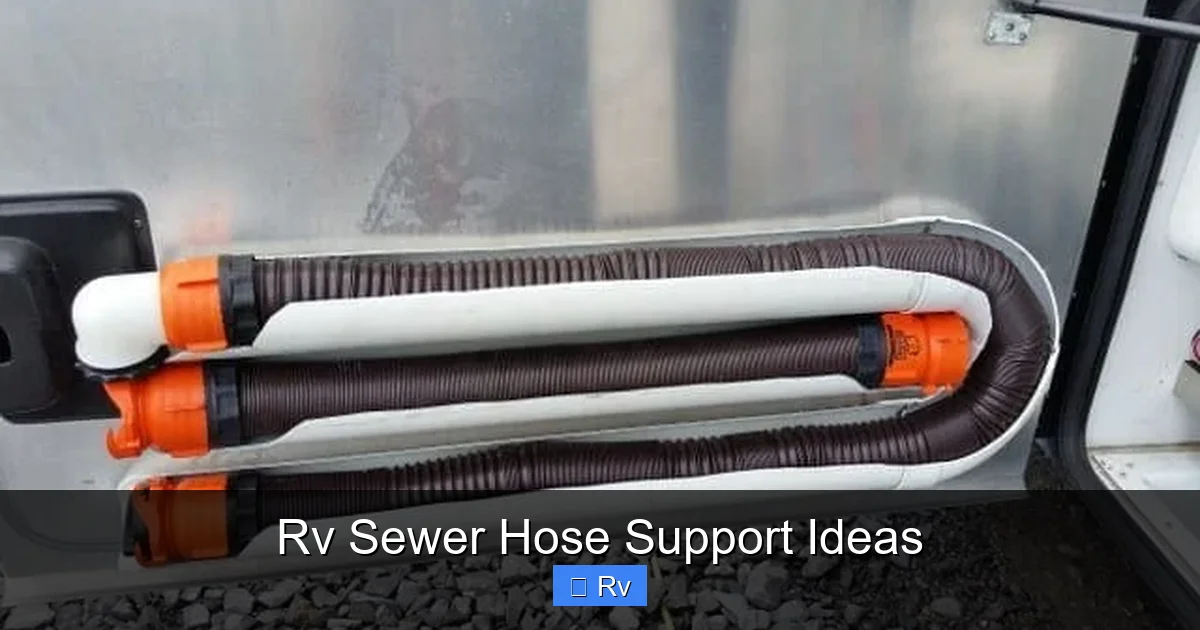
If you’re handy (or just looking to save a few bucks), there are tons of creative DIY solutions for supporting your sewer hose. These homemade supports are often just as effective as store-bought ones—and they can be made from items you already have lying around.
Wooden Ramp Supports
One of the simplest and most effective DIY options is a wooden ramp. All you need is a piece of 2×4 or 2×6 lumber, cut to the length of your hose. You can angle one end to create a slope or use multiple pieces stacked to adjust height.
For example, cut a 6-foot-long 2×6 and bevel one end so it tapers from 3 inches high down to flat. Place the high end under your RV’s waste outlet and let the hose rest on the ramp as it slopes toward the dump station. You can even add a groove down the center to keep the hose from slipping off.
If you want something more portable, build a set of small wooden blocks in graduated heights. Stack them under the hose at intervals to maintain the slope. Paint them with outdoor sealant to protect against moisture and make them last longer.
PVC Pipe Supports
PVC is lightweight, durable, and easy to work with—making it perfect for DIY sewer hose supports. You can create a custom ramp by cutting a length of 4-inch PVC pipe in half lengthwise and placing it under the hose.
For a more adjustable option, build a set of PVC stands using T-joints and short pipe segments. Connect three pieces to form a tripod, then attach a curved piece on top to cradle the hose. These can be stacked or adjusted to different heights depending on your setup.
Another clever idea: use PVC elbows and connectors to build a modular support system. Snap together pieces to create a ramp of any length or angle. Store it flat in your storage bay when not in use.
Pool Noodle Hose Guides
Yes, pool noodles! These foam floats are cheap, lightweight, and perfect for cushioning and elevating your sewer hose. Simply cut a pool noodle lengthwise and slide your hose inside the slit. The foam lifts the hose off the ground and helps maintain a gentle slope.
You can also cut the noodle into shorter segments and place them under the hose at regular intervals. This works especially well on uneven ground or when you need quick, temporary support.
For extra stability, glue or tape the noodle pieces to a flat board or plastic tray. This creates a portable ramp you can carry from site to site.
Milk Crate or Storage Bin Ramps
Repurpose a plastic milk crate or storage bin by cutting a channel in the top to hold your hose. Stack multiple crates to adjust height, or place them end to end to create a long, stable ramp.
This method is great because the crate doubles as storage for sewer accessories like gloves, wipes, or a hose rinse wand. Just make sure the crate is clean and dry before use.
Adjustable Wooden or Metal Stands
If you’re comfortable with basic woodworking or welding, you can build adjustable stands that let you fine-tune the height and slope. Use threaded rods, wing nuts, or telescoping legs to create a customizable support system.
These stands are ideal for RVers who frequently change campsites or deal with varying terrain. Once built, they’re easy to set up and store.
Commercial RV Sewer Hose Supports
Visual guide about Rv Sewer Hose Support Ideas
Image source: thervgeeks.com
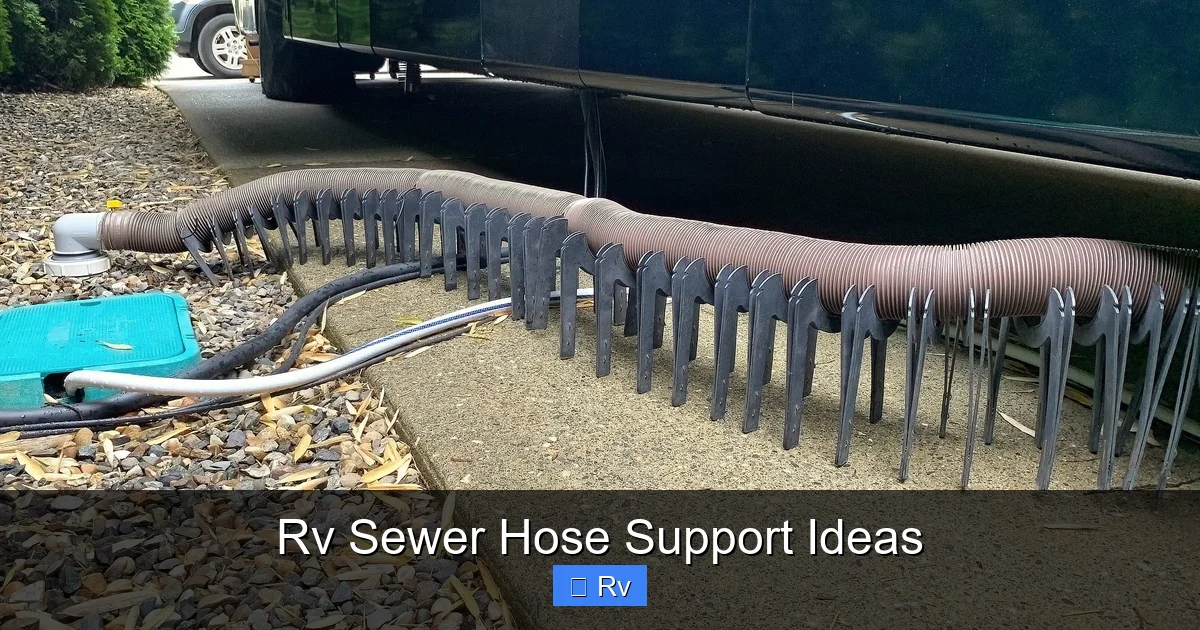
If DIY isn’t your thing—or you just want something quick and reliable—there are plenty of commercial sewer hose supports on the market. These products are designed specifically for RVs and offer convenience, durability, and ease of use.
Plastic Ramp Systems
One of the most popular options is a plastic ramp system, like the Camco RhinoFLEX Sewer Hose Support or the Valterra A04-0386 Hose Support. These are made from heavy-duty plastic, come in multiple sections, and snap together to form a long, stable ramp.
They’re lightweight, easy to clean, and often include built-in hose guides to keep the line in place. Most are adjustable in height and can be configured for different slopes. Plus, they store flat, so they won’t take up much space in your rig.
Adjustable Hose Stands
For more precision, consider an adjustable hose stand like the Lippert Components Sewer Hose Support Stand. These stands have telescoping legs that let you set the exact height and angle you need.
They’re great for uneven ground or when the dump inlet is higher than your outlet. Some models even have wheels for easy positioning. Just extend the legs, lock them in place, and rest your hose on top.
Collapsible or Folding Supports
If storage is a concern, look for collapsible or folding supports. These fold down flat or collapse into a compact size, making them ideal for small storage compartments.
Brands like Smarte Cart and Camco offer folding ramp systems that unfold in seconds. They’re sturdy enough for regular use but easy to pack away when not needed.
Integrated Sewer Hose Kits
Some RVers prefer all-in-one solutions. Sewer hose kits like the Camco RhinoEXTREME Sewer Hose Kit come with a high-quality hose, fittings, and a matching support ramp.
These kits are designed to work together, ensuring a perfect fit and optimal performance. They’re a great choice if you’re upgrading your entire waste system.
Pros and Cons of Commercial Supports
Commercial supports offer convenience, consistency, and durability. They’re built to last and often come with warranties. But they can be pricey—some systems cost $50 or more.
DIY options, on the other hand, are cheaper and customizable. But they may not be as durable or easy to set up, especially in bad weather.
The best choice depends on your needs. If you camp frequently or in challenging conditions, a commercial support might be worth the investment. If you’re on a budget or enjoy tinkering, DIY could be the way to go.
Tips for Maintaining and Storing Your Support System
Once you’ve got your sewer hose support set up, the job isn’t done. Proper maintenance and storage are key to keeping everything working smoothly and lasting longer.
Clean After Every Use
Always rinse your hose and support system after dumping. Use a hose rinse attachment or a dedicated sewer flush wand to clear out any residue. This prevents buildup, odors, and clogs.
For the support itself, wipe down plastic or metal parts with soapy water and a brush. Let everything dry completely before storing to prevent mold or mildew.
Inspect for Damage
Check your supports regularly for cracks, warping, or loose parts. Wood can rot, plastic can become brittle, and metal can rust—especially if exposed to moisture and chemicals.
Replace any damaged components right away. A broken support can cause your hose to sag or kink, leading to leaks or backups.
Store Properly
Keep your supports in a dry, protected area—like a storage bay or compartment. Avoid leaving them outside where they can get wet or damaged by UV rays.
If you’re using a folding or collapsible system, make sure it’s fully dry and clean before folding it up. Trapped moisture can lead to mold or corrosion.
Label and Organize
If you have multiple supports or accessories, label them and store them together. This makes setup faster and ensures you don’t lose pieces.
Consider using a dedicated storage bag or bin for your sewer gear. Include gloves, wipes, a rinse wand, and your support system—all in one place.
Winterize if Needed
If you store your RV in cold climates, remove and store your supports indoors during winter. Freezing temperatures can crack plastic or warp wood.
Also, make sure your sewer hose is completely drained and stored properly to prevent freezing and damage.
Creative and Eco-Friendly Support Alternatives
Looking for something a little different? There are plenty of creative and eco-friendly ways to support your sewer hose—without breaking the bank or harming the environment.
Reusable Rubber Mats
Cut a piece of rubber matting (like the kind used under gym equipment) into a ramp shape. The rubber provides grip, cushioning, and elevation. It’s also easy to clean and lasts for years.
Recycled Plastic Lumber
Made from recycled milk jugs and other plastics, this material is durable, weather-resistant, and eco-friendly. Use it to build custom ramps or stands that won’t rot or splinter.
Bamboo or Composite Decking
For a natural look, use bamboo or composite decking strips to create a lightweight, sustainable support. These materials are strong, water-resistant, and blend in well with outdoor settings.
Solar-Powered LED Guides
Add a fun twist by attaching small solar-powered LED lights to your supports. These can help you see your hose at night and prevent tripping hazards. Plus, they’re powered by the sun—no batteries needed.
Modular Garden Pavers
Use flat, interlocking garden pavers to build a custom ramp. Stack them to adjust height and arrange them in a line to guide your hose. They’re sturdy, reusable, and look great in a campsite.
These alternatives not only work well but also reduce waste and support sustainable camping practices. Plus, they can add a personal touch to your RV setup.
Final Thoughts: Choosing the Right Support for Your RV
At the end of the day, the best RV sewer hose support is the one that works for your lifestyle, budget, and camping style. Whether you go DIY or buy commercial, the goal is the same: keep your hose elevated, sloped correctly, and free from damage.
Think about how often you camp, where you go, and how much storage space you have. If you’re a full-timer, investing in a durable, adjustable system makes sense. If you’re a weekend camper, a simple wooden ramp or pool noodle setup might be all you need.
Don’t forget to consider ease of use. The best support is one you’ll actually use—every time. If it’s too complicated or takes too long to set up, you might skip it, and that’s when problems start.
And remember: a little effort upfront can save you a lot of hassle later. A properly supported sewer hose means faster dumps, fewer odors, and less stress. It’s a small part of the RV experience, but it makes a big difference.
So go ahead—try one of these RV sewer hose support ideas. Your future self (and your nose) will thank you.
Frequently Asked Questions
Do I really need a sewer hose support?
Yes, a support helps maintain the proper slope for drainage, prevents sagging, and protects your hose from damage. Without it, you risk clogs, odors, and leaks.
Can I use a regular garden hose support for my sewer hose?
Not recommended. Garden hose supports aren’t designed for waste and may not handle the weight or chemicals. Use a dedicated sewer hose support instead.
How high should my sewer hose be off the ground?
There’s no fixed height, but the hose should be elevated enough to maintain a 1/4-inch-per-foot slope and avoid contact with dirt, rocks, or puddles.
Can I use multiple supports for one hose?
Absolutely. In fact, using several supports at intervals helps maintain a consistent slope and prevents sagging, especially with longer hoses.
Are commercial supports worth the cost?
They can be, especially if you camp frequently or in challenging conditions. They’re durable, easy to use, and often come with warranties—worth it for many RVers.
How do I clean my sewer hose support?
Rinse it with water after each use, scrub with soapy water if needed, and let it dry completely before storing. Avoid harsh chemicals that could damage materials.
