
What’s a Tire Pressure Sensor Fault

A tire pressure sensor fault means your vehicle’s TPMS isn’t working correctly, often due to dead batteries, damaged sensors, or system glitches. This warning can appear even if your tires are properly inflated, so it’s important to diagnose and fix it promptly to maintain safety and fuel efficiency.
Key Takeaways
- What It Is: A tire pressure sensor fault indicates a problem with your Tire Pressure Monitoring System (TPMS), not necessarily low tire pressure.
- Common Causes: Dead sensor batteries, physical damage, corrosion, software glitches, or improper tire installation can trigger the fault.
- Safety Risk: Ignoring the fault may lead to underinflated tires, reduced fuel economy, poor handling, or even tire blowouts.
- DIY Checks: You can often reset the system or check tire pressure manually, but persistent faults require professional diagnosis.
- Sensor Lifespan: Most TPMS sensors last 5–10 years; replacement is usually needed after battery depletion.
- Legal Compliance: In many regions, a functioning TPMS is required by law for vehicles manufactured after 2007 (U.S.) or 2012 (EU).
- Prevention Tips: Regular maintenance, avoiding potholes, and using quality valve stems can extend sensor life.
📑 Table of Contents
What’s a Tire Pressure Sensor Fault?
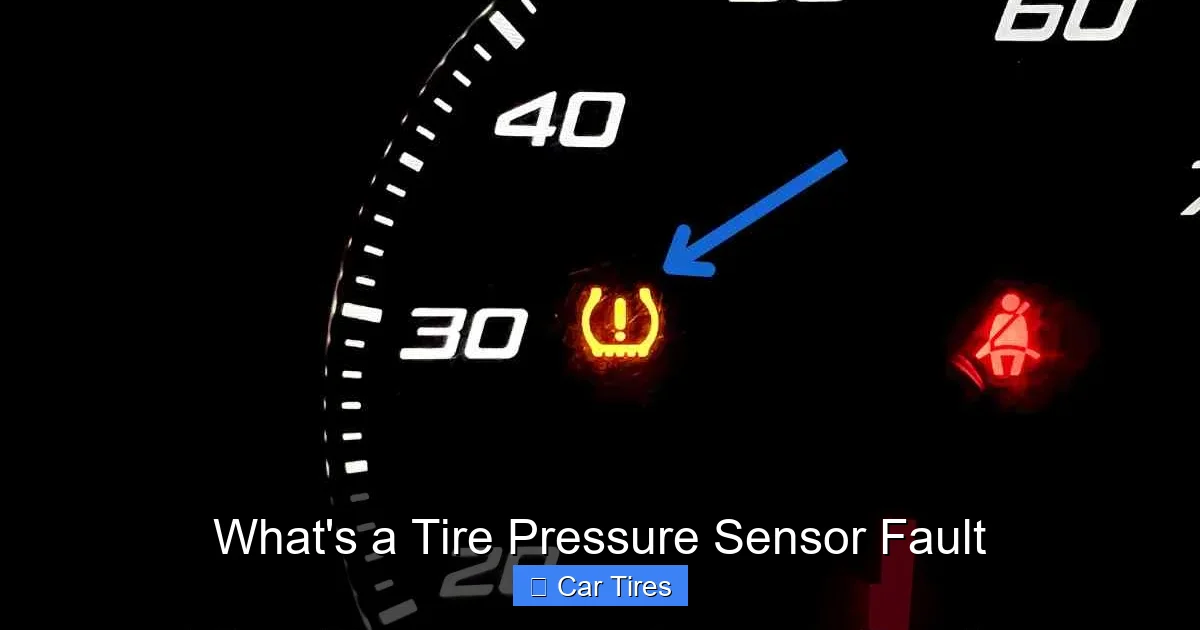
Imagine you’re driving down the highway, enjoying the breeze through your open window, when suddenly a yellow warning light pops up on your dashboard. It looks like a tire with an exclamation point inside—your Tire Pressure Monitoring System (TPMS) alert. You pull over, check your tires, and they all look fine. You even use a gauge to confirm they’re properly inflated. So why is the light still on?
That’s when you might be dealing with a tire pressure sensor fault.
A tire pressure sensor fault doesn’t always mean your tires are low on air. Instead, it signals that something is wrong with the sensors or the system that monitors your tire pressure. These sensors are small electronic devices mounted inside each tire (usually attached to the valve stem) that constantly measure air pressure and send real-time data to your car’s computer. When the system detects an issue—whether it’s a dead battery, damaged hardware, or a communication error—it triggers the warning light.
This fault can be confusing because it mimics the same alert you’d see if a tire were actually underinflated. But unlike a simple low-pressure warning, a sensor fault means the system itself isn’t functioning correctly. That’s why it’s crucial to understand what’s happening under the hood—or rather, inside your wheels.
How the Tire Pressure Monitoring System Works
Visual guide about What’s a Tire Pressure Sensor Fault
Image source: autocareaids.com
To truly grasp what a tire pressure sensor fault means, it helps to understand how your car’s TPMS operates. Most modern vehicles come equipped with one of two types of TPMS: direct or indirect.
Direct TPMS
Direct TPMS uses physical sensors located inside each tire. These sensors measure the actual air pressure and sometimes even temperature. They transmit this data wirelessly—usually via radio frequency—to a central receiver in your vehicle. The car’s computer then analyzes the information and alerts you if pressure drops below a safe threshold (typically 25% below the recommended level).
Each sensor has a unique ID, so the system knows which tire is reporting low pressure. This allows for precise monitoring and targeted alerts. For example, if only your front left tire is low, the system can tell you exactly which one needs attention.
Indirect TPMS
Indirect TPMS, on the other hand, doesn’t use physical pressure sensors. Instead, it relies on your car’s anti-lock braking system (ABS) wheel speed sensors. When a tire is underinflated, it has a slightly smaller diameter and rotates faster than the others. The ABS sensors detect this difference in rotation speed and alert the driver.
While indirect systems are less expensive and don’t require battery-powered sensors, they’re also less accurate. They can’t tell you the exact pressure, only that one tire is rotating differently. They also need to be reset after every tire rotation or inflation change, which can be inconvenient.
Why TPMS Matters
Regardless of the type, TPMS serves a critical safety function. Underinflated tires increase rolling resistance, which reduces fuel efficiency and causes uneven tread wear. They also generate more heat, raising the risk of a blowout—especially at high speeds. According to the National Highway Traffic Safety Administration (NHTSA), underinflated tires contribute to over 660 fatalities and 33,000 injuries annually in the U.S. alone.
TPMS helps prevent these dangers by giving you early warning. But when a sensor fault occurs, that protection is compromised. You might not get a real low-pressure alert when you need it most.
Common Causes of a Tire Pressure Sensor Fault
Visual guide about What’s a Tire Pressure Sensor Fault
Image source: rerev.com
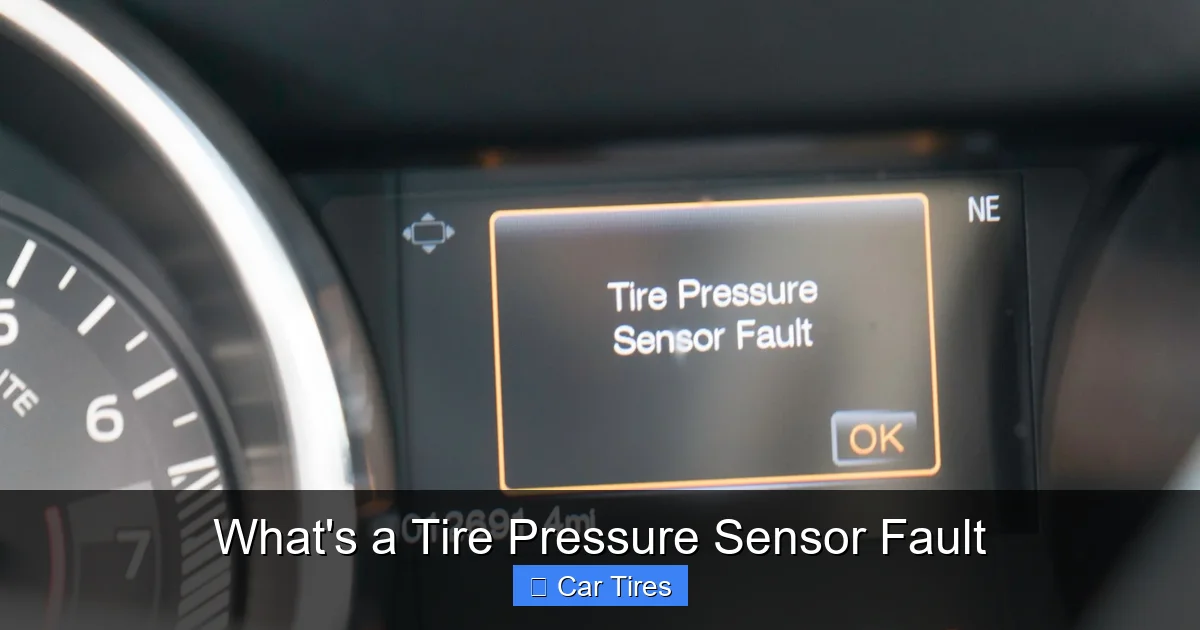
Now that you know how TPMS works, let’s explore why it might malfunction. A tire pressure sensor fault can stem from several sources, ranging from simple wear and tear to more complex electronic issues.
Dead or Dying Sensor Batteries
The most common cause of a sensor fault is a dead battery. TPMS sensors are powered by small, non-rechargeable lithium batteries. These typically last between 5 and 10 years, depending on usage and environmental conditions. Once the battery dies, the sensor can no longer transmit data, and the system flags a fault.
For example, if you bought your car new in 2015 and haven’t replaced the sensors since, they’re likely nearing the end of their lifespan. Even if your tires are perfectly inflated, the system won’t recognize it because the sensor isn’t sending any signal.
Physical Damage to the Sensor
TPMS sensors are housed inside the tire, mounted to the wheel rim via the valve stem. This makes them vulnerable to damage during tire changes, pothole impacts, or curb scrapes. A bent valve stem, cracked sensor housing, or broken antenna can disrupt communication.
Imagine you’re getting new tires installed. If the technician isn’t careful, they might accidentally knock the sensor loose or damage the valve stem. Even a small crack can allow moisture to enter, corroding internal components and causing a fault.
Corrosion and Moisture Buildup
Moisture is the enemy of electronics, and TPMS sensors are no exception. Over time, condensation can build up inside the tire or around the valve stem, especially in humid climates or during seasonal changes. This moisture can corrode the sensor’s internal circuitry or the electrical contacts, leading to signal loss.
Salt from winter roads accelerates corrosion, particularly in colder regions. If you live in an area with heavy snow and ice, your sensors may degrade faster than average.
Software or System Glitches
Sometimes, the fault isn’t with the sensor itself but with the car’s onboard computer. Software bugs, outdated firmware, or communication errors between modules can cause false alerts. For instance, after a battery replacement or jump-start, the system might need to be reset to recognize the sensors again.
In rare cases, electromagnetic interference from nearby devices (like powerful radios or charging stations) can disrupt the wireless signal between the sensor and receiver.
Improper Tire Installation or Rotation
If tires are removed and reinstalled incorrectly, the sensors may not be seated properly. This can lead to signal loss or inaccurate readings. Additionally, during tire rotation, the system may lose track of which sensor belongs to which wheel—especially in vehicles that don’t automatically relearn sensor positions.
Some cars require a manual relearn procedure using a TPMS tool or diagnostic scanner. Skipping this step can result in persistent fault warnings.
Aftermarket Wheels or Tires
Installing aftermarket wheels without compatible TPMS sensors can also trigger a fault. Not all wheels are designed to accommodate factory sensors, and some may require retrofitting or new sensors altogether. Similarly, using non-OEM tires with different pressure specifications can confuse the system.
Signs and Symptoms of a Sensor Fault
Visual guide about What’s a Tire Pressure Sensor Fault
Image source: rerev.com
How can you tell if you’re dealing with a tire pressure sensor fault rather than actual low tire pressure? While the dashboard warning light is the most obvious sign, there are other clues to watch for.
Warning Light Stays On Despite Proper Inflation
The most telling symptom is when the TPMS light remains illuminated even after you’ve checked and inflated all tires to the recommended PSI. If your gauge shows normal pressure but the light won’t go off, the issue is likely with the sensor or system.
Intermittent or Flashing Light
A flashing TPMS light (as opposed to a steady glow) often indicates a system malfunction rather than low pressure. This could mean a sensor has failed completely or is sending erratic signals.
No Specific Tire Identified
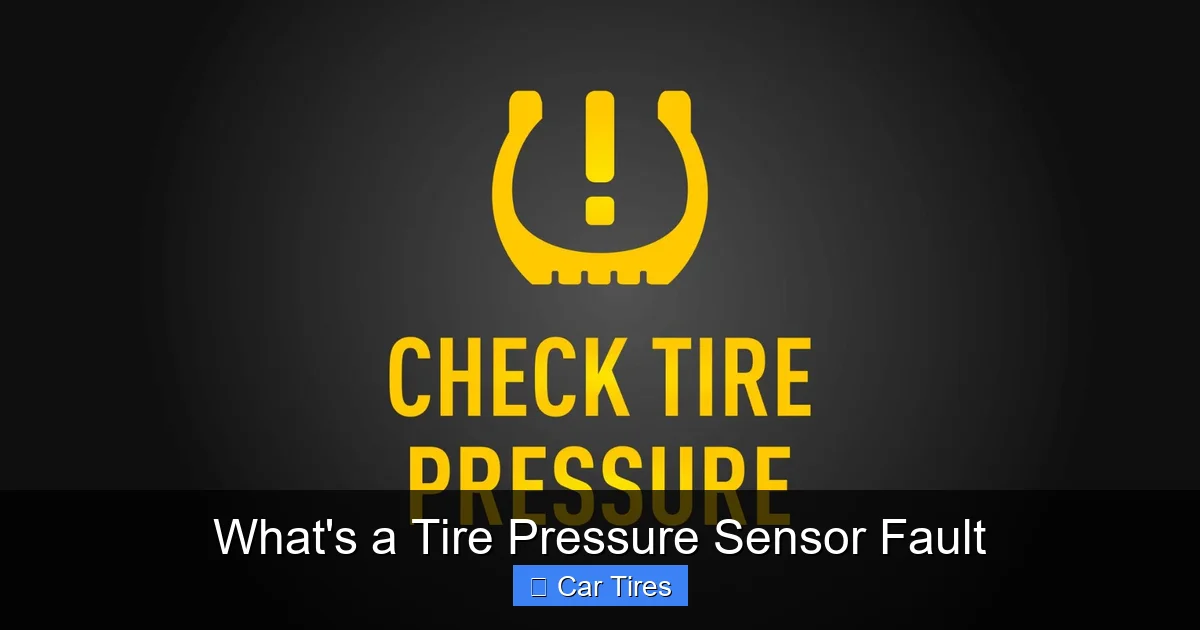
With direct TPMS, the system usually tells you which tire is low. If the alert is general (e.g., “Check Tire Pressure” without specifying a wheel), it may point to a sensor fault rather than a pressure issue.
Recent Tire Service or Battery Replacement
If the fault appeared after a tire rotation, replacement, or car battery change, it’s likely related to sensor relearning or installation error. Many drivers notice the light come on after visiting a tire shop—this is often due to improper sensor handling.
Older Vehicle (5+ Years)
If your car is more than five years old and you’ve never replaced the TPMS sensors, battery failure is a strong possibility. Sensors degrade over time, and age is one of the top predictors of failure.
How to Diagnose and Fix a Tire Pressure Sensor Fault
So you’ve confirmed it’s a sensor fault—now what? The good news is that many issues can be resolved with a few simple steps. However, some problems require professional help.
Step 1: Check Tire Pressure Manually
Before assuming it’s a sensor issue, double-check your tire pressure with a reliable gauge. Compare the reading to the recommended PSI listed on your door jamb sticker or owner’s manual. Inflate or deflate as needed.
Sometimes, temperature changes can cause pressure fluctuations. Cold weather reduces pressure, while heat increases it. If you checked your tires in the morning (when they’re cold), they might read low even if they’re fine once warmed up.
Step 2: Reset the TPMS System
Many vehicles allow you to reset the TPMS manually. This process varies by make and model, but common methods include:
– Turning the ignition to “on” (without starting the engine) and holding the TPMS reset button (usually under the steering wheel or in the glove box) for 3–5 seconds.
– Driving at a steady speed (often 50 mph) for 10–20 minutes to allow the system to recalibrate.
– Using the infotainment menu to navigate to the TPMS settings and selecting “Reset” or “Relearn.”
Check your owner’s manual for specific instructions. A simple reset can clear temporary glitches and restore normal operation.
Step 3: Use a TPMS Diagnostic Tool
If the light persists, you may need a TPMS scan tool. These devices plug into your OBD-II port or connect wirelessly to read sensor data and identify faults. They can tell you:
– Which sensor is malfunctioning
– Battery voltage levels
– Signal strength
– Sensor ID mismatches
Many auto parts stores offer free TPMS scans, or you can purchase a basic tool for under $100.
Step 4: Inspect Sensors and Valve Stems
Visually inspect each tire’s valve stem for damage, corrosion, or leaks. Look for cracks, bends, or loose fittings. If you see rust or white powder (a sign of corrosion), the sensor may need replacement.
You can also listen for hissing sounds indicating air leaks around the valve.
Step 5: Replace Faulty Sensors
If a sensor is dead or damaged, replacement is usually the only solution. Most sensors cost between $50 and $150 each, including installation. Some shops offer sensor programming services to ensure compatibility with your vehicle.
When replacing sensors, consider upgrading to programmable or universal sensors that work with multiple vehicle models. These can be more cost-effective in the long run.
Step 6: Visit a Professional
If you’ve tried the above steps and the fault remains, it’s time to see a mechanic or tire specialist. They have advanced diagnostic equipment and can perform a full system check, including:
– Testing sensor signal strength
– Checking receiver module functionality
– Updating vehicle software
– Performing a sensor relearn procedure
Don’t ignore a persistent fault—driving with a malfunctioning TPMS puts you at risk.
Preventing Future Sensor Faults
An ounce of prevention is worth a pound of cure—especially when it comes to TPMS. Here are some tips to keep your sensors healthy and your system running smoothly.
Regular Maintenance Checks
Make tire pressure checks part of your monthly routine. Use a quality gauge and adjust pressure as needed. This not only prevents low-pressure issues but also reduces strain on sensors.
Avoid Potholes and Curb Impacts
Hitting potholes or scraping curbs can damage sensors and valve stems. Drive carefully, especially in urban areas with poor road conditions.
Use Quality Valve Stem Caps
While they seem trivial, valve stem caps keep dirt and moisture out of the valve core. Always replace missing or damaged caps with metal or high-quality plastic ones.
Choose Reputable Tire Shops
When getting tires rotated or replaced, go to a shop experienced with TPMS. Ask them to handle sensors gently and perform a relearn procedure if needed.
Monitor Sensor Age
Keep track of when your sensors were last replaced. If your car is over 7 years old, consider proactive replacement to avoid sudden failures.
Winterize Your Tires
In cold climates, use winter tires with compatible sensors. Avoid mixing seasonal tires with different pressure specs, as this can confuse the system.
Conclusion
A tire pressure sensor fault is more than just an annoying dashboard light—it’s a warning that your vehicle’s safety system isn’t functioning as intended. While it doesn’t always mean your tires are underinflated, it does mean you can’t rely on the TPMS to alert you when they are. This puts you at risk for reduced fuel efficiency, poor handling, and potentially dangerous blowouts.
Understanding the causes—from dead batteries to physical damage—helps you respond quickly and effectively. Simple fixes like resetting the system or checking tire pressure can resolve many issues. But when problems persist, don’t hesitate to seek professional help.
By staying proactive with maintenance and knowing what to look for, you can keep your TPMS working reliably for years. After all, your tires are the only part of your car that touches the road. Keeping them properly monitored isn’t just smart—it’s essential for safe driving.
Frequently Asked Questions
Can I drive with a tire pressure sensor fault?
Yes, you can drive with a sensor fault, but it’s not recommended for long. The fault means your TPMS isn’t working, so you won’t get alerts for actual low tire pressure, which can be dangerous.
How much does it cost to fix a tire pressure sensor fault?
Costs vary, but replacing a single sensor typically ranges from $50 to $150, including parts and labor. Diagnostic fees may apply if professional help is needed.
Do all cars have TPMS sensors?
In the U.S., all vehicles manufactured after September 2007 are required to have TPMS. In the EU, the requirement started in 2012. Older cars may not have them.
Can I replace TPMS sensors myself?
Replacing the physical sensor usually requires removing the tire, which is best done by a professional. However, resetting the system or checking pressure can be done at home.
Why does my TPMS light come on in cold weather?
Cold temperatures reduce tire pressure, which can trigger the low-pressure warning. It may also expose weak sensors with dying batteries, leading to a fault.
How often should TPMS sensors be replaced?
Most sensors last 5–10 years. If your car is older and the fault appears, battery failure is likely the cause, and replacement is recommended.
