
What Is the Tire Pressure Sign

The tire pressure sign is a warning light on your dashboard that alerts you when one or more tires are underinflated. It’s part of your vehicle’s Tire Pressure Monitoring System (TPMS), designed to improve safety, fuel efficiency, and tire life. Ignoring it can lead to poor handling, blowouts, or reduced gas mileage.
Key Takeaways
- What the sign looks like: It resembles a horseshoe with an exclamation point inside and usually glows yellow or amber on your dashboard.
- It’s part of TPMS: The Tire Pressure Monitoring System automatically checks tire pressure and triggers the light when levels drop below safe limits.
- Don’t ignore it: Low tire pressure can cause overheating, poor traction, and increased risk of a blowout—especially at high speeds.
- Check pressure regularly: Even without the warning light, inspect tire pressure monthly and before long trips using a reliable gauge.
- Temperature affects pressure: Cold weather can cause pressure to drop, which is why the light may appear in winter months even if tires were fine before.
- Reset after adjustment: After inflating tires to the correct PSI, you may need to reset the TPMS light manually or by driving a short distance.
- Professional help may be needed: If the light stays on after proper inflation, there could be a sensor issue, leak, or damaged tire requiring expert inspection.
📑 Table of Contents
- Understanding the Tire Pressure Sign: Your Car’s Silent Guardian
- What Does the Tire Pressure Sign Look Like?
- How the Tire Pressure Monitoring System (TPMS) Works
- Why the Tire Pressure Sign Comes On: Common Causes
- What to Do When the Tire Pressure Sign Lights Up
- Tips for Maintaining Proper Tire Pressure
- The Risks of Ignoring the Tire Pressure Sign
- When to See a Professional
- Conclusion: Listen to Your Car
Understanding the Tire Pressure Sign: Your Car’s Silent Guardian
You’re driving down the highway, enjoying the rhythm of the road, when suddenly—a small yellow light pops up on your dashboard. It looks like a flat tire with an exclamation mark inside. Your heart skips a beat. Is it serious? Should you pull over? What does it even mean?
That little symbol is the tire pressure sign, and it’s one of the most important warning lights your car can show you. It’s not just a suggestion—it’s a direct alert from your vehicle’s Tire Pressure Monitoring System (TPMS) that something’s off with your tires. And while it might seem minor, ignoring it could lead to bigger problems down the road.
Think of the tire pressure sign as your car’s way of saying, “Hey, I need a little attention.” It’s like a health monitor for your tires, constantly checking air levels and making sure they’re within the safe range. Whether you’re commuting to work, taking a weekend road trip, or just running errands, this system works behind the scenes to keep you safe.
But here’s the thing: many drivers don’t fully understand what the tire pressure sign means—or why it matters. Some assume it’s just a glitch. Others think they can wait a few days to check their tires. But the truth is, proper tire pressure affects everything from fuel efficiency to braking distance. And when that light comes on, it’s your car’s way of asking for help before a small issue becomes a big one.
What Does the Tire Pressure Sign Look Like?
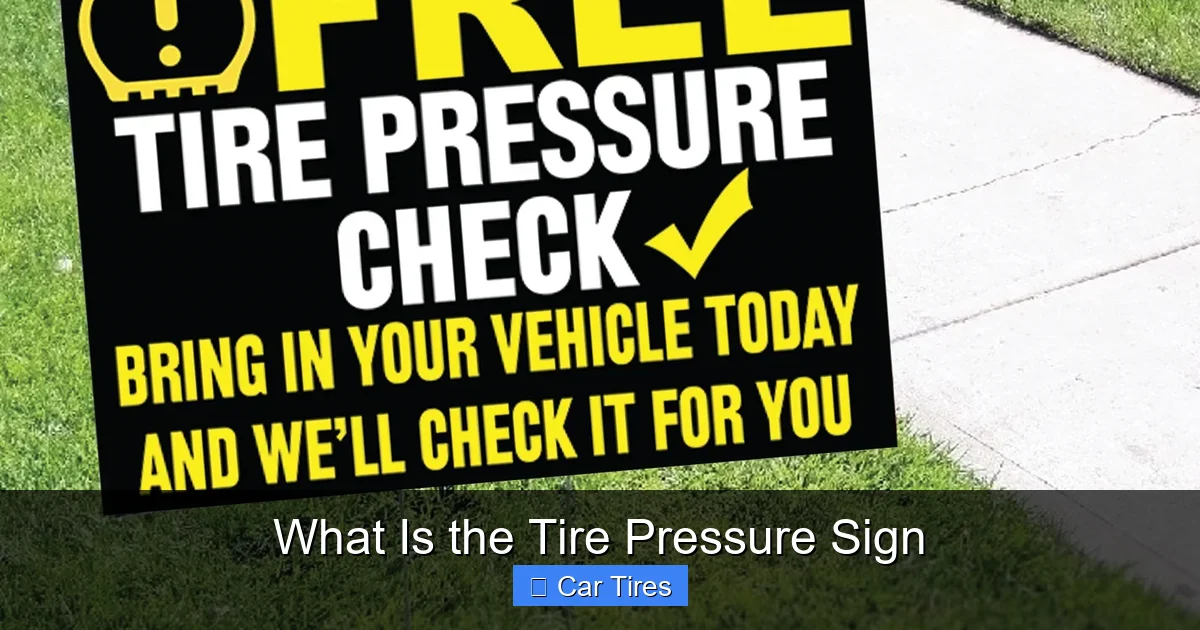
Visual guide about What Is the Tire Pressure Sign
Image source: signfever.com
Let’s start with the basics: what exactly does the tire pressure sign look like? If you’ve seen it before, you’ll recognize it instantly. It’s a simple, intuitive symbol designed to be understood at a glance.
The sign appears as a cross-section of a tire—like a horseshoe—with an exclamation point in the center. It’s usually colored yellow, amber, or orange, and it lights up on your dashboard when the system detects low pressure in one or more tires. On most modern vehicles, it’s located near other warning lights, such as the check engine light or oil pressure indicator.
You might also see it labeled as “TPMS” or “Low Tire Pressure” on digital displays, especially in newer cars with advanced instrument clusters. Some vehicles even show which specific tire is low—front left, rear right, etc.—giving you precise information so you know where to check.
It’s important to note that this light is different from the flat tire warning, which may show a different symbol or flash repeatedly. The tire pressure sign is steady when illuminated, indicating a persistent issue, not an immediate emergency like a blowout.
But here’s a common mistake: confusing this light with the tire maintenance reminder. Some cars have a separate “Tire Maintenance” or “Service Tire Monitor” light that comes on periodically, even when pressure is fine. That’s usually a prompt to rotate tires or check alignment—not an urgent warning. The tire pressure sign, on the other hand, is always tied to actual air pressure levels.
So, if you see that horseshoe with the exclamation point, don’t panic—but don’t ignore it either. It’s your car’s way of saying, “Let’s check the tires.”
How the Tire Pressure Monitoring System (TPMS) Works
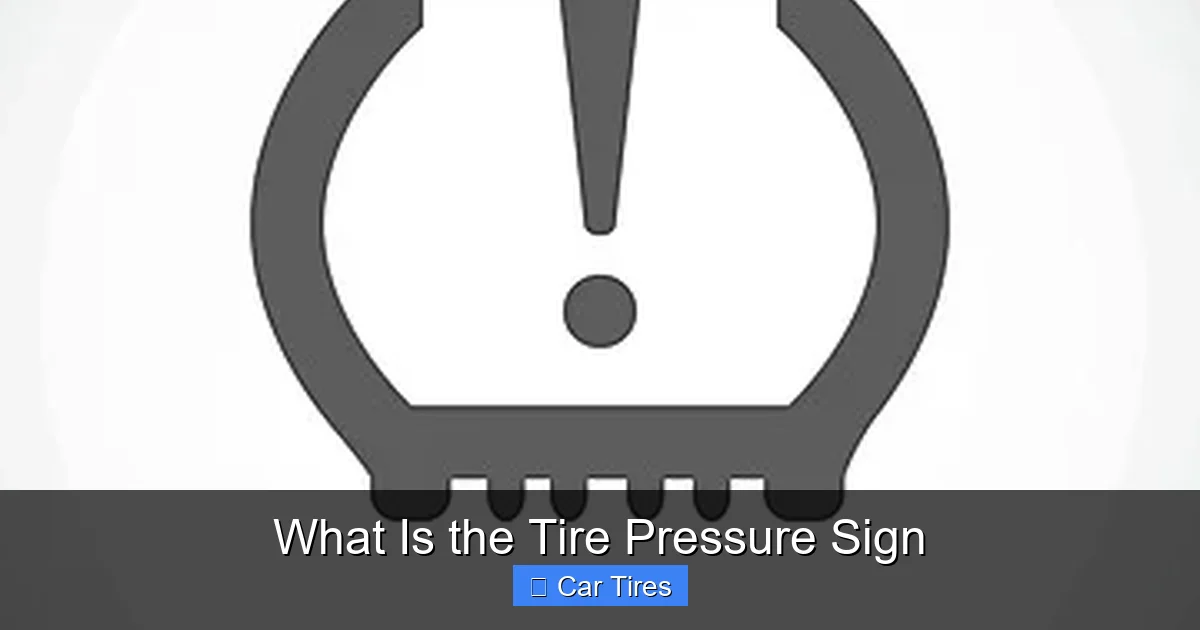
Visual guide about What Is the Tire Pressure Sign
Image source: png.pngtree.com
Now that you know what the sign looks like, let’s dive into how it actually works. The tire pressure sign doesn’t just appear out of nowhere—it’s the result of a sophisticated system called the Tire Pressure Monitoring System, or TPMS.
Introduced in the early 2000s and made mandatory in the U.S. for all vehicles under 10,000 pounds by 2008, TPMS was designed to reduce accidents caused by underinflated tires. According to the National Highway Traffic Safety Administration (NHTSA), underinflated tires contribute to thousands of crashes each year. TPMS helps prevent that by giving drivers real-time feedback.
There are two main types of TPMS: direct and indirect.
Direct TPMS
Direct TPMS uses sensors mounted inside each tire, usually attached to the valve stem or wheel rim. These sensors measure the actual air pressure and sometimes temperature, then transmit that data wirelessly to your car’s computer. When pressure drops below the recommended level—typically 25% or more below the manufacturer’s specification—the system triggers the warning light.
The advantage of direct TPMS is accuracy. It gives you precise readings for each tire, so you know exactly which one is low. Many systems also update in real time, so if pressure drops while you’re driving, the light will come on immediately.
However, these sensors run on batteries, which typically last 5 to 10 years. When the battery dies, the sensor may need to be replaced—usually during a tire change or service.
Indirect TPMS
Indirect TPMS, on the other hand, doesn’t use physical sensors in the tires. Instead, it relies on your car’s anti-lock braking system (ABS) wheel speed sensors. When a tire is underinflated, it has a smaller diameter and rotates faster than the others. The ABS system detects this difference and alerts the TPMS computer, which then turns on the warning light.
Indirect systems are less expensive and don’t require battery-powered sensors, but they’re also less accurate. They can’t tell you which tire is low, and they may not detect slow leaks or gradual pressure loss. They also need to be reset after tire rotation or inflation, which can be a hassle.
Most modern vehicles use direct TPMS because of its reliability, but some older or budget models still use indirect systems.
Why TPMS Matters
So why go through all this trouble? Because proper tire pressure is critical for safety and performance. Underinflated tires have more rolling resistance, which reduces fuel efficiency. They also generate more heat, increasing the risk of a blowout—especially at highway speeds. And because they don’t grip the road as well, they can increase stopping distance and reduce handling, especially in wet or icy conditions.
TPMS helps you catch these issues early, before they become dangerous. It’s like having a tire mechanic in your car, constantly watching over your wheels.
Why the Tire Pressure Sign Comes On: Common Causes
Visual guide about What Is the Tire Pressure Sign
Image source: i.ytimg.com
Now that you understand how TPMS works, let’s talk about why the tire pressure sign might light up in the first place. There are several reasons, and not all of them mean you have a flat tire.
Natural Air Loss Over Time
Tires naturally lose air over time—about 1 to 2 PSI per month, even under ideal conditions. This happens due to tiny pores in the rubber, temperature changes, and normal wear. If you haven’t checked your tires in a few months, it’s common for pressure to drop enough to trigger the warning light.
For example, imagine you filled your tires to the recommended 35 PSI in the summer. By winter, after several months of driving, the pressure might have dropped to 30 PSI. That’s a significant drop—enough to affect performance and trigger the TPMS.
Temperature Changes
Temperature has a big impact on tire pressure. For every 10°F drop in temperature, tire pressure decreases by about 1 PSI. That’s why the tire pressure sign often comes on during cold winter mornings, even if your tires were fine the day before.
Say you drive home on a 70°F evening and park your car. Overnight, the temperature drops to 30°F. By morning, your tire pressure could be 4 PSI lower—enough to set off the warning light. This is especially common in regions with harsh winters.
Conversely, in hot weather, pressure can increase. If you drive on a hot road, the air inside the tire expands, raising the PSI. While this usually doesn’t trigger the warning light (since it’s high pressure, not low), it can still affect handling and increase wear.
Punctures or Leaks
Of course, the most obvious cause is a puncture or leak. A nail, screw, or sharp object can pierce the tire, causing slow or fast air loss. Even small leaks around the valve stem, wheel rim, or tire bead can lead to gradual deflation.
For instance, you might drive over a nail on the road and not notice it right away. Over the next few days, the tire slowly loses air until the TPMS detects the drop and turns on the light. By then, the tire might be visibly low or even flat.
Faulty Sensors or System Glitches
Sometimes, the tire pressure sign comes on even when your tires are properly inflated. This can happen if a TPMS sensor is malfunctioning, has a dead battery, or is damaged. It can also occur after tire rotation or replacement if the system wasn’t reset properly.
For example, if you get new tires installed and the technician forgets to recalibrate the TPMS, the light might stay on even though pressure is fine. Or, if a sensor gets knocked loose during a pothole impact, it might send false readings.
Improper Inflation After Service
Another common cause is incorrect inflation after a service. Maybe you stopped at a gas station to fill your tires, but the air compressor was miscalibrated. Or perhaps you used a cheap tire gauge that gave inaccurate readings. If you overinflate or underinflate the tires, the TPMS may not recognize the correct pressure and keep the light on.
Always use a reliable tire pressure gauge and check the recommended PSI in your owner’s manual or the sticker on the driver’s side door jamb. Don’t rely solely on the gas station gauge.
What to Do When the Tire Pressure Sign Lights Up
So, the light is on. Now what? Don’t panic—but don’t ignore it either. Here’s a step-by-step guide to handling the situation safely and effectively.
1. Stay Calm and Pull Over Safely
If the light comes on while you’re driving, stay calm. The car is still drivable, but you should address the issue as soon as possible. Look for a safe place to pull over—like a rest area, gas station, or parking lot. Avoid stopping on the shoulder unless it’s an emergency.
2. Check Tire Pressure with a Gauge
Once you’re parked, use a tire pressure gauge to check each tire. Don’t rely on visual inspection—a tire can look fine even when it’s significantly underinflated. Compare your readings to the recommended PSI listed in your owner’s manual or on the door jamb sticker.
For example, if your car recommends 32 PSI and you find one tire at 26 PSI, that’s a clear problem. Inflate it to the correct level using a portable air compressor or visit a service station.
3. Inspect for Visible Damage
While checking pressure, look for signs of damage: nails, cuts, bulges, or cracks in the sidewall. If you see a puncture or severe wear, don’t drive on the tire. Use your spare or call for roadside assistance.
4. Inflate to the Correct PSI
Use an air compressor to inflate the low tire(s) to the recommended pressure. Don’t overinflate—too much air can be just as dangerous as too little. Overinflated tires have reduced contact with the road, leading to poor traction and uneven wear.
5. Reset the TPMS Light
After inflating the tires, the warning light may stay on until the system resets. In many cars, this happens automatically after driving a short distance (usually 10–20 minutes at moderate speed). In others, you may need to press a reset button—often labeled “TPMS” or “SET”—usually located under the steering wheel or in the settings menu.
Check your owner’s manual for specific instructions. If the light doesn’t turn off after resetting and driving, there may be a deeper issue.
6. Monitor the Situation
Keep an eye on the light over the next few days. If it comes back on, there could be a slow leak or sensor problem. Visit a tire professional for a thorough inspection.
Tips for Maintaining Proper Tire Pressure
Prevention is always better than reaction. Here are some practical tips to keep your tires in top shape and avoid that dreaded warning light.
Check Pressure Monthly
Make it a habit to check tire pressure at least once a month. The best time is in the morning, before you’ve driven the car, when the tires are cold. Driving heats up the tires and increases pressure, giving you a false reading.
Use a Quality Tire Gauge
Invest in a reliable digital or analog tire pressure gauge. Avoid the ones at gas stations—they’re often worn out or inaccurate. A good gauge costs $10–$20 and can last for years.
Don’t Forget the Spare
Many drivers forget to check the spare tire. But if you ever need it, you want it to be ready. Include the spare in your monthly pressure check.
Adjust for Load and Conditions
If you’re carrying heavy loads or towing, you may need to increase tire pressure slightly. Check your owner’s manual for load-specific recommendations. Also, remember that pressure drops in cold weather, so check more frequently in winter.
Rotate Tires Regularly
Tire rotation helps ensure even wear and can prevent pressure imbalances. Most manufacturers recommend rotating tires every 5,000 to 7,500 miles. When you rotate, have the TPMS sensors checked and reset if needed.
Watch for Seasonal Changes
As mentioned earlier, temperature affects pressure. In fall, check your tires before winter hits. In spring, recheck after the cold months. A little attention can prevent a lot of trouble.
The Risks of Ignoring the Tire Pressure Sign
It’s easy to dismiss the tire pressure sign as a minor annoyance. But ignoring it can have serious consequences—for your safety, your wallet, and your car.
Increased Risk of Blowouts
Underinflated tires generate more heat due to increased flexing of the sidewalls. This heat buildup can weaken the tire structure, leading to a blowout—especially at high speeds. A blowout can cause loss of control, especially on highways, and increase the risk of a crash.
Poor Fuel Economy
Low tire pressure increases rolling resistance, which means your engine has to work harder to move the car. This reduces fuel efficiency. According to the U.S. Department of Energy, underinflated tires can lower gas mileage by up to 0.2% for every 1 PSI drop in pressure. Over time, that adds up.
Reduced Handling and Braking
Properly inflated tires provide better grip, especially in wet or slippery conditions. Underinflated tires have a larger contact patch, which might sound good, but it actually reduces responsiveness and increases stopping distance. You may notice the car feels “mushy” or slow to respond in turns.
Uneven Tire Wear
Low pressure causes the edges of the tire to wear faster than the center. This uneven wear shortens tire life and can lead to premature replacement. It also affects alignment and suspension components over time.
Higher Repair Costs
Ignoring the warning light can lead to more expensive problems down the line. A slow leak might turn into a flat. A damaged sensor might need replacement. Or worse, a blowout could damage the wheel, suspension, or even the body of the car.
When to See a Professional
While many tire pressure issues can be resolved with a quick check and inflation, some situations require expert help.
The Light Won’t Turn Off
If you’ve inflated the tires to the correct PSI and reset the system, but the light stays on, there may be a sensor problem, a persistent leak, or a system malfunction. A tire technician can diagnose the issue using specialized tools.
You Notice a Slow Leak
If a tire keeps losing air despite being patched or resealed, there could be a hidden puncture, a damaged valve stem, or a crack in the rim. A professional can perform a bubble test or use dye to find the source.
After Tire Replacement or Rotation
Whenever you get new tires or rotate them, have the TPMS system checked. Sensors may need to be reprogrammed or replaced, especially if they’re old or damaged.
Unusual Vibrations or Handling Issues
If the tire pressure sign comes on along with vibrations, pulling to one side, or strange noises, it could indicate a more serious problem like a bent rim, internal tire damage, or suspension issues. Don’t delay—get it checked.
Conclusion: Listen to Your Car
The tire pressure sign is more than just a light on your dashboard—it’s a vital part of your car’s safety system. It’s there to protect you, your passengers, and your vehicle from the dangers of underinflated tires. By understanding what it means, how it works, and how to respond, you can stay safe on the road and keep your car running smoothly.
Don’t wait for the light to come on to check your tires. Make it a habit. Use a good gauge. Know your recommended PSI. And when that little horseshoe with the exclamation point appears, treat it with respect. It’s not a suggestion—it’s a warning.
Your tires are the only part of your car that touches the road. Keep them properly inflated, and they’ll take you where you need to go—safely, efficiently, and reliably.
Frequently Asked Questions
What does the tire pressure sign look like?
The tire pressure sign looks like a horseshoe-shaped tire with an exclamation point in the center. It usually appears in yellow or amber on your dashboard and is part of the Tire Pressure Monitoring System (TPMS).
Can I drive with the tire pressure light on?
You can drive short distances with the light on, but it’s not safe for long. Low tire pressure increases the risk of blowouts and poor handling. Pull over safely and check your tires as soon as possible.
Why does the tire pressure light come on in cold weather?
Cold temperatures cause air inside tires to contract, reducing pressure. For every 10°F drop, tire pressure decreases by about 1 PSI. This is why the light often appears in winter, even if tires were fine before.
How often should I check my tire pressure?
Check your tire pressure at least once a month and before long trips. Always check when tires are cold—before driving—for the most accurate reading.
Do I need to reset the TPMS light after inflating tires?
Yes, in many cases. Some cars reset automatically after driving 10–20 minutes. Others require a manual reset using a button or menu setting. Check your owner’s manual for instructions.
Can a faulty sensor cause the tire pressure light to stay on?
Yes. If a TPMS sensor is damaged, has a dead battery, or isn’t working properly, it may send false signals. A technician can diagnose and replace faulty sensors if needed.
