
What Size Tire Is 285/70r17

The 285/70R17 tire size is a popular choice for trucks and SUVs, offering a balance of off-road capability and on-road comfort. It features a 285mm tread width, 70% aspect ratio, and fits 17-inch wheels, resulting in an overall diameter of about 32.7 inches.
Key Takeaways
- Overall Diameter: The 285/70R17 tire has an approximate diameter of 32.7 inches, making it ideal for lifted or leveling kits.
- Tread Width: With a 285mm (11.2-inch) tread width, this tire provides excellent grip and stability on various terrains.
- Aspect Ratio: The 70% aspect ratio means the sidewall height is 70% of the tread width, balancing comfort and durability.
- Rim Compatibility: Designed for 17-inch wheels, this size fits many full-size trucks and SUVs like Ford F-150, Chevy Silverado, and Toyota Tacoma.
- Load and Speed Ratings: Most 285/70R17 tires support high load indexes (up to 121) and speed ratings up to 119 mph (S or T rated).
- Off-Road Performance: Widely used in all-terrain and mud-terrain tires, it excels in rugged conditions while maintaining highway manners.
- Fuel Efficiency & Ride Quality: Properly inflated and aligned, these tires offer a smooth ride with moderate impact on fuel economy.
📑 Table of Contents
- Understanding the 285/70R17 Tire Size: A Complete Guide
- Breaking Down the 285/70R17 Tire Code
- Real-World Applications: Where the 285/70R17 Shines
- Vehicle Compatibility: Which Trucks and SUVs Use 285/70R17?
- Performance, Fuel Economy, and Maintenance Tips
- Upgrading to 285/70R17: What You Need to Know
- Conclusion: Is 285/70R17 Right for You?
Understanding the 285/70R17 Tire Size: A Complete Guide
If you’re shopping for new tires for your truck or SUV, chances are you’ve come across the size “285/70R17” and wondered—what does that actually mean? You’re not alone. Tire sizing can feel like decoding a secret language, especially when you’re trying to balance performance, safety, and style. But don’t worry—we’re here to break it down in plain English.
The 285/70R17 is one of the most popular tire sizes among off-road enthusiasts, daily drivers, and weekend adventurers alike. It strikes a sweet spot between rugged capability and everyday usability. Whether you’re hauling gear, towing a trailer, or just cruising down the highway, this tire size offers a great mix of strength, comfort, and versatility. But to truly understand why it’s so widely used, we need to dig into what each part of that alphanumeric code actually represents.
In this guide, we’ll walk you through every detail of the 285/70R17 tire size—from its dimensions and construction to real-world applications and maintenance tips. By the end, you’ll know exactly what size tire is 285/70R17, how it compares to other sizes, and whether it’s the right fit for your vehicle. So grab a coffee, get comfortable, and let’s dive in.
Breaking Down the 285/70R17 Tire Code
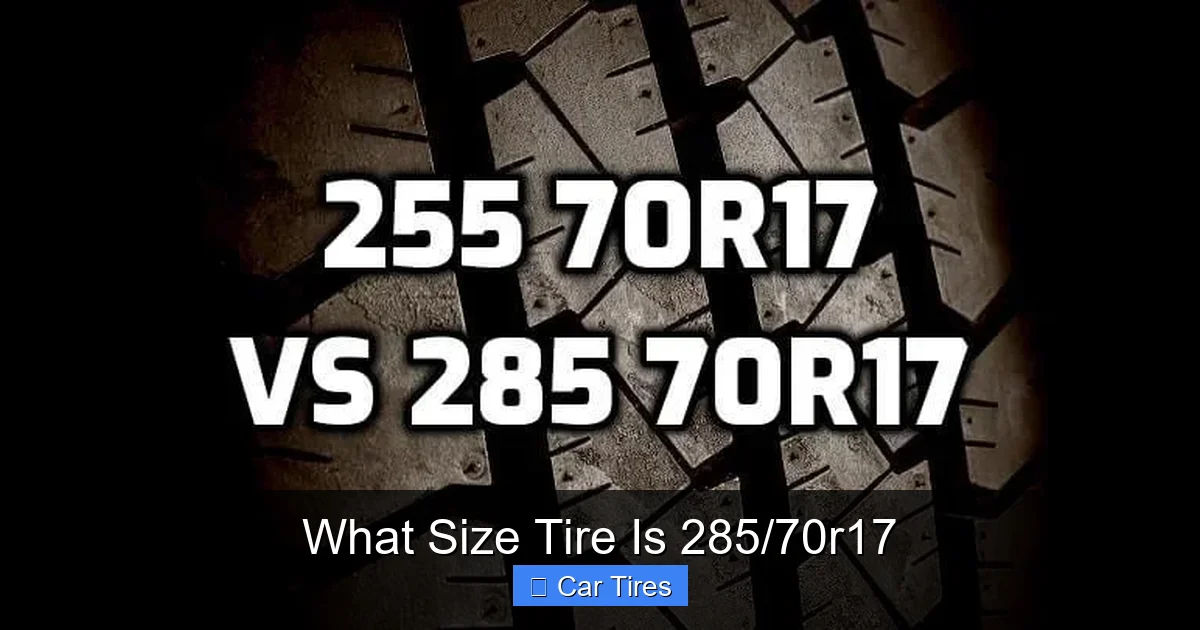
Visual guide about What Size Tire Is 285/70r17
Image source: tireblogger.com
Let’s start with the basics: what do those numbers and letters in “285/70R17” actually mean? At first glance, it might look like a random string of characters, but each part of the code tells you something important about the tire’s size, shape, and function.
The first number, **285**, refers to the tire’s **section width**—that’s the width of the tire from sidewall to sidewall, measured in millimeters. So, a 285 tire is 285 millimeters wide, which converts to roughly 11.2 inches. This is a fairly wide tire, which means it offers a larger contact patch with the road. That translates to better traction, especially when cornering, accelerating, or braking.
Next up is the **70**, which is the **aspect ratio**. This number represents the height of the tire’s sidewall as a percentage of the section width. In this case, the sidewall height is 70% of 285mm. So, 70% of 285 is 199.5mm. That means the sidewall is about 199.5 millimeters tall. A higher aspect ratio (like 70) generally means a taller, more flexible sidewall, which can improve ride comfort by absorbing bumps and vibrations from the road.
The letter **R** stands for **radial construction**, which is the most common type of tire build today. Radial tires have layers of fabric and steel belts running radially across the tire, perpendicular to the direction of travel. This design offers better fuel efficiency, longer tread life, and improved handling compared to older bias-ply tires.
Finally, the last number, **17**, is the **rim diameter**—the size of the wheel the tire is designed to fit, measured in inches. So, a 285/70R17 tire is made to mount on a 17-inch wheel. This is a standard size for many full-size trucks and SUVs, making it a popular choice for both factory and aftermarket setups.
Why the 285/70R17 Size Is So Popular
So why has the 285/70R17 become such a go-to size? It’s not just a random combination—it’s the result of years of engineering and real-world testing. This size offers a near-perfect balance between performance, comfort, and durability.
First, the **overall diameter** of a 285/70R17 tire is approximately **32.7 inches**. That’s important because it determines how much ground clearance your vehicle has and how the tire interacts with your suspension and fenders. A 32.7-inch tire is large enough to give you that rugged, lifted look many truck owners love, but not so big that it causes rubbing or requires major modifications.
Second, the **width** of 285mm (11.2 inches) provides excellent stability. Whether you’re driving on gravel, mud, snow, or pavement, a wider tire grips better. This is especially useful for off-roading, where traction is everything. At the same time, the 70% aspect ratio keeps the sidewall tall enough to cushion the ride, so you’re not bouncing around on every pothole.
Third, the **17-inch wheel** is a sweet spot for many drivers. Smaller wheels (like 15 or 16 inches) can look too small on modern trucks, while larger wheels (18 inches and up) often come with lower-profile tires that sacrifice comfort. The 17-inch wheel with a 70-series tire gives you the best of both worlds: a strong, durable wheel and a tire that can handle rough roads without beating you up.
Real-World Applications: Where the 285/70R17 Shines
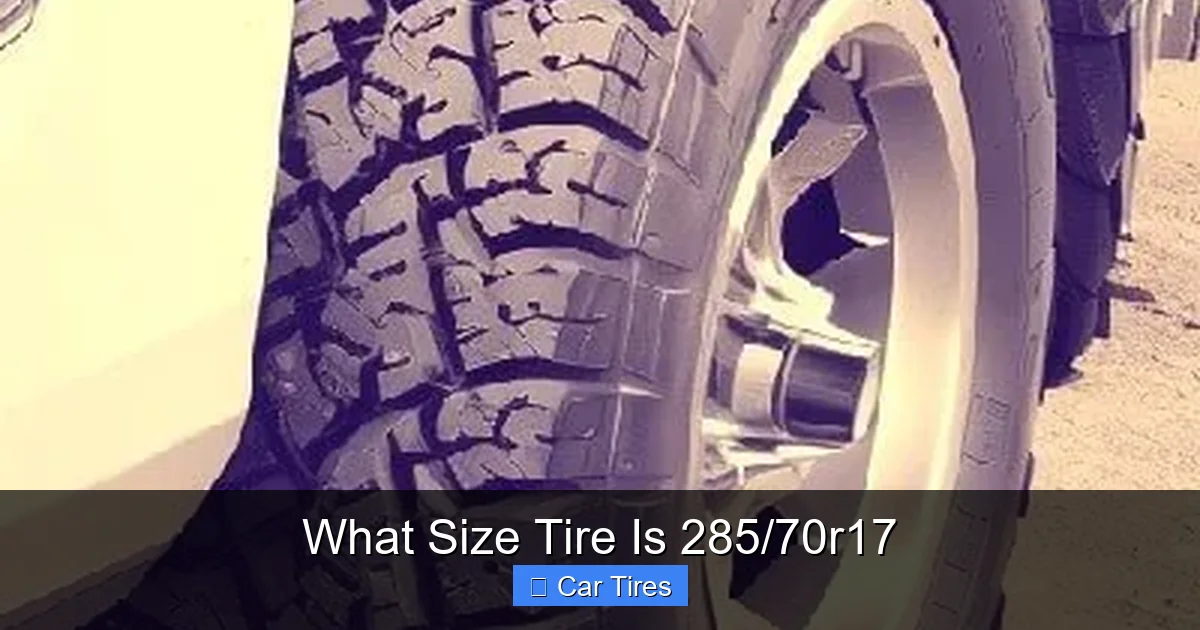
Visual guide about What Size Tire Is 285/70r17
Image source: tireblogger.com
Now that we understand the specs, let’s talk about where this tire size really shines. The 285/70R17 isn’t just a number on a spec sheet—it’s a workhorse that performs in a variety of real-world conditions.
Off-Roading and Overlanding
If you’re into off-roading, overlanding, or just exploring backcountry trails, the 285/70R17 is a favorite among enthusiasts. Its large diameter and wide footprint give you excellent ground clearance and traction on loose or uneven terrain. Whether you’re crawling over rocks, slogging through mud, or driving on sandy desert trails, this tire size can handle it.
Many all-terrain and mud-terrain tires come in this size, including popular models like the BFGoodrich All-Terrain T/A KO2, Goodyear Wrangler Duratrac, and Nitto Ridge Grappler. These tires are built to withstand abuse while still offering decent highway manners. The tall sidewall also helps absorb impacts, reducing the risk of pinch flats or wheel damage when you hit unexpected obstacles.
Towing and Hauling
Trucks equipped with 285/70R17 tires are often used for towing trailers, boats, or campers. The wider tread and strong construction provide better stability under heavy loads. The increased contact patch helps distribute weight more evenly, reducing the risk of sway or loss of control.
For example, if you’re towing a 7,000-pound travel trailer with a Ford F-150 or Ram 1500, a set of 285/70R17 tires can give you the confidence to drive safely, even in windy conditions or on steep grades. Just make sure your vehicle’s suspension and brakes are up to the task—larger tires can increase strain on these components.
Daily Driving and Highway Use
Despite its rugged reputation, the 285/70R17 isn’t just for off-road warriors. Many people use this tire size for daily driving, especially if they want a more aggressive look without sacrificing comfort. The tall sidewall helps smooth out rough roads, and modern tire technology means you can get quiet, fuel-efficient options even in this size.
For instance, the Michelin Defender LTX M/S in 285/70R17 is a highway-focused tire that offers excellent tread life, low road noise, and great wet-weather performance. It’s a great choice if you want the look and capability of a larger tire but still spend most of your time on paved roads.
Winter and Snow Performance
The 285/70R17 size is also a solid choice for winter driving. The wide tread and deep grooves in winter or all-weather tires help channel snow and slush away from the contact patch, improving grip. The tall sidewall also helps the tire conform to uneven snow-covered roads, maintaining better contact.
Tires like the Bridgestone Blizzak DM-V2 or the Cooper Discoverer Snow Claw come in this size and are designed specifically for cold-weather performance. If you live in an area with heavy snowfall, this tire size can give you the confidence to drive safely all winter long.
Vehicle Compatibility: Which Trucks and SUVs Use 285/70R17?
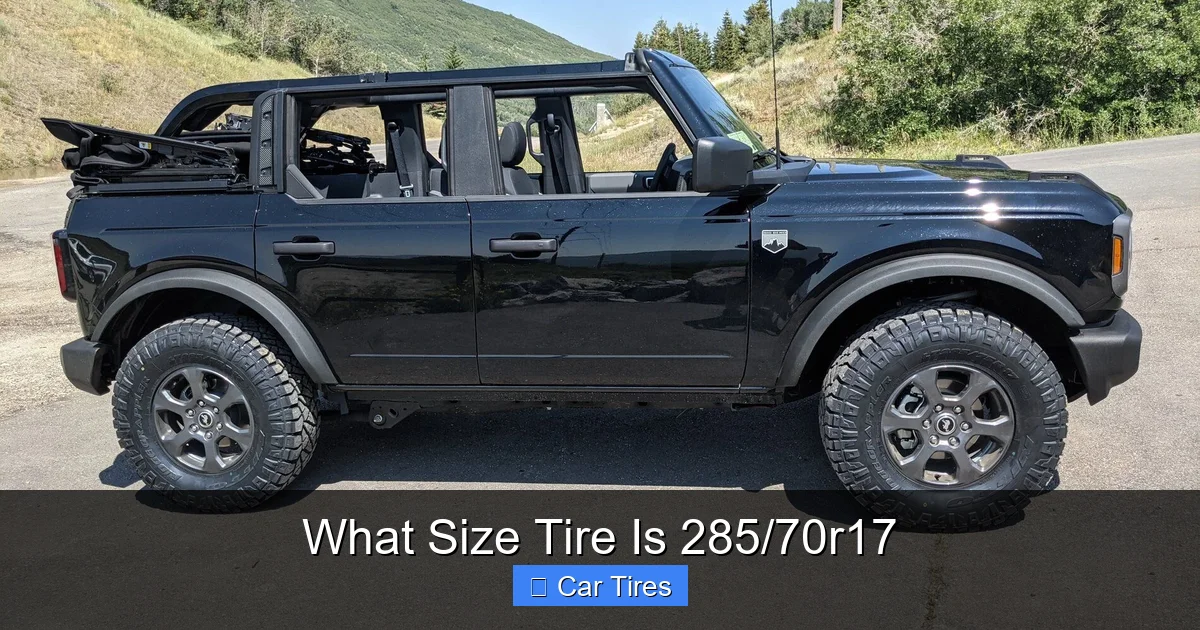
Visual guide about What Size Tire Is 285/70r17
Image source: api.thebronconation.com
One of the best things about the 285/70R17 tire size is its wide compatibility. It fits a broad range of vehicles, from half-ton trucks to full-size SUVs. Here are some of the most common models that can run this tire size, either from the factory or with minor modifications.
Ford Trucks and SUVs
– **Ford F-150**: Many F-150 models, especially those with leveling kits or mild lifts, can easily accommodate 285/70R17 tires. This size gives the truck a more aggressive stance without requiring major suspension changes.
– **Ford Expedition**: The full-size SUV version of the F-150, the Expedition, also works well with this tire size, especially for overlanding or towing.
– **Ford Ranger (2019+)**: The newer Ranger models can fit 285/70R17 tires with a 2-inch lift and minor trimming, making it a popular upgrade for off-road builds.
Chevrolet and GMC Trucks
– **Chevrolet Silverado 1500 / GMC Sierra 1500**: These trucks are prime candidates for 285/70R17 tires. With a leveling kit, they can run this size with no rubbing, even when fully loaded.
– **Chevrolet Tahoe / GMC Yukon**: These full-size SUVs benefit from the added ground clearance and rugged look of 285/70R17 tires, especially when equipped with all-terrain or mud-terrain options.
Ram Trucks
– **Ram 1500**: The Ram 1500, particularly the Rebel trim, often comes with larger tires, and 285/70R17 is a natural fit. Even non-Rebel models can run this size with a leveling kit.
– **Ram 2500/3500**: While these heavy-duty trucks often use larger tires, some owners opt for 285/70R17 for a balanced look and performance.
Toyota Trucks and SUVs
– **Toyota Tacoma**: With a 2-inch lift and proper wheel offset, the Tacoma can run 285/70R17 tires. This is a popular upgrade for overlanding builds.
– **Toyota 4Runner**: The 4Runner, especially the TRD Off-Road and TRD Pro trims, can easily handle this tire size, making it a favorite among off-road enthusiasts.
– **Toyota Tundra**: The full-size Tundra can run 285/70R17 tires with minimal modifications, offering improved off-road capability and a more commanding presence.
Nissan and Other Brands
– **Nissan Titan**: The Titan can accommodate 285/70R17 tires, especially with a leveling kit.
– **Jeep Gladiator**: While the Gladiator often runs larger tires, 285/70R17 is a common choice for those who want a balance of size and comfort.
Important Notes on Fitment
While 285/70R17 tires fit many vehicles, it’s important to check for clearance issues. Even with a leveling kit, you may need to trim fender liners or adjust suspension components to prevent rubbing, especially during full suspension compression or sharp turns.
Also, keep in mind that larger tires can affect your speedometer accuracy. A 32.7-inch tire rotates fewer times per mile than a stock 30-inch tire, so your speedometer may read slower than your actual speed. This can be corrected with a speedometer recalibration module or by reprogramming your vehicle’s computer.
Performance, Fuel Economy, and Maintenance Tips
Choosing the right tire size isn’t just about looks—it’s about how your vehicle performs, how much fuel it uses, and how long the tires last. Let’s look at how the 285/70R17 affects these key areas.
Handling and Ride Quality
The 285/70R17 offers a great balance of handling and comfort. The wide tread provides confident cornering and braking, while the tall sidewall absorbs road imperfections. This makes it a solid choice for both city driving and long highway trips.
However, because the tire is wider and heavier than stock sizes, it can slightly increase steering effort and reduce responsiveness. This is usually minor and outweighed by the benefits, but it’s something to be aware of, especially if you’re used to narrower tires.
Fuel Economy Impact
Larger, heavier tires like the 285/70R17 can have a small negative impact on fuel economy. The increased rolling resistance and rotational mass mean your engine has to work a little harder to move the vehicle. On average, you might see a 1–2 mpg drop compared to stock tires.
That said, tire choice plays a big role. All-terrain tires with aggressive tread patterns will hurt fuel economy more than highway-focused models. If fuel efficiency is a priority, look for tires with low rolling resistance, like the Michelin Defender LTX or Continental TerrainContact H/T.
Tread Life and Durability
The 285/70R17 size is available in a wide range of tread compounds and designs, so tread life can vary significantly. Highway tires may last 60,000–80,000 miles, while aggressive mud-terrain tires might only last 30,000–40,000 miles, depending on driving conditions.
To maximize tread life, rotate your tires every 5,000–7,500 miles, maintain proper inflation, and avoid aggressive driving. Also, check your alignment regularly—misaligned wheels can cause uneven wear, especially on wide tires.
Proper Inflation and Load Capacity
Always check the recommended tire pressure for your vehicle and tire combination. Underinflated tires can overheat, wear unevenly, and even fail. Overinflated tires reduce the contact patch and can make the ride harsh.
Most 285/70R17 tires have a load index of 121, which means each tire can support up to 3,195 pounds. That’s more than enough for most trucks and SUVs, even when fully loaded. Just make sure your tire’s load rating matches or exceeds your vehicle’s requirements.
Upgrading to 285/70R17: What You Need to Know
If you’re thinking about upgrading to 285/70R17 tires, there are a few things to consider before making the switch.
Do You Need a Lift or Leveling Kit?
On many trucks, 285/70R17 tires will fit without a lift, especially if you’re replacing a similar-sized stock tire. However, if your vehicle came with smaller tires (like 265/70R17), you may need a 1–2 inch leveling kit to prevent rubbing.
A leveling kit raises the front of the truck to match the rear, creating more clearance for larger tires. It’s a relatively inexpensive and easy modification that can make a big difference in fitment.
Wheel Offset and Backspacing
The wheels you choose are just as important as the tires. A wheel with too much positive offset (pushed out) can cause rubbing on the suspension or fenders. Too much negative offset (pulled in) can stress wheel bearings and affect handling.
For 285/70R17 tires, a wheel with 0 to +10mm offset and 5.5 to 6 inches of backspacing is usually ideal. This keeps the tire tucked under the fender while providing enough clearance for suspension travel.
Speedometer and Gear Ratio Considerations
As mentioned earlier, larger tires can throw off your speedometer. A 32.7-inch tire rotates about 650 times per mile, while a 30-inch tire rotates about 700 times. That’s a 7% difference, which means your speedometer could be off by several miles per hour.
To fix this, you can recalibrate your speedometer using a tuner like the Hypertech Max Energy or DiabloSport Trinity. Some newer trucks also allow you to adjust tire size through the onboard computer.
Additionally, if you’ve made significant changes to tire size, you might want to consider re-gearing your differential. Larger tires effectively change your gear ratio, which can hurt acceleration and towing performance. Re-gearing can restore power and efficiency, but it’s a more involved (and expensive) modification.
Conclusion: Is 285/70R17 Right for You?
So, what size tire is 285/70R17? It’s a versatile, capable, and popular tire size that offers a great mix of off-road performance, on-road comfort, and rugged style. With a 285mm width, 70% aspect ratio, and 17-inch rim diameter, it delivers an overall diameter of about 32.7 inches—perfect for trucks and SUVs that need a little extra ground clearance and presence.
Whether you’re hitting the trails, towing a trailer, or just want your vehicle to look and feel more capable, the 285/70R17 is a smart choice. It fits a wide range of vehicles, works with various tire types, and strikes a balance between performance and practicality.
Of course, it’s not without trade-offs. You might see a slight drop in fuel economy, and you’ll need to check for fitment issues. But for most drivers, the benefits far outweigh the drawbacks.
If you’re ready to upgrade, take the time to research compatible wheels, consider a leveling kit if needed, and choose a tire that matches your driving style. With the right setup, your 285/70R17 tires will serve you well for years to come.
Frequently Asked Questions
What does 285/70R17 mean?
The 285/70R17 tire size means the tire is 285 millimeters wide, has a sidewall height that is 70% of the width, and fits a 17-inch wheel. The “R” indicates radial construction, the most common type of tire build.
What is the overall diameter of a 285/70R17 tire?
The overall diameter of a 285/70R17 tire is approximately 32.7 inches. This makes it larger than many stock tires, providing better ground clearance and a more aggressive look.
Can I put 285/70R17 tires on my truck without a lift?
It depends on your vehicle. Many trucks can fit 285/70R17 tires with a leveling kit or minor modifications. Check for clearance issues, especially during full suspension travel or sharp turns.
Are 285/70R17 tires good for off-roading?
Yes, this size is very popular for off-roading. Its wide tread and tall sidewall provide excellent traction and impact absorption on rough terrain, making it ideal for all-terrain and mud-terrain tires.
Will 285/70R17 tires affect my fuel economy?
Larger, heavier tires like the 285/70R17 can slightly reduce fuel economy due to increased rolling resistance. Expect a 1–2 mpg drop, depending on tire type and driving habits.
What vehicles commonly use 285/70R17 tires?
Popular vehicles include the Ford F-150, Chevy Silverado 1500, Ram 1500, Toyota Tacoma, and 4Runner. Many of these can run this size with a leveling kit or lift.