
How to Set Tire Pressure Monitoring System

Setting up your tire pressure monitoring system (TPMS) ensures optimal safety, fuel efficiency, and tire longevity. This guide walks you through the process clearly and simply, whether you’re resetting after a tire change or adjusting for seasonal changes.
Key Takeaways
- Understand TPMS basics: Learn what TPMS is and why it matters for vehicle safety and performance.
- Know your TPMS type: Direct and indirect systems work differently and require unique setup steps.
- Check tire pressure regularly: Always inflate tires to the manufacturer’s recommended PSI before setting the system.
- Use the correct reset method: Follow your vehicle’s specific procedure—some use buttons, others require a scan tool.
- Reset after tire changes or rotations: Always relearn sensor IDs when tires are moved or replaced.
- Monitor seasonal changes: Cold weather lowers pressure; adjust and reset TPMS as needed.
- Seek professional help when needed: Complex issues may require a mechanic or diagnostic tool.
📑 Table of Contents
- Introduction: Why Your Tire Pressure Monitoring System Matters
- What Is a Tire Pressure Monitoring System (TPMS)?
- When Do You Need to Set or Reset Your TPMS?
- Step-by-Step Guide: How to Set Tire Pressure Monitoring System
- Tips for Maintaining Your TPMS
- Common TPMS Problems and How to Fix Them
- Conclusion: Stay Safe, Stay Informed
Introduction: Why Your Tire Pressure Monitoring System Matters
Imagine driving down the highway on a crisp morning, the sun rising over the hills, and suddenly your dashboard lights up with a warning symbol that looks like a flat tire. Your heart skips a beat—did you run over something? Is one of your tires losing air? That little icon is your tire pressure monitoring system (TPMS), and it’s there to protect you.
The TPMS is a critical safety feature in modern vehicles, designed to alert you when one or more tires are significantly underinflated. Underinflated tires can lead to poor handling, reduced fuel efficiency, increased tire wear, and even dangerous blowouts—especially at high speeds. But here’s the thing: the TPMS isn’t just about warning you. It’s also about helping you maintain optimal tire performance. And to do that, you need to know how to set tire pressure monitoring system correctly.
Whether you’ve just rotated your tires, replaced a sensor, or noticed the warning light after a cold night, setting up your TPMS properly ensures it works as intended. It’s not complicated, but it does require a few key steps. In this guide, we’ll walk you through everything you need to know—from understanding how TPMS works to performing a reset like a pro. By the end, you’ll feel confident maintaining your vehicle’s tire health and safety.
What Is a Tire Pressure Monitoring System (TPMS)?
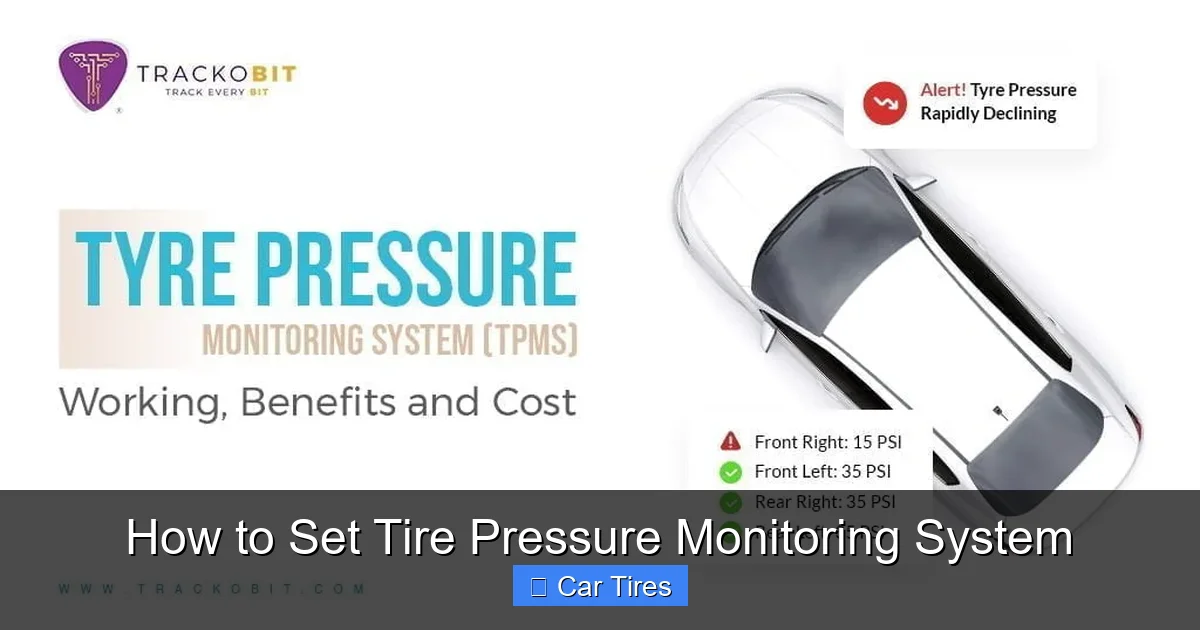
Before diving into how to set tire pressure monitoring system, it’s important to understand what TPMS actually is and how it functions. At its core, TPMS is an electronic system that monitors the air pressure inside your vehicle’s tires. When the pressure drops below a certain threshold—usually 25% below the recommended level—the system triggers a warning light on your dashboard.
Visual guide about How to Set Tire Pressure Monitoring System
Image source: e7yp5tq4unz.exactdn.com
Types of TPMS: Direct vs. Indirect
There are two main types of TPMS: direct and indirect. Each works differently and requires a different approach when setting or resetting.
Direct TPMS uses pressure sensors mounted inside each tire, typically attached to the valve stem or wheel. These sensors measure the actual air pressure and send real-time data to your vehicle’s computer via radio frequency (RF) signals. Most modern vehicles use direct TPMS because it’s more accurate and can detect pressure changes in individual tires.
Indirect TPMS, on the other hand, doesn’t use physical sensors. Instead, it relies on the vehicle’s anti-lock braking system (ABS) wheel speed sensors. When a tire is underinflated, it rotates faster than the others due to its smaller diameter. The ABS system detects this difference and triggers the TPMS warning light. While indirect systems are less expensive, they’re also less precise and can’t tell you which tire is low—just that one of them is.
Why TPMS Is Required by Law
In the United States, all passenger vehicles manufactured after September 1, 2007, are required by law to have a TPMS. This mandate came from the Transportation Recall Enhancement, Accountability, and Documentation (TREAD) Act, which was passed in response to safety concerns related to underinflated tires—especially in SUVs and light trucks.
The goal was simple: reduce accidents caused by tire failure. Studies show that underinflated tires are a leading cause of tire-related crashes. By alerting drivers early, TPMS helps prevent blowouts, loss of control, and other dangerous situations. So, while it might seem like just another dashboard light, TPMS plays a vital role in road safety.
How TPMS Sensors Work
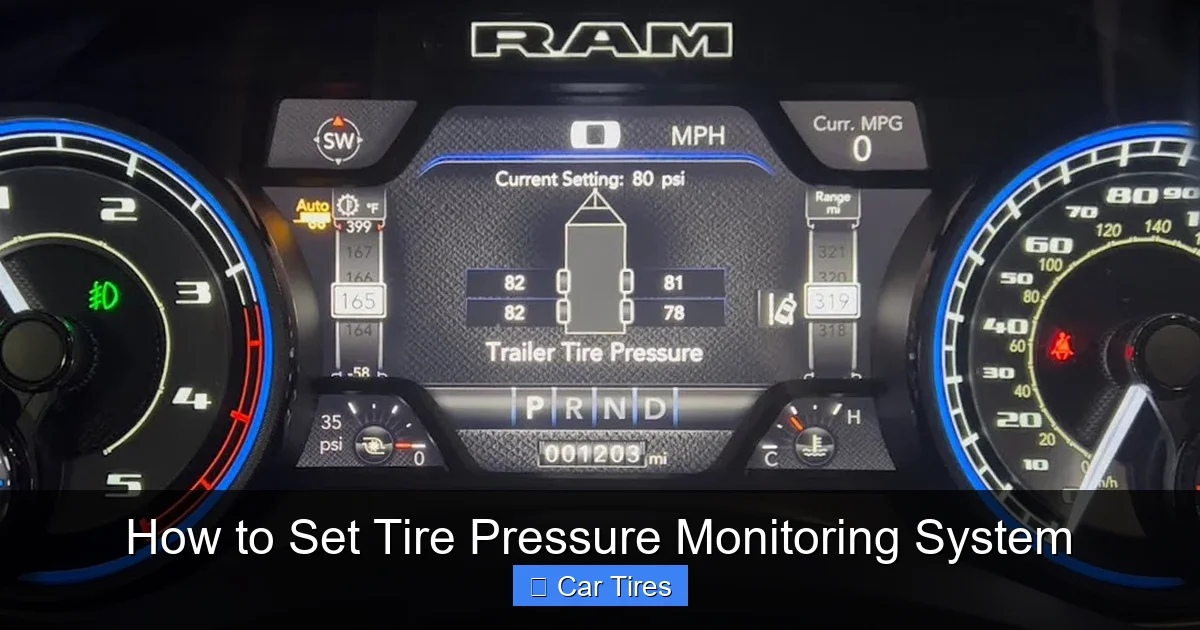
In a direct TPMS, each sensor is a small electronic device powered by a battery (usually lasting 5–10 years). It measures pressure and temperature and transmits that data to the vehicle’s onboard computer. Some advanced systems even display individual tire pressures on the dashboard or infotainment screen.
These sensors are activated by motion—once the vehicle starts moving, the sensors “wake up” and begin transmitting. When the car is parked, they go into sleep mode to conserve battery life. This is why you might not see pressure readings immediately after starting your car—it takes a minute or two for the system to initialize.
Indirect TPMS, as mentioned, uses existing ABS sensors. It doesn’t measure pressure directly but infers it based on wheel rotation. Because it’s tied to the ABS, it can be affected by changes in tire size (like switching to winter tires) or uneven wear. This is why indirect systems often require a reset after tire rotations or replacements.
When Do You Need to Set or Reset Your TPMS?
Knowing when to set or reset your TPMS is just as important as knowing how. The system isn’t a “set it and forget it” feature—it needs attention under certain conditions. Here are the most common scenarios when you’ll need to intervene.
Visual guide about How to Set Tire Pressure Monitoring System
Image source: trackobit.com
After Tire Rotation or Replacement
Every time you rotate your tires or replace one (or more), the TPMS may need to be reset. Why? Because the sensors are tied to specific wheel positions. If you move a tire from the front left to the rear right, the system still thinks that sensor belongs to the front left. This can cause confusion and inaccurate warnings.
For example, let’s say you rotate your tires and don’t reset the TPMS. The system might show a low-pressure warning for the front left tire—even though that tire is now in the back and perfectly fine. This is especially true for vehicles with advanced TPMS that display individual tire pressures.
Most modern vehicles require a “relearn” procedure to tell the system which sensor is now in which position. This process varies by make and model, but it usually involves driving the car for a few minutes or using a special tool.
After Replacing a TPMS Sensor
TPMS sensors don’t last forever. Their batteries typically die after 5–10 years, and the sensors themselves can fail due to corrosion, impact, or wear. When you replace a sensor, the new one has a unique ID that the vehicle’s computer doesn’t recognize. So, you’ll need to program it into the system.
This is where things can get tricky. Some vehicles allow you to program new sensors using the dashboard menu or a reset button. Others require a professional scan tool or visit to the dealership. If you’re doing it yourself, make sure you have the correct sensor for your vehicle—TPMS sensors are not universal.
After a Significant Temperature Change
Tire pressure changes with temperature. For every 10°F drop in temperature, tire pressure decreases by about 1 PSI. This is why your TPMS light might come on during a cold snap—even if your tires were properly inflated the day before.
If the light comes on due to cold weather, the first step is to check and adjust your tire pressure. Once you’ve inflated the tires to the correct PSI, you may need to reset the TPMS so it stops warning you. In many cases, the light will turn off on its own after a few miles of driving. But if it stays on, a manual reset is usually required.
After Installing New Tires or Wheels
When you install new tires—especially if they’re a different size or brand—the TPMS may need recalibration. This is more common with indirect systems, which rely on wheel speed. A change in tire diameter can throw off the readings, causing false warnings.
Even with direct TPMS, new wheels might not have sensors installed. If you’re switching to aftermarket wheels, make sure they’re TPMS-compatible or that you transfer the existing sensors. Otherwise, your system won’t work at all.
After a Battery Disconnect or Reset
If your vehicle’s battery has been disconnected or replaced, the TPMS may lose its stored sensor IDs. This is common after jump-starts, battery replacements, or electrical repairs. In such cases, the system needs to “relearn” the sensor positions.
This is especially true for vehicles that don’t have automatic relearn capabilities. You’ll need to follow the manufacturer’s procedure to reset the system and ensure it recognizes all four sensors.
Step-by-Step Guide: How to Set Tire Pressure Monitoring System
Now that you know when to reset your TPMS, let’s get into the nitty-gritty: how to set tire pressure monitoring system correctly. The exact steps vary by vehicle, but the general process is similar across most makes and models. Here’s a comprehensive guide to help you through it.
Visual guide about How to Set Tire Pressure Monitoring System
Image source: emeraldintegrations.com
Step 1: Check and Adjust Tire Pressure
Before doing anything else, make sure all four tires are inflated to the manufacturer’s recommended pressure. You can find this information on a sticker inside the driver’s door jamb or in your owner’s manual. Don’t use the number printed on the tire sidewall—that’s the maximum pressure, not the recommended one.
Use a reliable tire pressure gauge to check each tire. If any are low, inflate them to the correct PSI. It’s best to do this when the tires are cold (i.e., the car hasn’t been driven for at least three hours). Driving heats up the tires and increases pressure, giving you a false reading.
For example, if your vehicle recommends 32 PSI and your front tires are at 28 PSI, inflate them to 32. Once all tires are properly inflated, you’re ready for the next step.
Step 2: Locate the TPMS Reset Button or Menu
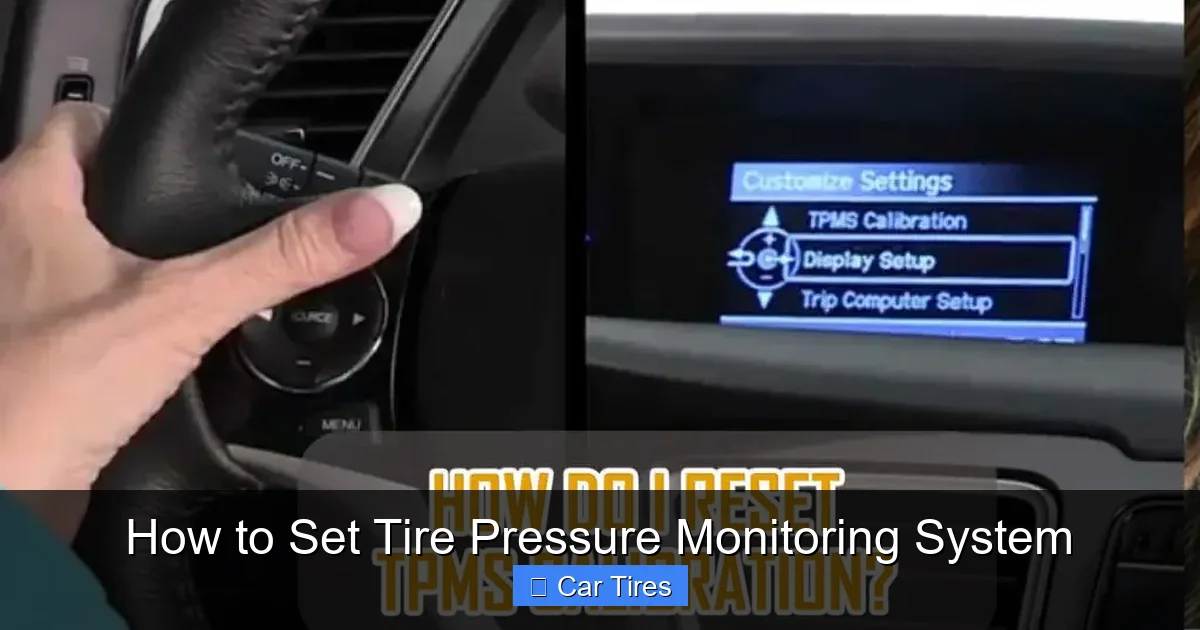
Most vehicles have a TPMS reset button, usually located under the steering wheel, near the fuse box, or in the glove compartment. It’s often labeled “TPMS,” “SET,” or “RESET.” Some cars require you to access the reset function through the infotainment system or dashboard menu.
Check your owner’s manual for the exact location. If you can’t find it, a quick online search for your vehicle’s make, model, and year should help. For instance, a 2020 Honda Civic has a TPMS reset button under the dashboard, while a 2018 Ford F-150 uses the instrument cluster menu.
Step 3: Turn the Ignition to the “On” Position
You don’t need to start the engine, but the ignition must be in the “on” or “accessory” position. This powers up the vehicle’s electrical systems without engaging the engine. Make sure all doors are closed and the parking brake is on for safety.
Some vehicles require the engine to be running during the reset process. Again, refer to your owner’s manual for specifics. When in doubt, start with the ignition on and see if the reset button responds.
Step 4: Press and Hold the Reset Button
Once the ignition is on, press and hold the TPMS reset button. You’ll usually need to hold it for 3–10 seconds. During this time, the TPMS warning light may flash or stay on. This is normal—it means the system is in reset mode.
For example, on a Toyota Camry, you press and hold the reset button until the TPMS light blinks three times. On a Subaru Outback, you hold it until the light turns off and then back on. The exact behavior varies, so pay attention to the dashboard.
Step 5: Drive the Vehicle to Complete the Relearn
After pressing the reset button, start the engine and drive the vehicle for about 10–20 minutes at a speed of 30–50 mph. This allows the system to “relearn” the sensor positions and confirm that all tires are properly inflated.
During this drive, the TPMS light may flash or stay on temporarily. Once the system completes its cycle, the light should turn off. If it doesn’t, you may need to repeat the process or check for sensor issues.
Alternative: Using a TPMS Scan Tool
Some vehicles—especially newer models or luxury brands—require a professional TPMS scan tool to reset the system. These tools can read sensor IDs, program new sensors, and perform advanced diagnostics.
If your vehicle doesn’t have a reset button or the manual method doesn’t work, you may need to visit a mechanic or tire shop. They have the equipment to handle complex TPMS procedures. While it might cost $20–$50, it’s worth it to ensure the system works correctly.
Tips for Maintaining Your TPMS
Setting your TPMS is just the beginning. To keep it working properly, you need to maintain it over time. Here are some practical tips to help you get the most out of your system.
Check Tire Pressure Monthly
Even with TPMS, it’s smart to check your tire pressure manually once a month. The system only warns you when pressure is significantly low—usually 25% below recommended. By checking regularly, you can catch small leaks or slow leaks before they become a problem.
Use a digital tire pressure gauge for accuracy. Keep it in your glove box or garage so you remember to use it. Make it part of your routine—like checking your oil or washing your car.
Replace Sensors When Needed
TPMS sensors have a limited lifespan. If your vehicle is more than 7–10 years old, consider having the sensors inspected. A mechanic can test the battery life and functionality. Replacing a sensor typically costs $50–$100 per wheel, including labor.
Don’t wait for the light to come on. Proactive replacement can prevent unexpected failures and keep your system reliable.
Use TPMS-Compatible Tires and Wheels
When buying new tires or wheels, make sure they’re compatible with your TPMS. Most modern tires are fine, but some aftermarket wheels don’t have sensor mounts. If you’re unsure, ask the retailer or consult your owner’s manual.
Also, avoid using tire sealants that can damage TPMS sensors. Some sealants are corrosive and can cause sensor failure. If you need to repair a flat, use a plug or patch instead.
Monitor Seasonal Changes
As mentioned earlier, temperature affects tire pressure. In winter, check your tires more frequently and adjust as needed. In summer, overinflation can be an issue—especially if you’ve been driving long distances.
Keep a tire pressure gauge in your car and use it during seasonal transitions. A little attention can go a long way in maintaining safety and performance.
Common TPMS Problems and How to Fix Them
Even with proper maintenance, TPMS issues can arise. Here are some common problems and how to address them.
TPMS Light Stays On After Reset
If the light remains on after following the reset procedure, there may be a deeper issue. Possible causes include a faulty sensor, low battery in a sensor, or a damaged sensor. Use a TPMS scan tool to check sensor status or visit a mechanic for diagnosis.
Intermittent or Flashing TPMS Light
A flashing TPMS light usually indicates a system malfunction, such as a lost signal from a sensor. This can happen if the sensor is damaged or the battery is dying. Drive the vehicle for a few days to see if the light stabilizes. If not, have it checked.
No TPMS Light but Tires Are Low
If your tires are underinflated but the TPMS light isn’t on, the system may not be working. This could be due to a failed sensor or a software glitch. Check tire pressure manually and consider a system diagnostic.
Conclusion: Stay Safe, Stay Informed
Learning how to set tire pressure monitoring system is a simple but essential skill for any driver. It keeps you safe, saves fuel, and extends the life of your tires. Whether you’re resetting after a rotation, replacing a sensor, or adjusting for cold weather, following the right steps ensures your TPMS works when you need it most.
Remember, your TPMS is there to help—but it’s not a substitute for regular maintenance. Check your tire pressure monthly, replace sensors when needed, and don’t ignore warning lights. With a little attention, you’ll enjoy smoother, safer drives for miles to come.
Frequently Asked Questions
How often should I check my tire pressure?
You should check your tire pressure at least once a month and before long trips. Even with TPMS, manual checks help catch slow leaks early.
Can I drive with the TPMS light on?
It’s not recommended. Driving with underinflated tires can lead to poor handling, reduced fuel economy, and tire damage. Pull over safely and check your tires.
Do I need to reset TPMS after every tire rotation?
Yes, most vehicles require a TPMS reset after tire rotation so the system can relearn sensor positions. Check your owner’s manual for specifics.
How long do TPMS sensors last?
TPMS sensors typically last 5–10 years, depending on usage and environment. Replace them if the battery dies or the sensor fails.
Can I install TPMS sensors myself?
You can replace sensors if you have the right tools and knowledge, but programming them often requires a scan tool. Many people prefer professional installation.
Why does my TPMS light come on in cold weather?
Cold temperatures cause tire pressure to drop. Inflate your tires to the recommended PSI and reset the system if needed. The light should turn off after driving.
