
Tire Pressure Light Blinking Then Turns Off

If your tire pressure light blinks and then turns off, it’s usually a sign your TPMS is recalibrating or detecting a temporary pressure change. While it may seem harmless, ignoring it could lead to underinflated tires, poor fuel economy, or even blowouts. Always check your tire pressure manually to stay safe.
Key Takeaways
- TPMS Reset or Calibration: A blinking tire pressure light often means the system is recalibrating after a recent tire pressure adjustment or sensor reset.
- Temporary Pressure Fluctuations: Cold weather or short trips can cause minor pressure drops that trigger the light briefly before stabilizing.
- Faulty or Weak Sensors: Aging TPMS sensors may send inconsistent signals, causing the light to blink intermittently.
- Low Battery in Sensors: Most TPMS sensors have a 5-10 year lifespan; a dying battery can cause erratic light behavior.
- System Malfunction: In rare cases, the TPMS control module or wiring issue may cause false alerts.
- Always Verify Manually: Never rely solely on the warning light—use a tire pressure gauge to confirm actual pressure levels.
- Regular Maintenance Helps: Check tire pressure monthly and inspect sensors during routine service to prevent surprises.
📑 Table of Contents
- Why Is My Tire Pressure Light Blinking Then Turning Off?
- Understanding the Tire Pressure Monitoring System (TPMS)
- Common Causes of a Blinking Tire Pressure Light
- Should You Be Concerned When the Light Blinks and Turns Off?
- How to Respond When the Light Blinks
- Preventing Future TPMS Issues
- Conclusion
Why Is My Tire Pressure Light Blinking Then Turning Off?
You’re driving along, enjoying your morning commute, when suddenly—your dashboard lights up. The tire pressure monitoring system (TPMS) warning light starts blinking. Your heart skips a beat. Is it serious? Should you pull over? But then, just as quickly as it appeared, the light turns off. You breathe a sigh of relief… but should you?
This scenario is more common than you might think. A tire pressure light that blinks and then turns off can be confusing, especially if your tires look fine. It’s not always a sign of immediate danger, but it’s definitely not something to ignore. Understanding why this happens is key to keeping your vehicle safe, your fuel efficiency high, and your peace of mind intact.
The TPMS is designed to alert you when one or more of your tires is significantly underinflated—typically 25% below the recommended pressure. But the system isn’t perfect. It can react to temporary changes, sensor glitches, or even environmental factors. When the light blinks for a few seconds and then goes off, it often means the system is trying to tell you something—even if the issue resolves on its own.
In this article, we’ll dive deep into the reasons behind a blinking tire pressure light, what it means for your safety, and what you should do when it happens. Whether you’re a daily commuter, a weekend road-tripper, or just someone who wants to keep their car in top shape, this guide will help you understand and respond to this common dashboard alert.
Understanding the Tire Pressure Monitoring System (TPMS)
Visual guide about Tire Pressure Light Blinking Then Turns Off
Image source: wikihow.com
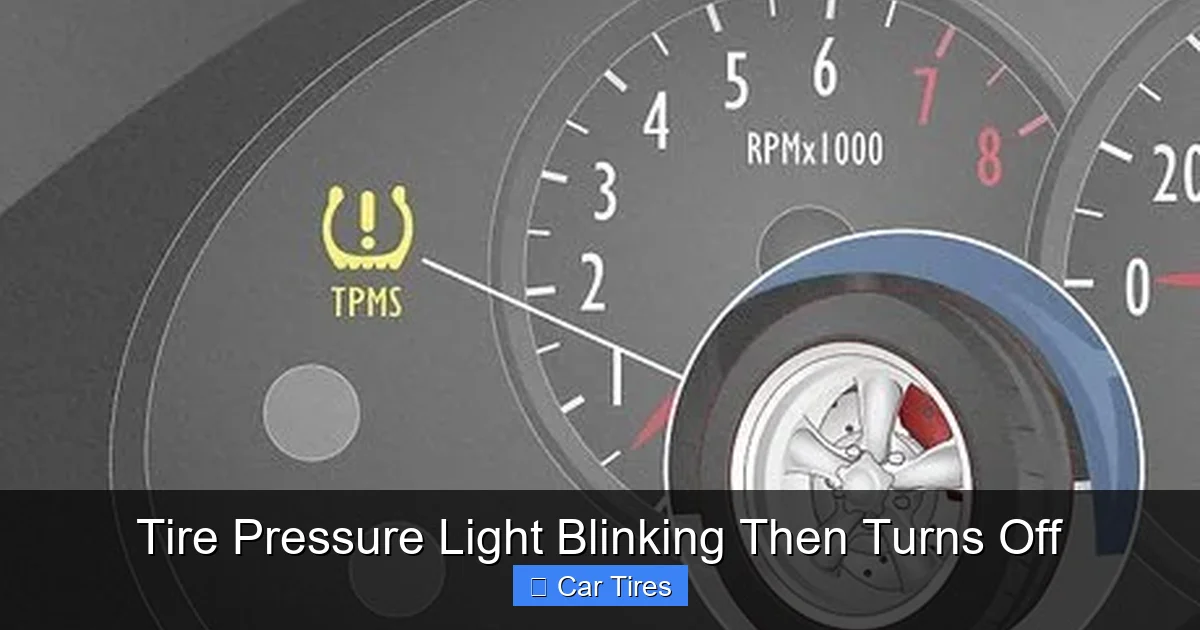
Before we get into why the light blinks and turns off, let’s take a moment to understand how the TPMS actually works. This system isn’t just a random warning—it’s a sophisticated safety feature that’s been mandatory on all new vehicles in the U.S. since 2008.
There are two main types of TPMS: direct and indirect.
Direct TPMS
Direct TPMS uses sensors mounted inside each tire (usually attached to the valve stem or wheel rim) to measure the actual air pressure. These sensors send real-time data to your vehicle’s computer via radio frequency signals. If the pressure drops below a certain threshold, the system triggers the warning light on your dashboard.
One of the biggest advantages of direct TPMS is accuracy. Because it measures pressure directly, it can detect even small changes. However, these sensors rely on batteries, which typically last between 5 to 10 years. When the battery starts to die, the sensor may send inconsistent or delayed signals—leading to a blinking light that eventually turns off.
Indirect TPMS
Indirect TPMS doesn’t use physical pressure sensors. Instead, it relies on the vehicle’s anti-lock braking system (ABS) wheel speed sensors to detect differences in wheel rotation. When a tire is underinflated, it has a smaller diameter and spins faster than the others. The system interprets this as a pressure problem and triggers the warning light.
While indirect TPMS is less expensive to maintain (no batteries to replace), it’s also less precise. It can’t detect gradual pressure loss or issues with all four tires at once. It also requires recalibration after every tire rotation or pressure adjustment, which can sometimes cause the light to blink temporarily.
How the Warning Light Behaves
The behavior of the TPMS light can give you clues about what’s happening. A steady light usually means one or more tires are underinflated and need attention. But a blinking light—especially one that turns off after a few seconds—often indicates a system issue rather than a tire problem.
For example, if you’ve recently adjusted your tire pressure or had your tires rotated, the system may need time to recalibrate. During this process, the light might blink for up to 30 seconds before turning off. This is normal and usually nothing to worry about.
However, if the light blinks repeatedly over several days or during different driving conditions, it could signal a deeper issue—like a failing sensor or low battery.
Common Causes of a Blinking Tire Pressure Light
Visual guide about Tire Pressure Light Blinking Then Turns Off
Image source: wikihow.com
Now that you understand how TPMS works, let’s look at the most common reasons why your tire pressure light might blink and then turn off. While some causes are harmless, others require attention to avoid bigger problems down the road.
1. System Recalibration After Tire Service
One of the most frequent reasons for a blinking TPMS light is recent tire maintenance. If you’ve recently inflated your tires, had them rotated, or replaced a sensor, the system may need to reset or recalibrate.
For example, let’s say you took your car in for a routine oil change, and the technician topped off your tire pressure. When you drive away, the TPMS detects the change and may blink for a short time as it adjusts to the new pressure readings. Once the system confirms the pressure is stable, the light turns off.
This is especially common with indirect TPMS, which relies on wheel speed data. After a tire rotation, the system needs to “relearn” the normal rotation patterns of each wheel. During this learning phase, the light may blink briefly.
What to do: If the light turns off after a few minutes of driving, it’s likely just recalibrating. However, check your tire pressure manually with a gauge to confirm everything is within the recommended range.
2. Temperature Changes and Weather Fluctuations
Tire pressure is highly sensitive to temperature. For every 10°F drop in temperature, tire pressure can decrease by about 1 PSI. This is why many drivers notice the TPMS light come on during cold mornings—especially in winter.
Imagine this: You park your car outside overnight when it’s 40°F. In the morning, the temperature drops to 25°F. Your tires lose a few PSI, triggering the TPMS light. But as you drive, the tires warm up from friction and road contact, causing the pressure to rise again. Once the pressure returns to normal, the light turns off.
This cycle can repeat daily during seasonal changes, leading to a blinking light that comes and goes.
What to do: Check your tire pressure when the tires are cold (before driving or after sitting for a few hours). Inflate them to the manufacturer’s recommended level, usually found on a sticker inside the driver’s door jamb. This helps prevent false alerts due to temperature swings.
3. Weak or Dying TPMS Sensor Battery
Direct TPMS sensors are powered by small lithium batteries that last about 5 to 10 years. As the battery weakens, the sensor may send intermittent or delayed signals to the vehicle’s computer. This can cause the TPMS light to blink erratically—sometimes staying on, sometimes turning off.
For instance, you might notice the light blinks during your morning commute but stays off in the afternoon. This inconsistency is a classic sign of a failing sensor.
Over time, the sensor may stop transmitting altogether, leaving you without any warning if a tire loses pressure. That’s why it’s important to replace sensors proactively, especially if your vehicle is over 7 years old.
What to do: If your car is older and the TPMS light behaves unpredictably, have a technician scan the sensors. Most auto shops can check battery life and signal strength. Replacing a sensor typically costs between $50 and $150 per wheel, including labor.
4. Sensor Damage or Malfunction
TPMS sensors are durable, but they’re not indestructible. They can be damaged during tire mounting, pothole impacts, or corrosion from road salt and moisture. A cracked sensor housing or faulty internal component can cause erratic readings.
For example, if you hit a deep pothole and later notice the TPMS light blinking, the impact may have damaged the sensor. Even if the tire holds air fine, the sensor might send false signals.
Corrosion is another common issue, especially in snowy or coastal regions. Salt and moisture can build up around the valve stem, interfering with the sensor’s ability to transmit data.
What to do: If you suspect sensor damage, have your tires inspected by a professional. They can test each sensor and replace any that are faulty. Regular cleaning of the valve stems can also help prevent corrosion.
5. Electrical or Wiring Issues
In rare cases, the problem isn’t with the sensors themselves but with the vehicle’s electrical system. A loose connection, damaged wiring, or a faulty TPMS control module can cause the light to blink intermittently.
This is more common in older vehicles or those that have been in accidents. For example, if your car was recently repaired after a fender bender, a wire related to the TPMS might have been disturbed.
What to do: If you’ve ruled out sensor and pressure issues, have a mechanic perform a diagnostic scan. They can check for error codes and inspect the wiring and control module.
6. Aftermarket Tires or Wheels
If you’ve recently installed new tires or aftermarket wheels, they may not be compatible with your vehicle’s TPMS. Some custom wheels don’t have the proper mounting points for sensors, or the sensors may not fit correctly.
In such cases, the system may detect an anomaly and trigger the warning light. Even if the tires are properly inflated, the mismatch can cause confusion.
What to do: Ensure that any new wheels or tires are TPMS-compatible. If sensors need to be transferred or replaced, have them installed by a qualified technician.
Should You Be Concerned When the Light Blinks and Turns Off?
Visual guide about Tire Pressure Light Blinking Then Turns Off
Image source: rxmechanic.com
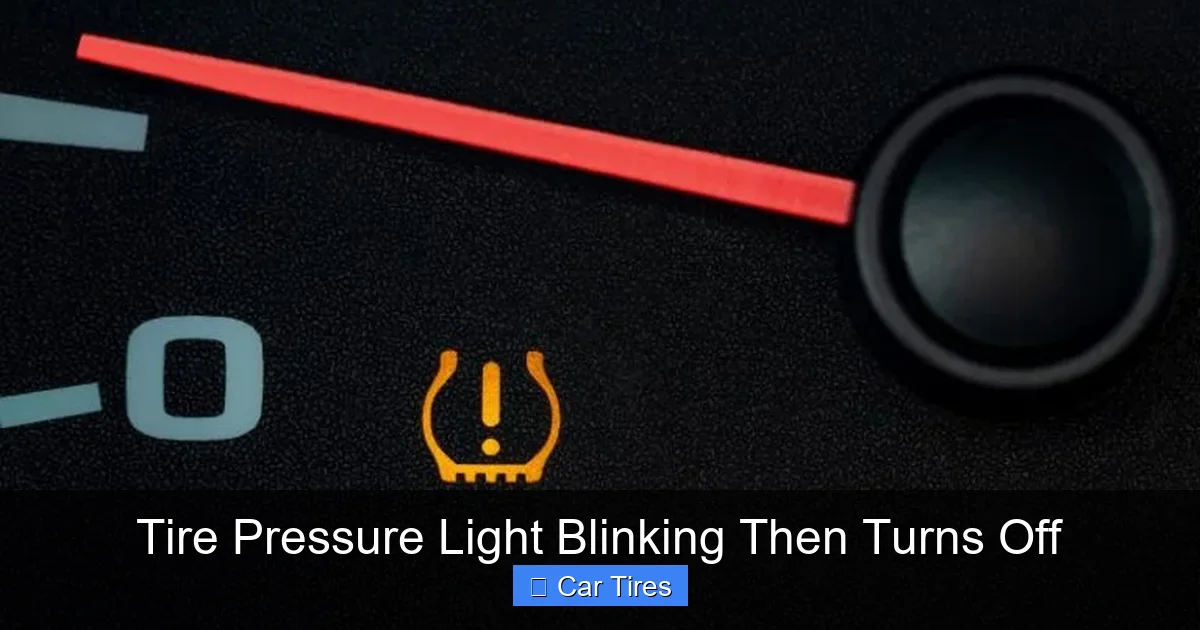
This is the million-dollar question: Is a blinking tire pressure light that turns off a cause for alarm?
The short answer: It depends.
In many cases, the blinking light is temporary and harmless—especially if it happens after tire service or during cold weather. However, it’s never something to ignore completely. Here’s how to assess the situation:
When It’s Probably Safe
– The light blinks for less than 30 seconds after starting the car.
– It turns off and doesn’t return during your drive.
– You’ve recently inflated or rotated your tires.
– The weather has changed significantly (e.g., a cold snap).
In these scenarios, the system is likely recalibrating or responding to a temporary pressure change. Still, it’s wise to check your tire pressure manually within 24 hours.
When You Should Take Action
– The light blinks repeatedly over several days.
– It comes on during driving and stays on for more than a few minutes.
– You notice a flat tire, slow leak, or unusual tire wear.
– Your car feels less stable, pulls to one side, or has reduced fuel efficiency.
These signs suggest a real issue—either with tire pressure or the TPMS itself. Continuing to drive with underinflated tires can lead to overheating, tread separation, or even a blowout.
The Risks of Ignoring the Light
Even if the light turns off, ignoring it can have consequences:
– **Reduced Fuel Efficiency:** Underinflated tires increase rolling resistance, which means your engine works harder and burns more fuel. Over time, this can cost you hundreds of dollars in extra gas.
– **Poor Handling and Braking:** Low tire pressure affects traction, especially in wet or icy conditions. Your car may take longer to stop or feel less responsive in turns.
– **Increased Wear and Tear:** Tires that are consistently underinflated wear out faster, especially on the edges. This shortens their lifespan and increases replacement costs.
– **Safety Hazards:** In extreme cases, a severely underinflated tire can overheat and fail, leading to a blowout—especially at high speeds.
So while a blinking light that turns off might not be an emergency, it’s a warning that deserves attention.
How to Respond When the Light Blinks
Knowing what to do when your tire pressure light blinks can save you time, money, and stress. Here’s a step-by-step guide to help you respond effectively.
Step 1: Don’t Panic—But Don’t Ignore It
First, stay calm. A blinking light doesn’t always mean disaster. But do take it seriously. Pull over safely if the light stays on or if you notice any unusual handling.
Step 2: Check Your Tire Pressure Manually
The most important step is to verify your tire pressure with a reliable gauge. Don’t rely on the TPMS light or the tire’s appearance—both can be misleading.
Here’s how:
– Use a digital or analog tire pressure gauge (available at auto parts stores for under $20).
– Check the pressure when the tires are cold (before driving or after the car has been parked for at least 3 hours).
– Compare the reading to the recommended PSI listed on the driver’s door jamb or in the owner’s manual.
– Inflate or deflate as needed.
Pro Tip: Keep a portable tire inflator in your trunk. Many modern models plug into your car’s 12V outlet and can inflate a tire in minutes.
Step 3: Inspect Your Tires
While checking pressure, take a moment to inspect each tire:
– Look for visible damage like cuts, bulges, or embedded objects.
– Check the tread depth using the “penny test” (insert a penny into the tread with Lincoln’s head upside down—if you can see the top of his head, it’s time to replace the tire).
– Note any signs of uneven wear, which could indicate alignment or suspension issues.
Step 4: Reset the TPMS (If Needed)
If you’ve adjusted the pressure and the light is still blinking, you may need to reset the system. The process varies by vehicle, but here are common methods:
– **Manual Reset:** Some cars have a TPMS reset button under the steering wheel or in the glove box. Press and hold it until the light blinks or turns off.
– **Drive Cycle:** For indirect TPMS, drive at speeds above 20 mph for 10–15 minutes to allow the system to recalibrate.
– **Scan Tool:** Many modern vehicles require a professional scan tool to reset the system, especially after sensor replacement.
Check your owner’s manual for specific instructions.
Step 5: Visit a Professional if the Problem Persists
If the light continues to blink or returns frequently, it’s time to see a mechanic or tire specialist. They can:
– Scan the TPMS for error codes.
– Test sensor battery life and signal strength.
– Inspect wiring and the control module.
– Replace faulty sensors or components.
Don’t wait until you’re stranded with a flat tire. Early diagnosis can prevent bigger issues.
Preventing Future TPMS Issues
The best way to deal with a blinking tire pressure light is to stop it from happening in the first place. Here are some proactive tips to keep your TPMS running smoothly:
Check Tire Pressure Monthly
Make it a habit to check your tire pressure at least once a month—and always before long trips. Even if the TPMS light hasn’t come on, gradual pressure loss can occur over time.
Rotate Your Tires Regularly
Tire rotation (every 5,000 to 7,000 miles) helps ensure even wear and can prevent pressure imbalances. Just remember to reset the TPMS afterward if your vehicle requires it.
Replace Sensors Before They Fail
If your car is over 7 years old, consider replacing the TPMS sensors preventively. It’s cheaper than dealing with a sudden failure on the road.
Use Quality Tires and Wheels
Invest in reputable tires and ensure any aftermarket wheels are TPMS-compatible. Cheap or incompatible parts can cause system errors.
Keep Your Vehicle Maintained
Regular service checks can catch TPMS issues early. Include sensor inspection in your routine maintenance schedule.
Conclusion
A tire pressure light that blinks and then turns off can be puzzling, but it’s rarely a sign of immediate danger. In most cases, it’s the TPMS recalibrating after a pressure change, reacting to temperature shifts, or dealing with a weak sensor. However, it’s always wise to verify your tire pressure manually and address any underlying issues.
By understanding how your TPMS works and knowing how to respond, you can keep your tires—and your vehicle—in top condition. Don’t let a blinking light catch you off guard. Stay informed, stay proactive, and stay safe on the road.
Remember: Your tires are the only part of your car that touches the road. Taking care of them isn’t just about avoiding warning lights—it’s about protecting yourself, your passengers, and everyone else on the highway.
Frequently Asked Questions
Why does my tire pressure light blink for 30 seconds then turn off?
This usually means the TPMS is recalibrating after a recent tire pressure adjustment or rotation. The system takes a short time to confirm stable readings before turning the light off.
Can cold weather cause the tire pressure light to blink?
Yes. Cold temperatures reduce tire pressure, which can trigger the TPMS light. As the tires warm up during driving, the pressure increases and the light may turn off.
Is it safe to drive if the tire pressure light blinks and turns off?
It’s generally safe if the light turns off quickly and doesn’t return. However, always check your tire pressure manually to ensure it’s within the recommended range.
How often should I replace TPMS sensors?
Most TPMS sensors last 5 to 10 years. Replace them if the light behaves erratically or during tire replacement to avoid future issues.
Do I need to reset the TPMS after adding air?
Not always, but some vehicles require a reset after pressure changes. Check your owner’s manual or use a scan tool to confirm.
Can a faulty TPMS sensor cause other dashboard lights to come on?
Rarely. TPMS issues usually only affect the tire pressure light. However, electrical problems could potentially impact other systems—have a professional diagnose persistent issues.