
Car Battery Is Dead What to Do

Your car battery is dead—now what? Don’t stress. This guide walks you through safe jump-starting, identifying the root cause, and preventing future failures. Get your car running again with simple, expert-backed solutions.
Key Takeaways
- Jump-starting is the fastest fix: Use jumper cables and a donor vehicle or portable jump starter to revive a dead battery safely.
- Check for common causes: Leaving lights on, extreme temperatures, or an old battery are frequent culprits behind sudden battery failure.
- Know when to replace: Most car batteries last 3–5 years; if yours is older, it’s likely time for a new one.
- Prevention beats panic: Regular maintenance, cleaning terminals, and using a trickle charger can extend battery life significantly.
- Safety first: Always wear gloves and eye protection when handling batteries to avoid acid burns or sparks near flammable gases.
- Call for help if unsure: If you’re not comfortable jump-starting or suspect alternator issues, call a roadside assistance service.
- Test your system: After jump-starting, have your battery and charging system checked at an auto shop to rule out deeper problems.
📑 Table of Contents
- Car Battery Is Dead What to Do: Your Step-by-Step Survival Guide
- Why Did My Car Battery Die? Common Causes Explained
- How to Safely Jump-Start a Dead Car Battery
- Using a Portable Jump Starter: A Safer, Solo Option
- When to Replace Your Car Battery
- Preventing Future Battery Failures
- When to Call for Professional Help
- Conclusion: Stay Prepared, Stay Safe
Car Battery Is Dead What to Do: Your Step-by-Step Survival Guide
You’re running late for work, you hop in the car, turn the key—and nothing. Just a faint click or maybe silence. Your heart sinks. The dreaded “car battery is dead” moment has arrived. It happens to the best of us. Whether you left your headlights on overnight, it’s the dead of winter, or your battery simply reached the end of its life, a dead battery can throw your entire day off track.
But don’t panic. A dead battery doesn’t mean you’re stranded forever. With the right knowledge and tools, you can often get your car running again in under 15 minutes. This guide will walk you through exactly what to do when your car battery dies—from immediate fixes like jump-starting to long-term prevention strategies. We’ll cover safety tips, common causes, and how to tell if it’s time for a replacement. By the end, you’ll feel confident handling this common car issue like a pro.
Why Did My Car Battery Die? Common Causes Explained
Before jumping into solutions, it helps to understand why your battery died in the first place. Knowing the cause can prevent it from happening again—and save you time, money, and frustration down the road.
Left Lights or Accessories On
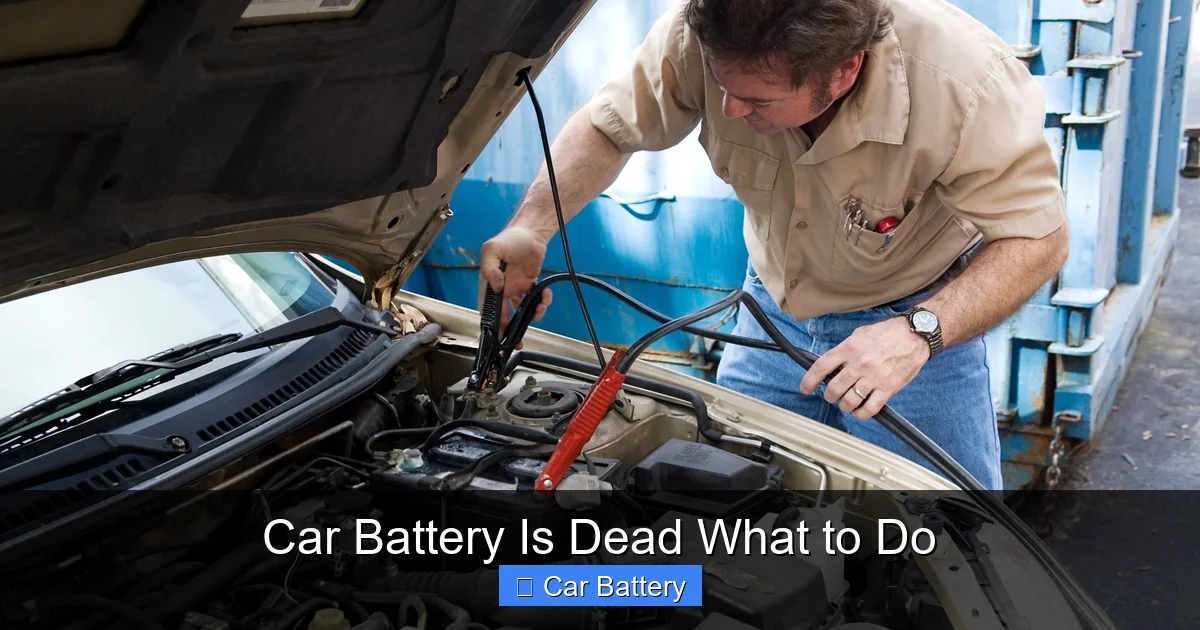
One of the most common reasons for a dead battery is simply forgetting to turn off your headlights, interior lights, or accessories like phone chargers. Even a small interior light left on overnight can drain a battery enough to prevent starting. Modern cars often have automatic shut-off features, but older models or malfunctioning systems may not. For example, if you parked after a late-night drive and accidentally left your dome light on, that tiny 10-watt bulb could draw enough power over 8–10 hours to kill a weak battery.
Visual guide about Car Battery Is Dead What to Do
Image source: wrench.com
Extreme Temperatures
Both extreme cold and heat are hard on car batteries. In winter, cold temperatures slow down the chemical reactions inside the battery, reducing its ability to deliver power. A battery that works fine in summer might struggle to start your car when it’s below freezing. Conversely, hot weather accelerates internal corrosion and evaporation of electrolyte fluid, shortening the battery’s lifespan. If you live in a region with harsh winters or scorching summers, your battery may fail sooner than average.
Old or Worn-Out Battery
Car batteries don’t last forever. Most last between 3 and 5 years, depending on driving habits, climate, and maintenance. Over time, the plates inside the battery degrade, reducing its capacity to hold a charge. If your battery is more than four years old and you’re experiencing slow cranking or frequent jump-starts, it’s likely nearing the end of its life. A simple voltage test at an auto parts store can confirm whether it’s time for a replacement.
Parasitic Drain
Sometimes, something in your car continues to draw power even when the engine is off. This is called a parasitic drain. Common culprits include faulty alternators, aftermarket electronics (like dash cams or alarms), or interior lights that won’t turn off. For instance, a malfunctioning glove box light switch might keep the light on 24/7, slowly draining the battery. If your battery dies repeatedly despite being new, a parasitic drain could be the issue.
Loose or Corroded Battery Connections
Corrosion on battery terminals—those white, green, or blue crusty deposits—can interfere with electrical flow. Similarly, loose cables can prevent the battery from delivering power properly. This might cause intermittent starting problems or a sudden no-start condition. Cleaning the terminals with a baking soda and water solution and tightening the connections can often resolve the issue.
How to Safely Jump-Start a Dead Car Battery
When your car won’t start, jump-starting is usually the quickest way to get back on the road. But it must be done correctly to avoid injury or damage to your vehicle’s electronics.
Gather the Right Tools
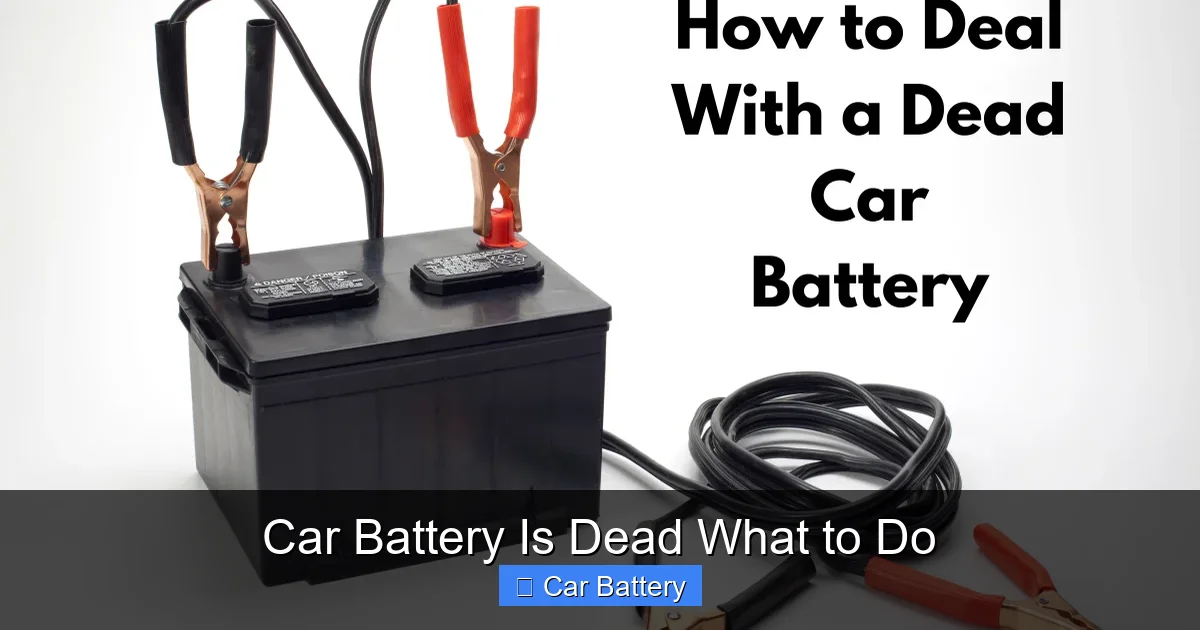
You’ll need a set of jumper cables and a working vehicle (or a portable jump starter). Jumper cables are inexpensive and should be in every driver’s emergency kit. Look for cables at least 10–12 feet long with thick, insulated clamps. Portable jump starters are even better—they’re battery-powered devices that don’t require another car and are safe to use alone.
Visual guide about Car Battery Is Dead What to Do
Image source: i.ytimg.com
Position the Vehicles Correctly
Park the working vehicle close to yours—close enough for the cables to reach, but not so close that the bumpers touch. Turn off both engines, set the parking brakes, and put both cars in “Park” (or in gear for manual transmissions). Make sure both vehicles are off before connecting anything.
Connect the Jumper Cables in the Right Order
Follow this sequence carefully:
- Attach the red (positive) clamp to the dead battery’s positive terminal (+).
- Attach the other red clamp to the good battery’s positive terminal (+).
- Attach the black (negative) clamp to the good battery’s negative terminal (−).
- Attach the final black clamp to an unpainted metal surface on the dead car’s engine block—not the battery itself. This reduces the risk of sparks near the battery, which can emit flammable hydrogen gas.
Double-check all connections before starting the working car.
Start the Vehicles
Start the engine of the working car and let it run for 2–3 minutes to charge the dead battery. Then, try starting your car. If it doesn’t start right away, wait another minute or two and try again. Once your car starts, let it run for at least 15–20 minutes to allow the alternator to recharge the battery.
Disconnect the Cables Safely
Remove the cables in the reverse order:
- Remove the black clamp from the engine block.
- Remove the black clamp from the good battery.
- Remove the red clamp from the good battery.
- Remove the red clamp from the previously dead battery.
Store the cables neatly and drive your car for at least 30 minutes to ensure the battery stays charged.
Safety Tips
Always wear safety glasses and gloves. Never let the clamps touch each other while connected to a battery. Avoid jump-starting in the rain unless absolutely necessary. If you smell a strong sulfur odor (like rotten eggs), stop immediately—this could indicate a leaking or damaged battery.
Using a Portable Jump Starter: A Safer, Solo Option
If you don’t have access to another vehicle, a portable jump starter is your best bet. These compact devices are essentially rechargeable batteries with built-in jumper cables and safety features.
How It Works
Portable jump starters store electrical energy and deliver it directly to your car’s battery when needed. Most models can jump-start a car multiple times on a single charge and often include USB ports for charging phones, flashlights, and even air compressors for tires.
Visual guide about Car Battery Is Dead What to Do
Image source: images.saymedia-content.com
Steps to Use a Portable Jump Starter
- Ensure the jump starter is fully charged (most have indicator lights).
- Connect the red clamp to the positive terminal and the black clamp to a grounded metal part of the engine.
- Turn on the jump starter (some have a power button).
- Wait 30 seconds, then try starting your car.
- Once the engine starts, disconnect the cables and turn off the jump starter.
Many modern jump starters have reverse polarity protection, short-circuit protection, and spark-proof technology, making them much safer than traditional jumper cables.
Choosing the Right Model
Look for a jump starter with at least 1000 peak amps for most cars. If you drive a larger vehicle like an SUV or truck, consider a model with 2000+ peak amps. Popular brands include NOCO, Jump-N-Carry, and Tacklife. Keep it charged and store it in a cool, dry place in your trunk.
When to Replace Your Car Battery
Jump-starting is a temporary fix. If your battery dies frequently, it’s likely time for a replacement. Here’s how to know.
Signs Your Battery Needs Replacing
- Slow engine crank: The engine turns over slowly or struggles to start, especially in cold weather.
- Check Engine or Battery Light: These dashboard warnings may indicate a charging system problem.
- Swollen or bloated battery case: This is a sign of overheating or overcharging.
- Old age: If your battery is over 4 years old, it’s living on borrowed time.
- Frequent jump-starts: Needing a jump more than once every few months is a red flag.
Testing Your Battery
Most auto parts stores (like AutoZone, O’Reilly, or Advance Auto Parts) offer free battery testing. They’ll check the voltage, cold cranking amps (CCA), and overall health. A healthy battery should read around 12.6 volts when the car is off and 13.7–14.7 volts when running (indicating the alternator is charging it).
Choosing a New Battery
When replacing your battery, match the group size, cold cranking amps (CCA), and reserve capacity (RC) recommended by your vehicle’s manufacturer. You can find this info in your owner’s manual or on the old battery label. Consider upgrading to a maintenance-free or AGM (absorbent glass mat) battery for longer life and better performance, especially if you drive in extreme conditions.
Installation Tips
Turn off the car and disconnect the negative terminal first, then the positive. Remove the old battery, clean the tray and terminals, and install the new one. Connect the positive terminal first, then the negative. Tighten securely but don’t over-tighten. Many stores will install the battery for free when you buy it from them.
Preventing Future Battery Failures
An ounce of prevention is worth a pound of cure—especially when it comes to car batteries. A few simple habits can extend your battery’s life and reduce the chances of being stranded.
Regular Maintenance
Inspect your battery every few months. Look for corrosion on the terminals and clean it with a mixture of baking soda and water. Use a wire brush to scrub the terminals and cable ends. Apply a thin layer of petroleum jelly or terminal protector spray to prevent future corrosion.
Drive Regularly
Batteries recharge while you drive. If your car sits for days or weeks without use, the battery can slowly discharge. Short trips don’t give the alternator enough time to fully recharge the battery. If you don’t drive often, consider using a trickle charger or battery maintainer to keep it topped up.
Use a Battery Maintainer
A trickle charger or smart charger delivers a low, steady charge to your battery, preventing it from draining. These are ideal for seasonal vehicles, classic cars, or anyone who doesn’t drive daily. Smart chargers automatically adjust the charge rate and shut off when the battery is full, so you don’t have to worry about overcharging.
Limit Accessory Use When Idle
Avoid using lights, radio, or air conditioning when the engine is off. These draw power directly from the battery. If you’re parked and waiting, turn off everything you don’t need. Some newer cars have start-stop systems that shut off the engine at stops—this helps conserve battery life.
Check Your Charging System
A faulty alternator won’t recharge your battery while driving, leading to repeated dead batteries. If your headlights dim at idle or your battery dies shortly after a jump, have your alternator tested. Most auto shops can do this quickly and affordably.
Park in a Garage or Shade
Extreme temperatures are hard on batteries. If possible, park in a garage during winter and in the shade during summer. This helps maintain a stable temperature and reduces stress on the battery.
When to Call for Professional Help
Sometimes, a dead battery is just the symptom of a bigger problem. If you’ve tried jump-starting and the car still won’t stay running, it’s time to call in the experts.
Alternator Failure
If your car starts with a jump but dies again after a few minutes, the alternator may not be charging the battery. This requires professional diagnosis and repair.
Electrical System Issues
Parasitic drains, faulty wiring, or malfunctioning modules can cause repeated battery drain. These issues often require specialized tools and expertise to diagnose.
Extreme Corrosion or Damage
If the battery terminals are severely corroded or the battery case is cracked, it’s unsafe to handle. A mechanic can safely remove and dispose of the old battery and install a new one.
No Access to Tools or Help
If you’re in a remote area, it’s dark, or you’re not comfortable handling batteries, call roadside assistance. Most insurance policies and auto clubs (like AAA) offer jump-start services for free or low cost.
Conclusion: Stay Prepared, Stay Safe
A dead car battery is one of the most common automotive problems, but it doesn’t have to ruin your day. With the right knowledge, tools, and habits, you can handle it quickly and safely. Remember: jump-starting is a temporary fix, but understanding the root cause and maintaining your battery can prevent future issues.
Keep jumper cables or a portable jump starter in your car, check your battery regularly, and don’t ignore warning signs like slow cranking or dim lights. When in doubt, call for help—there’s no shame in prioritizing safety.
By following the steps in this guide, you’ll be ready the next time your car battery is dead. Stay calm, stay prepared, and get back on the road with confidence.
Frequently Asked Questions
Can I jump-start my car in the rain?
It’s not recommended, but if absolutely necessary, proceed with extreme caution. Water increases the risk of electrical shock. Make sure your hands and the cables are dry, and avoid standing in puddles. Use a portable jump starter if possible, as many are designed to be weather-resistant.
How long should I drive after jump-starting?
Drive for at least 30 minutes to allow the alternator to fully recharge the battery. Short trips may not provide enough charging time, especially if the battery was deeply discharged.
Can a dead battery damage my car’s electronics?
Rarely, but voltage spikes during jump-starting can potentially harm sensitive electronics. Using a portable jump starter with surge protection reduces this risk. Most modern cars are designed to handle jump-starts safely.
How often should I replace my car battery?
Most car batteries last 3–5 years. If yours is over 4 years old and showing signs of weakness, consider replacing it proactively to avoid being stranded.
Is it safe to jump-start a frozen battery?
No. A frozen battery can explode if jump-started. Warm the battery slowly in a heated area first. If the case is cracked or swollen, do not attempt to jump-start—replace the battery immediately.
Can I use my phone charger while the car is off?
Yes, but only for short periods. Phone chargers draw a small amount of power, but using them for hours can drain the battery enough to prevent starting, especially on older or weak batteries.
