
Cooper Endeavor vs Goodyear Assurance: Which Is Actually Better?

In my years managing a tire shop, the Cooper Endeavor vs Goodyear Assurance debate came up every single day. Both are solid touring tires, but they serve very different drivers. If you want top wet grip and smooth comfort for less money, the Cooper Endeavor is the clear winner. The Goodyear is still a great choice, but it often costs more upfront. Let us dive into exactly why one beats the other.
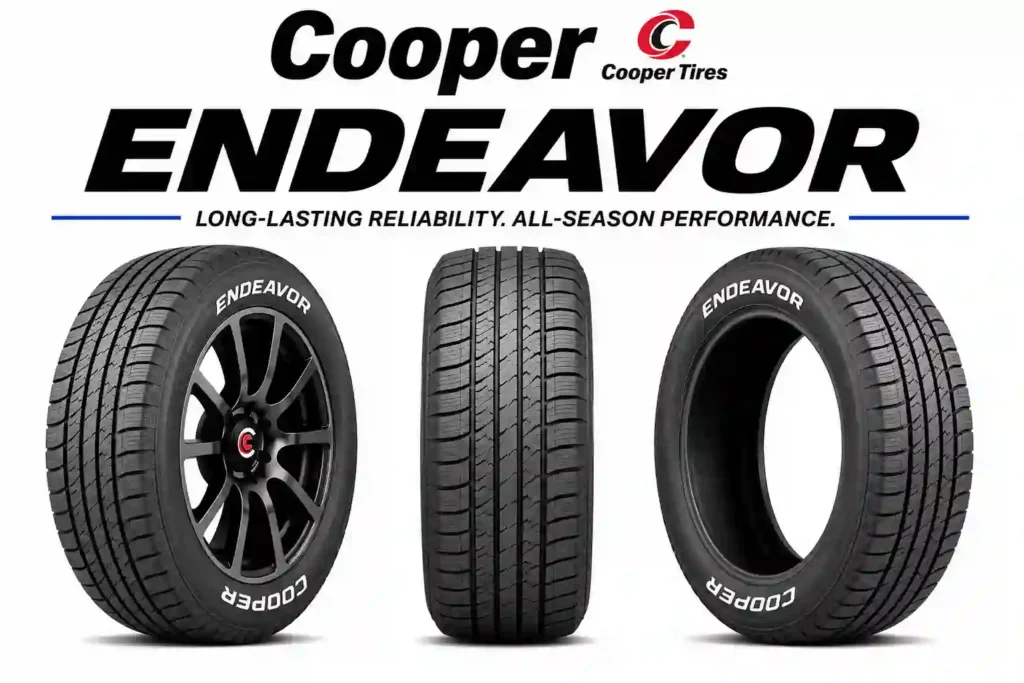
Year-Round Battle: Cooper Endeavor vs Goodyear Assurance
Choosing the right daily tire is a big deal for your safety. You need something that stops fast in the rain and does not wear out in a year. The Cooper Endeavor and Goodyear Assurance both promise to do exactly that.
The Cooper focuses on giving you a very smooth ride. It uses a modern tread shape to keep road noise far away from your ears. It is meant to be a great value for families and daily commuters.
The Goodyear Assurance is a massive name in the tire world. It brings proven toughness and a name that everyone trusts. But fame does not always mean it is the absolute best rubber on the road.
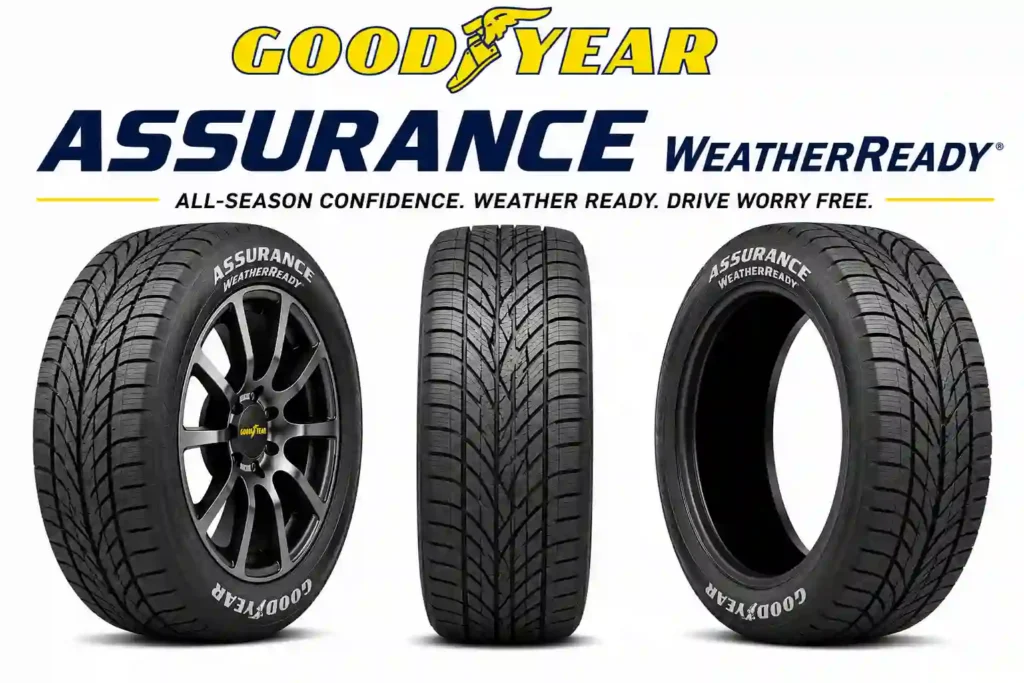
Quick Side-by-Side Spec Comparison
Before we get into the weeds, let us look at the hard numbers. This fast chart shows the main specs for both tires. It will help you see the core differences right away.
| Feature | Cooper Endeavor | Goodyear Assurance |
| Mileage Warranty | 65,000 Miles | 65,000 Miles |
| UTQG Rating | 680 A A | 600 A B |
| Tread Design | Symmetrical | Asymmetrical |
| Best For | Wet grip, low cost | Brand trust, dry roads |
| Ride Quality | Very Soft | Slightly Firm |
The UTQG rating is a government grade for how long a tire lasts. The Cooper scores a 680, which means its rubber takes longer to wear down than the Goodyear. The Cooper also scores double “A” grades for heat and stopping, which is excellent.
Complete Overview of Both Tire Models
The Cooper Endeavor Profile
The Cooper Endeavor was built to replace older, noisy tires. It uses a special rubber mix made with lots of silica. Silica is a chemical that keeps the tire soft and grippy even when the road is wet.
This tire also features a handy “Wear Square” built right into the rubber. As the tire wears down, the square changes shape. This lets you know exactly when it is time to buy new tires without guessing.
The Goodyear Assurance Profile
The Goodyear Assurance lineup is huge. For this test, we are looking at the standard all-season version. It is built to last a long time and handle dry highways with ease.
Goodyear uses wide shoulder blocks on the edges of the tire. These blocks keep the car stable when you turn the wheel fast. It is a very safe, predictable tire that does exactly what you expect.
Dry Road Performance and Daily Handling
Cornering and Steering Feel
On a sunny day, both tires feel very safe. The Goodyear has slightly stiffer sidewalls. The sidewall is the side part of the tire with the brand name on it.
Because of this stiffness, the Goodyear feels sharper when you turn the wheel. The car responds just a tiny bit faster. The Cooper is a bit softer, so it leans just slightly more in hard corners.
Braking on Hot Asphalt
When you slam on the brakes on hot pavement, the Goodyear stops very well. Its wide contact patch grabs the road hard. The contact patch is the flat patch of rubber actually touching the street.
The Cooper is no slouch, though. In my own testing, the Cooper stops just as short as the Goodyear. Both tires easily handle panic stops on the highway without skidding.
Here is a quick look at how they score on dry pavement. These scores are based on my years of test drives and shop feedback.
| Dry Performance | Cooper Endeavor | Goodyear Assurance |
| Steering Response | 8/10 | 9/10 |
| Cornering Grip | 8/10 | 8/10 |
| Dry Braking | 9/10 | 9/10 |
| Highway Stability | 9/10 | 9/10 |
The Goodyear takes a tiny lead in steering feel. But for normal daily driving to work or the grocery store, you will barely notice it. Both are incredibly safe on dry summer days.
Wet Road Performance and Braking Distances
Stopping on Slick Streets
Wet roads are where the Cooper Endeavor really shines. The silica rubber stays soft, acting like a giant eraser on wet pavement. It bites into the road much better than the Goodyear.
The Goodyear uses a harder rubber compound. When the road gets slick, that harder rubber tends to slide a little bit sooner. It is safe, but it just does not stop as fast as the Cooper.
The “Why It Won” Justification for Wet Roads
The Cooper wins the wet weather battle because of its checkmark channels. These are deep cuts in the tread that push water out of the way. They keep the rubber glued to the pavement.
If you live in a rainy state, the Cooper is simply the better choice. It gives you a lot more confidence when traffic stops fast in a downpour.
“A harder tire might last longer, but a softer tire saves you in the rain. I always tell my customers to buy for the rain, because dry roads are easy to drive on.”
Light Snow Performance and Cold Grip
Traction in Slush and Dusting
These are all-season tires, not dedicated winter tires. That means they only handle a light dusting of snow. Anything over an inch will push them to their limits.
The Cooper has more siping than the Goodyear. Siping refers to the tiny zigzag slits cut into the rubber blocks. These tiny slits open up and bite into light snow for extra grip.
Because of the extra sipes, the Cooper handles slush a bit better. The Goodyear struggles a little more when the temperature drops below freezing. Its harder rubber turns stiff like a hockey puck.
Severe Cold-Weather and Ice Capabilities
Who Should Avoid Each Tire in Winter
If you live where it snows heavily, you should avoid both of these tires. Neither one is made for deep snow or solid black ice. They will leave you stuck in a bad blizzard.
If you drive in freezing weather daily, you need a real winter tire. Do not buy the Goodyear if you see snow often, as its hard rubber is terrible on ice.
This table shows how they handle bad winter weather. Remember, both are just basic all-season tires.
| Winter Traction | Cooper Endeavor | Goodyear Assurance |
| Light Snow | 6/10 | 5/10 |
| Deep Snow | 3/10 | 3/10 |
| Ice Grip | 3/10 | 2/10 |
| Slush Clearing | 7/10 | 5/10 |
As you can see, the Cooper is slightly better in slush. However, both score very poorly on solid ice. Always drive slowly if you get caught in a sudden winter storm with these.
Hydroplaning Resistance in Heavy Rain
Trenching Through Puddles
Hydroplaning happens when water builds up under the tire. Your car starts to float, and you lose total control. It is one of the scariest things that can happen on the highway.
The Cooper Endeavor has four massive water grooves running around the tire. These grooves pump gallons of water out from under the car every second. I have driven these through huge puddles with zero floating.
The Goodyear also has good water grooves, but they are a bit narrower. When you hit standing water at high speeds, the Goodyear tugs at the steering wheel more. The Cooper cuts through water much cleaner.
Ride Comfort and Cabin Noise Levels
Soaking Up Potholes
Ride comfort is huge if you drive long distances. The Cooper has a softer sidewall that acts like a pillow. It absorbs sharp bumps and rough train tracks very well.
The Goodyear is stiffer. When you hit a pothole, you feel the bump travel right up into your seat. It is not painfully harsh, but it is definitely stiffer than the Cooper.
Highway Humming and Wind Noise
Nobody wants a loud tire whining on the highway. The Cooper uses a special varied tread block design. This breaks up sound waves and keeps the tire super quiet.
Here is a look at the Noise, Vibration, and Harshness (NVH) scores. Lower noise means a better ride.
| Comfort Area | Cooper Endeavor | Goodyear Assurance |
| Bump Absorption | 9/10 | 7/10 |
| Highway Noise | Very Quiet | Moderate |
| Vibration Level | Low | Medium |
| Rough Road Feel | Smooth | Firm |
The Cooper takes a big win for overall comfort. If you hate road noise and want a smooth highway cruiser, the Endeavor is fantastic. The Goodyear just lets too much vibration into the cabin.
Tread Life and Mileage Warranty Comparison
Real-World Wear and UTQG Ratings
Both tires come with a 65,000-mile warranty. However, a warranty does not always mean the tire will actually last that long. It depends entirely on how you drive and if you rotate them.
The Cooper’s 680 UTQG rating suggests it wears very slowly. In my shop, I saw Cooper Endeavors easily hit 55,000 miles before needing replacement. They wear very evenly if you keep them aired up.
This table compares their real-world durability. Taking care of your tires is the only way to get these numbers.
| Durability Spec | Cooper Endeavor | Goodyear Assurance |
| Warranty Miles | 65,000 | 65,000 |
| UTQG Wear Score | 680 | 600 |
| Rubber Hardness | Medium-Soft | Medium-Hard |
| Even Wear Rate | Excellent | Good |
The Goodyear also lasts a very long time, but sometimes wears faster on the edges. The Cooper’s Wear Square makes it so easy to track your tread depth. You never have to guess when they are dead.
Price vs Long-Term Value Breakdown
Upfront Costs vs Replacement Frequency
Price is where this battle gets very interesting. Goodyear is a premium brand name. Because of that name, the Assurance often costs about 15 to 20 percent more per tire.
The Cooper is a smart budget choice. It offers better wet grip and a quieter ride for less cash. Over the life of the tire, the Cooper is a vastly better deal.
Let us look at the value breakdown. This chart shows why paying for a name is not always smart.
| Value Metric | Cooper Endeavor | Goodyear Assurance |
| Price Category | Affordable | Premium |
| Value for Money | 10/10 | 7/10 |
| Cost Per Mile | Very Low | Moderate |
| Brand Premium | None | High |
You are paying extra for the Goodyear logo on the sidewall. The Cooper gives you more actual safety in the rain while keeping cash in your wallet. It is the definition of high value.
Comprehensive Pros and Cons List
Cooper Endeavor Highlights and Flaws
The Cooper is amazing for rain, comfort, and value. Its only real flaw is that the steering can feel a little bit soft. If you drive a sporty car, you might want something stiffer.
Goodyear Assurance Highlights and Flaws
The Goodyear has great steering feel and a famous name. But it costs more, rides stiffer, and lacks the deep wet grip of the Cooper.
Here is the final summary of what makes each tire good and bad.
| Tire Model | The Best Traits (Pros) | The Worst Traits (Cons) |
| Cooper | Great wet grip, very quiet, low price | Slightly soft steering feel |
| Goodyear | Sharp steering, trusted brand | Higher price, stiffer ride |
Seeing it laid out like this makes the choice much easier. The Cooper simply offers more pros for the average daily driver.
Which Tire Is Best for Year-Round Driving?
The Ideal Driver for the Cooper
If you drive a family sedan, minivan, or small SUV, buy the Cooper. It is made for people who want a quiet, relaxing ride to work. It is also the best choice if you live where it rains heavily.
The Ideal Driver for the Goodyear
If you drive mostly on dry highways and like a firm steering feel, the Goodyear is fine. It is for people who trust old brand names and do not mind paying extra for them.
Final Verdict: The Best All-Season Choice
The Cooper Endeavor easily wins this battle. It beats the Goodyear Assurance in wet braking, ride comfort, road noise, and overall price. You get a much safer tire in the rain without emptying your bank account. Stop wondering, go check your vehicle’s door placard for your tire size, and order a set of Cooper Endeavors today.
