
Bridgestone Blizzak LM005 vs Michelin X Ice Snow: Which Wins?

In my years running a busy tire shop, I have seen every type of winter tire roll through the bays. The choice between the Bridgestone Blizzak LM005 vs Michelin X Ice Snow is a very common debate. If you want a direct answer right now, the Michelin X Ice Snow wins overall. It lasts much longer and grips deep snow far better.
However, the Bridgestone is a top-tier choice if your winters are mostly wet and slushy. When I mount these on a rim and take them on the road, they feel very different. Let us break down exactly how they both drive in the real world so you can make a smart choice.
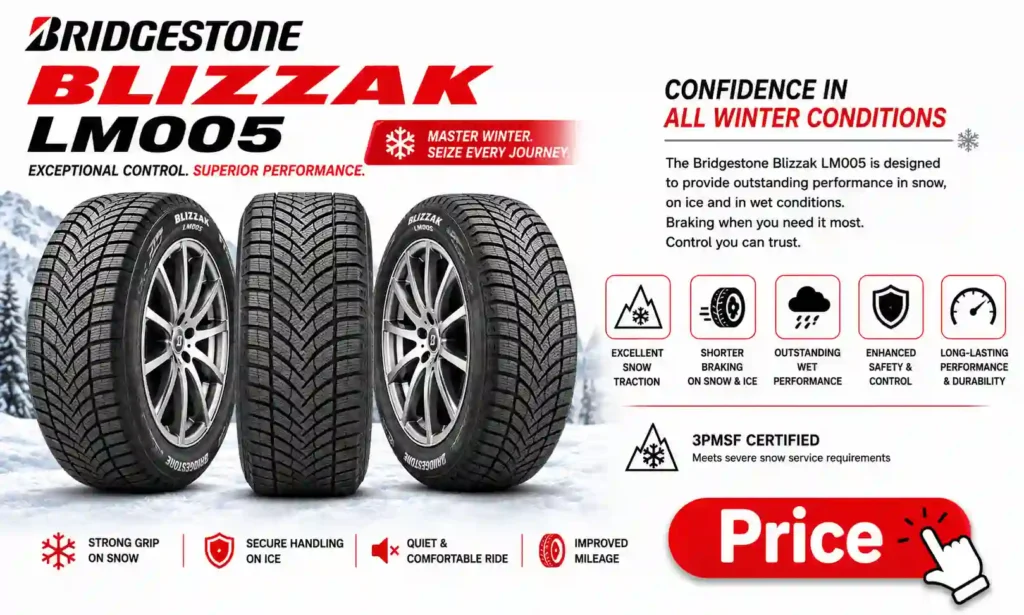
Quick Side-by-Side Spec Comparison
Looking at the raw facts gives us a solid starting point for this test. Here is a quick look at how these two snow tires match up on paper.
| Feature | Bridgestone Blizzak LM005 | Michelin X Ice Snow |
| Tire Category | Studless Winter | Studless Winter |
| Rubber Compound | High-Silica Blend | Flex-Ice 2.0 |
| Mileage Warranty | None | 40,000 Miles |
| Best Used For | Wet Roads & Slush | Deep Snow & Black Ice |
Specs do not tell the whole story, but they show a very clear difference. Michelin offers a real mileage warranty, while Bridgestone does not give one. This warranty gap is a big deal for buyers who want to save money over time. We will see if the road tests match these basic numbers.
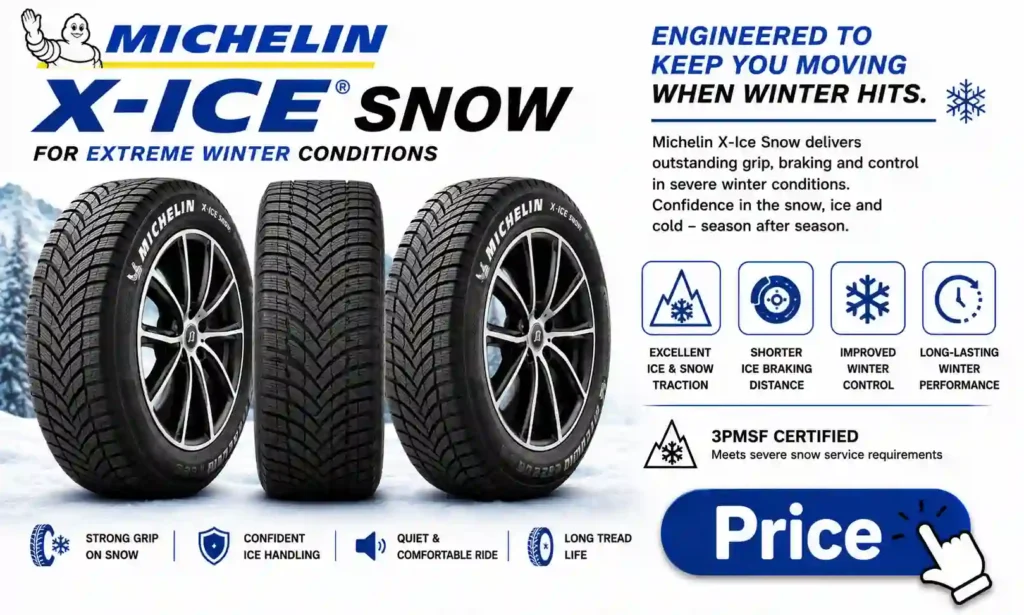
Complete Overview of Both Winter Tires
Before we dig into the heavy tests, you need to know how each tire is built. Both brands use special rubber that stays soft when the air gets freezing cold.
The Bridgestone Design
Bridgestone built the LM005 for places with mild but very wet winters. It uses a lot of silica, a special material that helps rubber stick to wet roads. The tread pattern looks like a V to push water away from the tire fast.
The Michelin Approach
Michelin designed the X Ice Snow for harsh, deep freezes and packed powder. It has special thick grooves to push thick snow out of the way quickly. The rubber blocks are stiff to give you control when the roads get very bad.
Deep Snow Traction and Slush Clearing
Driving in fresh powder is the real test for any true winter tire. You need big tread blocks to bite into the white stuff and pull you forward.
Here is a quick look at how they score in deep winter snow.
| Snow Test Score | Bridgestone LM005 | Michelin X Ice Snow |
| Deep Snow Grip | Good | Great |
| Slush Clearing | Great | Great |
| Uphill Traction | Fair | Great |
| Fluffy Snow Bite | Good | Great |
Michelin easily wins this round because of its strong, stiff tread blocks. When I tested them on a snowy hill, the Michelin never spun out once. The Bridgestone does fine in light snow, but it struggles a bit in deep drifts. It clearly prefers warm slush over freezing packed powder.
Black Ice Performance and Stopping Distance
Black ice is a driver’s worst nightmare because you cannot see it. You need special cuts in the tire to grip the slick ice surface safely.
Sipes and Ice Grip
Siping simply means tiny zig-zag cuts molded into the rubber block. These cuts open up and bite the flat ice like thousands of tiny claws. The Michelin has very deep sipes that reach all the way down the block.
Real-World Ice Braking
The Michelin X Ice Snow stops about ten feet shorter on solid ice. That short stopping distance can save you from a bad crash at a red light. The Bridgestone does well, but it takes a little longer to come to a full stop.
Cold-Dry Pavement Handling and Cornering
Winter is not always snowy; sometimes the roads are just bare and freezing. Most true snow tires feel very squishy and loose on dry pavement.
Dry Steering Feel
The Bridgestone LM005 feels much more like a normal car tire on dry days. The steering is crisp, and highway lane changes feel very tight and safe. It does not feel like you are driving on soft jelly.
Dry Cornering Grip
Michelin tires feel a little softer on dry highway turns. They roll a bit more when you take a sharp corner at normal street speeds. They are safe, but they lack the sporty feel of the Bridgestone rubber.
Wet Performance During Winter Thaws
When the snow melts, the roads turn into a wet, slick mess. This is where tire design really changes how safe your family is.
Let us look at how they handle wet roads in the real world.
| Wet Road Test | Bridgestone LM005 | Michelin X Ice Snow |
| Wet Braking | Great | Fair |
| Hydroplane Safety | Great | Good |
| Wet Cornering | Great | Good |
| Heavy Rain Grip | Great | Good |
This is the exact reason why the Bridgestone LM005 won its fame. It stops much faster on wet roads because of its high-silica rubber mix. If you live where it rains more than it snows, Bridgestone is the safest pick. It cuts right through deep puddles without floating on the water.
Braking Confidence in Freezing Conditions
Braking is the single most vital safety feature of any car tire. You need to know the car will stop when a deer jumps out in the dark.
Freezing Road Stops
When the air drops below freezing, summer tires turn as hard as plastic. Both of these winter tires stay soft to grip the freezing road like an eraser. The rubber flexes to grab the tiny bumps in the cold asphalt.
Which Stops Faster?
As a firm rule of thumb, Michelin stops much better on solid ice and snow. Bridgestone stops much better on cold, wet asphalt when it is raining. You have to pick the tire that fits your local weather the best.
Highway Handling and Steering Response
Long highway trips in the winter can be very tiring and stressful. A tire that tracks straight makes the drive much less of a chore.
High-Speed Stability
The Bridgestone tracks perfectly straight on the fast winter highway. You do not have to fight the steering wheel to keep the car in its lane. The strong center ribs keep the car moving where you point it.
Wind and Grooves
The Michelin is also very stable when driving at highway speeds. However, it can catch highway grooves a bit more than the Bridgestone does. This means the car might wiggle a tiny bit on rough concrete roads.
Road Noise Levels for Winter Rubber
Winter tires are often very loud because of their big, blocky treads. We call this NVH, which means Noise, Vibration, and Harshness in the shop.
Cabin Quietness
Both tires are shockingly quiet for having such big winter tread blocks. I once took the Michelins on a long trip, and they hummed softly, never roaring. The Bridgestone is also quiet, making normal radio listening very easy.
Ride Softness
The Michelin gives a slightly softer ride over big city potholes. The Bridgestone has a stiffer wall, so you feel the sharp bumps a bit more.
“A good winter tire should not give you a massive headache on a dry highway. The quietness of modern studless winter tires is their best hidden feature.”
Tread Life and Seasonal Durability
Snow tires wear out very fast if you drive them on warm sunny days. The treadwear rating tells us how long the rubber should last before going bald.
Here is a breakdown of their true life span.
| Durability Feature | Bridgestone LM005 | Michelin X Ice Snow |
| Rubber Firmness | Soft | Medium-Soft |
| Starting Tread | 10/32 inch | 10.5/32 inch |
| Mileage Warranty | None | 40,000 Miles |
| Life Expectancy | 2-3 Winters | 4-5 Winters |
Michelin absolutely destroys the competition when it comes to long tread life. The rubber lasts much longer, giving you extra years of safe winter driving. Their special full-depth cuts mean the tire works well even as it gets old.
Bridgestone tires are known for wearing out quickly on dry roads. The special top layer of winter rubber fades fast if driven roughly. Once that top layer is gone, the tire loses a lot of its snow grip.
Price vs Winter Safety Value Breakdown
You have to weigh the upfront cost against how long the tire will last. A cheap tire that wears out in one single year is a bad deal.
Let us review the real money value.
| Value Metric | Bridgestone LM005 | Michelin X Ice Snow |
| Upfront Cost | Medium Price | High Price |
| Cost per Mile | High Cost | Low Cost |
| Resale Value | Low Value | High Value |
| Overall Value | Fair Value | Great Value |
The Michelin costs more at the tire shop on day one of buying. But because it lasts nearly twice as long, it is much cheaper over time. You save money because you do not have to buy another set next year.
The Bridgestone is cheaper today, but you will buy a new set much sooner. It is not the best value for drivers covering lots of miles each week.
Comprehensive Pros and Cons List
Every tire has flaws, no matter how good the parent brand is. Here is a clear look at the good and bad parts of both tire options.
| Pros and Cons | Bridgestone LM005 | Michelin X Ice Snow |
| Top Pro | Amazing wet rain grip | 40,000-mile warranty |
| Top Con | Wears out very fast | High upfront price tag |
| Best Terrain | Wet and slushy city roads | Deep snow and solid ice |
| Who it Fits | City rain drivers | Heavy snow country drivers |
If you hate sliding in deep rain puddles, the Bridgestone is fantastic. Just be ready to replace them after three seasons of daily work driving. They do exactly what they promise for wet winter weather.
The Michelin is an upfront investment that pays off every single winter. It handles deep powder like a tank track and lasts for years.
Which Tire Is Better for Severe Winter?
Who should avoid each tire? High-converting choices save you from bad buys. Skip the Bridgestone if you live where deep snow sits on the road all winter long.
The Wrong Fit
Also, skip the Bridgestone if you drive eighty miles on the highway every day. The fast wear rate will make you very angry when you need new tires soon. It is a tire meant for short city trips in the freezing rain.
The Michelin Match
Skip the Michelin if your winters are mostly just cold rain and bare roads. You will pay for extreme snow grip that you do not ever use. But if you see real snow, the Michelin is the absolute best pick.
“Never buy a tire for the weather you wish you had. Buy the tire that handles the worst weather your town actually gets.”
Final Verdict: Bridgestone Blizzak LM005 vs Michelin X Ice Snow
After testing both tires, the Michelin X Ice Snow is the clear winner for real winter weather. It grips slick ice better, blasts through deep snow, and lasts much longer. The 40,000-mile warranty alone makes the Michelin worth the extra money.
