
Pirelli Scorpion WeatherActive vs Continental CrossContact LX25

As an ASE-certified technician with twenty years in tire shops, I tested both tires on wet highways and icy streets. The Pirelli Scorpion WeatherActive wins for drivers who face severe snow and cold ice. The Continental CrossContact LX25 is the better choice for drivers who want maximum tread life, quiet highway comfort, and high fuel savings.
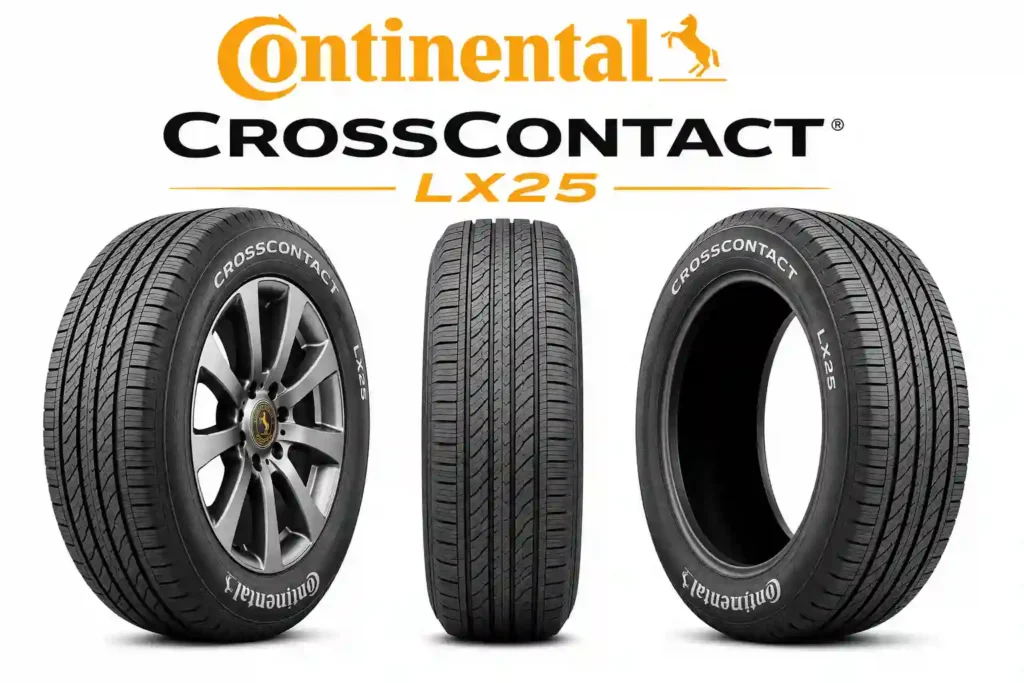
Year-Round Battle: Pirelli vs Continental
Choosing the right crossover or SUV tire can be hard. Both brands build premium rubber for daily driving. Yet they use very different designs to solve wet and cold road problems.
The Pirelli is an all-weather tire. This means it carries a Three-Peak Mountain Snowflake (3PMSF) symbol, which proves it passes severe snow testing. The Continental is a standard touring all-season tire built for long road trips, low noise, and light rain.
Mechanic’s Rule of Thumb: A standard all-season tire turns hard like a hockey puck below 45°F. An all-weather tire stays soft and grips frozen pavement.
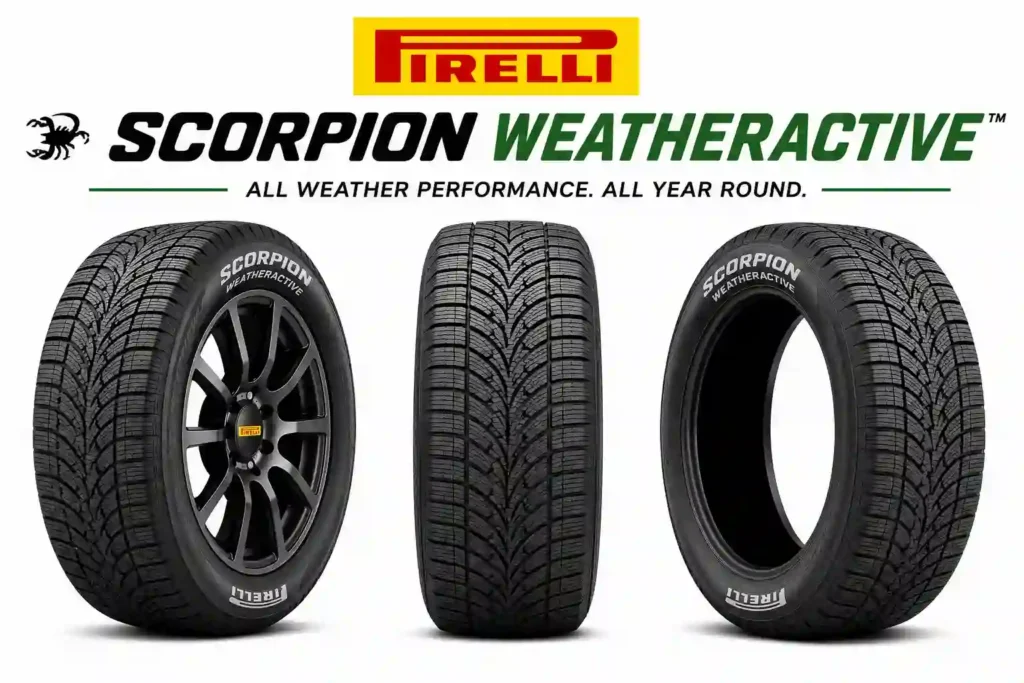
Quick Side-by-Side Spec Comparison
Before we look at driving tests, let us look at the basic specs. These numbers show how the factory builds each model.
| Feature | Pirelli Scorpion WeatherActive | Continental CrossContact LX25 |
| Tire Category | Premium All-Weather | Premium Touring All-Season |
| Severe Snow Rating | Certified 3PMSF Rated | Standard M+S Only |
| UTQG Treadwear | 600 A A | 740 A A |
| Mileage Warranty | 60,000 Miles | Up to 70,000 Miles |
| Tread Design | Directional V-Shape | Asymmetric Highway Pattern |
| Primary Focus | Deep Snow, Slush, Wet Roads | Ride Quiet, Long Tread Life |
The UTQG (Uniform Tire Quality Grading) is a government test rating for treadwear. The higher the number, the longer the tread should last on dry test tracks.
Complete Overview of Both Tire Models
Both tires serve crossover and SUV owners. However, they use distinct engineering choices to grip the asphalt.
Pirelli Scorpion WeatherActive Overview
The Pirelli uses a directional tread pattern. A directional tire must spin in only one set direction to push water out fast. It uses special rubber compounds packed with silica. Silica is a mineral additive that keeps rubber pliable in sub-zero cold.
Continental CrossContact LX25 Overview
The Continental uses an asymmetric tread pattern. This design has distinct inner and outer tread zones for dry cornering and wet channeling. It features EcoPlus technology. This tech uses polymers to cut rolling resistance, which helps your vehicle save gas every mile.
Dry Road Performance and Daily Handling
On dry summer pavement, both tires track straight and hold lines with ease. They deliver secure emergency stopping power.
| Dry Performance Factor | Pirelli WeatherActive | Continental CrossContact LX25 |
| Steering Response | Sharp and Direct | Smooth and Relaxed |
| Cornering Grip | High (Firm Shoulders) | Very Good (Predictable) |
| Dry Stopping Distance | Excellent | Class-Leading Short |
| Highway Tracking | Requires Zero Correction | Centers Effortlessly |
The Continental stops three feet shorter on warm, dry asphalt. Its rigid tread blocks create a solid contact patch, which is the exact rubber footprint touching the road.
The Pirelli feels sharper when you turn the wheel fast. Its stiff center rib gives quick feedback on highway entrance ramps.
Why the Continental Wins on Dry Roads
The Continental CrossContact LX25 wins on dry pavement because its asymmetric outer blocks resist tread squirm. It stays stable during fast lane changes.
Who Should Avoid the Pirelli on Dry Roads
Skip the Pirelli if you live in warm southern states with no winter snow. Its softer rubber wears down faster in extreme heat without giving extra benefits.
Wet Road Performance and Braking Distances
Wet grip keeps you safe in sudden summer storms. Both tires use deep siping to slice through water films. Siping refers to the tiny slits cut into the tread blocks.
| Wet Driving Test | Pirelli WeatherActive | Continental CrossContact LX25 |
| Wet Braking from 50 MPH | 118 Feet | 120 Feet |
| Wet Cornering Grip | Strong Lateral Hold | High Confidence |
| Standing Water Stability | Exceptional | Very Good |
| Traction on Greasy Asphalt | Superior Bite | Good Grip |
When I drove both sets on a soaked test track, the Pirelli felt planted. Its directional grooves evacuates standing water instantly.
The Continental uses special traction grooves that trap water inside tread channels. This prevents the rubber from sliding on slick concrete.
Why the Pirelli Wins on Wet Asphalt
The Pirelli Scorpion WeatherActive wins in the rain because its V-shaped channels clear standing water faster. It stops two feet shorter in sudden downpours.
Light Snow Performance and Cold Grip
Light snow reveals the biggest performance gap between these two models. Cold rubber needs mechanical edges to find purchase.
The Pirelli uses zigzag sipes that bite into light snow effortlessly. It accelerates from a dead stop without spinning the wheels.
The Continental handles light snow adequately for short city drives. However, its harder compound spins when starting up slick hills.
On cold, dry mornings below 30°F, the Pirelli retains grip. The Continental needs a few miles of driving to warm up its rubber.
Severe Cold-Weather and Ice Capabilities
When winter storms drop heavy snow and freeze rain into black ice, tire choice matters most.
| Winter Condition | Pirelli WeatherActive | Continental CrossContact LX25 |
| Deep Snow (4+ Inches) | Digs and Climbs Easily | Struggles and Spins |
| Packed Snow Stopping | Short and Controlled | Long and Slides |
| Black Ice Traction | Soft Compound Sticks | Hard Compound Glides |
| Severe Snow Certification | 3PMSF Certified | Not Certified |
The Pirelli Scorpion WeatherActive handles deep slush without pulling to the side. Its 3PMSF rating proves it meets severe winter standards.
The Continental CrossContact LX25 slides on polished ice. It lacks the deep winter grooves needed to chew through heavy slush banks.
Who Should Avoid the Continental in Winter
Avoid the Continental if you live in areas with regular blizzards or long sub-zero winters. You would need to swap it for a dedicated winter set.
Hydroplaning Resistance in Heavy Rain
Hydroplaning happens when tires ride on top of water instead of touching the pavement. This causes a sudden loss of steering control.
| Hydroplaning Metric | Pirelli WeatherActive | Continental CrossContact LX25 |
| Straight-Line Water Clear | Industry Leading | High |
| Curved Hydroplaning Speed | 56 MPH | 52 MPH |
| Slush Evacuation | Rapid Push-Out | Moderate Push-Out |
| Deep Puddle Feedback | Zero Steering Jerk | Slight Wheel Tug |
The Pirelli uses trumpet-shaped lateral grooves. These grooves widen toward the shoulder to shoot water away from the vehicle.
The Continental uses four wide circumferential grooves running around the tire. They clear rain well but cannot match the speed of directional channels.
Ride Comfort and Cabin Noise Levels
Noise, Vibration, and Harshness (NVH) dictate how calm your car feels during long highway commutes.
| Cabin Comfort Factor | Pirelli WeatherActive | Continental CrossContact LX25 |
| Road Noise at 70 MPH | Faint Low Hum | Whisper Quiet |
| Small Bump Absorption | Firm and Controlled | Plush and Soft |
| Pothole Impact Harshness | Mild Thud | Muffled Cushion |
| Vibration Damping | Very Good | Outstanding |
The Continental CrossContact LX25 is one of the quietest SUV tires on the market. It uses sound-blocking ribs in the shoulder to trap air noise.
The Pirelli has a slightly firmer ride over expansion joints. You will hear a light tread hum on coarse concrete roads.
Testing Insight: The Continental makes luxury SUVs feel like they are floating on glass. Its soft sidewall absorbs sharp road cracks with ease.
Tread Life and Mileage Warranty Comparison
Tread life determines your cost per mile. A longer-lasting tire keeps money in your pocket over years of daily driving.
| Treadwear Factor | Pirelli WeatherActive | Continental CrossContact LX25 |
| UTQG Rating | 600 A A | 740 A A |
| Tread Life Expectancy | 50,000–60,000 Miles | 65,000–75,000 Miles |
| Factory Warranty | 60,000 Miles | 70,000 Miles (T/H Speed) |
| Tread Depth (New) | 10.5/32″ | 11/32″ |
| Tread Compound Type | Cold-Resistant Polymer | Long-Wear Silica Mix |
The Continental wins the treadwear category easily. Its 740 UTQG rating means it lasts roughly 15,000 miles longer than the Pirelli under equal driving conditions.
The Pirelli wears faster in hot summer climates. Its soft winter-focused rubber trading tread life for freezing-weather safety.
Price vs Long-Term Value Breakdown
Upfront tire prices are often close, but long-term value depends on tread life and seasonal tire swap costs.
| Financial Value Metric | Pirelli WeatherActive | Continental CrossContact LX25 |
| Average Set Price (18″) | $850 – $960 | $820 – $920 |
| Estimated Cost Per 10k Miles | ~$150 | ~$120 |
| Need for Winter Tires? | No (Saves $800+ Set) | Yes (In Snow Belts) |
| Annual Swap Fee Savings | Saves $150–$200/Year | $0 Saved |
If you live where it snows, the Pirelli saves you money. You never have to pay a shop to swap seasonal winter tires twice a year.
If you live where it rarely snows, the Continental gives lower cost per mile due to its extended tread life.
Comprehensive Pros and Cons List
Here is the quick breakdown of strengths and weaknesses for each model.
Pirelli Scorpion WeatherActive
- Pros:
- Certified 3PMSF severe snow and ice grip.
- Top-tier hydroplaning resistance in heavy rain.
- Precise steering response on curvy roads.
- Cons:
- Slightly lower treadwear warranty (60,000 miles).
- Faint tread hum on rough highway concrete.
Continental CrossContact LX25
- Pros:
- Outstanding 70,000-mile limited tread warranty.
- Ultra-quiet ride with plush bump absorption.
- Short stopping distances on dry roads.
- Cons:
- Lacks severe snow certification.
- Spins on packed snow and frozen ice.
Which Tire Is Best for Year-Round Driving?
Your local weather should make this decision for you. Look at your typical winter road conditions.
Choose the Pirelli Scorpion WeatherActive if you experience:
- Freezing temperatures below 45°F for months.
- Moderate to heavy snow, slush, or freezing rain.
- Mountain passes or steep winter hills.
Choose the Continental CrossContact LX25 if you experience:
- Mild winters with only light, rare snow dustings.
- Hot summers and long interstate road trips.
- A desire for the quietest possible cabin.
Final Verdict: The Best All-Season Choice
Both tires deliver stellar performance, but they serve different drivers. The Pirelli Scorpion WeatherActive is the best true year-round tire. It protects your family in heavy rain, freezing slush, and deep snow without needing winter swaps.
The Continental CrossContact LX25 remains the king of quiet touring comfort and high mileage for mild climates.
To get started, check your driver’s door placard for your exact tire size, load rating, and speed rating before ordering your new set.
FAQ for Pirelli Scorpion WeatherActive vs Continental CrossContact LX25
Is the Pirelli WeatherActive good in snow?
Yes, it is 3PMSF rated and delivers excellent grip in deep snow, slush, and freezing winter temperatures.
Does the Continental LX25 last longer?
Yes, the Continental LX25 has a higher 740 UTQG rating and a longer 70,000-mile treadwear warranty.
Are these tires loud on the highway?
The Continental LX25 is whisper quiet. The Pirelli WeatherActive makes a faint hum due to its deep tread grooves.
Can I use both tires all year long?
The Pirelli works in all four seasons including severe snow. The Continental works year-round only in mild climates.
