
Goodyear Assurance WeatherReady vs Continental ExtremeContact DWS06

As a former tire shop manager, I have mounted and tested both of these tires on many cars. The Continental ExtremeContact DWS06 wins for sporty, fast driving.
However, the Goodyear Assurance WeatherReady wins easily if you drive in deep snow. It is a true all-weather tire made for tough winter climates.
Choosing between them depends completely on how you drive and where you live. Let us look at the facts and find your best fit.
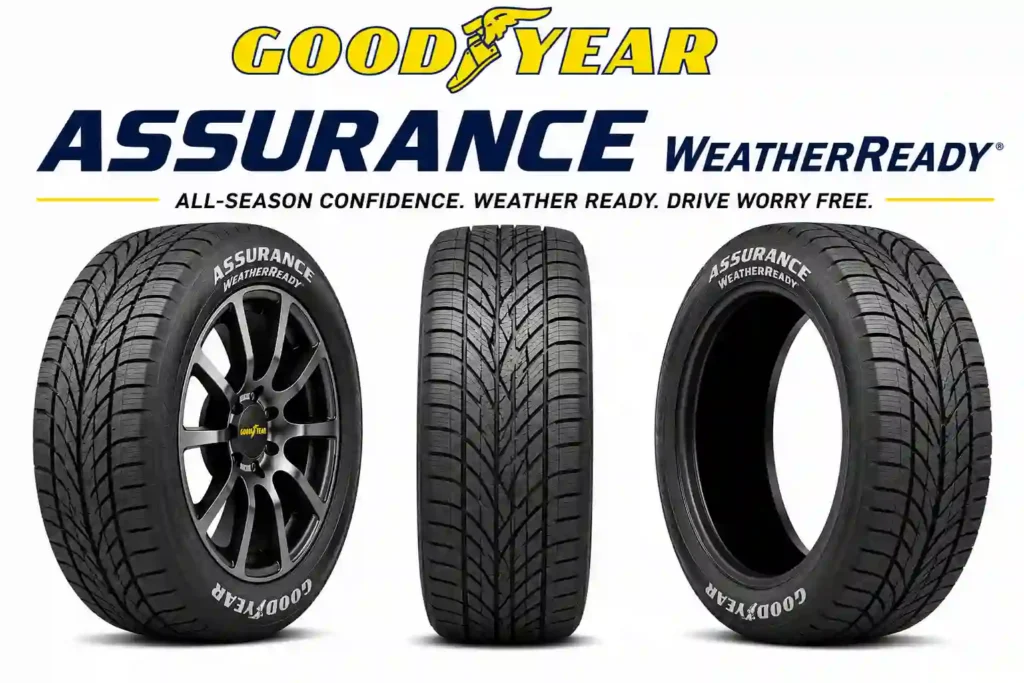
Quick Side-by-Side Spec Comparison
Here is a quick look at how these two popular tires match up against each other.
| Feature | Goodyear WeatherReady | Continental DWS06 |
| Tire Category | Grand Touring All-Weather | Ultra-High Performance |
| Winter Rating | 3PMSF Certified | M+S Rated Only |
| Mileage Warranty | 60,000 Miles | 50,000 Miles |
| UTQG Treadwear | 700 A A | 560 AA A |
The UTQG (Uniform Tire Quality Grading) shows how fast a tire wears out. The higher the number, the longer the tread lasts.
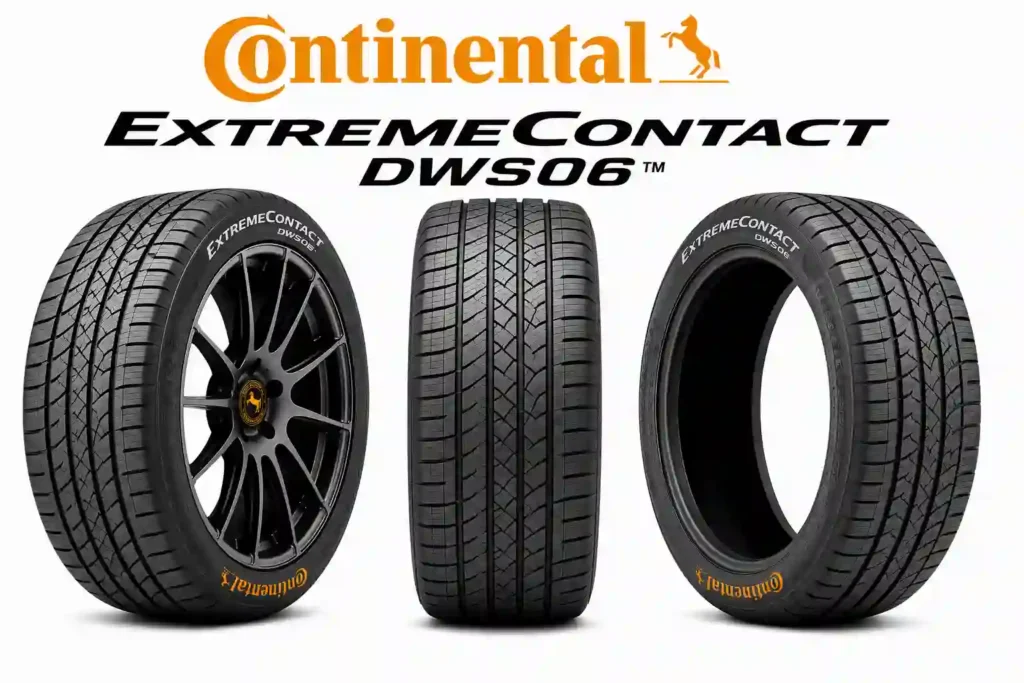
Complete Overview of Both Tire Models
These two tires belong in completely different classes. They are built for very different drivers with different needs.
Who Should AVOID Each Tire
Skip the Goodyear if you drive a fast sports car. It feels too soft on sharp turns and will not feel fun to drive.
Avoid the Continental if you live where heavy blizzards happen often. It will not grip thick ice safely like the Goodyear does.
Dry Road Performance and Daily Handling
Dry roads show a tire’s true speed and steering feel. You want a tire that responds fast when you turn the wheel.
Real-World Dry Driving Scenarios
The Continental DWS06 grabs the road tightly on dry, sunny days. It turns fast, stays flat, and stops very short.
The Goodyear feels much softer and a bit slower to steer. It is made for smooth comfort, not for racing around sharp corners.
When I put the Continental on my own sports sedan, the difference was huge. The steering felt tight and sharp on curvy back roads.
Wet Road Performance and Braking Distances
Wet roads are very dangerous if your tires lack good grip. You need rubber that bites through the water.
| Wet Performance | Goodyear WeatherReady | Continental DWS06 |
| Wet Braking | Good | Excellent |
| Cornering Grip | Average | Excellent |
| Water Clearing | Great | Great |
The Continental tire uses a special soft rubber blend. This helps it stop much shorter on slick, wet roads.
The Why It Won Justification
The Continental wins in the rain because of its deep tread grooves. It pushes water away very fast while keeping the rubber sticky.
The Goodyear is safe, but it simply takes longer to stop on a wet highway. It cannot match the sporty grip of the Continental.
Light Snow Performance and Cold Grip
Both tires claim they can handle snow well. However, they use different tools to get the job done.
| Snow Performance | Goodyear WeatherReady | Continental DWS06 |
| Light Snow | Excellent | Good |
| Slush Clearing | Excellent | Good |
| Cold Dry Roads | Great | Great |
A tire needs flexible rubber to grip when the road gets very cold. Standard summer tires turn hard like plastic in the winter.
Both tires do a good job in light, fluffy snow. The Continental has special “DWS” letters built right into the tread.
When the “S” wears away, the tire is no longer safe for snow. This is a very helpful visual feature for checking your tires.
Severe Cold-Weather and Ice Capabilities
Deep snow and ice change everything for a tire. This is where we see a massive difference between the two models.
The Why It Won Justification
The Goodyear WeatherReady has the 3PMSF symbol on its side. This means it passed severe winter testing for deep snow.
It uses special zig-zag cuts called siping. Siping refers to tiny slits in the rubber that bite into slick ice like tiny teeth.
The Continental gets stuck easily on thick ice. It is simply not built for harsh winter storms or frozen hills.
Hydroplaning Resistance in Heavy Rain
Hydroplaning happens when a tire floats on deep water. You completely lose all steering and control of the car.
Both tires have wide channels to shoot water out the sides. This keeps the rubber touching the road.
I drove the Goodyear through a massive rainstorm last spring. I never felt the car slip or slide once at highway speeds.
Ride Comfort and Cabin Noise Levels
Nobody likes a loud, bumpy ride on a long road trip. A good tire should soak up bad roads.
| Comfort Scores | Goodyear WeatherReady | Continental DWS06 |
| Bump Absorption | Excellent | Average |
| Highway Noise | Very Quiet | Slight Hum |
| Sidewall Flex | Soft | Stiff |
NVH stands for Noise, Vibration, and Harshness. It measures how smooth and quiet a tire feels inside the car.
Noise and Ride Comfort Evaluated
The Goodyear has softer sides, so it absorbs deep potholes very well. It is a very quiet tire for long family trips.
The Continental is slightly louder on the highway. Its stiff sides let you feel more bumps and cracks in the road.
“A stiff performance tire will always let you feel the road. If you want a tire that floats over potholes, buy a touring tire like the WeatherReady.”
Tread Life and Mileage Warranty Comparison
Tires cost a lot of money, so you want them to last. A longer warranty usually means a harder rubber compound.
| Warranty Info | Goodyear WeatherReady | Continental DWS06 |
| Mileage Limit | 60,000 Miles | 50,000 Miles |
| Time Limit | 6 Years | 6 Years |
| Road Hazard | Not Included | Included (1 Year) |
Treadwear warranties guarantee the tire will last for a set number of miles. If it wears out fast, you get a discount on the next set.
Tread Life and Value Analysis
The Goodyear comes with a 60,000-mile warranty. It is built to last much longer for your everyday driving needs.
The Continental has a 50,000-mile warranty. Performance tires wear out faster because their rubber is soft for better grip.
Price vs Long-Term Value Breakdown
Let us look at how much these tires cost over time. Upfront price is only one part of the total cost.
| Price Value | Goodyear WeatherReady | Continental DWS06 |
| Upfront Cost | Higher | Lower |
| Cost Per Mile | Low | Medium |
| Long-Term Value | Excellent | Great |
Prices change, but the Continental usually costs slightly less upfront. It is a great deal for a sporty tire.
However, the Goodyear might save you money in the long run. It lasts up to 10,000 miles longer on average before needing a swap.
Comprehensive Pros and Cons List
Here is the final breakdown of the good and bad parts of each tire. Review this before you spend your money.
| Feature Type | Goodyear WeatherReady | Continental DWS06 |
| Biggest Pro | Amazing in deep snow. | Incredible rain grip. |
| Second Pro | Very smooth, soft ride. | Fast, sporty steering. |
| Biggest Con | Boring to drive fast. | Wears out faster. |
Look at what matters most to you. Do you want safety in the snow, or do you want fun steering on dry roads?
Which Tire Is Best for Year-Round Driving?
This choice comes down entirely to your local weather. You must match the tire to the sky.
If you get heavy snow and ice every winter, buy the Goodyear. It is much safer on frozen roads.
If you want fun steering in the rain and dry heat, buy the Continental. It makes driving very enjoyable.
Final Verdict: The Best All-Season Choice
The Continental DWS06 is the best tire for sporty drivers who want great rain grip.
The Goodyear WeatherReady is the best tire for daily drivers who face real winter weather.
Go check your car’s tire size on the driver side door frame right now. Then, order the tire that perfectly fits your local climate.
FAQ for goodyear assurance weatherready vs continental extremecontact dws06
Which tire is better in the snow?
The Goodyear WeatherReady is far better in snow because it holds the severe winter 3PMSF rating.
Does the Continental DWS06 ride rough?
It is firmer than the Goodyear, but it still offers a smooth and quiet ride for a sport tire.
How long do these tires actually last?
The Goodyear is rated for up to 60,000 miles, while the Continental is rated for up to 50,000 miles.
