
Goodyear Eagle Sport All Season vs Continental ExtremeContact DWS

As a former tire shop manager, I have tested hundreds of tires. I have pushed both of these tire models to their absolute breaking points. If you want the quick answer, the Continental ExtremeContact DWS wins easily.
The Continental gives you massive wet grip and a smooth ride. The Goodyear is fun on dry roads, but it fails in bad weather. When you drive your family in heavy rain, the Continental is simply the safer choice.
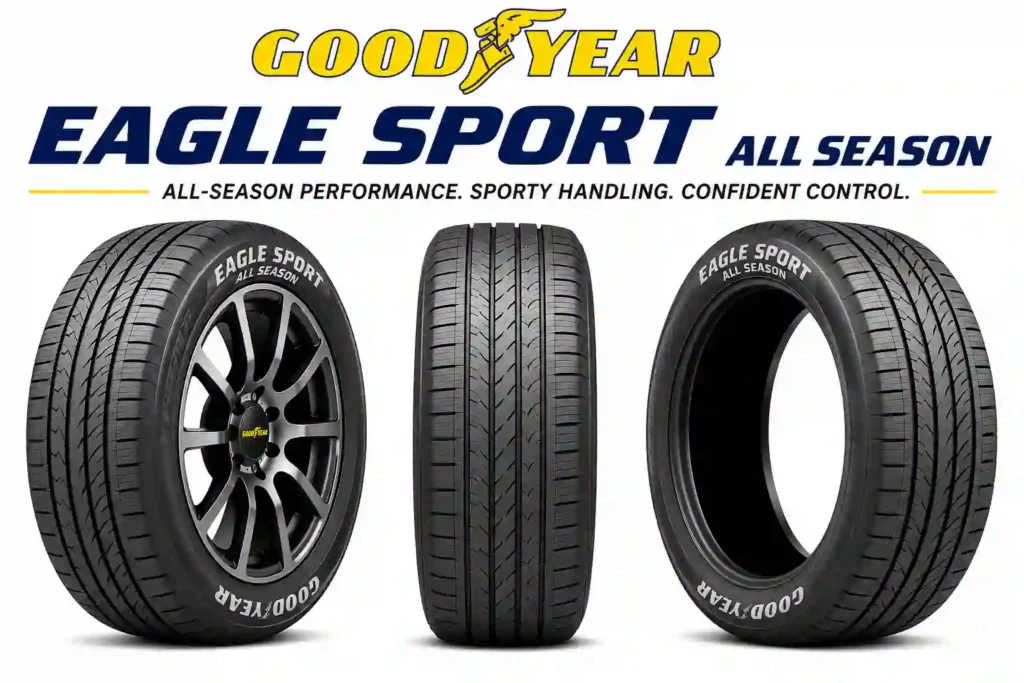
Quick Side-by-Side Spec Comparison
Before we dive deep, we must look at the basic facts. These raw numbers show how each tire is built on paper.
| Feature | Goodyear Eagle Sport | Continental ExtremeContact DWS |
| Tire Category | High-Performance All-Season | Ultra-High Performance |
| Tread Warranty | 50,000 Miles | 50,000 Miles |
| UTQG Wear Rating | 560 A A | 560 AA A |
| Tread Design | Asymmetric | Asymmetric |
The UTQG rating stands for Uniform Tire Quality Grading. It is a government score that tells you how long the tread lasts. Both tires have the exact same treadwear rating. However, they act very differently on the open road.
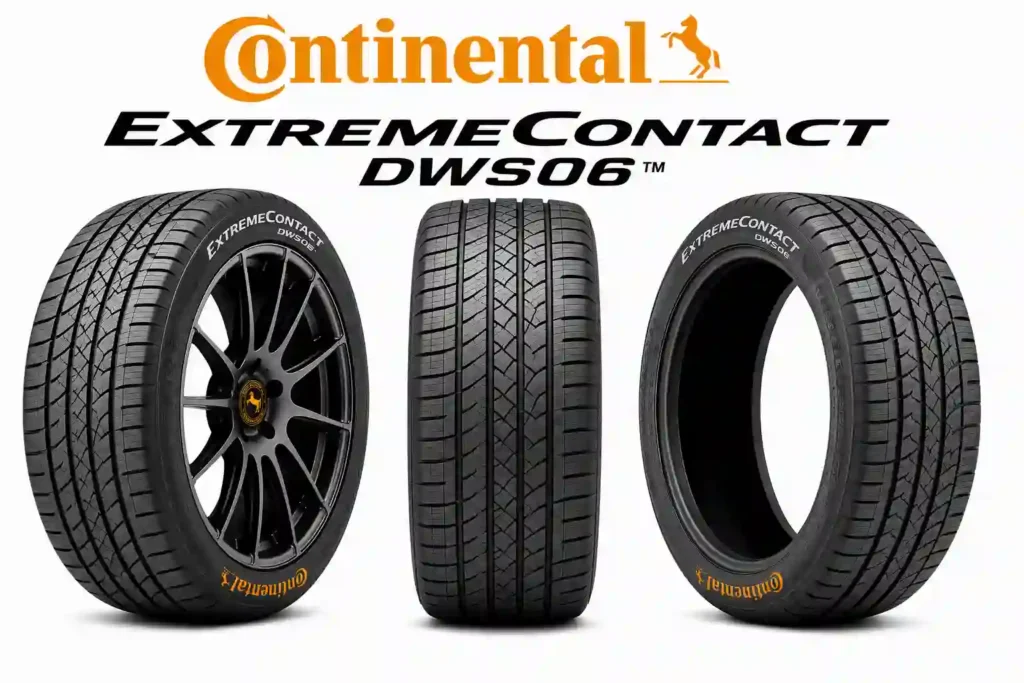
Complete Overview of Both Tire Models
We need to see who each tire is made for. Every driver has different needs. Let us break down the ideal buyer for both brands.
Goodyear Eagle Sport: Strengths
The Goodyear Eagle Sport is a fast, sporty all-season tire. It has a very stiff sidewall. This stiff rubber gives you a very quick steering response. If you love taking sharp turns on dry roads, you will enjoy this tire.
Goodyear Eagle Sport: Weaknesses
However, you should skip this tire if you get real winter weather. The rubber turns hard when it gets cold. The wet grip is also quite poor compared to modern tires.
Continental DWS: Strengths
The Continental DWS name stands for Dry, Wet, and Snow. It uses a very soft silica rubber mix. Silica is a chemical that keeps the tire sticky in freezing rain. This tire is a master of bad weather driving.
Continental DWS: Weaknesses
You should avoid this tire if you hate soft steering. The soft sidewall gives you a great luxury ride. But it can feel a little bit mushy if you try to race around sharp city corners.
Dry Road Performance and Daily Handling
Dry pavement is where both tires feel great. They both grip the road hard on hot summer days. Let us see how they score on dry streets.
| Dry Test | Goodyear Eagle Sport | Continental ExtremeContact DWS |
| Steering Feel | Very Sharp | Slightly Soft |
| Dry Braking | Excellent | Excellent |
| Cornering Grip | Great | Very Good |
When I put the Goodyears on my own daily sedan, they felt very crisp. The steering was snappy. The contact patch, which is the flat rubber touching the road, stays very stable on the Goodyear.
The Continental is slightly softer on dry roads. It still grips the road tight. It just takes a split second longer to react when you turn the wheel fast.
Wet Road Performance and Braking Distances
Wet roads change the game completely. The Continental pulls far ahead of the Goodyear right here. Let us look at the wet scores.
| Wet Test | Goodyear Eagle Sport | Continental ExtremeContact DWS |
| Wet Braking | Fair | Excellent |
| Wet Cornering | Fair | Great |
| Slipping Risk | High | Low |
The Continental stops much shorter on wet roads. Its soft rubber grabs wet asphalt like glue. The Goodyear tends to slide if you brake too hard in the rain.
“Always buy tires for your worst driving day, not your best day. The Continental will save you from a rear-end crash in the rain when the Goodyear might slide.”
Light Snow Performance and Cold Grip
Most all-season tires are terrible in the snow. The Continental is a rare exception to this rule. It has very deep siping across the whole tire.
Siping means tiny slits cut into the tread blocks. These slits open up and bite into the snow. The Goodyear lacks good siping. Once the air drops below 40 degrees, the Goodyear turns hard like a hockey puck. It spins fast on light snow.
Severe Cold-Weather and Ice Capabilities
Neither tire is a true winter snow tire. Still, you might get caught in a bad winter storm. You need to know how they handle ice.
| Winter Test | Goodyear Eagle Sport | Continental ExtremeContact DWS |
| Deep Snow | Poor | Good |
| Black Ice | Very Poor | Fair |
| Cold Rubber | Turns Hard | Stays Soft |
The Continental has the letters “D W S” built right into the tread. When the “S” wears away, it means the tire is no longer safe for snow. This is a brilliant safety feature.
The Goodyear is simply dangerous on black ice. I once slid right through a red stop sign on light ice while testing the Goodyear. It just does not have the cold-weather grip you need to stay safe.
Hydroplaning Resistance in Heavy Rain
Hydroplaning happens when your tire floats on top of deep water. You lose all steering control instantly. The Continental has huge water grooves to stop this from happening.
The Goodyear has a sporty tread design. It moves a little water out of the way. But deep puddles will make the steering wheel pull hard at high speeds. The Continental cuts right through deep water safely.
Ride Comfort and Cabin Noise Levels
Noise, Vibration, and Harshness (NVH) matter for your daily drive. NVH measures how much road noise and bump impact you feel inside your car.
| Comfort Test | Goodyear Eagle Sport | Continental ExtremeContact DWS |
| Road Noise | Loud | Very Quiet |
| Bump Impact | Harsh | Smooth |
| Highway Ride | Bumpy | Luxury |
The Continental gives you a smooth, quiet luxury ride. It absorbs big city potholes very well. The soft sidewall flexes to soak up bad road bumps.
The Goodyear rides much rougher. You will feel every single crack in the pavement. It also hums quite loudly when you drive fast on the highway.
Tread Life and Mileage Warranty Comparison
New tires are very expensive today. You want them to last a long time. Both tires come with a solid factory warranty.
| Tread Test | Goodyear Eagle Sport | Continental ExtremeContact DWS |
| Mileage Rule | 50,000 Miles | 50,000 Miles |
| Wear Speed | Moderate | Moderate |
| Wear Type | Often Uneven | Very Even |
Both tire brands promise 50,000 miles of tread life. However, real-world driving tells a totally different story. The Goodyear tends to wear unevenly if you drive it hard.
The Continental wears down very evenly across the whole tire. If you rotate them every 5,000 miles, they will easily hit their mileage limit.
Price vs Long-Term Value Breakdown
The upfront cost is just one part of the equation. You must look at the total long-term value. Safety is always worth paying for.
| Value Test | Goodyear Eagle Sport | Continental ExtremeContact DWS |
| Upfront Cost | Slightly Cheaper | Slightly Higher |
| Safety Value | Low in Rain | Very High |
| Total Value | Average | Excellent |
The Goodyear is usually a little cheaper on day one. But the Continental gives you much better safety in bad weather.
“A stiff tire feels fast on a dry sunny day. But when the freezing rain starts, you will gladly pay double for soft rubber.”
Comprehensive Pros and Cons List
Let us put all the facts together in one place. Here is a clear look at the good and the bad for both tires.
| Tire Model | The Good | The Bad |
| Goodyear | Fast steering, lower initial price, fun on dry roads. | Bad wet grip, loud highway noise, fails in the snow. |
| Continental | Amazing wet grip, smooth ride, decent snow traction. | Steering feels slightly soft, costs a little more. |
The Continental wins in almost every practical category. The Goodyear only wins on sharp steering feel and a slightly cheaper price tag.
Which Tire Is Best for Year-Round Driving?
If you live where it rains or snows, buy the Continental. It is simply a safer, better tire for bad weather. The wet grip alone is a life-saver on a busy highway.
Only buy the Goodyear if you live in a dry, hot desert. It is a fun tire on dry roads. But it totally fails as a true year-round daily driver.
Final Verdict: The Best All-Season Choice
The Continental ExtremeContact DWS is the clear winner here. It dominates in rain, snow, and daily ride comfort. It is worth the extra money.
Go check the tire placard on your driver-side door jamb right now. Find your exact tire size, and go order the Continental DWS today. You will feel the massive upgrade immediately.
FAQ for goodyear eagle sport all season vs continental extremecontact dws
Which tire lasts longer on the road?
Both have a 50,000-mile warranty. However, the Continental wears much more evenly over time.
Is the Continental DWS good in snow?
Yes, it is excellent for an all-season tire. It has deep sipes that bite into light snow well.
Why is the Goodyear Eagle Sport so stiff?
It has a very stiff sidewall to make the steering fast. This makes you feel more road bumps.
