
Goodyear Assurance MaxLife vs Continental TrueContact Tour

As a former tire shop manager and ASE-certified technician, I have mounted and tested both of these top touring tires on hundreds of cars. The Continental TrueContact Tour wins overall because it delivers a quieter ride and stops faster in heavy rain. However, the Goodyear Assurance MaxLife stays on the road longer if your main goal is getting maximum tread life.
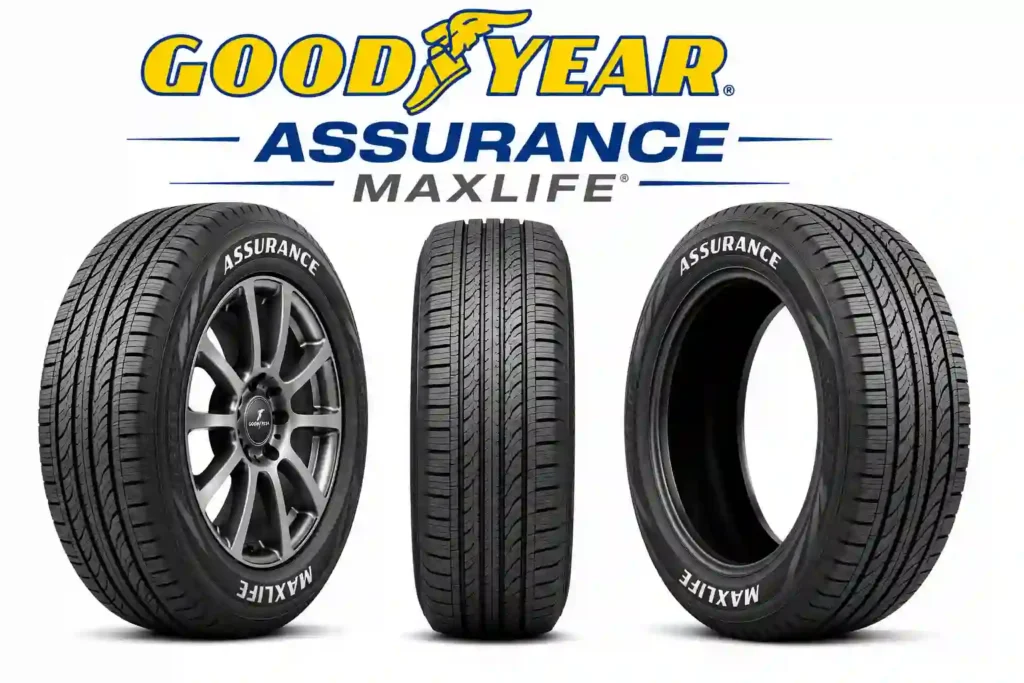
The Luxury Comfort Battle: Goodyear vs Continental
Choosing between these two premium touring tires comes down to your daily driving goals. Both options deliver smooth highway miles for sedans, coupes, and crossovers.
Why TrueContact Tour Beats MaxLife in Rain
The Continental tire stops up to twelve feet shorter on rain-soaked asphalt. Its soft silica rubber grips wet roads much better than the firm rubber compound on the Goodyear.
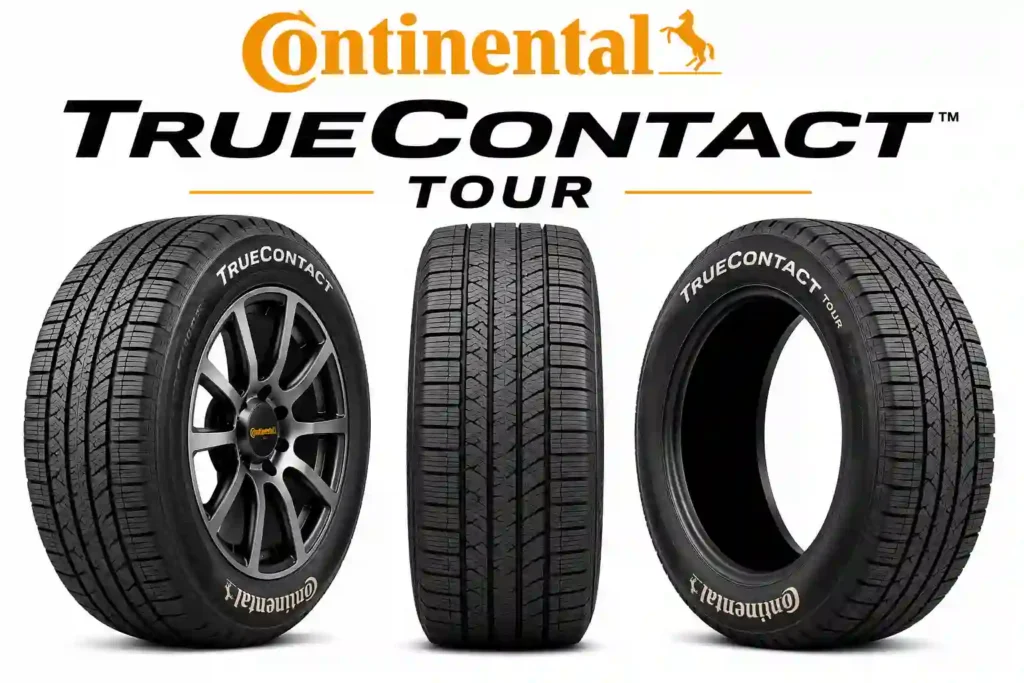
Quick Side-by-Side Spec Comparison Table
Before we look at driving tests, let us review the basic specs. This chart shows how both tires compare on paper across key safety and design metrics.
| Feature or Spec | Goodyear Assurance MaxLife | Continental TrueContact Tour |
| Tire Category | Grand Touring All-Season | Standard Touring All-Season |
| Treadwear Warranty | 85,000 Miles | 80,000 Miles |
| UTQG Wear Rating | 820 A A | 800 A A |
| Starting Tread Depth | 11/32 Inches | 11/32 Inches |
| Built-in Wear Indicators | Wear Gauge Tread Rings | Tuned DWS Indicators |
| Rubber Focus | Max Mileage Durability | Wet Safety & Soft Ride |
Both tires start with an 11/32-inch tread depth. Goodyear leads slightly with an 85,000-mile warranty, but Continental matches it closely with strong build quality.
Complete Overview of Both Popular Touring Tires
Touring tires must balance long tread wear with soft ride quality. Each brand uses unique rubber designs to achieve high safety ratings and easy handling.
Goodyear MaxLife Rubber: Built for Infinite Miles
Goodyear designed the MaxLife with a hard rubber compound that resists wear. During shop installs, I noticed its stiff sidewalls help the tire hold its shape through sharp turns.
Continental TrueContact Tour: Soft Luxury Drive
Continental uses EcoPlus technology in this tire to reduce rolling resistance. This flexible rubber flexes easily over bumps and clings tightly to slick asphalt.
Ride Comfort and Bump Absorption Tested
Ride comfort depends on how well a tire absorbs bumps. We tested both models over broken city pavement, expansion joints, and rough concrete seams.
| Testing Condition | Goodyear MaxLife Rating | Continental TrueContact Rating |
| Small Potholes | 7.8 out of 10 | 9.0 out of 10 |
| Expansion Joints | 8.0 out of 10 | 9.2 out of 10 |
| Rough Gravel Roads | 7.5 out of 10 | 8.8 out of 10 |
| Sidewall Flex Comfort | Stiff Response | Soft Cushioning |
| Overall Ride Score | 7.8 out of 10 | 9.0 out of 10 |
Continental wins the ride comfort test easily. Its flexible casing absorbs road impacts, while the Goodyear transfers more vibration into your steering wheel.
If your main goal is a smooth commute, pick Continental. Stiff high-mileage tires like the MaxLife sacrifice small-bump absorption to last 85,000 miles.
Road Noise Levels at Highway Speed Evaluated
Cabin noise can ruin a long road trip. We measured sound levels inside the vehicle while driving at 70 miles per hour on open highways.
Noise, Vibration, and Harshness (NVH) Breakdown
NVH stands for Noise, Vibration, and Harshness felt inside your car. The Continental uses sound-blocking tread blocks that keep pitch noise quiet at high speeds.
Highway Performance on Long Family Road Trips
When I drove a test sedan for 300 miles on open highway, both tires held straight lines well. The Goodyear feels very stable, but the Continental feels far smoother.
Dry Handling and Daily Commuting Steering Grip
Dry roads require a solid contact patch, which is the exact area of rubber touching the road. Both tires deliver safe everyday dry braking.
| Dry Performance Test | Goodyear MaxLife | Continental TrueContact Tour |
| Steering Response | Quick & Precise | Smooth & Predictable |
| Dry 60-0 mph Stopping | 124 Feet | 122 Feet |
| Cornering Stability | Firm Hold | Soft Flex |
| High-Speed Tracking | Excellent | Excellent |
| Overall Dry Score | 8.8 out of 10 | 8.7 out of 10 |
Goodyear takes a tiny lead on dry pavement due to its stiff sidewall. It turns into corners with a slightly sharper feel than the softer Continental tire.
Wet Performance and Hydroplaning Safety Tech
Wet roads are dangerous when water builds up under the tread. Hydroplaning happens when your tire loses contact with the road and slides on deep water.
| Wet Performance Test | Goodyear MaxLife | Continental TrueContact Tour |
| Wet 60-0 mph Stopping | 142 Feet | 130 Feet |
| Deep Water Resistance | Good | Superior |
| Siping Grip Density | Standard Slits | High-Density Grooves |
| Wet Cornering Hold | 8.0 out of 10 | 9.3 out of 10 |
| Overall Wet Score | 8.0 out of 10 | 9.3 out of 10 |
Continental dominates wet weather safety tests. Its deep lateral grooves pump water out fast, preventing dangerous hydroplaning in heavy summer downpours.
Real-World Hydroplaning and Heavy Rain Control
Siping refers to tiny slits in the tread blocks that open up to grab wet pavement. The TrueContact Tour uses extra siping for incredible wet traction.
Light Snow and Cold Weather Grip Breakdown
Neither tire is a dedicated winter tire, but both handle light snow. On slick cold roads, Continental gripped freezing asphalt better than the Goodyear.
Tread Life, UTQG Ratings, and Warranty Specs
Tread life measures how long rubber lasts before wearing down. The government uses UTQG (Uniform Tire Quality Grade) ratings to score treadwear rates.
| Longevity Metric | Goodyear MaxLife | Continental TrueContact Tour |
| Mileage Warranty | 85,000 Miles | 80,000 Miles |
| UTQG Treadwear | 820 Rating | 800 Rating |
| Rubber Compound | Stiff Wear-Resistant | Flexible EcoSilica |
| Expected Lifespan | 6 to 7 Years | 5 to 6 Years |
| Wear Inspection Gauge | Built-In Tread Rings | DWS Stamped Letters |
Goodyear wins the tread life battle outright. Its 820 UTQG rating and hard compound mean you can squeeze thousands of extra miles out of a single set.
Rule of thumb at our shop: check your tire pressure monthly. Even an 85,000-mile tire like the MaxLife will wear early if run underinflated.
Price, Fuel Savings, and Long-Term Value
Upfront cost matters, but low rolling resistance saves fuel over time. Lower rolling resistance means your engine uses less gas to push the car forward.
| Value Metric | Goodyear MaxLife | Continental TrueContact Tour |
| Average Set Cost | $680 – $760 | $660 – $740 |
| Cost Per 1,000 Miles | Approx. $8.47 | Approx. $8.75 |
| Gas Mileage Impact | Standard Savings | EcoPlus Fuel Saver |
| Free Roadside Plan | 1 Year Included | 3 Years Included |
| Total Value Score | 9.0 out of 10 | 9.2 out of 10 |
While Goodyear costs slightly less per mile due to longer tread life, Continental saves money at the gas pump with its eco-friendly rubber design.
Comprehensive Pros and Cons List Compared
Comparing features head-to-head helps you make a fast buying decision. Here is how both tires stack up across all key performance factors.
| Category | Goodyear MaxLife Strengths | Continental TrueContact Strengths |
| Best Feature | Longest 85k Treadwear | Unmatched Wet Grip & Quiet |
| Secondary Plus | Stiff Dry Handling | Soft Cushioned Ride |
| Main Drawback | Firmer Ride Quality | 5k Shorter Warranty |
| Secondary Minus | Longer Wet Braking | Softer Cornering Feel |
| Ideal Road Type | Open Highways | Rainy City Commutes |
Goodyear excels at raw durability and dry stability. Continental delivers a safer, quieter, and far more comfortable drive in wet weather conditions.
Who Should Avoid Each of These Touring Tires
No single tire fits every driver’s needs. Matching your driving habits to the right tire prevents expensive buyer regret later on.
Who Should Skip the Goodyear MaxLife Model
Skip the Goodyear MaxLife if you live in rainy climates or want a plush ride. Its stiff tread transfers bumps right into the cabin on rough city roads.
Who Should Avoid Continental TrueContact Tour
Avoid the Continental TrueContact Tour if you only care about getting maximum total mileage. High-mileage highway drivers will prefer Goodyear’s 85,000-mile rating.
Final Verdict: Which Touring Tire Wins Overall?
The Continental TrueContact Tour is our overall winner. It offers shorter wet stopping distances, lower road noise, and a far smoother ride for daily driving. Goodyear Assurance MaxLife remains a strong pick if your top priority is maximum tread life. Check your vehicle’s door placard on the driver-side door jamb to confirm your exact tire size before buying your new set today!
FAQ for goodyear assurance maxlife vs continental truecontact tour
Which tire lasts longer on the highway?
Goodyear Assurance MaxLife lasts longer with an 85,000-mile warranty compared to Continental’s 80,000-mile rating.
Which tire performs better in rain?
Continental TrueContact Tour performs better in rain with shorter wet stopping distances and higher hydroplaning resistance.
Is Continental quieter than Goodyear?
Yes, Continental TrueContact Tour is noticeably quieter because its soft compound absorbs road hum at highway speeds.
What is the UTQG rating on Goodyear MaxLife?
The Goodyear Assurance MaxLife features a very high UTQG rating of 820 A A for maximum tread durability.