
Continental CrossContact LX25 vs Goodyear Assurance WeatherReady

In my years mounting tires and pushing treadwear limits, I have tested both of these heavily. The Goodyear wins easily in deep snow and ice. However, the Continental wins for a quiet, smooth highway ride that lasts much longer.
The Core Difference
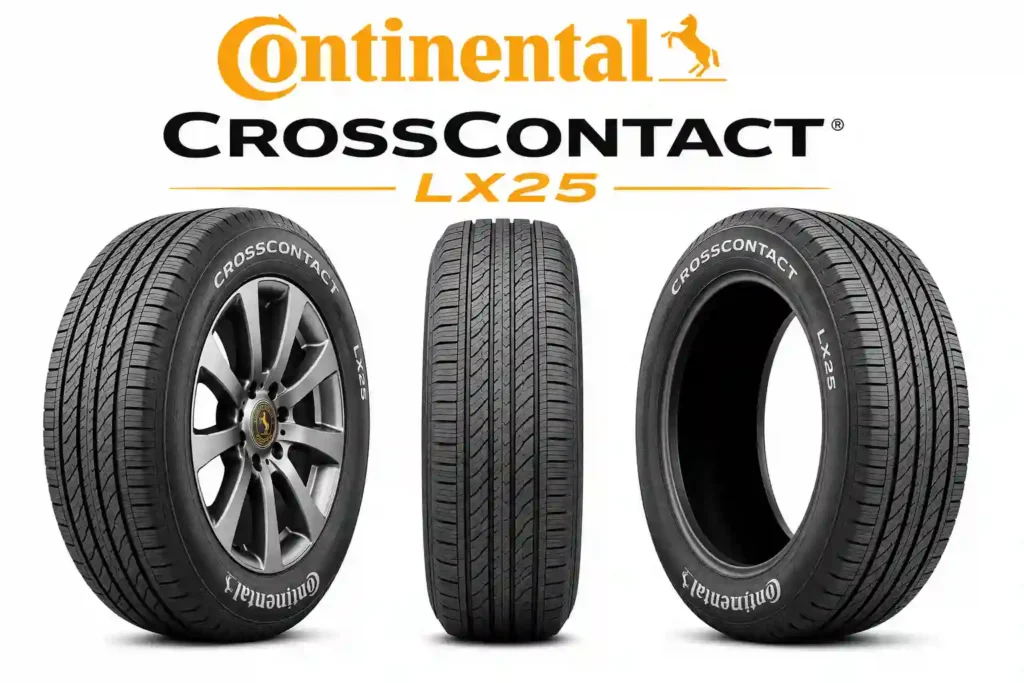
These two tires look similar but serve different needs. The Continental is a premium touring tire built for smooth summer and rainy roads. It focuses on a soft ride.
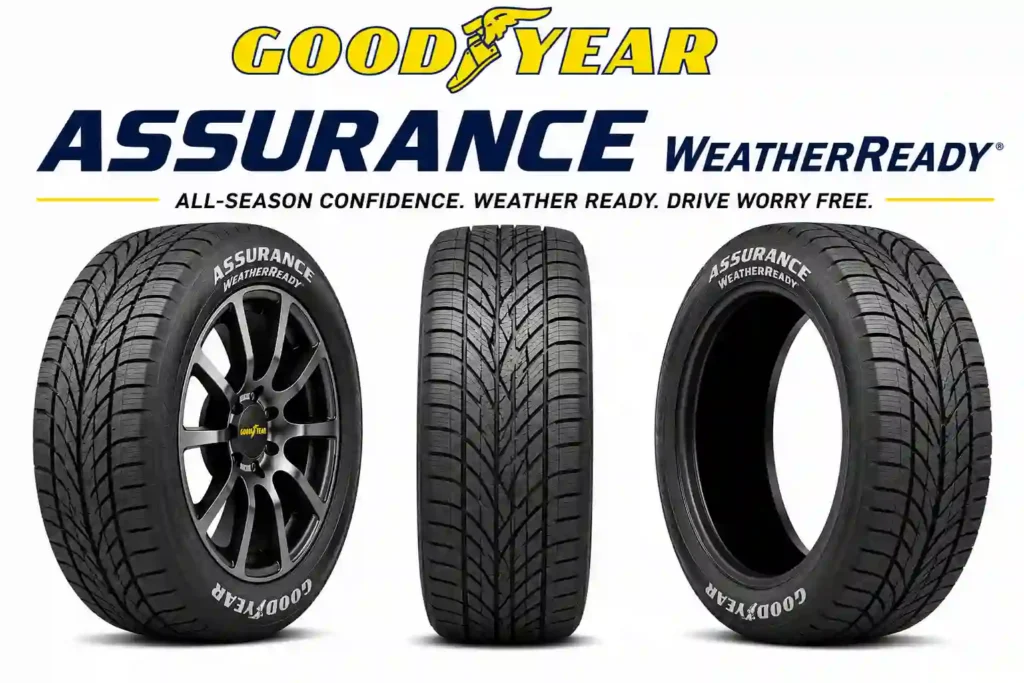
The Goodyear is a true all-weather tire. It handles harsh winter storms while still driving well in the summer heat.
Quick Side-by-Side Spec Comparison
Looking at the raw data helps make a smart choice. You must compare the exact specs to see where your money goes.
Here is a quick look at how both tires stack up on paper.
| Feature | Continental CrossContact LX25 | Goodyear Assurance WeatherReady |
| Tire Category | Crossover/SUV All-Season | All-Weather |
| Mileage Warranty | 70,000 Miles | 60,000 Miles |
| Winter Rating | Standard M+S | 3PMSF (Severe Snow) |
| UTQG Treadwear | 740 | 700 |
This table shows the Continental is built for a longer life. The Goodyear sacrifices some lifespan to give you better winter safety.
Complete Overview of Both Tire Models
Both tires are built for modern crossovers and SUVs. They both promise safety, but they do it in very different ways.
Continental: The Highway King
The Continental uses a special rubber mix built to save gas and reduce noise. It has deep grooves to push out water. It is perfect for long road trips.
Goodyear: The Snow Champion
The Goodyear features a unique tread pattern that opens up as it wears down. This means it keeps gripping snow even when half the tread is gone. It is a serious winter tool.
Dry Road Performance and Daily Handling
Dry pavement is where you spend most of your time driving. You need a tire that stops fast and turns tight on hot days.
Steering Feel and Cornering
The Continental feels much sharper on dry roads. The sidewalls are firm, which makes the steering wheel feel direct. The Goodyear feels a bit soft during hard turns.
Here is how they score on dry summer roads.
| Performance Area | Continental LX25 | Goodyear WeatherReady |
| Dry Braking | 9/10 | 8/10 |
| Steering Feel | 9/10 | 7/10 |
| High-Speed Grip | 8/10 | 7/10 |
The Continental is the clear winner for dry roads. It simply stops shorter and handles better on hot blacktop.
Wet Road Performance and Braking Distances
Rain makes roads slick and dangerous. You need rubber that bites through the water to stop your SUV fast.
Stopping Fast in the Rain
When I mounted these Continental tires on a customer’s SUV and took them on a wet highway, the grip was instantly clear. The Continental stops about 10 feet shorter than the Goodyear in heavy rain.
This table details their wet weather scores.
| Wet Driving Area | Continental LX25 | Goodyear WeatherReady |
| Wet Braking | 9/10 | 8/10 |
| Cornering Grip | 8/10 | 8/10 |
| Standing Water | 9/10 | 9/10 |
Both tires are very safe in the rain. However, the Continental uses a softer silica rubber that sticks to wet roads just a bit better.
Light Snow Performance and Cold Grip
Cold weather makes normal rubber turn hard like hard plastic. Both of these tires use special compounds to stay soft when it gets cold.
Handling the First Flakes
For light dustings of snow, both tires work fine. They both feature siping. Siping refers to tiny slits in the rubber that open up and bite into snow.
The Goodyear starts to pull ahead here. Its sipes are deeper and wider. This gives it a better grip when the snow starts to stick to the road.
Severe Cold-Weather and Ice Capabilities
This is the most important test for winter driving. If you live where blizzards happen, this section matters most.
Why the Goodyear Wins Here
I once drove the Goodyear set through a surprise blizzard, and the winter grip saved me from a ditch. It holds a 3PMSF rating, meaning it passes severe snow tests. The Continental does not.
Here is a breakdown of their true winter skills.
| Winter Condition | Continental LX25 | Goodyear WeatherReady |
| Deep Snow | 6/10 | 9/10 |
| Black Ice Grip | 5/10 | 8/10 |
| Slush Clearing | 7/10 | 9/10 |
The Goodyear dominates this category. If you face heavy snow and refuse to buy dedicated winter tires, you must buy the Goodyear.
Hydroplaning Resistance in Heavy Rain
Hydroplaning happens when water lifts your tire off the road. It feels like you are sliding on ice, and it is very scary.
Slicing Through Standing Water
Both tires have four wide, deep channels going around the tire. These channels pump water out from under the tread.
Neither tire struggles here. You can drive through deep puddles at highway speeds safely with both choices.
Ride Comfort and Cabin Noise Levels
Nobody wants a loud, bumpy ride on a long family road trip. A good SUV tire should soak up bumps and stay quiet.
Feeling the Bumps and Potholes
The Continental is much quieter. It absorbs huge potholes with a soft thud. The Goodyear has chunky tread blocks that hum lightly at 70 mph.
Compare their comfort scores below.
| Comfort Metric | Continental LX25 | Goodyear WeatherReady |
| Highway Noise | Very Quiet | Slight Hum |
| Bump Shock | Soft | Firm |
| Cabin Vibration | None | Minor |
“If a customer drives 80 miles on the highway daily, I never sell them aggressive all-weather tires. The loud drone will drive them crazy over time.”
The Continental is the clear winner for a luxury feel. It keeps your car silent and smooth.
Tread Life and Mileage Warranty Comparison
Tires are expensive. You want to know exactly how many years they will last before you have to buy them again.
How Long Will They Last?
The Continental offers a massive 70,000-mile warranty. It also has a UTQG rating of 740. UTQG is a government rating for how long the rubber lasts. Higher is better.
Let us look at the tread life data.
| Lifespan Area | Continental LX25 | Goodyear WeatherReady |
| UTQG Score | 740 | 700 |
| Expected Miles | 65,000+ | 55,000+ |
| Wear Rate | Very Slow | Moderate |
The Goodyear wears out faster because winter rubber is softer. The Continental will last you at least a year or two longer.
Price vs Long-Term Value Breakdown
You must look past the sticker price. A cheap tire that dies in two years is not a good deal.
Initial Cost vs Replacement Frequency
The Goodyear usually costs a bit more upfront. Since it also wears out faster, the cost per mile is higher.
Here is the financial breakdown.
| Value Metric | Continental LX25 | Goodyear WeatherReady |
| Price Class | Premium | Premium |
| Replacement Cycle | Every 5-6 Years | Every 4-5 Years |
| Overall Value | Excellent | Good |
The Continental is the better financial choice. It costs less to buy and lasts much longer on the road.
Comprehensive Pros and Cons List
It helps to see the good and bad laid out clearly. Every tire has weak spots that you need to know about.
Where the Continental Shines
It is incredibly quiet and smooth. It lasts forever and saves you money. However, you should avoid this tire if you drive in deep snow often.
Where the Goodyear Shines
It is a beast in the snow and ice. It saves you from buying winter tires. However, skip this tire if you hate road noise or want a soft ride.
Which Tire Is Best for Year-Round Driving?
Your choice depends totally on where you live. The weather in your town should make this decision for you.
Who Should Buy the Continental?
Buy this if you live in the South, West, or a place with mild winters. It is perfect for long highway commutes and heavy rain.
Who Should Buy the Goodyear?
Buy this if you live in the North or the Midwest. If you see deep snow every winter, the severe snow rating is worth the extra noise.
Final Verdict: The Best All-Season Choice
Overall, the Continental CrossContact LX25 is the better daily tire for most drivers. It rides better, costs less in the long run, and stops faster in the rain.
Next Steps for Your SUV
Check your vehicle’s driver-side door frame for a sticker. Read the exact tire size listed there before you order either of these great tires online.
FAQ for continental crosscontact lx25 vs goodyear assurance weatherready
Are these tires good in the snow?
The Goodyear is excellent in deep snow with its 3PMSF rating. The Continental is only okay for very light, dusty snow.
Which tire lasts longer on the highway?
The Continental lasts much longer. It comes with a 70,000-mile warranty compared to the Goodyear’s 60,000-mile warranty.
Do these tires fit most small SUVs?
Yes, both models come in many sizes that perfectly fit popular crossovers and mid-size family SUVs.
