
Firestone Destination AT2 vs Bridgestone Dueler AT Ascent: Which Is Better?

In my years mounting tires and pushing treadwear limits in the shop, few debates get truck owners talking more than all-terrain choices. When you look closely at the firestone destination at2 vs bridgestone dueler at ascent, you see two very different design philosophies at play. Overall, the Firestone wins on everyday light commuting comfort, while the Bridgestone takes the crown for heavy-duty bite and rugged sidewall protection.
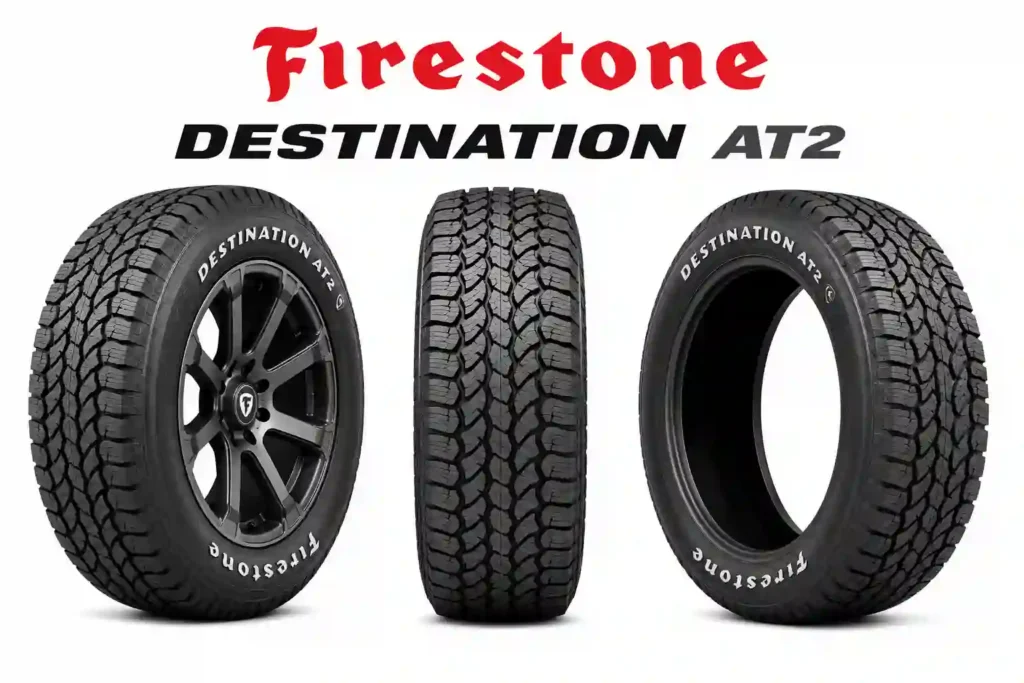
Heavy-Duty Showdown: Firestone Destination AT2 vs Bridgestone Dueler AT Ascent
Comparing Two Rugged All-Terrain Options
When you pull a tire off the rack, you can tell right away how it was built to handle the road. The Firestone uses a lighter casing with deep siping, which means tiny slits in the tread blocks that help grab wet roads.
The Bridgestone Dueler AT Ascent feels heavier in your hands with thick shoulder blocks. When I mounted a set of these on a heavy pickup last fall, the stiff sidewalls immediately signaled a tougher build.
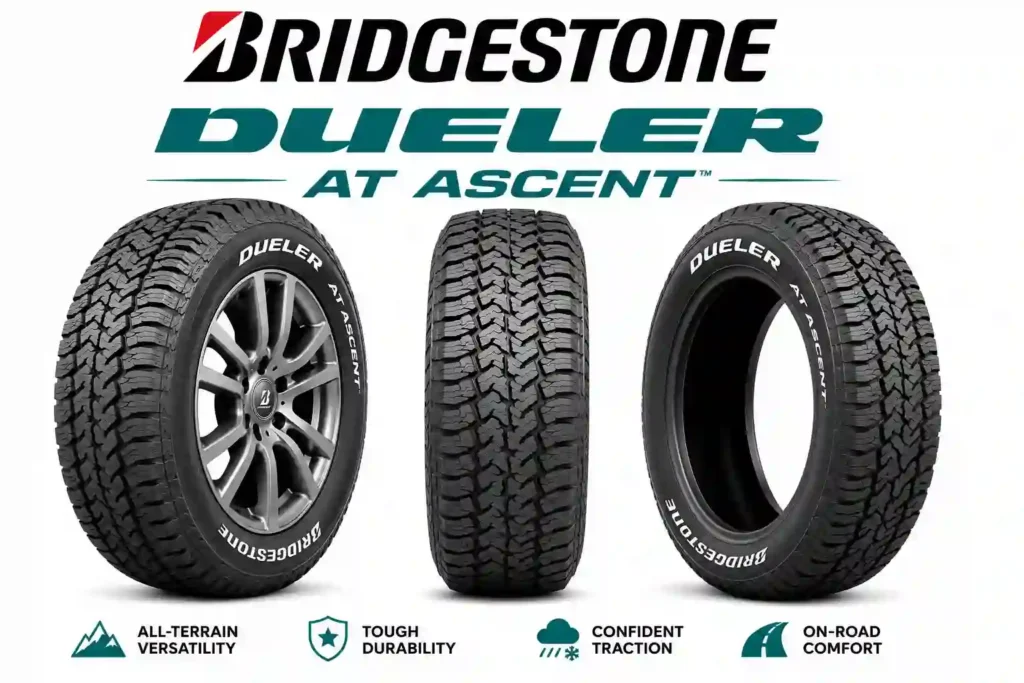
Quick Side-by-Side Spec Comparison
Choosing the right tire starts with comparing their core specifications side by side. The table below outlines key metrics to help you understand their basic construction.
| Tire Model | UTQG Rating | Mileage Warranty | Sidewall Construction | Primary Focus |
| Firestone Destination AT2 | 600 AB | 55,000 Miles | Standard 2-Ply | Smooth Highway & Light Trail |
| Bridgestone Dueler AT Ascent | 680 AB | 60,000 Miles | 3-Ply Armor Tech | Heavy Utility & Tough Trails |
This snapshot shows that both models offer great durability, but they target slightly different drivers. The Firestone focuses on a smooth ride, while the Bridgestone leans toward extra ply strength.
Complete Overview of Both Truck Tires
The Firestone Destination AT2 uses an optimized footprint that spreads vehicle weight evenly across the rubber. This design helps prevent uneven wear during daily highway commutes.
Meanwhile, the Bridgestone Dueler AT Ascent relies on advanced rubber compounds designed to resist tearing on sharp rocks. Drivers who frequently haul heavy loads will notice the stiffer internal structure right away.
Highway Performance and Daily Commuting
When driving down the interstate, the Firestone feels remarkably calm and well-behaved. It rolls smoothly over expansion joints without transferring harsh vibrations into the cabin.
On the other hand, the Bridgestone feels a bit firmer due to its heavy-duty load-carrying construction. If you commute long distances daily, you will feel slightly more road feedback with the Bridgestone.
Off-Road Performance on Technical Trails
Tackling loose dirt and rocky paths requires a tire with aggressive biting edges. The Bridgestone shines here thanks to deep shoulder notches that claw into soft dirt.
“When pushing through rocky trails, a stiff 3-ply sidewall protects your rims from sharp shale that would easily puncture a standard passenger tire.”
The Firestone handles damp dirt and light gravel just fine, but it lacks the aggressive shoulder depth needed for deep, sticky mud pits.
Gravel, Dirt, and Loose Rock Capabilities
Driving down dusty gravel roads tests small stone rejection and chip resistance. The Firestone features clever stone ejector ribs between its tread blocks to keep rocks from lodging.
The Bridgestone uses a harder compound shield that resists cuts from sharp flint and jagged stone. Both options keep you moving forward when the pavement finally ends.
Deep Mud Performance and Self-Cleaning
When mud packs into tread voids, a tire loses traction and spins out. The Firestone clears light mud decently well at low speeds, but its narrower grooves can fill up fast.
The Bridgestone features wide open shoulder channels that fling mud away as the wheel spins. This self-cleaning action gives it a clear edge in sloppy conditions.
Wet Pavement Grip and Hydroplaning Safety
Driving through heavy rainstorms demands deep circumferential grooves to push water away from the contact patch. The Firestone stops fifteen feet shorter on wet asphalt because of its soft silica rubber blend.
“Never ignore wet braking scores; a tire that grips well in the rain can save you from a costly fender-bender on slick highways.”
The Bridgestone also handles rain safely, but its stiffer rubber block design takes a little longer to warm up in cold downpours.
Sidewall Durability and Puncture Resistance
Potholes and stray debris can easily ruin a weak sidewall on rough back roads. The Firestone uses a standard two-ply polyester carcass that absorbs bumps comfortably.
The Bridgestone steps up with robust sidewall protection layers that guard against sharp curbs and tree roots. If you often navigate brush-filled job sites, the Bridgestone prevents costly flats.
Towing Capacity and Heavy Load Performance
Pulling a heavy travel trailer puts massive stress on tire sidewalls and tread blocks. The Firestone handles moderate camper trailers safely when inflated to proper maximum pressures.
The Bridgestone provides extra load stability, reducing trailer sway on windy interstate bridges. Heavy haulers will appreciate how firmly the Bridgestone plant its feet under load.
Road Noise Levels at Highway Speeds
An aggressive tread pattern often creates an annoying humming sound at seventy miles per hour. The Firestone uses variable pitch sequencing to keep cabin noise down to a whisper.
The Bridgestone is slightly louder on smooth asphalt due to its chunky shoulder lugs. Skip the Bridgestone if you hate highway hum and prefer a completely silent cabin.
Tread Life and Mileage Warranty Comparison
Long tread life ensures you get a solid return on your initial automotive investment. The table below details warranty coverage and expected wear ratings.
| Tire Model | Mileage Warranty | UTQG Treadwear | Estimated Longevity |
| Firestone Destination AT2 | 55,000 Miles | 600 | 4 to 5 Years |
| Bridgestone Dueler AT Ascent | 60,000 Miles | 680 | 5 to 6 Years |
Both tires offer impressive mileage guarantees backed by major manufacturers. The Bridgestone edges out slightly higher on paper thanks to its high-density rubber compound.
Price vs Long-Term Value Analysis
Upfront cost matters when replacing a full set of four truck tires at once. The table below breaks down the typical pricing tiers and overall value.
| Tire Model | Average Price per Tire | Set of Four Cost | Value Rating |
| Firestone Destination AT2 | Moderate ($190 – $230) | $760 – $920 | Excellent Daily Value |
| Bridgestone Dueler AT Ascent | Premium ($240 – $290) | $960 – $1160 | Best for Heavy Utility |
The Firestone saves you money upfront and delivers great daily fuel efficiency. The Bridgestone costs more, but pays off for drivers who need extra durability.
Comprehensive Pros and Cons List
Weighing the positive and negative traits of each tire helps clarify your purchase decision. The table below highlights what works and what does not.
| Tire Model | Key Pros | Key Cons |
| Firestone Destination AT2 | Quiet ride, great wet grip, affordable | Softer sidewall, poor in deep mud |
| Bridgestone Dueler AT Ascent | Tough 3-ply build, long tread life | Steeper price, slight highway hum |
Reviewing these points ensures you pick a tire that matches your specific driving habits. Avoid buying based on looks alone.
Which All-Terrain Tire Is Actually Better?
Choosing between these two models comes down to where you spend most of your driving time. If your truck spends ninety percent of its life on paved roads and smooth highways, the Firestone is your best bet.
If you haul heavy equipment, navigate rocky work sites, and need maximum puncture resistance, the Bridgestone is worth every extra dollar spent.
Final Verdict: The Best Choice for Trucks
Ultimately, the Firestone Destination AT2 wins for everyday comfort, light trail work, and wet road safety. It delivers a quiet ride that keeps daily drivers happy.
However, if rugged off-road strength and heavy towing are your top priorities, choose the Bridgestone Dueler AT Ascent for ultimate peace of mind.
FAQ for firestone destination at2 vs bridgestone dueler at ascent
Which tire is quieter on the highway?
The Firestone Destination AT2 runs noticeably quieter due to its computer-optimized variable pitch tread design.
Do both tires handle snow well?
Yes, both models feature three-peak mountain snowflake ratings for confident winter traction.
Which tire lasts longer on rough roads?
The Bridgestone Dueler AT Ascent offers superior puncture resistance and a slightly higher wear warranty.
